Quick answer
Choose a candle made from coconut or soy wax with a cotton or wood wick, and match the burn time to how often you actually light it. A 285 g candle suits regular evening use, while smaller sizes work better for occasional nights or testing new scents.
Why the wax blend matters more than the label
The wax determines how evenly a candle melts, how cleanly it burns, and how strongly the scent throws. Coconut and soy waxes burn cooler and slower than paraffin, which means the fragrance has more time to release and the candle typically lasts longer. Paraffin candles are cheaper and hold scent well, but they can produce more soot and require more careful wick maintenance. If you are sensitive to smoke or want a cleaner burn, a coconut-soy blend is the safer everyday choice.
Why burn time and wick care go together
Burn time depends on more than the wax. The wick, the room's airflow, and how long you let the candle burn each session all change how many hours you actually get. A wick that is too long creates soot and a taller flame, which makes the candle burn faster. Trimming the wick to about 1/4 inch before each lighting keeps the flame steady and helps the wax pool evenly.
The first burn matters most. Let the melted wax reach the edges of the container before you blow it out. If you don't, the candle develops a tunnel and you lose usable wax with every later burn.
Quick candle decision rules
- Wax type: Choose coconut-soy or pure soy if you prefer a slower, even melt and a cleaner burn. Paraffin burns hotter and throws scent faster, but it can produce more soot and needs regular wick care. If you burn candles daily, a soy or coconut-soy blend usually pays off in longer, cleaner burns.
- Wick quality: Trim the wick to about 1/4 inch before each lighting. A short, centered wick prevents smoking, uneven melting, and keeps the scent throw consistent. Check the wick before every burn; if it mushrooms or bends, trim it before lighting.
- Burn time and first burn: Let the wax melt to the edge of the container on the first burn. This creates an even melt pool and helps the candle burn evenly across later sessions. Plan at least two to four hours for the first burn so the top layer fully liquefies.
- Scent strength and throw: Decide whether you want a subtle background scent or one that fills the room. Heavier fragrances like peony tend to project more, which suits larger rooms or open-plan spaces. Match the scent strength to the room size: stronger scents for big rooms, lighter scents for small bedrooms.
- Wax type: Coconut and soy waxes burn slower and cleaner than paraffin, so they suit long, low-key evenings. Paraffin is cheaper and throws scent fast, but it is a petroleum by-product. If you burn candles daily, a natural wax blend usually means fewer refills and less soot.
- Wick care: Trim the wick to about 5 mm before every burn, let the wax melt to the edge on the first burn, and stop once 1 cm of wax remains. Trim the wick before each use to avoid soot and uneven burning.
Candles worth considering
-
Signature Candle - Peony 285g: The homebodii® Signature Candle in Peony is hand-poured in Australia from coconut and soy wax. Coconut-soy blends burn more evenly and slowly than plain paraffin, so you get a longer, cleaner burn from a single candle.
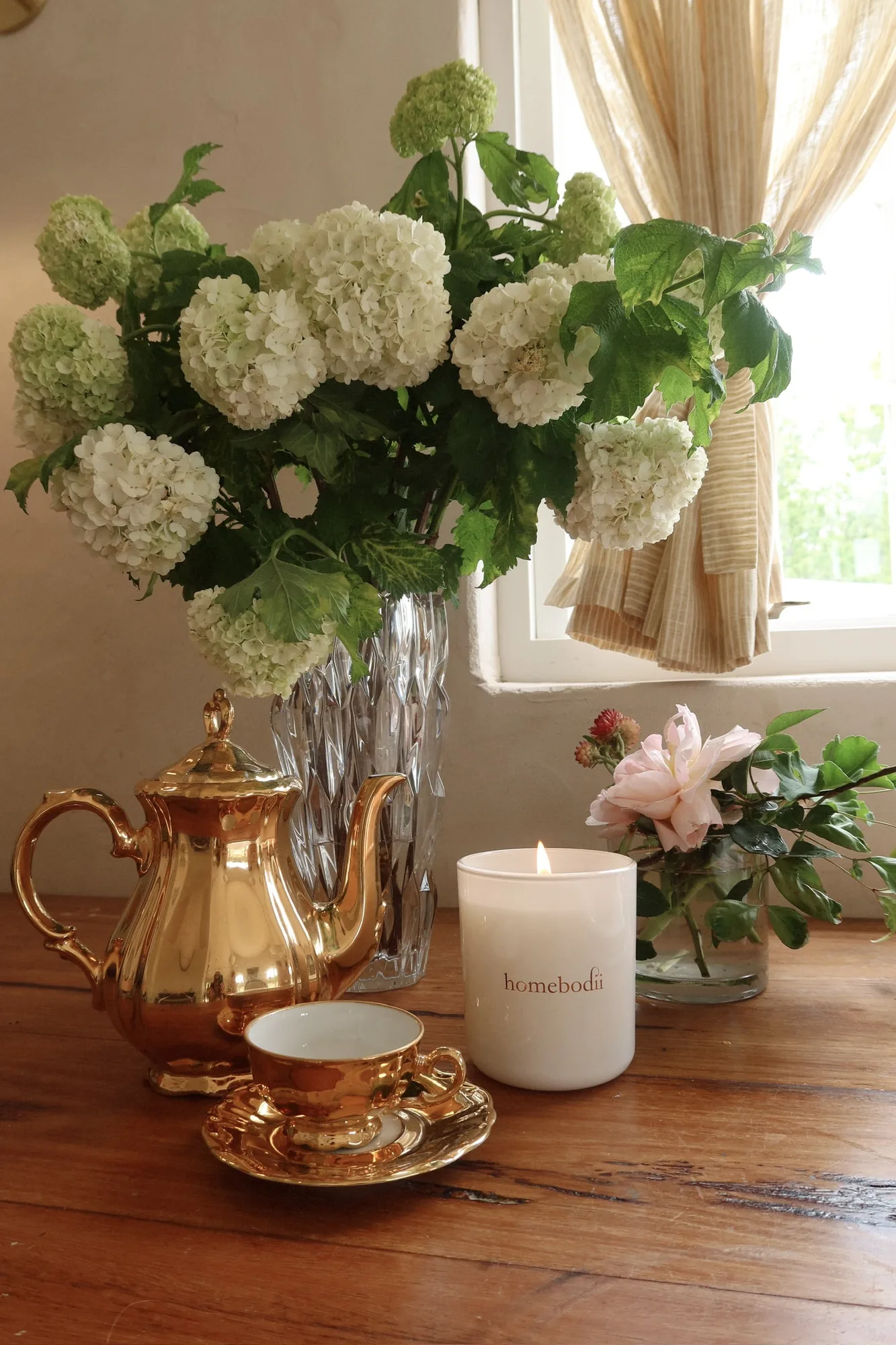
Signature Candle - Peony 285g
Which candle should you choose?
Best for
- Cozy evening rituals and slow-burning nights at home
- Anyone who wants a floral, European-inspired scent with a clean coconut-soy wax base
Not for
- People who prefer strong synthetic fragrance throw in large open rooms
- Budget buyers who want the lowest upfront price