Quick Answer
A safe car seat coat must be thin enough to avoid adding slack in the harness straps, ideally crash-tested for car seat use, and warm enough for your climate. Regular puffy coats compress in a crash and create dangerous gaps.
Why a Regular Winter Coat Can Be Unsafe in a Car Seat
A thick, fluffy winter coat may keep your child warm while walking, but in a car seat it creates a hidden risk. When the harness is tightened over a bulky coat, the coat compresses in a sudden stop or crash, leaving loose webbing that can allow your child to slide out. This is why many car seat manufacturers warn against wearing heavy outerwear under the harness.
The solution is not to skip the coat entirely, but to choose a coat designed to work with car seat restraints. Look for a coat that is thin, non-compressible, and ideally crash-tested to prove it maintains harness tension in a collision.
Key Features to Prioritize
When shopping for a car seat coat, focus on three things: crash-test certification, insulation type, and fit. A crash-tested coat has been evaluated to ensure it does not add dangerous slack. Down or synthetic insulation can be used, but the coat must be slim-cut so the harness sits close to the body. Waterproofing is a bonus for snowy climates, but not required for safety.
How to Choose a Car Seat Coat: Decision Rules
- Check for Crash-Test Certification: Look for a coat that explicitly states it has been crash-tested for car seat use. This is the strongest indicator that the coat won't compress dangerously in a collision. Without certification, assume the coat behaves like a regular winter coat and may add unsafe slack.
- Perform the Pinch Test: After buckling your child in the car seat without the coat, note the harness tightness. Then put the coat on, buckle again, and try to pinch the webbing at the collarbone. If you can pinch any excess, the coat is too thick or bulky for safe car seat use. A properly fitted car seat coat should allow no more than a single finger's width of slack at the collarbone.
- Match Insulation to Your Climate: Down-filled coats offer excellent warmth-to-bulk ratio, making them ideal for car seat use. For milder winters, a thinner synthetic coat may suffice. For extreme cold, choose a coat rated for subzero temperatures, like the Road Coat Arctic. The warmest coat is useless if it doesn't fit safely under the harness, so prioritize slim insulation over maximum fill power.
- Consider Waterproofing for Wet Snow: If your child plays in snow or you face slushy conditions, a waterproof or water-resistant shell prevents the coat from becoming wet and heavy. Wet insulation loses its warmth and can make the harness harder to adjust. Waterproofing is a convenience feature, not a safety requirement, but it extends the coat's usefulness on snowy days.
Car Seat Coats That Meet Safety Standards
-
Onekid Car Seat Coat | The Road Coat Down - Platinum/Black: The Road Coat Down in Platinum/Black is a down-filled, crash-tested car seat coat trusted by parents since 2016. Down insulation provides warmth without excessive bulk, and the crash-test certification gives you confidence that the harness will stay tight in an accident.
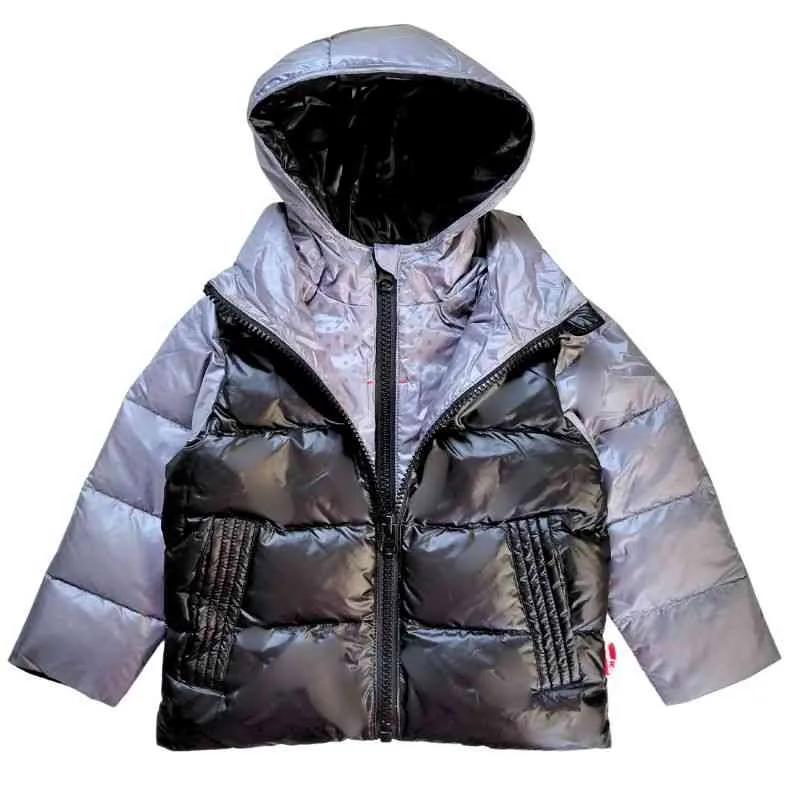
Onekid Car Seat Coat | The Road Coat Down - Platinum/Black
-
Onekid Car Seat Coat | The Road Coat Arctic - Royal Blue: The Road Coat Arctic in Royal Blue is a down-filled, fully waterproof, crash-tested coat designed for extreme cold and snowy adventures. If you live in a region with heavy snow or wet winters, the waterproof shell keeps your child dry while maintaining the slim fit needed for car seat safety.
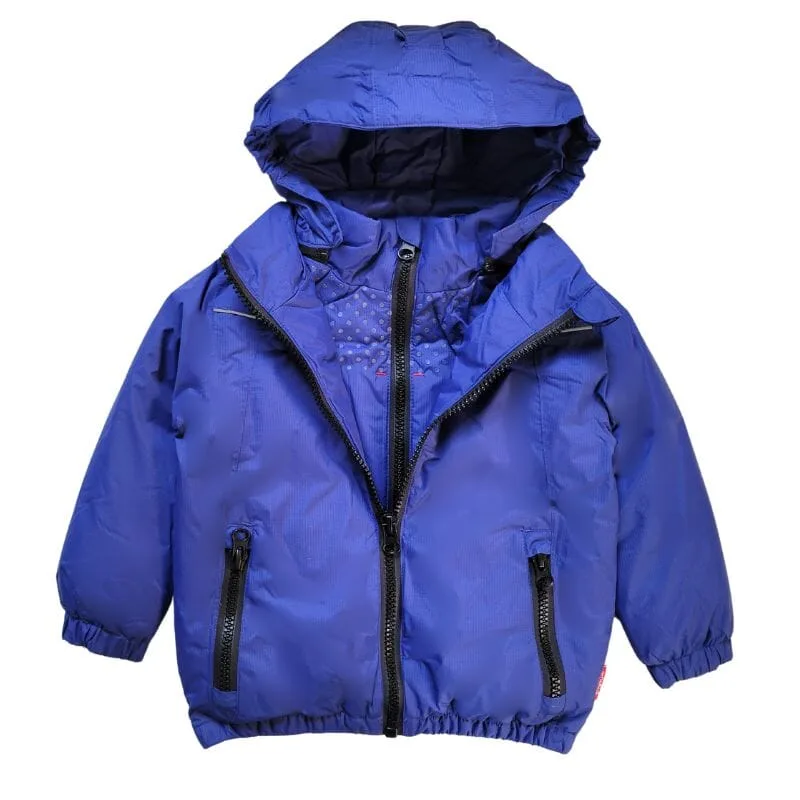
Onekid Car Seat Coat | The Road Coat Arctic - Royal Blue
Who Should Choose Which Coat
Best For
- Parents who want a down-filled, crash-tested coat for everyday winter use in cold but not extreme climates — choose the Road Coat Down.
- Families in regions with heavy snow, wet winters, or subzero temperatures who need a fully waterproof, extreme-cold-rated car seat coat — choose the Road Coat Arctic.
Not For
- Parents who prefer a synthetic (non-down) insulation for allergy or ethical reasons — consider a synthetic crash-tested alternative.
- Very mild winter climates where a thin fleece jacket or a car seat poncho may be sufficient — a full car seat coat could be overkill.