Quick answer
Choose a film scanning service based on output resolution, how it handles your specific formats, and whether it returns your originals. Ask for sample scans from the same film type you shoot, confirm the maximum DPI for 35mm and 120, and get the return policy in writing before shipping. If a lab cannot answer those three points clearly, keep looking.
Resolution: match the scan to your final output
Film scanning resolution options usually range from about 2000 x 3000 pixels for a basic 35mm scan up to 6000 x 9000 pixels or more for archival work. The right number depends on what you will do with the file. A 3000-pixel-wide scan is fine for a 4x6 print or a social post; a 6000-pixel scan gives you room to crop and still print at 8x10 or larger.
For 120 film, the same pixel dimensions cover a larger negative area, so effective detail per inch is lower. If you plan to print 120 negatives at 16x20 or bigger, ask for the highest optical resolution the lab offers, not interpolated upscaling. Interpolation adds file size without adding real detail.
- Ask for the pixel dimensions, not just 'high resolution'.
- Confirm whether the price includes dust and scratch removal or charges extra.
- Request TIFF for editing and JPEG for quick sharing; many labs charge differently for each.
Format handling: 35mm, 120, and specialty film
Not every lab handles every format well. A service that specializes in 35mm may not have the holders or training for 120 roll film, and slide film or black-and-white negatives can require different processing before scanning. Tell the lab exactly what you are sending, including the film stocks and whether the negatives are cut into strips or uncut rolls.
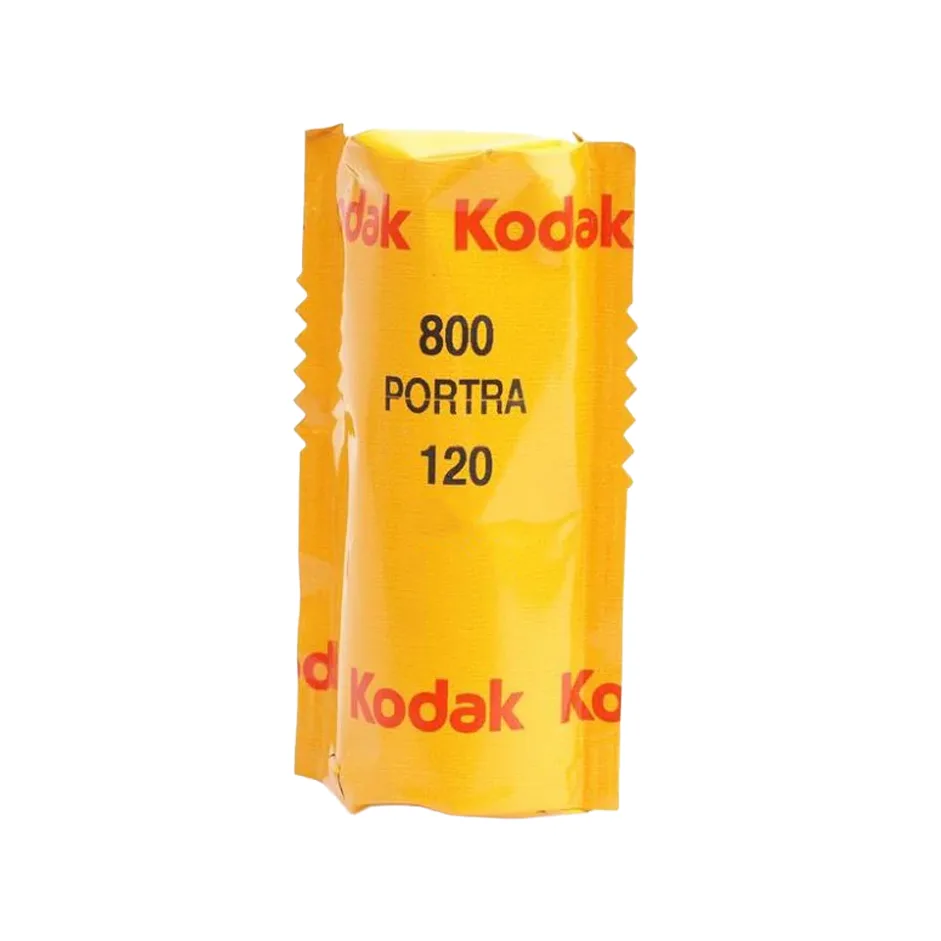
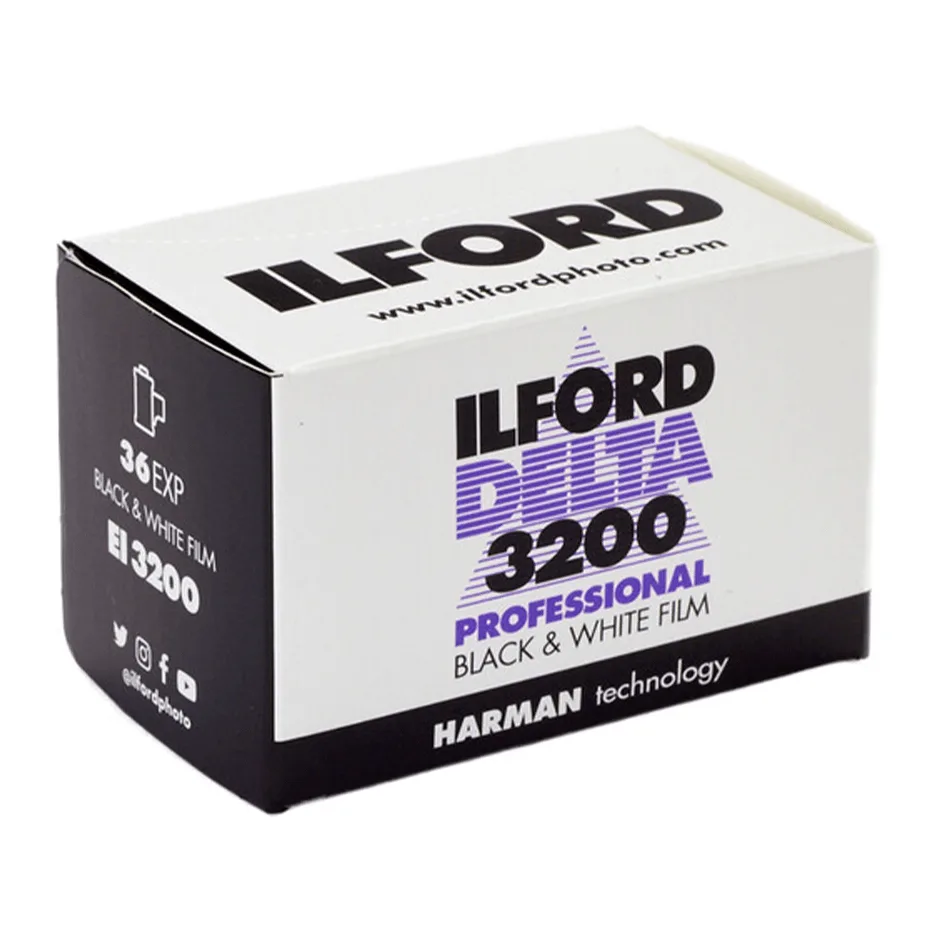
If you shoot high-speed film like Kodak Professional Portra 800 or Ilford Delta 3200, mention it. These films have more visible grain, and a lab that over-sharpens or applies heavy noise reduction can make scans look worse than the negative. Ask for neutral scans and do your own adjustments.
Turnaround, shipping, and getting your originals back
Turnaround times vary from a few days to several weeks. Before you ship, confirm the current estimate in writing, not just what the website says. Ask whether the lab provides tracking for return shipping and whether the price includes return of your negatives. Some budget services keep or discard originals unless you pay extra.
Package negatives in a rigid mailer with a tracking number. Keep a digital inventory of what you sent, including the number of rolls and any frame numbers that matter. If the lab offers a prepaid mailer, use it, but read the fine print about insurance limits.
Questions to ask before you commit
A short list of questions separates a professional negative scanning service from a drop-ship operation. Ask for two or three sample scans from the same film type and format you shoot. Ask who does the scanning in-house versus outsourced. Ask what happens if a scan is blurry or a frame is missing.
If you also need print reproduction service or video digitizing service, check whether the lab handles those in the same order. Combining services can save shipping, but only if the quality is consistent across formats. Get a written quote that lists each line item.

print reproduction
- Request samples shot on your film stock, not just the lab's best work.
- Confirm the file naming and folder structure you will receive.
- Ask about color correction: included, extra, or not offered.
Decision rules for choosing a scanning lab
- If you only need web-sized files: Choose a basic 2000-3000 pixel scan and skip the highest resolution tier. You will save money and still get clean images for screens. Do not pay for 6000-pixel scans if you never print larger than 5x7.
- If you shoot 120 film and print large: Prioritize labs that list optical resolution for 120 and can provide TIFF files. Ask for a sample scan of a 120 negative before sending a full order. Effective detail per inch drops as format size increases; verify with a sample.
- If your negatives are irreplaceable: Choose a lab that includes return shipping and insurance, and avoid any service that keeps originals by default. Pay for tracked shipping both ways. Never ship one-of-a-kind negatives without a return guarantee in writing.
- If you shoot high-speed or specialty film: Tell the lab the exact film stock and ask for neutral scans without automatic dust removal or noise reduction. Handle color and contrast adjustments yourself. Automated corrections can erase the character of films like Delta 3200.
Film stocks that affect scanning choices
- Kodak Professional Portra 800 Color Negative Film - 120 Roll Film, Single Roll (ISO 800): Kodak Professional Portra 800 is a daylight-balanced color negative film with ISO 800, fine grain, and wide exposure latitude. Its fine grain and latitude mean a good scan can hold shadow and highlight detail, so ask the lab not to apply aggressive noise reduction that would smooth away real texture.
- Ilford Delta 3200 Professional Black and White Negative Film - 35mm Roll Film, 36 Exposures (ISO 3200): Ilford Delta 3200 Professional is a high-speed black and white negative film with ISO 3200 and very wide exposure latitude. High-speed B&W film shows more grain; a lab that over-sharpens can make scans look harsh, so request neutral scans and adjust contrast yourself.
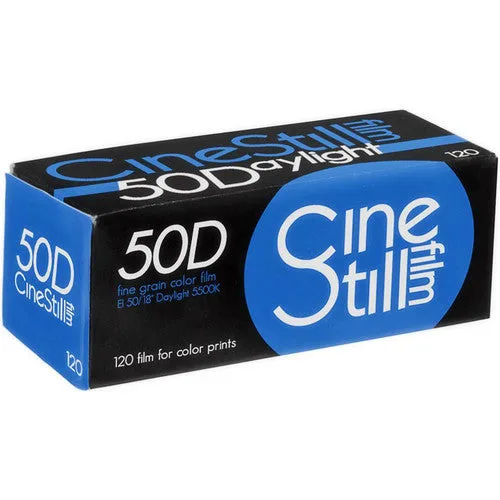
- CineStill 50Daylight Color Negative Film - 120 Roll Film (ISO 50): CineStill 50Daylight is an EI 50 daylight-balanced 120 color negative film with a unique halation effect. The halation is part of the look; confirm the lab will scan it without trying to remove or correct that glow, which some automated workflows treat as an error.
Who this buying guide is for
Best for
- Photographers shipping 35mm or 120 negatives to a lab for the first time
- Shooters who need archival scans and want to compare resolution and file format options
- Anyone combining film scanning with print or video digitizing in one order
Not for
- People who only need quick phone snapshots of prints
- Photographers who already own a dedicated film scanner and prefer to scan at home
- Anyone unwilling to ask a lab for sample scans before committing