Quick Answer
Choose a gratitude journal by matching its daily time commitment to your real routine, then check paper quality and size. For beginners, a five-minute guided format removes the blank-page problem; if you want a deeper practice, a 60-day structured journal with philosophy and reflection prompts gives more substance per session.
Start With the Daily Time Commitment, Not the Cover
The most common reason a gratitude journal fails is that it asks for more time than you actually have. Before comparing designs, decide whether you will realistically write for two to five minutes or ten to fifteen. A short guided format works well on busy mornings; a longer structured practice suits evenings or quiet weekend sessions. If you are unsure, start with the shorter option. You can always add a second journal later, but you cannot recover the momentum lost from an abandoned one.
- Two to five minutes: choose a guided daily page with minimal writing space.
- Ten to fifteen minutes: choose a structured journal with prompts, reflection, and context.
- Inconsistent schedule: choose a format that does not punish missed days with blank sections.
Paper Quality and Binding: What Actually Matters Day to Day
Paper quality is not about luxury; it is about whether your pen glides or skips and whether ink bleeds through to the next page. If you write with a fountain pen or heavy gel ink, look for thicker paper and check whether the journal specifies bleed resistance. If you use a standard ballpoint, most decent journals will handle it. Binding matters too: a lay-flat binding makes daily writing easier, while a tight spine can make the left page awkward. Since many product listings do not state paper weight, treat that absence as a reason to buy from a store with a clear return policy or to start with a lower-cost option before committing to a premium one.
Size and Portability: Match the Journal to Where You Write
A gratitude journal you leave at home should be comfortable to write in, which usually means A5 or larger. A journal you carry should fit a bag pocket or small purse, which usually means A6 or a slim paperback size. There is a real trade-off: smaller journals are easier to carry but give you less room for reflection, and larger journals feel more substantial but are less likely to travel with you. Decide where the habit will happen first, then choose the size that fits that location.
Guided Prompts vs. Blank Pages: Which Structure Helps You Most
A gratitude journal for beginners usually works better with prompts. Prompts reduce decision fatigue and keep the practice from becoming a repetition of the same three sentences. Structured journals may also include context, quotes, or a philosophical framework that gives each entry more direction. Blank or minimal journals suit people who already know what they want to write and find prompts restrictive. If you have failed at journaling before, choose structure over freedom for the first month, then reassess.
How to Test a Journal Before You Commit
Buy from a seller that allows returns, and write in the journal on the first day rather than saving it for a perfect start. If the paper resists your pen or the layout feels like a chore after three days, return it and try a different format. This is faster than forcing a habit with the wrong tool. Also check whether the journal is undated. Undated journals are more forgiving when you miss days, which matters more for consistency than any design feature.
Decision Rules for Choosing a Gratitude Journal
- If you have failed at journaling before: Choose a guided format with a fixed daily time under five minutes. The Five Minute Journal Health & Fitness Edition fits this rule because it removes the blank-page problem and ties reflection to a clear goal. Commit to two weeks before judging whether it works.
- If you want depth and a philosophical framework: Choose a structured, multi-day journal such as The Stoic Journal, which combines ancient Stoic texts with modern prompts over 60 days. Set aside 10-15 minutes at a consistent time, preferably when you are not rushed.
- If you write with a fountain pen or heavy ink: Prioritize paper quality and check for bleed resistance. If the listing does not state paper weight, buy from a store with easy returns or test with your pen on the first page before committing. A journal that skips or bleeds will end the habit faster than a boring cover.
- If you need it to travel with you: Choose a smaller size that fits your bag, and accept less writing space per entry. If you mostly write at home, choose a larger size that is comfortable to hold. Match the size to the place where the habit will actually happen.
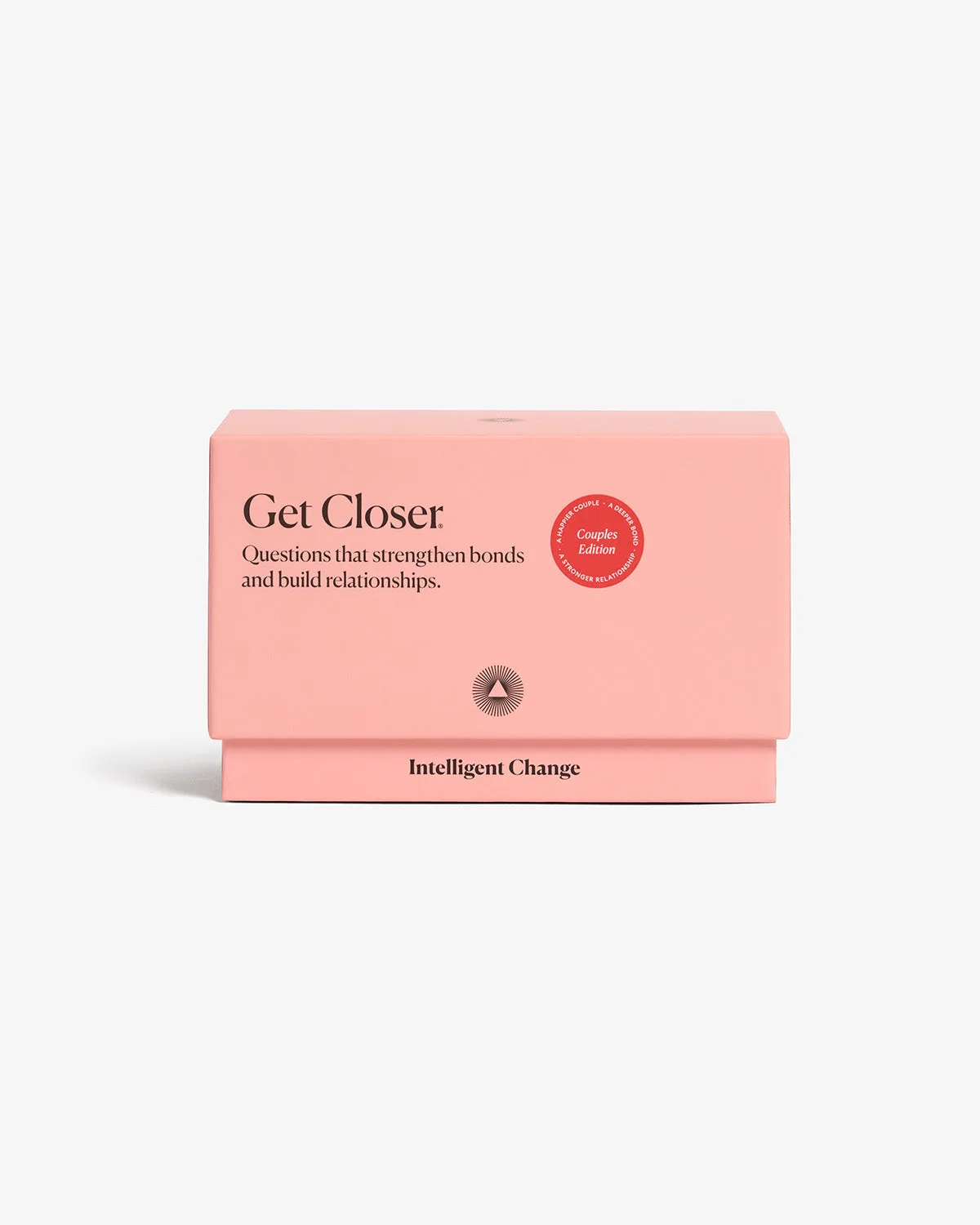
- If you want to share the practice with a partner: Consider a prompt-based conversation game like Get Closer Conversation Game: Couples instead of two separate journals. It creates shared reflection without requiring daily writing. Use it weekly as a complement to individual gratitude journaling, not a replacement.
Product Facts
- The Five Minute Journal Health & Fitness Edition: The Five Minute Journal Health & Fitness Edition is designed for five minutes a day with daily reflections and goal setting focused on fitness and mindset. A good fit if you want a short, guided gratitude practice tied to health goals rather than open-ended journaling.
- The Stoic Journal: The Stoic Journal is a 60-day practice combining Stoic wisdom from Marcus Aurelius, Seneca, and Epictetus with modern reflection, intended for 10-15 minutes a day. Choose this if you want a longer, philosophy-backed structure and are willing to commit more time per session.
- Get Closer Conversation Game: Couples - Couples: Get Closer Conversation Game: Couples is a prompt card game for couples to have deeper conversations about love, dreams, and life experiences. Useful if you want to add shared reflection to your gratitude practice without writing, especially for partner routines.
Who This Guide Is For
Best for
- Beginners who want a clear daily structure without guessing what to write
- People choosing a gratitude journal as a gift and needing simple comparison criteria
- Anyone who has abandoned a blank journal and wants a guided alternative
Not for
- Writers who want completely blank pages and no prompts
- People looking for a digital app rather than a physical journal
- Buyers who need a specific paper weight or size confirmed before purchase and cannot use a return policy