Quick Answer
When choosing a kids backpack for school, prioritize a proper fit, padded straps, and organized compartments that match your child's age and daily load. For ages 3–5, choose a small backpack; for ages 5–8, a medium size; and for ages 8–12, a large size. Look for lightweight materials, easy-to-clean surfaces, and a design your child will actually want to carry.
Why Fit Matters More Than Size
A backpack that sits too low or too high can cause strain on a child's shoulders and back. The top of the backpack should rest just below the shoulders, and the bottom should sit at the waistline. Adjustable straps help achieve this snug fit, and padded back panels add comfort during longer walks to school or field trips.
Because kids grow quickly, you might be tempted to buy a larger size to 'grow into.' But an oversized backpack encourages overpacking and can be uncomfortable for a smaller child. Stick to the age range listed by the manufacturer, and check the fit with a few books inside before committing.
Key Features to Prioritize
Look for padded shoulder straps that distribute weight evenly, and a chest or sternum strap if your child carries a heavier load. A padded sleeve for a laptop or tablet is essential for older kids who need to bring devices to school. Multiple compartments help separate lunch, supplies, and personal items, making it easier for kids to stay organized.
Durability matters for daily use. Reinforced stitching, sturdy zippers, and water-resistant materials can extend the life of the backpack. For younger kids, an easy-to-clean surface is a practical advantage, since spills and dirt are inevitable.
How to Match the Backpack to Your Child's Age
For ages 3–5, a small backpack is ideal. It should be lightweight and just big enough for a lunch box, a change of clothes, and a small toy or book. A medium backpack suits ages 5–8, offering room for school supplies, a tablet, and a packed lunch. For ages 8–12, a large backpack can handle heavier textbooks, a laptop, and extracurricular gear.
Consider your child's daily routine. If they walk to school or take public transport, prioritize comfort and weight distribution. If they have a locker, a medium or large backpack with multiple pockets helps keep things accessible. For travel, a backpack with a luggage sleeve can be a bonus, though not all kids' backpacks include this feature.
Decision Rules for Choosing a Kids Backpack
- Match the size to age and load: Choose small for ages 3–5, medium for ages 5–8, and large for ages 8–12. Consider what your child will carry daily—if they need a laptop, ensure the backpack has a padded sleeve. Don't buy a size up 'for growth'—it can lead to poor fit and overpacking.
- Check the fit with a full load: Place the heaviest items inside and adjust the straps so the backpack sits snugly against the back, with the bottom at the waistline. A proper fit reduces strain and improves comfort.
- Prioritize padded straps and back panel: Padded shoulder straps and a cushioned back panel distribute weight and prevent digging into shoulders, especially for heavier loads. Comfort features are non-negotiable for daily use.
- Look for multiple compartments: Separate pockets for lunch, supplies, and personal items help kids stay organized and find things quickly. Organization reduces morning chaos.
- Consider durability and cleanability: Reinforced stitching, sturdy zippers, and water-resistant materials extend the backpack's life. Easy-to-clean surfaces are a bonus for younger kids. A durable backpack saves money in the long run.
CALPAK Kids Backpacks at a Glance
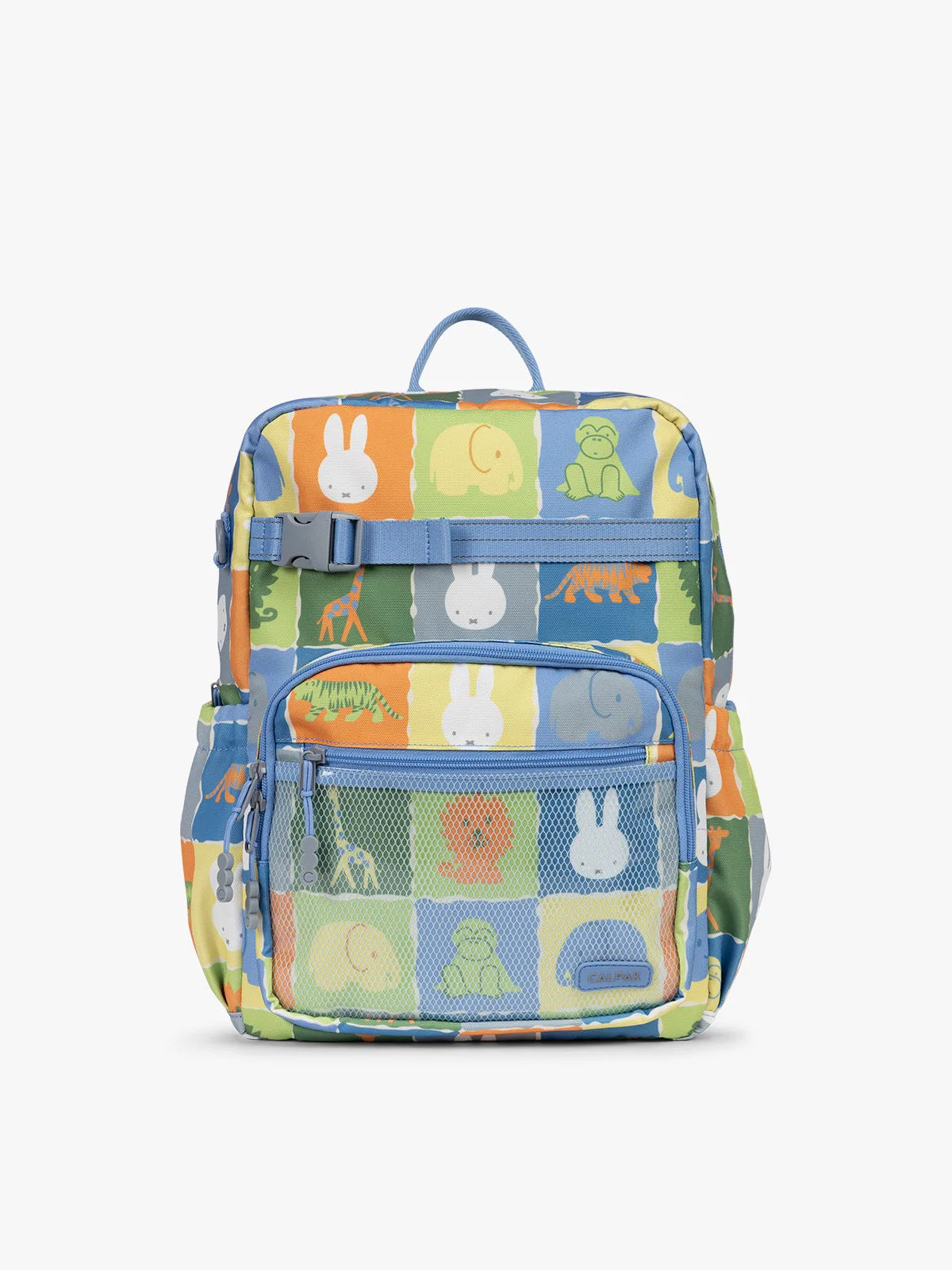
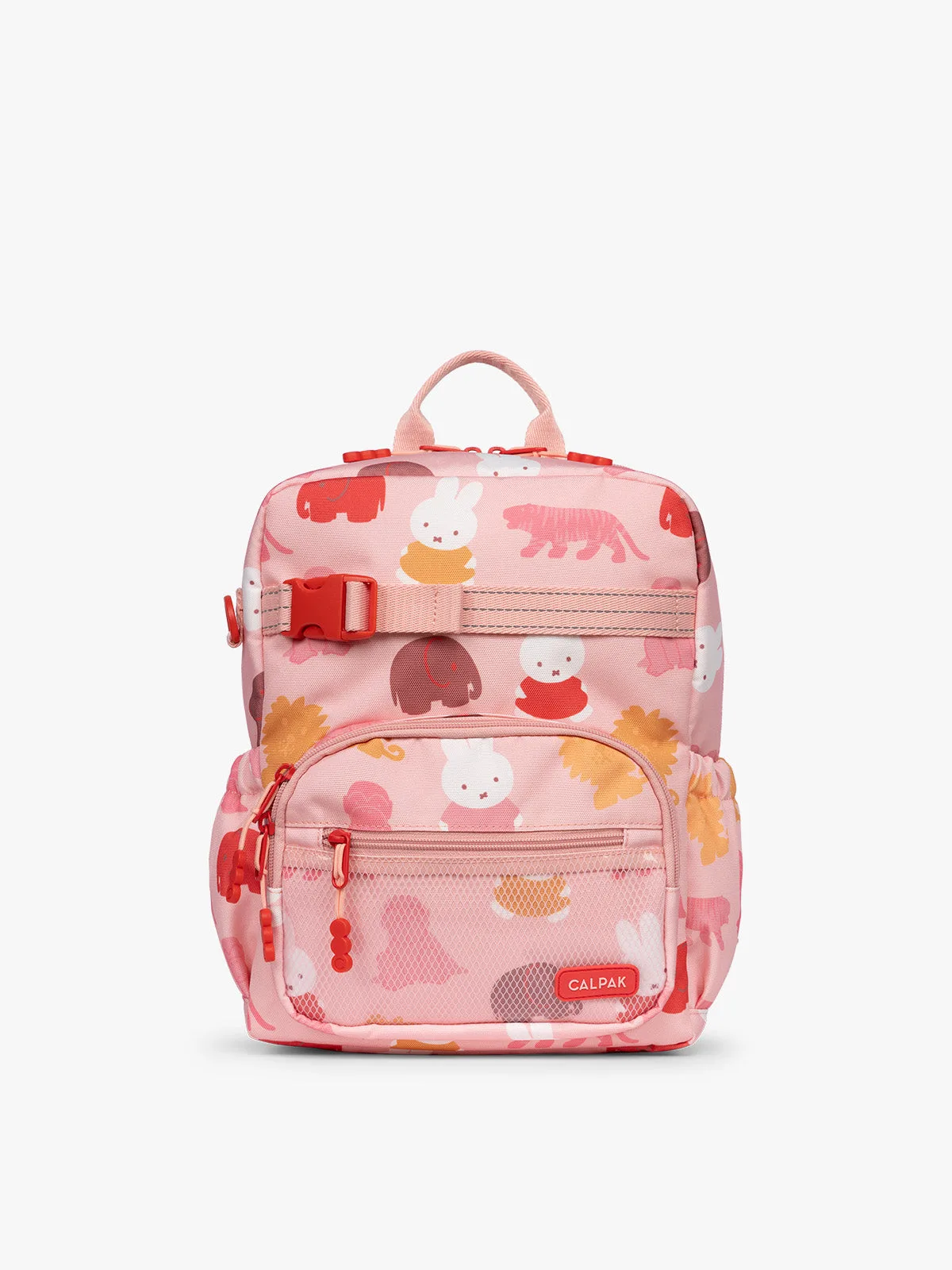
- Miffy Kids School Essentials Bundle with Small Backpack: The Miffy Kids School Essentials Bundle with Small Backpack includes a small backpack, lunch bag, and pencil case, designed for ages 3–5. It is part of the CALPAK + Miffy collection, inspired by Miffy’s day at the zoo. This bundle ensures your child has a coordinated set for school and activities, so you don't have to hunt for a matching lunch bag or pencil case. It's a practical choice for parents who want everything in one purchase.
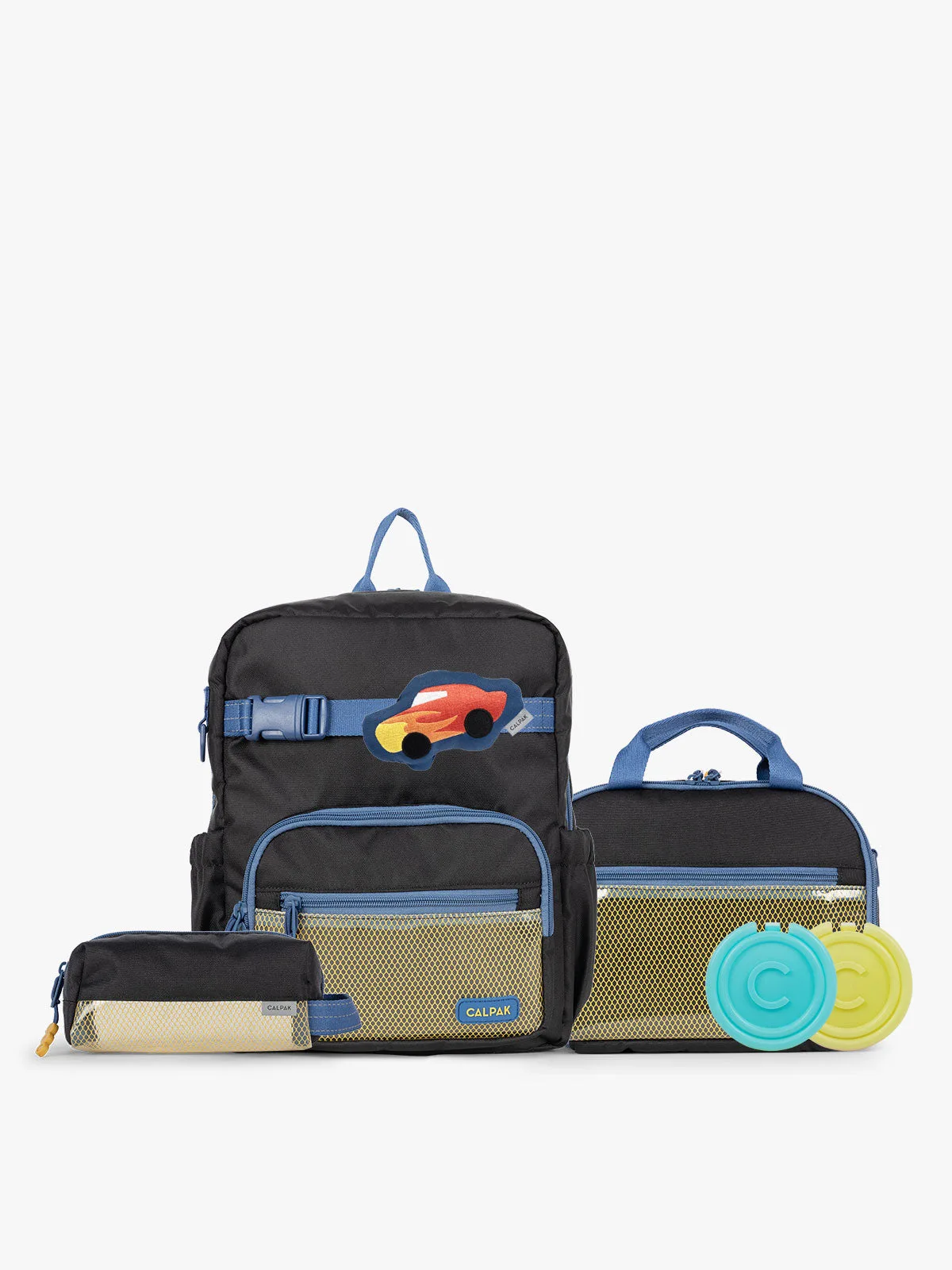
Kids School Essentials Bundle with Small Backpack
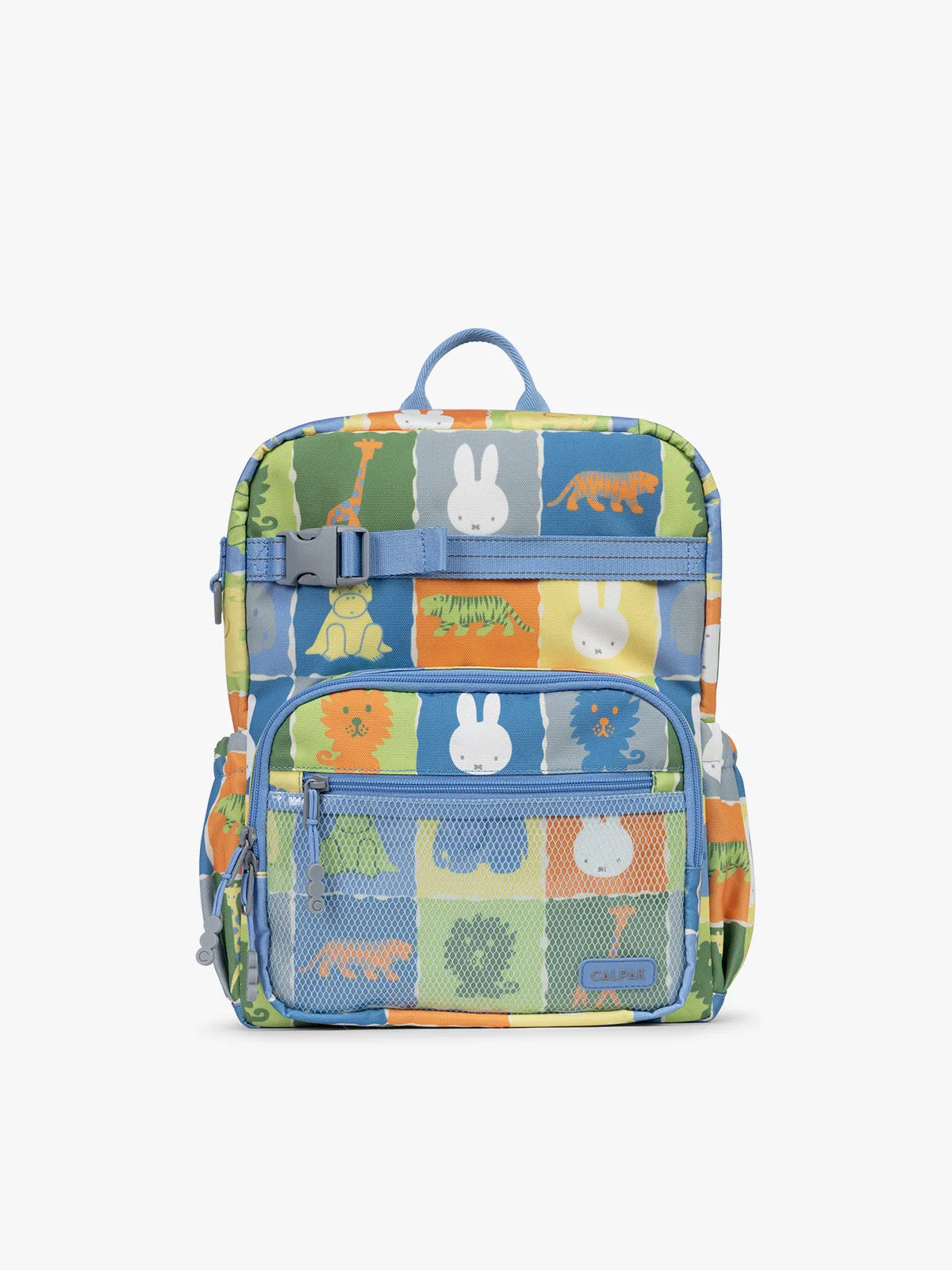
- Miffy Kids Small Backpack: The Miffy Kids Small Backpack is designed for ages 3–5, with a compact yet organized layout that keeps essentials within easy reach. It is lightweight and has padded straps for comfort. For preschoolers, a lightweight backpack with padded straps prevents strain and makes it easy for little ones to carry their own belongings. The organized compartments help teach early independence.
- Miffy Kids Medium Backpack: The Miffy Kids Medium Backpack is designed for ages 5–8 and includes a padded sleeve that fits up to a 14” laptop, along with thoughtful compartments for organization. As kids start bringing tablets or small laptops to school, a padded sleeve protects the device and keeps it separate from lunch and supplies. The medium size balances capacity and ease of carrying for this age group.
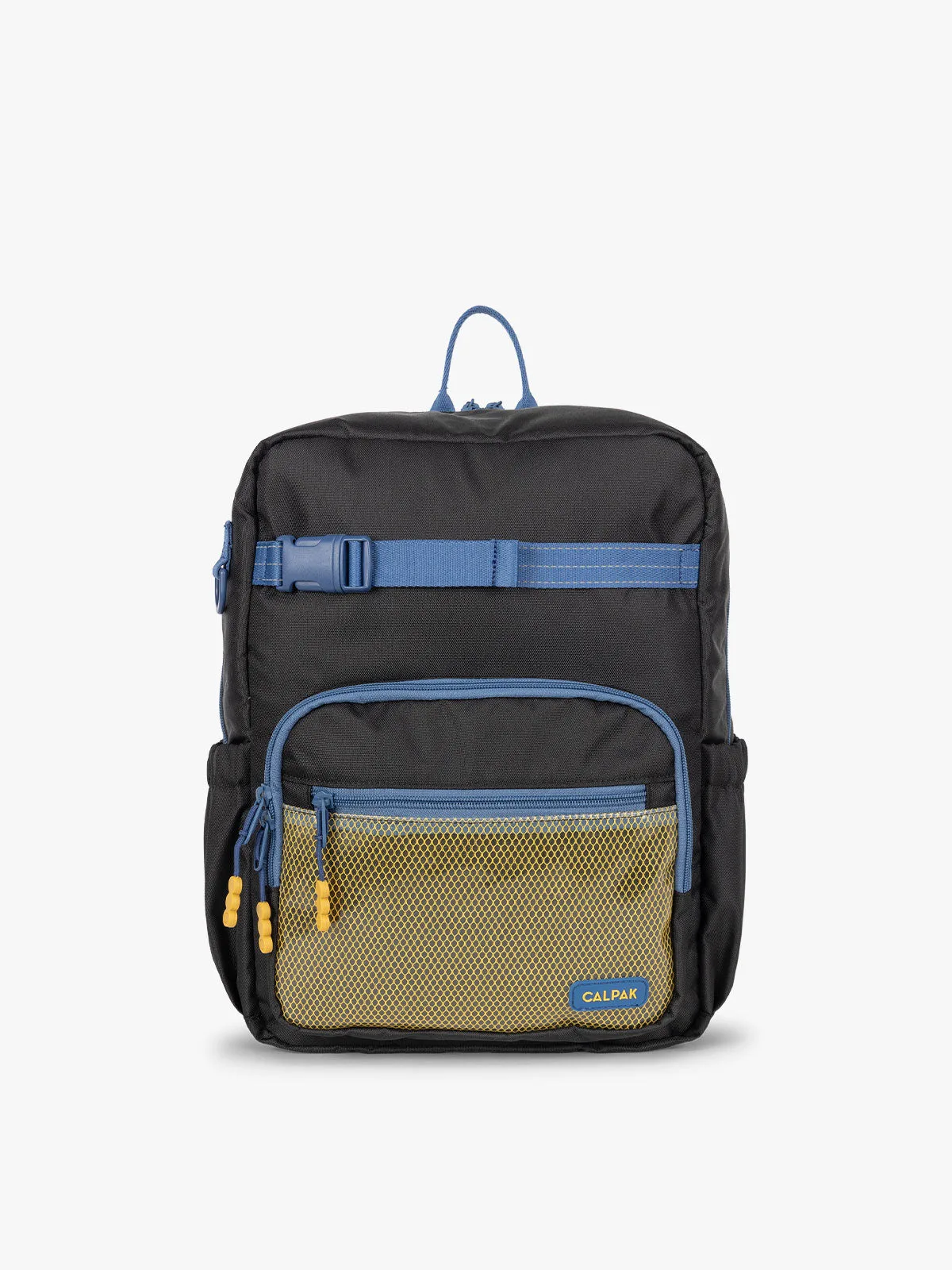
- Miffy Kids Large Backpack: The Miffy Kids Large Backpack is designed for ages 8–12, offering multiple compartments and a padded sleeve that fits up to a 15.6” laptop. It is built for heavier loads and travel. Older kids often carry larger laptops and more books. The large size accommodates these heavier items while keeping them organized, and the padded sleeve protects the device during commutes.
Who Each Size Fits Best
Best For
- Small backpack: preschoolers ages 3–5 who need to carry a lunch bag, a change of clothes, and a small toy or book.
- Medium backpack: elementary kids ages 5–8 who carry school supplies, a tablet, and a packed lunch.
- Large backpack: tweens ages 8–12 who need room for textbooks, a laptop up to 15.6”, and extracurricular gear.
Not For
- A small backpack is not suitable for older kids who need to carry a laptop or heavy textbooks—choose a medium or large instead.
- A large backpack may be too big and heavy for a preschooler, leading to poor fit and discomfort—stick to a small size for ages 3–5.