Quick answer
Choose a leather camera strap when you want a classic look, a broken-in feel, and a neck strap that stays comfortable on long, slow shoots. Pick a paracord strap instead if you shoot in rain, sand, or saltwater and want a strap that flexes and dries fast. Match the strap to the camera's weight and your longest shooting day, not to the camera's price.
Start With the Camera, Not the Strap
The strap has to carry the camera you actually own, not the one you plan to buy. A compact mirrorless body with a small prime lens feels fine on a narrow strap, but the same strap on a full-frame body with a zoom will dig into your neck after an hour. Weigh your heaviest realistic lens-and-body combination, then choose a strap that distributes that weight across more surface area.
- Under about 1 kg (2.2 lb) total: a slim strap or wrist strap is usually enough.
- Around 1–2 kg (2.2–4.4 lb): a wider neck strap with padding earns its keep.
- Over 2 kg (4.4 lb): look for a wide, padded strap and consider a sling carry instead of a neck loop.
Why Camera Strap Width Changes Everything
Camera strap width is the single biggest comfort variable. A narrow strap concentrates the same load on a thin line across your neck or shoulder; a wider strap spreads it out. The trade-off is bulk. Wide straps can feel stiff on a small camera, and they take up more room in a bag. If you carry a light body, a narrower strap keeps the kit compact without much penalty. If you carry heavy glass, width is what keeps you shooting past the first hour.
Leather Strap vs Paracord Strap: Match the Material to the Weather
Leather camera neck straps are the traditional choice. They look good with a camera you plan to keep for years, and quality leather softens with use. The honest trade-off is water. Leather does not like being soaked repeatedly, so if you shoot in rain, on boats, or in coastal spray, plan to dry it and condition it. Paracord straps are the opposite: they are built from cord that flexes but does not break, so they absorb shocks when you are moving over rough ground, and they handle wet conditions without much fuss. Neither is better in every situation — the right answer depends on where you shoot most often.
Hardware, Attachment Points, and Fit
Check how the strap connects to your camera. Metal rings and clips are durable but can rub against the body or scratch a lens hood in a tight bag; nylon webbing and suede lining tend to be gentler. Also confirm the strap is long enough to wear across your body if you want a sling carry, and short enough to keep the camera high on your chest when you want it out of the way. Fit matters more than branding. If a strap is too long, the camera swings; too short, and you cannot raise it to your eye comfortably.
- Measure from your shoulder to the opposite hip for a cross-body sling fit.
- Leave enough slack to lift the camera to eye level without unclipping.
- Check that the attachment hardware does not sit against the camera body when the strap is loaded.
Decision Rules for Buying a Leather Camera Strap
- Choose leather if your shooting is mostly dry and deliberate: Leather suits studio work, portraits, street photography in fair weather, and any camera you want to look good in hand. It softens with use and pairs well with a heavier body. Pick leather when comfort and appearance matter more than weather resistance.
- Choose paracord if weather and movement are part of the plan: Paracord handles rain, grit, and rough terrain without needing much care, and its flex absorbs shocks while you hike or scramble. Pick paracord when your strap will get wet or your camera will bounce.
- Choose a wrist strap if you rarely hang the camera: A wrist strap keeps a light camera or phone in your hand and out of the way, which is often more practical than a neck strap for casual or travel shooting. Match the strap to how you actually carry the camera, not to habit.
- Match width and padding to the load: Wider and padded straps spread weight better but add bulk. Narrow straps keep a small kit compact but concentrate pressure. If your neck hurts after an hour, the strap is too narrow for your setup.
Strap Options Worth Comparing
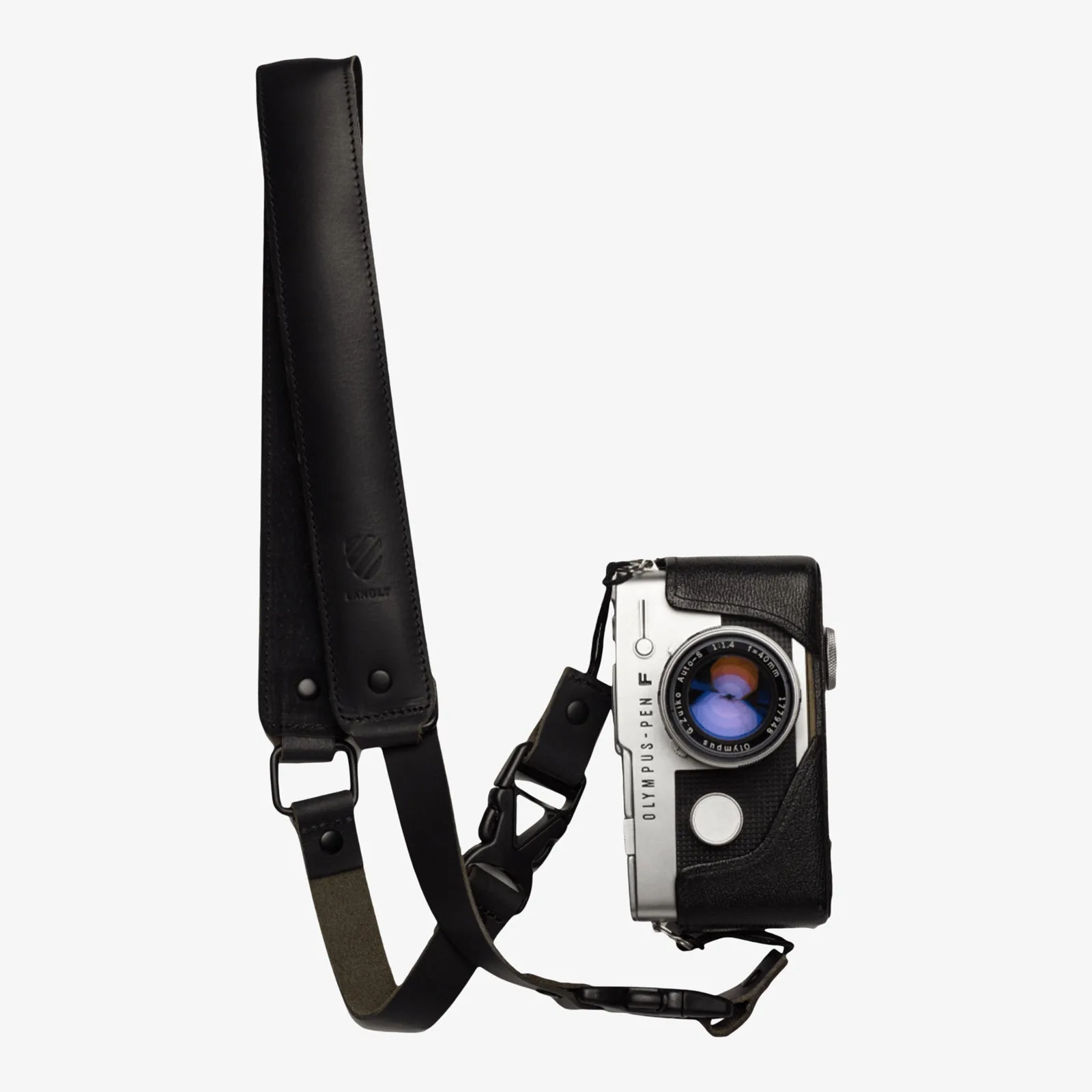
- Leather Camera Strap: Langly's Premium Leather Camera Strap is made from leather and padded with suede, a combination Langly describes as durable and comfortable. If you want a classic leather camera neck strap that feels good on long shoots and ages with use, this is the direct leather option to compare against paracord.
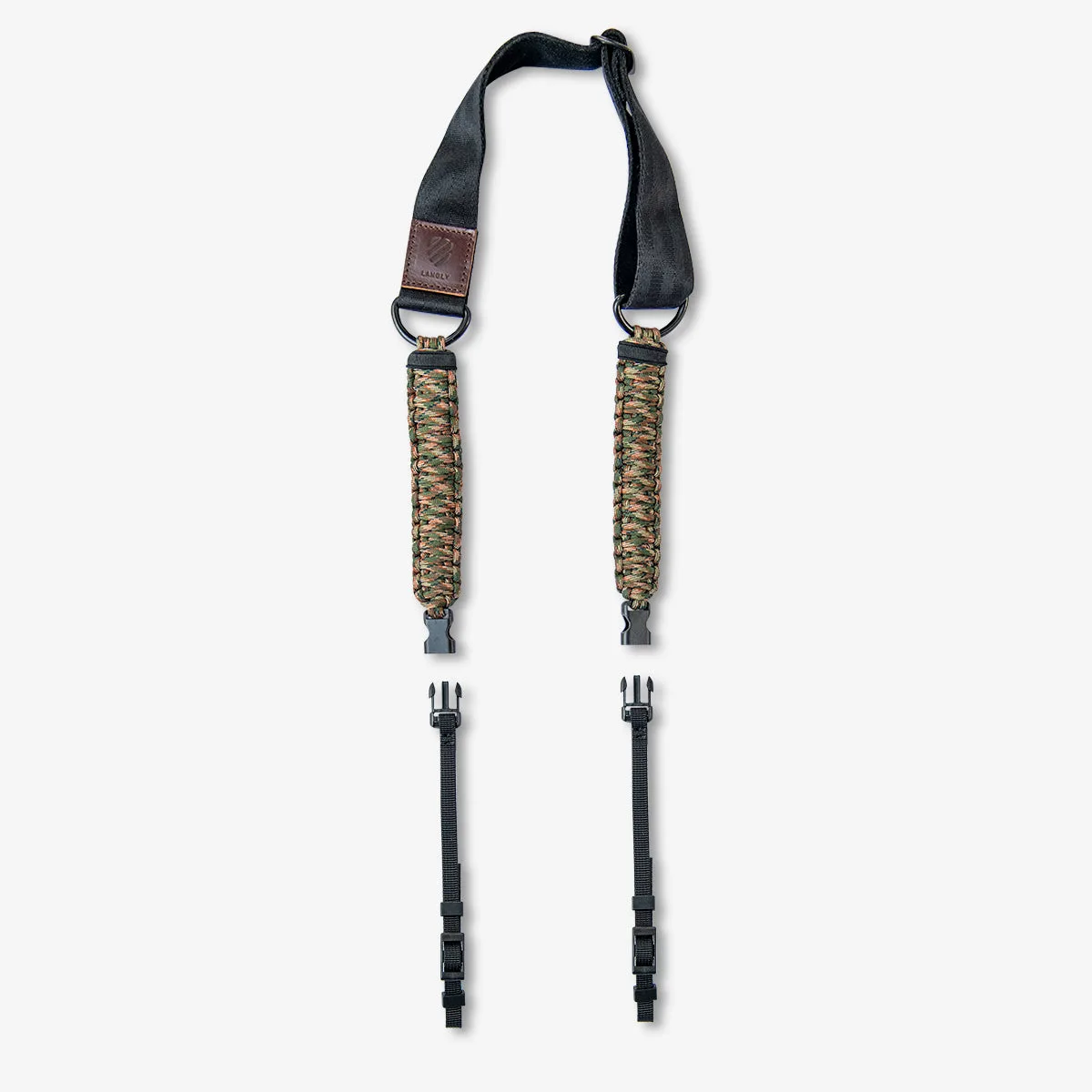
- Paracord Camera Neck Strap: The Paracord Camera Neck Strap uses 550-lb test paracord that flexes but does not break, with nylon webbing and a soft suede lining. Choose this over leather if you shoot in wet or rough terrain and want the strap itself to absorb shocks while you move.
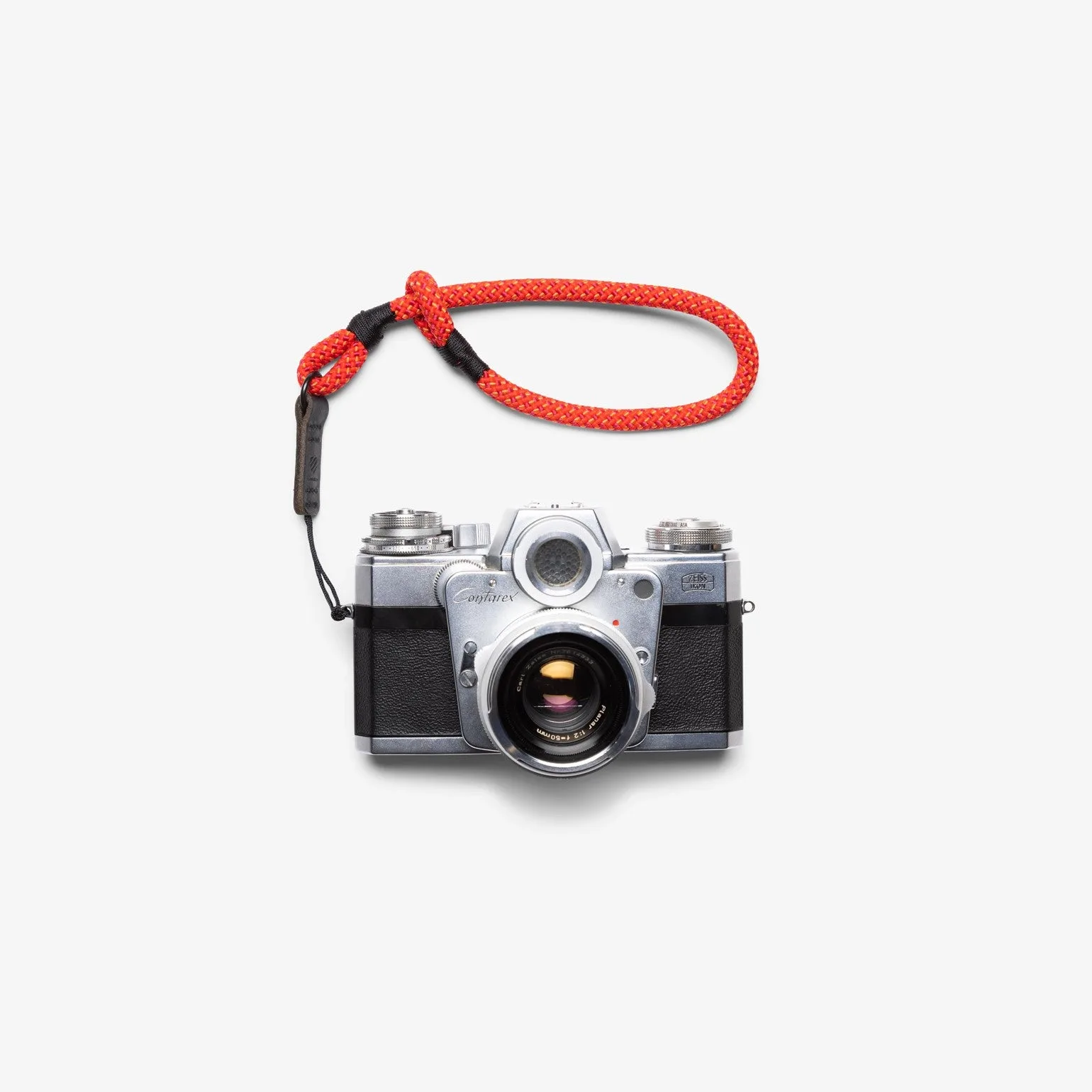
- Camera Wrist Strap: The Langly Camera and Phone Wrist Strap is made from 7mm climbing rope and is designed for phones, Micro Four-Thirds, mirrorless, and point-and-shoot cameras. If you shoot light and want your camera within easy reach instead of hanging from your neck, a wrist strap is the better fit than either neck strap.
Who Should Buy Which Strap
Best for
- Photographers who want a classic leather camera neck strap for dry-weather, long-form shooting
- Shooters with a heavier body and lens who need a wider, padded strap to spread the load
- Travelers and hikers who want a paracord strap that flexes and handles wet conditions
- Casual and mobile shooters who prefer a wrist strap for a light camera or phone
Not for
- Anyone who regularly shoots in heavy rain and wants zero maintenance — choose paracord or another synthetic strap instead
- Photographers carrying very heavy telephoto setups who need a dedicated sling or harness system
- Buyers who want a single strap to do everything — most people end up with two straps for different situations