Quick Answer
When buying a magic trick, focus on three things: the method matches your skill level, the effect suits your performance style, and the quality justifies the price. Use the checklist below to evaluate any trick before you commit.

three things
Shopping for magic tricks is exciting, but it's easy to get carried away by a flashy demo and end up with something you never perform. A smart buyer looks past the marketing and asks practical questions: Will I actually use this? Can I learn it in a reasonable time? Does it fit the way I perform?
This checklist breaks down what to consider before you add a new effect to your collection. Use it whether you're buying your first trick or adding to a professional working set.
Evaluate the Method and Skill Level
The first thing to assess is whether the method matches your current abilities. Some tricks require sleight of hand and hours of practice, while others are self-working and can be performed almost immediately. Be honest about your skill level and the time you're willing to invest.
Look for clear descriptions of the method in the product details. If the trick is 'self-working,' that usually means no complex sleights—just follow the steps. If it requires specific moves, the listing often mentions them. When in doubt, search for reviews or demo videos to gauge the learning curve.

moves
A trick that's too easy might not challenge you, but one that's too difficult may end up in a drawer. The sweet spot is an effect that stretches your abilities just enough to keep you engaged.
- Check the product description for terms like 'self-working' or 'requires practice.'
Consider the Performance Context
Think about where and for whom you'll perform. A close-up trick for friends at a table is very different from a stage piece for a large audience. Card tricks and small props work best in intimate settings, while larger illusions need space and visibility.
Also consider whether the trick requires a special setup or reset. If you're performing walk-around magic, you need effects that reset quickly and can be repeated. If you're doing a formal show, a longer routine with a strong narrative might be better.
The best magic tricks are the ones you actually perform. Choose effects that fit your typical performing environments so they become part of your working repertoire, not just shelf decorations.
- Ask: Can I perform this in the settings where I usually do magic?
Assess Quality and Value
Quality matters, but it doesn't always mean the most expensive option. Look at the materials, the finish, and the overall construction. For downloads, quality is about the clarity of instruction and the practicality of the moves. For physical props, check if they feel durable and if the gimmicks are well-made.
Compare the price to the value you'll get. A trick that costs a bit more but becomes a staple in your act is a better investment than a cheap trick you perform once. Also consider the 'wow factor'—does the effect create a strong emotional reaction?
Don't be swayed by hype or flashy marketing. Read the full description, watch honest reviews, and think about whether the effect aligns with your style. A well-chosen trick that you love to perform is worth more than a dozen impulse buys.
- Read product descriptions carefully for details about materials and method.
Your Magic Trick Decision Rules
- Skill Level Fit: Does the trick match your current skill? If it's self-working, you can perform it immediately. If it requires sleights, are you willing to practice? Choose tricks that challenge you but are not frustratingly difficult.
- Performance Setting: Will you use this in close-up, parlor, or stage settings? Does it require reset or special setup? Pick effects that fit the environments where you actually perform.
- Value vs. Price: Compare the cost to the potential use. A trick you'll perform often is worth more than a cheap one you'll never use. Invest in effects that will become staples in your act.
Examples from the Store
- The Ultimate Collection of Self-Working Card Tricks: 30 powerful card tricks you can learn in minutes. Forget the hard stuff. Some of the strongest card tricks in history require zero skill. You don't need years of practice to perform powerful card tricks. If you're new to card magic or want effects you can perform immediately, this collection offers a high value with a low learning curve. It's a great way to build a repertoire without spending hours on sleights.
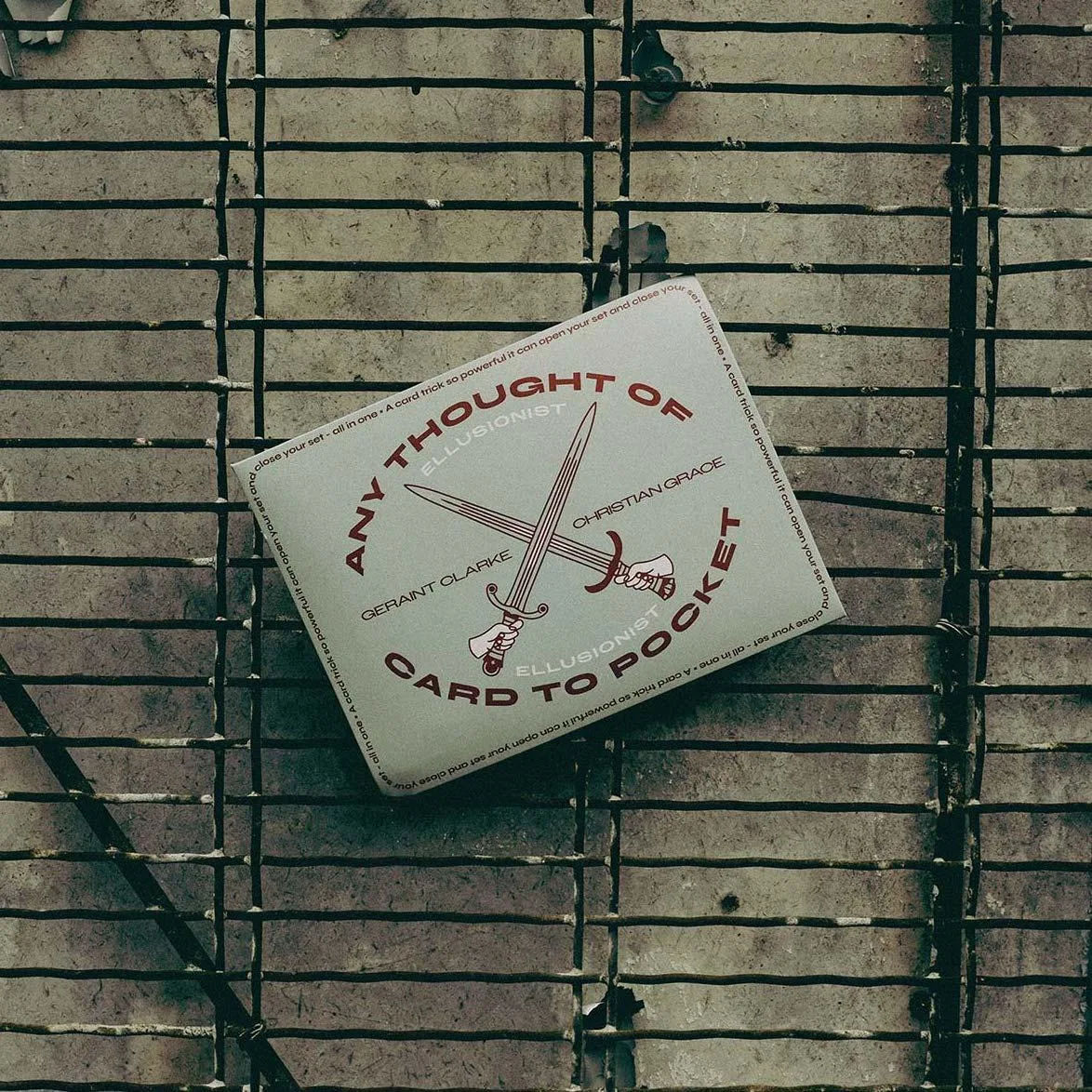
- Any Thought of Card to Pocket: The best card magic you can do is where you don't touch the deck at all. The spectator takes the deck, counts 10 cards, thinks of any one, and you make it vanish from their hands. When they recount they only have 9. This effect is ideal for performers who want a hands-off, spectator-driven miracle. It's perfect for close-up settings and creates a strong moment because the spectator does everything—making the magic feel more real.
- Metamorphosis: Not one, but THREE fiery color changes that are exceptionally useful in real life and MUCH easier than they look. For the price of one, you'll be getting three new moves to work on. If you're looking for versatile moves to add to your card work, this download offers multiple effects in one purchase. It's a good choice for intermediate performers who want to expand their visual arsenal.
Which Magic Trick Should You Choose?
Best for
- Beginners who want immediate results: self-working collections like 'The Ultimate Collection of Self-Working Card Tricks'.
- Performers who want a hands-off, spectator-driven miracle: 'Any Thought of Card to Pocket'.
Not for
- Those who dislike practice: 'Metamorphosis' requires some rehearsal to master the moves.
- Stage performers: card tricks are generally better suited for close-up or intimate settings.
Use this checklist the next time you're browsing for magic tricks. By evaluating skill level, performance context, and value, you'll make smarter purchases and build a collection of effects you'll actually perform. Happy shopping—and happy performing!