Quick Answer
Choose a swim brief that sits flat at the waist, covers the glutes without riding up, and uses a quick-drying, chlorine-tolerant fabric with a full front lining. If you want extra volume or a smoother silhouette under the brief, look for a padded swim brief with hidden padding. Otherwise, prioritize fit and fabric first, then decide on padding.
A swim brief works only when it stays put. The right pair lets you swim, dive, and walk the beach without adjusting, while the wrong pair pulls, chafes, or turns transparent in the water. This men's swim brief guide walks through the features that actually change how a brief performs.
You will see how to check swim brief fit, what fabric and lining to look for, and when a padded swim brief is worth considering. The goal is a simple decision: buy one brief that fits your body and your swim routine, not five that almost work.
Start With Fit, Not Style
Fit decides whether a swim brief stays comfortable for a full session. The waistband should sit flat against your hips without digging in or leaving a gap. The leg openings should hug the top of your thigh, not cut into it. If you can slide two fingers under the waistband, it is likely too loose; if the band leaves red marks after 10 minutes, size up or try a different cut.
Coverage matters too. A brief should cover the glutes fully when you squat or stretch. If the back rides up when you raise your arms, the rise is too short for your torso. For swim brief fit, test these movements before you commit: squat, reach overhead, and rotate your torso. Any pinch or ride-up means the brief will bother you in the water.
- Check the waistband first: flat and snug beats tight and rolled.
- Squat and reach overhead to test rear coverage before buying.
- If you are between sizes, choose the larger size for swim briefs because water reduces friction and a tight band chafes more.
Fabric and Lining: What Keeps a Brief Comfortable
Swim briefs need fabric that handles chlorine, salt, and sun without losing shape. Look for a blend with some elastane for stretch and recovery, and a lining at the front for comfort and opacity. A full front lining also reduces the chance of the fabric clinging or turning see-through when wet. If the product page does not list the lining, treat that as a gap and ask before buying.
Quick-drying matters for beach days and back-to-back swims. A brief that holds water feels heavy and stays damp, which can lead to chafing on the walk home. Mesh or lightweight knit fabrics dry faster, but they may offer less structure. The trade-off is real: more structure often means slower drying, while faster drying often means a thinner feel.
- Look for a front lining; it improves comfort and opacity.
- Rinse swim briefs in cool water after every swim to protect the elastane.
- If a fabric list is missing, do not assume chlorine resistance; ask the seller.
Waistband, Seams, and Hardware
The waistband is the most stressed part of a swim brief. A covered elastic band with flat stitching resists rolling and reduces skin irritation. Exposed stitching or a thin, stiff band can dig in when you sit or bend. Check the inside of the band: soft, smooth finishing is a good sign that it will not rub after a long swim.
Seams should be flat or flatlock to avoid chafing. Drawstrings, if present, should be flat and sit inside the waistband so they do not create pressure points. Metal hardware is uncommon on briefs, but if you see it, make sure it is rust-resistant. Any hardware that is not specifically described as corrosion-resistant is a risk in chlorinated water.
- Choose flat seams and a covered waistband for less chafing.
- Avoid drawstrings that knot bulky; flat, low-profile cords sit better.
- Rinse and air-dry to keep elastic and stitching from breaking down.
When a Padded Swim Brief Makes Sense
A padded swim brief adds volume and definition through hidden padding, which can be useful if you want a fuller silhouette under swimwear or clothing. It is a personal choice, not a performance requirement. If you are swimming laps, padding adds a layer that may feel warmer and take longer to dry. If you are at the beach or a pool party and want a smoother look, padding can be the main reason to choose that brief.
The key is to treat padding as a feature with trade-offs. It should be undetectable from the outside, permanent, and positioned so it does not shift when you move. If the product does not explain how the padding is secured, ask. A padded brief that bunches or slides will be less comfortable than a simple lined brief.
- Choose padding for silhouette, not for swimming performance.
- Ask how the padding is secured if the product page does not say.
- For lap swimming, a non-padded brief with a full lining is usually the simpler choice.
How to Choose Swim Brief: A Simple Order of Decisions
First, decide your primary use: laps, leisure, or both. Lap swimming rewards a snug, low-profile brief with a secure waistband and quick-drying fabric. Leisure swimming and beach days allow more flexibility, including padded options or brighter prints. Second, confirm your size using the brand's chart and your hip measurement, not your pants size. Third, check the lining and seam construction. Fourth, decide whether padding is worth the extra layer.
If you cannot try the brief on, buy from a seller with a clear return policy and start with one pair. Wear it for a short swim first, then a longer session. That two-step test reveals whether the waistband rolls, the legs ride up, or the fabric stays comfortable when wet. It is a small investment of time that prevents a drawer full of unwearable briefs.
- Measure your hips and waist, then match to the brand chart.
- Buy one pair first and test it in a short swim.
- Return or size up if the waistband rolls or the legs cut in.
Decision Rules for Buying a Men's Swim Brief
- If you swim laps regularly: Choose a non-padded brief with a full front lining, flat seams, and a covered waistband. Prioritize chlorine-tolerant fabric and a snug fit that does not roll. Performance first: skip padding and focus on fit and fabric.
- If you want a fuller silhouette: Look for a padded swim brief or a package-enhancing brief with permanent padding. Confirm the padding is hidden and secured so it does not shift. Choose padding for appearance, and accept the extra layer and slower drying.
- If you are between sizes: Size up for swim briefs. A waistband that is slightly loose can be adjusted with the drawstring if present, but a band that is too tight will chafe and leave marks. Comfort beats a compressive fit in the water.
- If the product page is vague: Ask about lining, fabric content, and how padding is attached before you buy. Missing details are a real limitation, not a reason to guess. No lining or fabric info means higher risk; get answers first.
Product Facts That Show the Trade-Offs
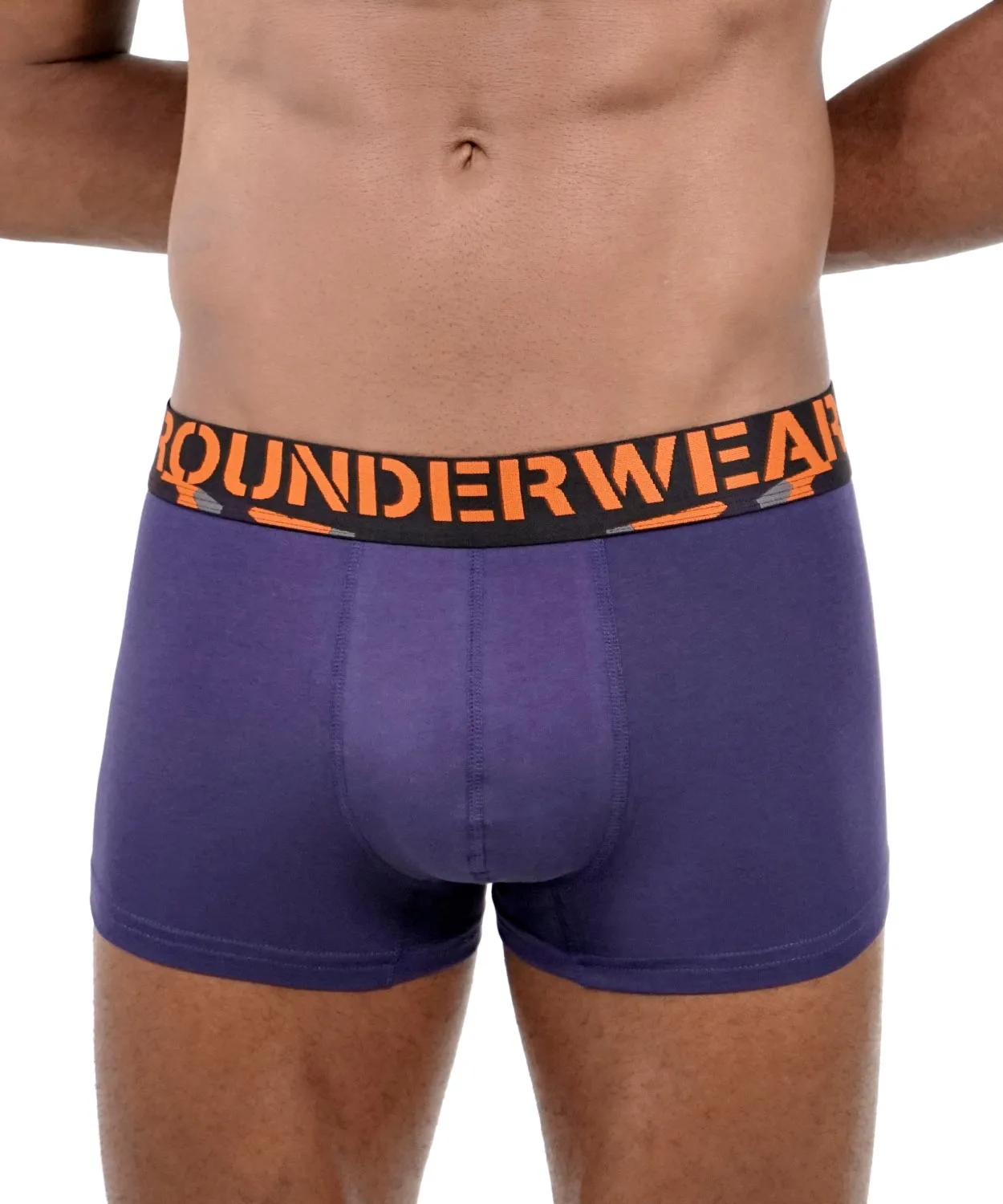
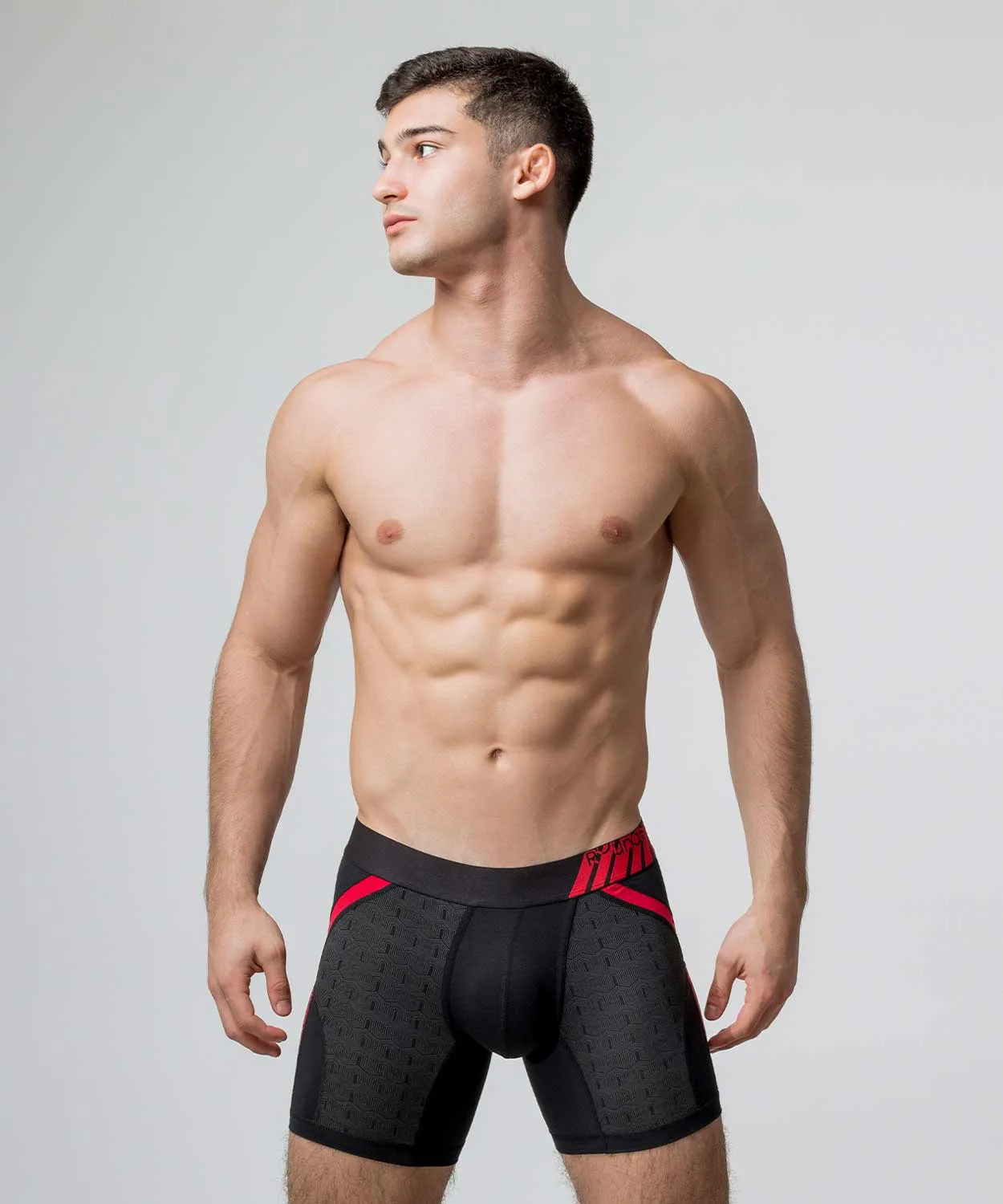
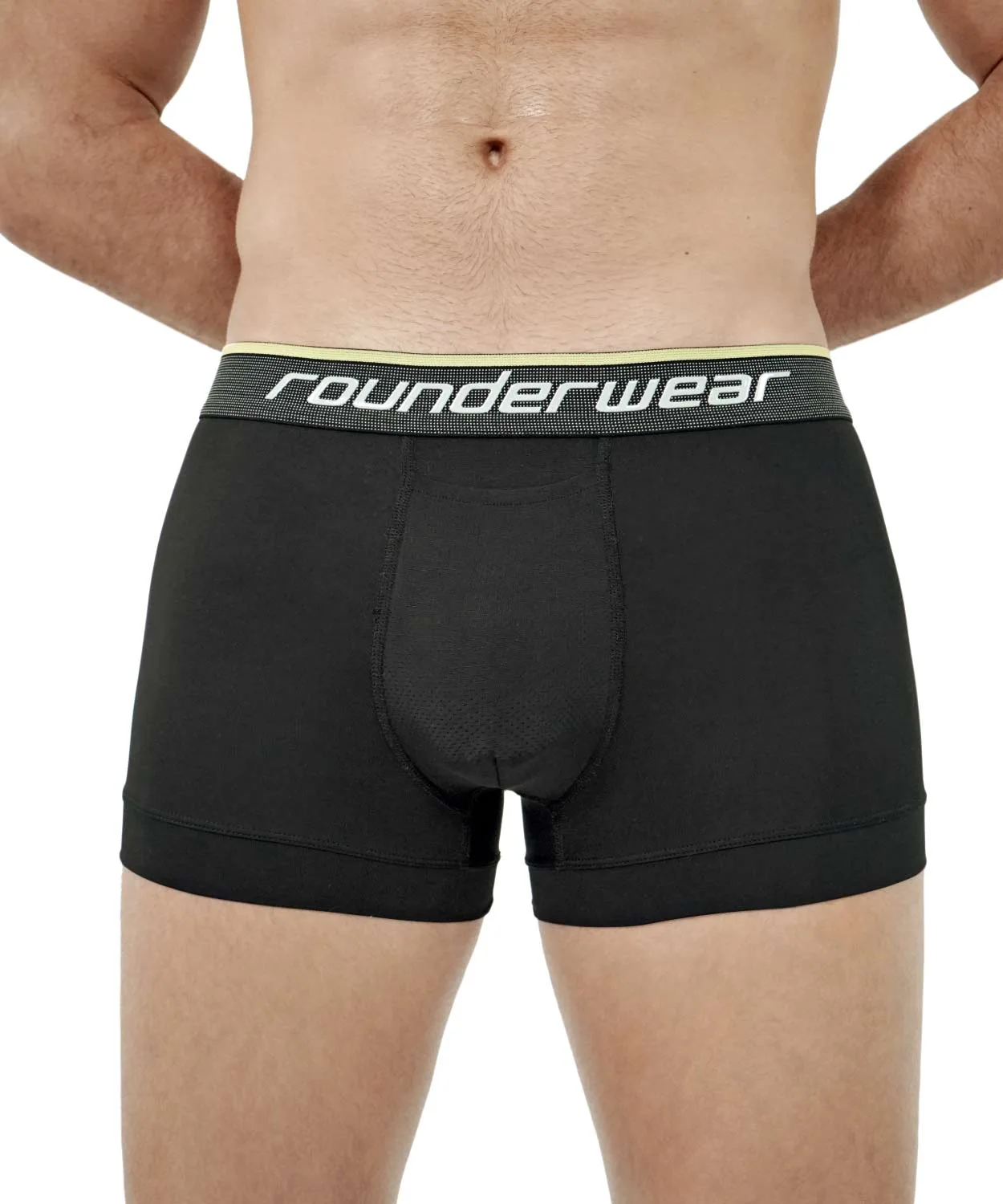
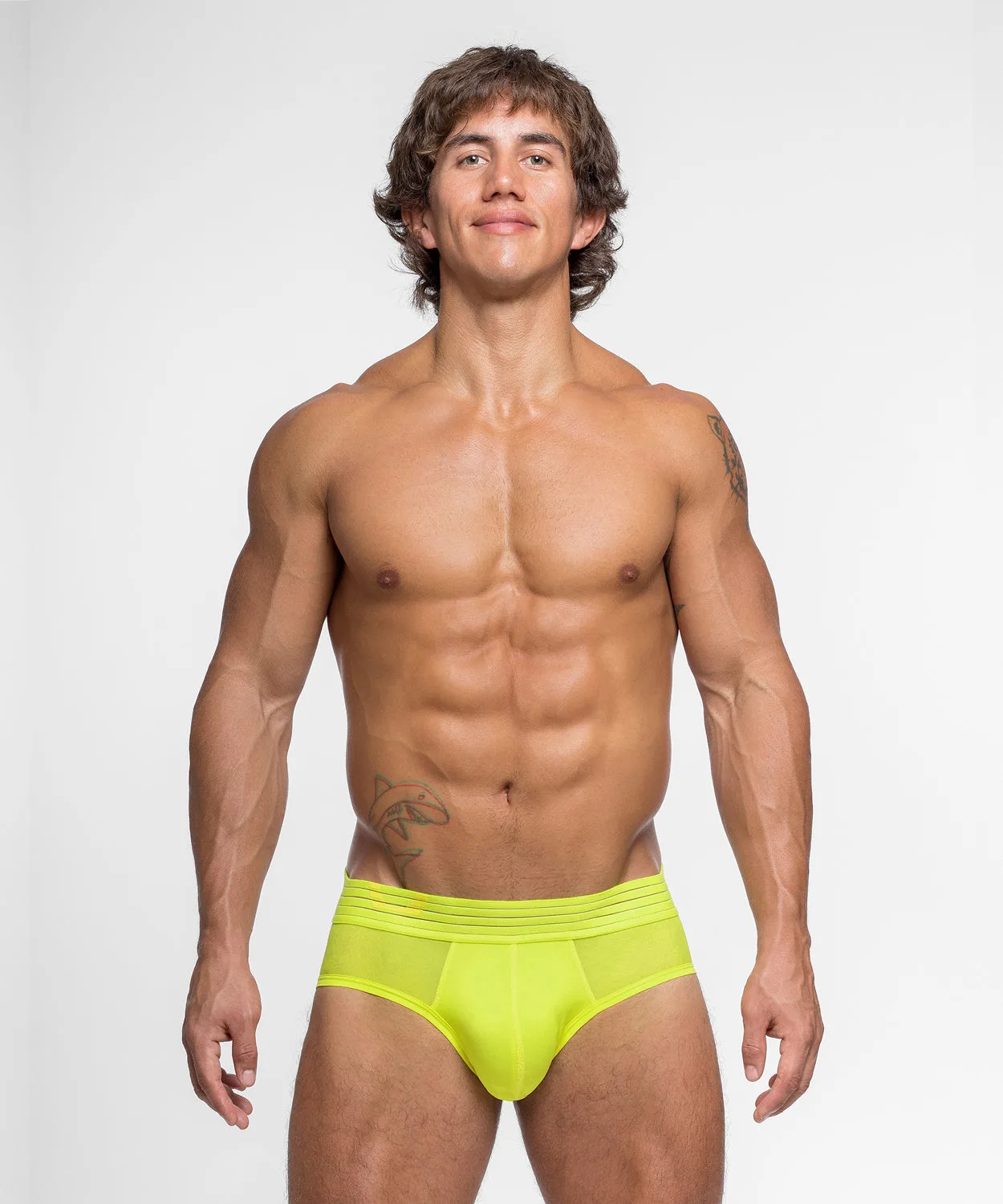
- ARMY Padded Brief: Features hidden padding that provides instant volume and definition, with a camouflage design inspired by military style. If you want a fuller silhouette without a separate enhancer, this brief builds padding into the underwear. The trade-off is that padding adds a layer, so it is better for leisure or everyday wear than for long lap sessions.
- O-Line Package Brief: Uses PACKAGE TECH with a smart package pouch, permanent neoprene padding, no visible penis lines, and an undetectable look. This is a strong choice if you want enhancement that stays hidden under clothing. The permanent padding means no inserts to lose, but it also means the brief is not a minimalist swim piece.
- SEXY SUMMER NIGHTS Package Brief: Made from ultra-light mesh that is breathable and cool, with PACKAGE TECH for natural enhancement and a double-layer design. Mesh dries fast and feels light in heat, which suits summer swims. The double-layer design helps with opacity, but mesh still needs a careful fit check because it stretches more than solid knits.
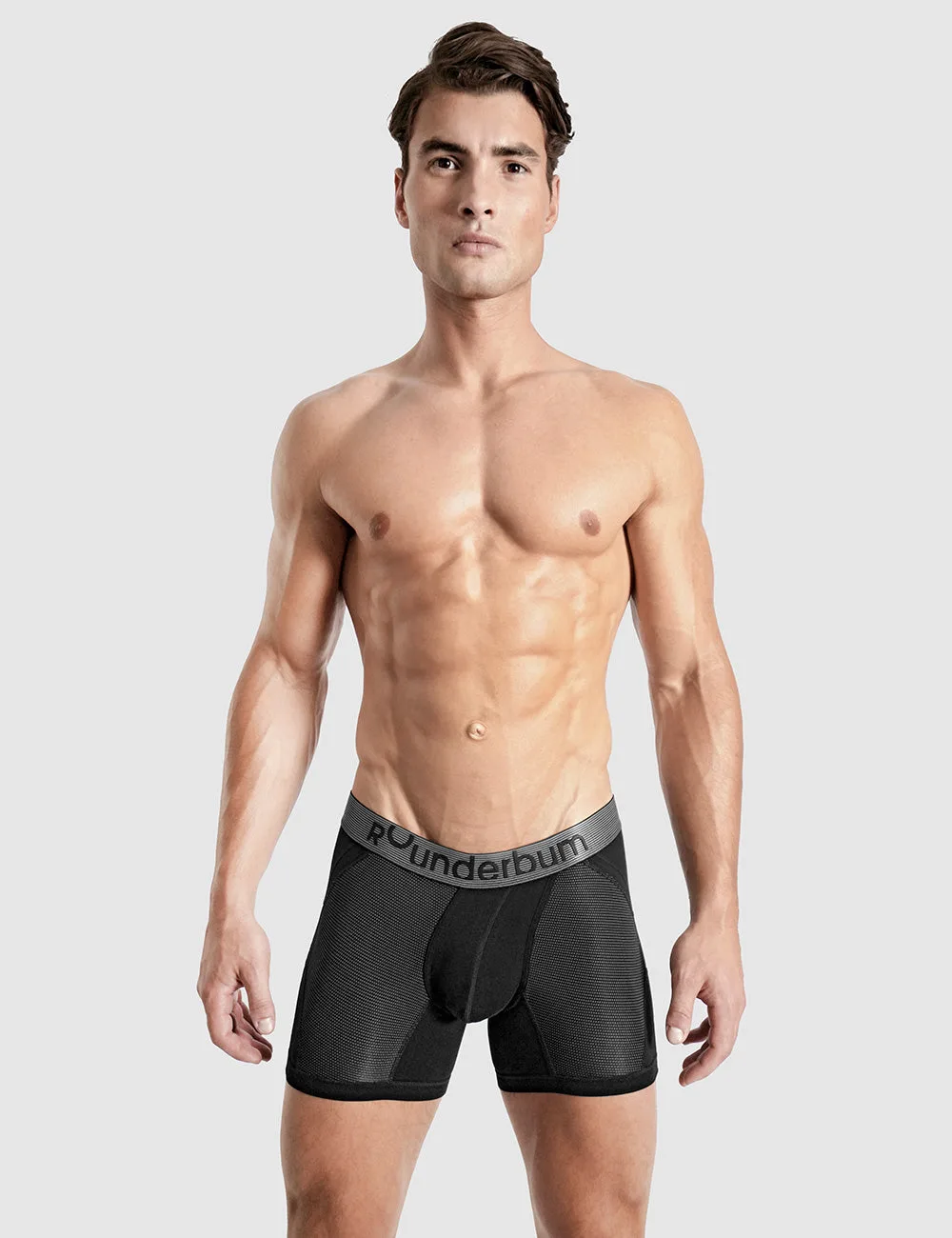
- RACING TEAM Anatomic Boxer Brief: Anatomic patented design with a sideways pouch, a longer inseam, and a back V-shaped waistband that defines the glutes. If you prefer more coverage than a brief but still want support, this boxer brief shows how pouch and waistband design change fit. It is not a swim brief, but it is a useful comparison for how support systems differ.
Who Should Choose a Swim Brief (and Who Should Not)
Best for
- Swimmers who want minimal coverage and maximum freedom of movement
- Beachgoers who want a quick-drying brief that stays put in the water
- Anyone who wants hidden enhancement or padding in a swim or underwear brief
Not for
- Swimmers who prefer more coverage around the thigh and choose a trunk or boxer brief
- People who dislike the feel of a snug waistband or minimal rear coverage
- Lap swimmers who want the fastest-drying, lowest-profile option and do not need padding
A good men's swim brief comes down to fit, lining, and fabric, then padding only if you want it. Measure your hips, check the waistband and seams, and test one pair before buying more. That order keeps you comfortable in the water and confident out of it.