Quick Answer
For a paraben-free anti-aging moisturizer, prioritize a formula with proven humectants like hyaluronic acid, antioxidants such as vitamin C or E, and a texture that suits your skin type. Look for a product that explicitly states 'paraben-free' and check the ingredient list for common parabens like methylparaben or propylparaben.
When you're shopping for a moisturizer that targets fine lines and wrinkles, the 'paraben-free' claim is a good starting point, but it's not the whole story. Parabens are preservatives used to prevent microbial growth, and while they are effective, some people prefer to avoid them due to concerns about skin sensitivity or environmental impact. A paraben-free formula can be just as effective—if you know what to look for in its place.
This guide breaks down the key considerations for choosing a paraben-free anti-aging moisturizer: which ingredients actually address aging, how to match a product to your skin type, and what trade-offs you might encounter. We'll also highlight a couple of products from our store that fit the criteria, so you can see these principles in action.
Key Ingredients for Anti-Aging Moisturizers
The most effective anti-aging moisturizers combine humectants to draw water into the skin, emollients to smooth the surface, and occlusives to lock in moisture. Hyaluronic acid is a star humectant because it can hold many times its weight in water, plumping the skin and softening the appearance of fine lines. Look for it in the ingredient list, often listed as 'sodium hyaluronate' or 'hyaluronic acid.'
Antioxidants like vitamin C and vitamin E help defend the skin against environmental stressors that accelerate aging. Vitamin C also supports collagen production and can brighten dark spots, while vitamin E is a nourishing moisturizer that helps reinforce the skin barrier. A moisturizer that pairs these antioxidants with hyaluronic acid can address both hydration and visible signs of aging.
Other beneficial ingredients include peptides, which signal the skin to produce more collagen, and ceramides, which help restore the skin barrier. However, avoid overloading your routine with too many actives if you have sensitive skin. Start with a simple formula and introduce new products gradually.
- Check the ingredient list for hyaluronic acid, vitamin C, vitamin E, or peptides.
- If you have dry skin, look for richer emollients like shea butter or squalane.
- For oily or combination skin, a lightweight gel or lotion may be more comfortable.
Understanding Paraben-Free Claims
A 'paraben-free' label means the product does not contain parabens, but it doesn't automatically mean the formula is better or safer. Parabens are effective preservatives, and their absence requires alternative preservation systems, which can sometimes be more irritating or less stable. Look for products that use other safe preservatives like phenoxyethanol, ethylhexylglycerin, or potassium sorbate.
Also, be aware that 'paraben-free' is not a regulated term in all regions, so it's wise to scan the full ingredient list for any ingredient ending in '-paraben' (e.g., butylparaben, isobutylparaben). If you have sensitive skin, patch-test a new moisturizer on your inner arm for a few days before applying it to your face.
Finally, consider the overall formulation. A paraben-free moisturizer that is packed with beneficial ingredients and feels good on your skin is a better choice than one that simply checks the 'paraben-free' box but lacks anti-aging actives.
Matching Moisturizer to Skin Type
Your skin type plays a big role in how a moisturizer feels and performs. Dry and mature skin often needs a richer, more emollient formula to prevent water loss and keep the skin supple. Look for creams with ingredients like shea butter, ceramides, or oils. If your skin is oily or acne-prone, a lightweight, non-comedogenic gel or lotion is usually better, as heavy creams can clog pores.
For combination skin, you might need to apply a lighter moisturizer to the T-zone and a richer one to the cheeks. Alternatively, a medium-weight lotion can work for the whole face. The right texture also depends on the season: you may need a heavier moisturizer in winter and a lighter one in summer.
If you are using other anti-aging actives like retinol or vitamin C serum, your moisturizer should complement them. For example, if your serum is water-based, a moisturizer with a bit of oil can help seal it in. If your serum is oil-based, a water-based moisturizer might be better to avoid pilling.
Trade-offs and Practical Considerations
Paraben-free moisturizers sometimes have a shorter shelf life after opening, so pay attention to the PAO (period after opening) symbol. To extend freshness, store the product away from direct sunlight and heat. If you notice a change in smell or texture, it's time to replace it.
Another trade-off is that some natural preservative systems can be less effective against certain microbes, but reputable brands test their formulas to ensure safety. Don't compromise on preservation: a moisturizer that goes bad quickly is not a good investment.
Price is also a factor. Paraben-free doesn't automatically mean premium pricing. You can find affordable options that deliver good results. Focus on the ingredient list and how the product feels on your skin rather than the price tag alone.
Decision Rules for Choosing a Paraben-Free Anti-Aging Moisturizer
- Check the active ingredients: Look for hyaluronic acid, vitamin C, vitamin E, peptides, or ceramides. These address hydration, collagen support, and barrier repair. If the first few ingredients are mostly water and oils with no actives, it may not deliver visible anti-aging benefits.
- Match texture to skin type: Dry skin needs a richer cream; oily or acne-prone skin does better with a lightweight gel or lotion. Consider seasonal changes. A moisturizer that feels comfortable is one you'll use consistently.
- Verify the paraben-free claim: Scan the ingredient list for any '-paraben' ingredients. Look for alternative preservatives like phenoxyethanol or ethylhexylglycerin. If the list is unclear, contact the brand or choose a product with full ingredient transparency.
Products That Fit the Criteria
- Cosmedica Skincare Vitamin C Serum for Face with Hyaluronic Acid – Anti Aging Serum for Dark Spots, Fine Lines, Wrinkles – Hydrating Collagen Booster for Women & Men: This serum combines three stabilized forms of Vitamin C and multi-molecular Hyaluronic Acid to target fine lines, wrinkles, dark spots, and uneven skin tone. The antioxidant-rich formula helps defend against free radicals and environmental stressors. While it's a serum rather than a moisturizer, it can be layered under your paraben-free moisturizer to boost anti-aging benefits. The hyaluronic acid provides hydration, and the vitamin C helps brighten and support collagen.
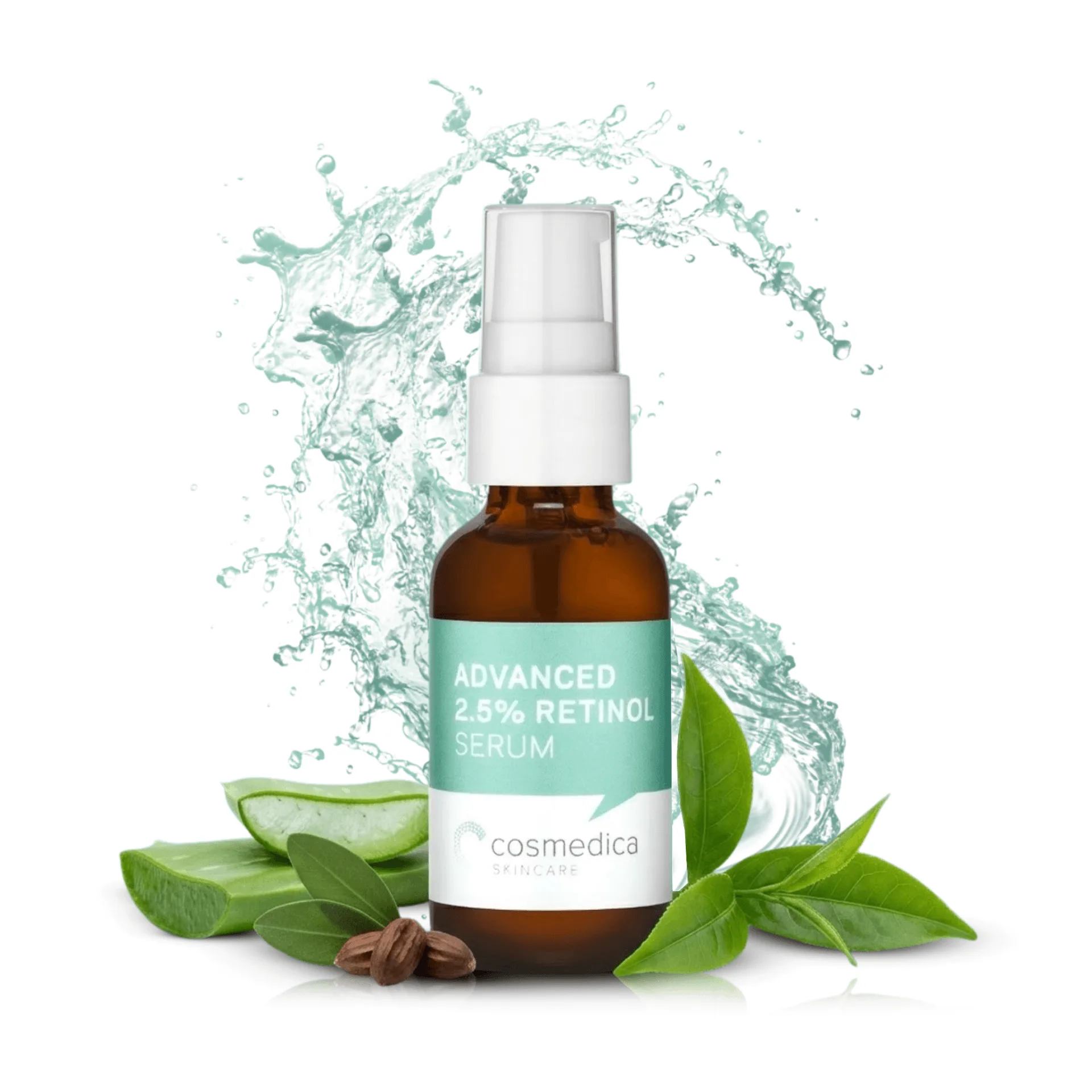
- Cosmedica Skincare Retinol Serum 2.5% | Hydrating Vitamin A Serum with Green Tea Hyaluronic Acid Vitamin E | Non-Irritating Serum for Sensitive Skin Oily Skin | 1oz: This advanced retinol serum contains 2.5% retinol to promote healthy skin cell turnover, helping to diminish acne scars, discoloration, and sun damage. It also includes green tea, hyaluronic acid, and vitamin E for hydration and soothing. Retinol is a gold-standard anti-aging ingredient, but it can be drying. Pairing it with a hydrating, paraben-free moisturizer can help maintain the skin barrier and reduce irritation. The vitamin E in this serum adds extra nourishment.
Who Should Choose What
Best for
- Anyone with dry or mature skin seeking a paraben-free moisturizer with hyaluronic acid and antioxidants to plump and protect.
- People who want to layer a vitamin C or retinol serum under a simple, hydrating moisturizer without conflicting ingredients.
Not for
- If you have very oily, acne-prone skin, a rich cream might feel heavy; choose a lightweight gel or lotion instead.
- If you are pregnant or nursing, retinol products are not recommended; opt for a moisturizer with peptides or hyaluronic acid.
Finding the right paraben-free anti-aging moisturizer comes down to reading labels, knowing your skin type, and choosing a formula with proven hydrating and antioxidant ingredients. Start with a product that feels good and fits your routine, and remember that consistency matters more than any single ingredient. If you're also using serums like vitamin C or retinol, a simple moisturizer can help lock in those benefits without irritation.