Quick answer
Choose a play therapy doll that is soft enough for comfort, durable enough for repeated sessions, and simple enough for a child to project their own story onto. For most therapists, a mid-size doll (12–16 inches) with minimal fixed features works best. If you need a doll that invites nurturing or fantasy play, consider the Spring Fairy Puppet; for structured group work with teens, the Bingo Games for Teens Series Set of 10 offers a different but complementary tool.
Size and portability: matching the doll to your space
The doll’s size affects how children handle it and where you can use it. A doll that is too large may overwhelm a small child or be difficult to store; one that is too small can be a choking hazard for children under three or get lost in a busy playroom. For individual sessions in a standard office, a doll between 12 and 16 inches tall strikes a balance: it is large enough for children to dress, hold, and position in a sand tray or dollhouse, yet small enough to fit in a bin or bag. If you travel between schools or clinics, prioritize a doll that lies flat or fits in a carry case. For group sessions, you may need several dolls of similar size so children do not fight over the 'best' one.
- Measure your storage space before buying; a 14-inch doll fits most standard shelves.
- Check if the doll can sit unassisted—this matters for tabletop play.
- For sand tray work, choose a doll that is easy to clean and won’t shed fibers.
Materials and durability: what survives repeated sessions
Therapists need dolls that withstand frequent handling, occasional drops, and cleaning. Soft-bodied dolls with removable clothing are easier to launder, but they may not hold up to rough play. Plastic or vinyl dolls are wipeable and durable, but they can feel cold and less huggable. A good compromise is a doll with a soft body and plastic head and limbs, or a puppet with a sturdy fabric body. Check seams and joints—reinforced stitching and securely attached parts reduce the risk of small pieces coming loose. If you work with children who mouth toys, avoid dolls with small removable accessories. Also consider whether the doll’s clothing can be washed or replaced; fixed costumes may limit hygiene over time.
- Look for dolls labeled as surface washable or machine washable (if clothing is removable).
- Avoid dolls with glued-on hair or accessories that can be pulled off.
- Test the doll’s weight—a heavier doll may be harder for young children to manipulate.
Role-play flexibility: simple faces and open-ended design
The most versatile therapeutic dolls have neutral or friendly expressions and minimal fixed details. A doll with a permanent sad or angry face limits the child’s ability to project different feelings onto it. Similarly, a doll with a highly specific costume (e.g., a doctor or police officer) may steer play in one direction. Instead, choose dolls with removable or interchangeable clothing, or those that are simple enough to represent multiple characters. Puppets can be especially useful because the child can animate them and change their voice, which adds a layer of distance and safety. When evaluating a doll, ask: can this doll be a mother, a child, a monster, or a friend? If the answer is yes, it is likely a good fit.
- Dolls with closed mouths and simple eyes are easier to project onto.
- Removable clothing allows the child to change the doll’s identity and role.
- Puppets offer an extra layer of projection because the child controls the movement.
Safety and age appropriateness: matching the doll to the child
Always check the manufacturer’s age recommendation. Dolls with small parts (buttons, eyes, accessories) are not suitable for children under three due to choking hazards. For children who tend to mouth toys, choose a doll with embroidered or painted features rather than loose parts. Also consider the child’s sensory preferences: some children prefer soft, plush dolls, while others are drawn to smooth plastic. If you work with children who have allergies, check for hypoallergenic materials and avoid dolls with real hair or fur. Finally, ensure the doll is free of sharp edges or wires that could poke through fabric.
- For under-threes, choose a doll with no removable parts and embroidered features.
- For children with allergies, look for dolls labeled hypoallergenic or made from synthetic materials.
- Inspect the doll for loose joints or exposed wires before each session.
Decision rules for choosing a play therapy doll
- If you work with children under 5: Prioritize safety: choose a doll with no removable parts, embroidered features, and a soft body. Avoid dolls with small accessories or button eyes. Safety first; check age labels.
- If you need a doll for multiple children or groups: Choose a durable, wipeable doll that can be cleaned between sessions. Consider buying two identical dolls to reduce conflict. Durability and hygiene matter.
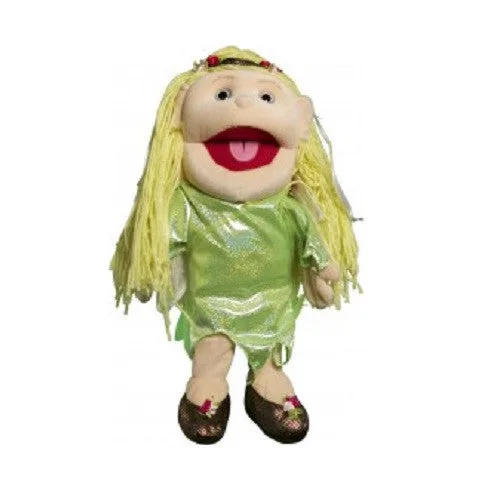
- If you want to explore nurturing or fantasy play: A doll with a friendly face and simple clothing, like the Spring Fairy Puppet, can invite caregiving and magical stories. Its 14-inch size is easy to handle. Match the doll’s theme to the child’s needs.
- If you work with teens: Dolls may not engage adolescents. Instead, use structured activities like the Bingo Games for Teens Series Set of 10 to open discussion on real-life issues. Consider alternative tools for older clients.
Product facts
- Spring Fairy Puppet: This fun Spring Fairy has a friendly face and is ready to play. She measures approximately 14 inches tall and is wearing a green sparkly dress and a crown of flowers. The 14-inch size fits most therapy spaces, and the friendly face supports projection. The fixed costume may limit role-play flexibility, but it works well for fantasy or nurturing themes.
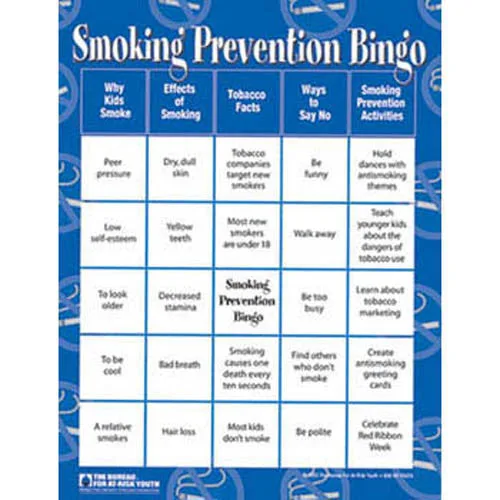
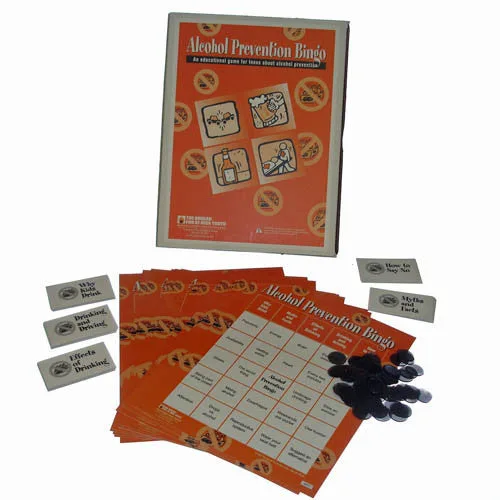
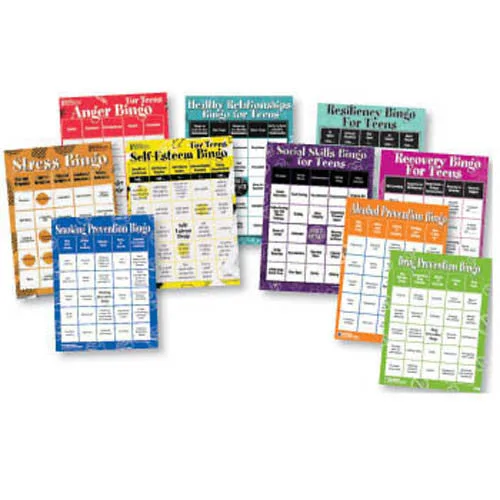
- Bingo Games for Teens Series Set of 10: Ages: 12-18. Explore issues of importance to teens using this fun-filled format. From alcohol prevention to building healthy relationships, these games help open discussion, build skills, and help teens evaluate their attitudes and behaviors. Set includes one each of the following: Drug Prevention Bingo Game, Smoking Prevention Bingo Game, Alcohol Prevention Bingo Game, Anger Bingo Game for Teens, Recovery Bingo Game for... For adolescent groups, this set provides structured prompts on sensitive topics. It is not a doll, but it complements doll-based play by offering a different modality for teens who may resist doll play.
Who should buy which doll
Best for
- Therapists who need a versatile, mid-size doll for individual sessions with young children
- Parents or counselors looking for a durable, easy-to-clean doll for play therapy at home
- Professionals who want a doll that can be used in sand tray, dollhouse, or role-play scenarios
Not for
- Therapists working primarily with teens who prefer structured games over doll play
- Children under 3 who still mouth toys (unless the doll has no small parts)
- Settings where storage space is extremely limited and a smaller doll is needed