Quick Answer
The best reusable water bottle for you balances material durability, weight, and eco impact. Stainless steel offers the best all-around durability and insulation, while glass provides pure taste but is heavier and more fragile. Consider your daily routine and prioritize plastic-free materials to minimize environmental impact.
Choosing a reusable water bottle is more than picking a color. The material affects durability, weight, taste, and how much environmental impact your daily hydration has. Whether you're commuting, hiking, or at your desk, the right bottle should fit your routine and last for years.
This guide breaks down the key factors—material, durability, and eco impact—so you can make an informed choice. We'll compare stainless steel and glass, highlight what to look for in a plastic-free bottle, and give you clear decision rules to match your lifestyle.
Materials: Stainless Steel vs Glass vs Plastic-Free Options
Stainless steel bottles are the most popular choice for good reason. They're durable, resist dents, and often come with double-wall insulation to keep drinks cold or hot for hours. They're also lightweight enough for daily carry, though heavier than plastic. Look for food-grade 18/8 stainless steel to ensure no metallic taste and safe drinking.
Glass bottles offer the purest taste—no metal or plastic flavors—and are completely non-toxic. However, they're heavier and can break if dropped. Many glass bottles come with silicone sleeves for added protection, but they still require careful handling. If you're mostly at home or in the office, glass is a great choice; for travel or outdoor activities, stainless steel is safer.
Plastic-free options also include bamboo or other natural materials, though these are less common for water bottles. The key is to avoid any plastic lining, which can leach chemicals. Always check the product description for 'BPA-free' and 'plastic-free' claims, and choose materials that are recyclable or biodegradable at end of life.
- If you prioritize taste and don't mind weight, choose glass.
- If you need durability and insulation, stainless steel is the winner.
Durability: How to Evaluate a Bottle That Lasts
Durability isn't just about the material—it's also about construction. Look for bottles with a single-piece body (no seams that can crack) and a secure, leak-proof lid. A powder-coated finish resists scratches better than bare metal. For glass, a thick wall and a protective sleeve are essential.
Consider your usage. A bottle for hiking needs to withstand drops on rocks, while a desk bottle can be more delicate. Also, think about cleaning: wide-mouth bottles are easier to clean and dry, reducing bacteria buildup. Dishwasher-safe lids are a plus, but hand washing usually extends the life of seals and gaskets.
Finally, check the warranty. A longer warranty often indicates the manufacturer's confidence in durability. But remember, even the most durable bottle will need replacement eventually—so choose one that's recyclable at end of life.
- Test the lid seal before buying if possible.
- Opt for a bottle with replaceable parts, like gaskets or lids.
Eco Impact: Beyond the Bottle
The eco impact of a reusable bottle goes beyond just being reusable. Consider the entire lifecycle: raw material extraction, manufacturing, shipping, and end-of-life disposal. Stainless steel and glass are both highly recyclable, but their production is energy-intensive. Plastic bottles, even if BPA-free, contribute to plastic pollution if not recycled properly.
To minimize impact, choose a bottle you'll actually use for years. A durable bottle that lasts 5 years has a lower footprint than a cheaper one replaced annually. Also, look for brands that use recycled materials or support environmental initiatives. But be wary of greenwashing—check for specific claims and certifications.
Finally, think about what goes with your bottle. Pairing it with a reusable straw or a natural soap dish for cleaning can further reduce your bathroom and kitchen waste. Small changes add up.
- Choose a bottle with a long lifespan to reduce overall waste.
- Look for brands that offer replacement parts or repair services.
Decision Rules for Choosing Your Reusable Water Bottle
- If you prioritize durability and insulation: Choose a stainless steel bottle with double-wall vacuum insulation. It will keep drinks cold for 24 hours and hot for 12, and withstand drops. Ideal for commuting, hiking, and gym use. Stainless steel is the most versatile choice.
- If you prioritize pure taste and eco-purity: Choose a glass bottle with a protective silicone sleeve. It offers the cleanest taste and is fully recyclable. Best for desk work, home, and short trips where you can handle it carefully. Glass is perfect for stationary use.
- If you want to avoid plastic entirely: Verify that the bottle is free of plastic liners or components. Look for 'plastic-free' and 'BPA-free' labels. Consider bamboo or other natural materials, but note they may have shorter lifespans. Always read the fine print to ensure zero plastic.
Products That Support Your Hydration Routine
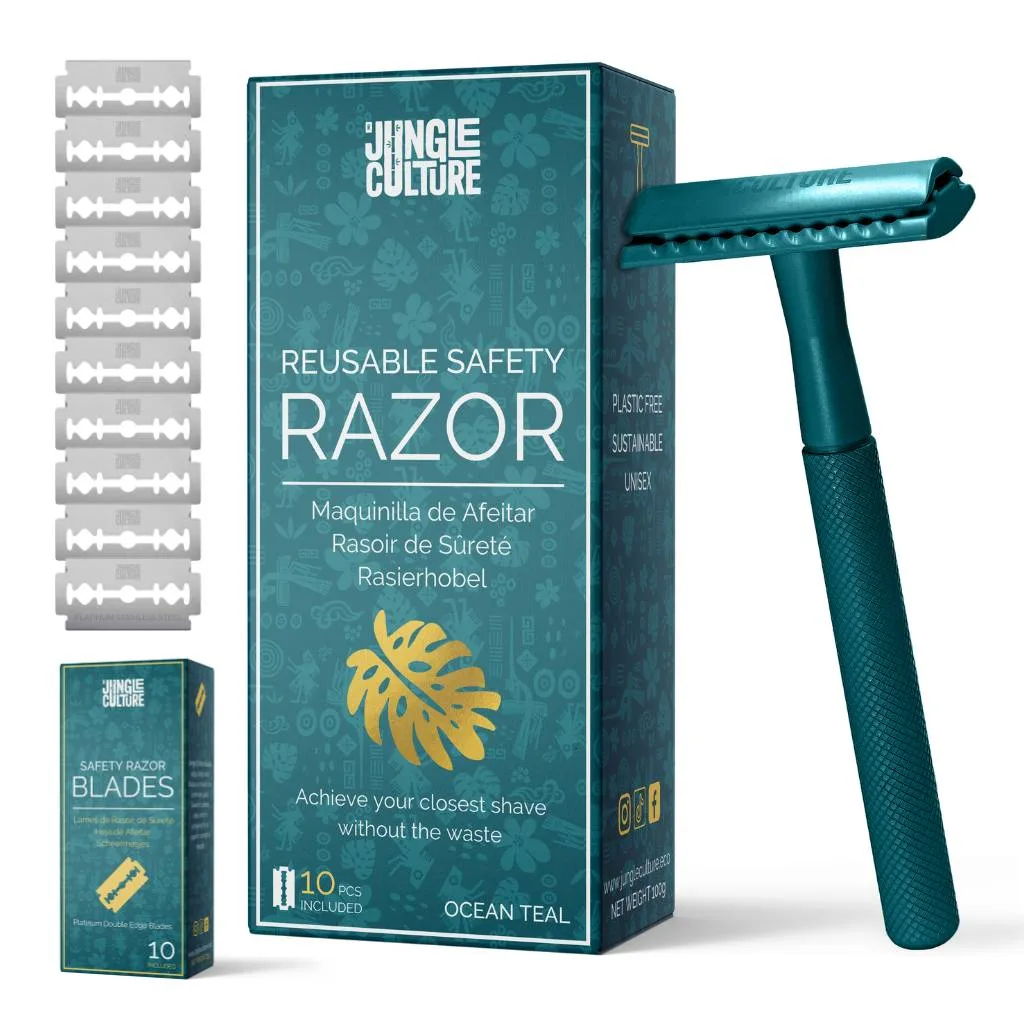
- Teal Safety Razor | Reusable, Eco-friendly Razor (Includes 10x blades): This limited edition Jungle Teal eco safety razor has a long handle and textured grip, making shaving those tough to reach areas a breeze. Each zero waste DE razor is accompanied by 10x Jungle Culture razor blades. While not a water bottle, this razor is part of a plastic-free bathroom routine. Pairing your reusable bottle with other zero-waste essentials reduces your overall plastic footprint.
- Lime & Sea Salt Natural Soap Bar: Lime essential oils are fruity, crisp and dynamic, helping to enhance your mood and relieve symptoms of stress and anxiety. Lime also has antibacterial and antiviral properties which balance oily skin and fight infection. Using a natural soap bar instead of liquid soap in plastic bottles complements your plastic-free hydration habit, extending your eco-friendly impact beyond just drinking water.
Which Bottle Fits You?
Best for
- Commuters and travelers who need a durable, insulated bottle that can handle bumps and temperature changes.
- Eco-conscious users who want a plastic-free option and are willing to invest in a high-quality, long-lasting product.
Not for
- Those who want the lightest possible bottle—glass is heavier than plastic or some stainless steel models.
- People who are prone to dropping things—glass can shatter, so stainless steel is a safer bet.
The best reusable water bottle is the one you'll actually use every day. By weighing material durability, weight, and eco impact, you can find a bottle that fits your routine and reduces your plastic footprint. Remember, the most sustainable bottle is the one that lasts—so choose wisely and enjoy your plastic-free hydration.