Quick answer
Choose a self-knowledge book by matching its scope to the problem you want to work on now. If you want a broad emotional education, start with a wide-ranging essay collection. If you want to work on one knot, such as calm or family patterns, choose a focused title or a guided workbook. Read the table of contents and a sample page before buying, and favour books that ask you questions rather than only telling you what to think.
calm
Self-knowledge books are easy to buy and hard to choose. The shelf is crowded with titles that promise transformation, and most blurbs sound identical. The difference between a book you finish and one that sits unread usually comes down to scope: whether the book is trying to cover everything or one specific thing.
This guide gives you decision rules for choosing a self-knowledge book, plus honest trade-offs. It uses examples from The School of Life range, but the rules apply to any title you pick up. The goal is simple: buy the book that matches the work you are ready to do.
Start with scope: broad collection or single focus?
The first decision is whether you want a wide map or a deep dive. A broad collection gives you many entry points and is good if you are not yet sure what you need. A single-focus book goes further into one area and is better when you already know the knot you want to untangle. Neither is superior; they serve different moments.
If you are new to this kind of reading, a broad collection reduces the risk of buying the wrong narrow topic. If you have already read widely and one issue keeps returning, a focused title will do more work per page. Ask yourself: do I want to survey the territory, or dig in one spot?
- Broad collection: good for first steps and for readers who like variety.
- Single focus: good when you can name the problem in one sentence.
- If you cannot name the problem, start broad and narrow later.
Check whether the book asks questions or only gives answers
Self-knowledge grows from reflection, not just information. A useful book prompts you to examine your own life. Look for questions, exercises, or prompts that slow you down. A book that only delivers conclusions can be interesting, but it rarely changes how you see yourself.
This is where workbooks and guided journals differ from straight prose. They trade narrative flow for active participation, which suits readers who learn by doing. If you prefer to read in bed without a pen, a prose book is the better fit. If you want to write, choose a format that invites it.
- Skim for questions, prompts, or exercises before buying.
- Prose suits passive reading; workbooks suit active reflection.
- A book you will actually use beats a more impressive one you will not.
Match the tone to the moment you are in
Tone matters more than many buyers expect. A book written with warmth and humour can make hard subjects approachable, while a clinical tone can feel cold when you are already struggling. Read a sample page and notice how it makes you feel, not just what it says.
Also consider length and density. A short, focused book is easier to finish when your attention is limited. A longer collection rewards slower reading over weeks. There is no prize for finishing fast, but unfinished books rarely help.
- Read a sample page and note your emotional reaction.
- Short books suit low-energy periods; longer ones suit steady routines.
- Choose a tone you would accept from a friend.
Price, format and the trade-off of editions
Price is a real factor, but it is not the same as value. A modest paperback you read twice can be worth more than a collector's edition you never open. That said, special editions can be worth it if the book is a reference you will return to or a gift you want to feel significant.
Format also affects use. A workbook needs space to write, so a larger trim size helps. A collection of essays is easier to carry in a smaller edition. Check the physical format before buying if you plan to write in it or travel with it.
- Buy the format that matches how you will use the book.
- Collector's editions suit gifting and long-term reference.
- Do not pay for a premium edition if a paperback will be read more.
Decision rules for choosing your book
- If you cannot name the problem: Choose a broad collection such as What They Forgot to Teach You at School, which covers many emotional lessons rather than one. Start wide; narrow on your next purchase.
- If you can name the problem in one sentence: Choose a focused title or workbook, such as The Calm Workbook for serenity or Getting Over Your Parents for family legacies. A focused book does more work per page.
- If you want to write, not just read: Choose a workbook or guided journal format. The Calm Workbook is built for systematic reflection rather than passive reading. Match the format to your habit, not your aspiration.
- If you are buying a gift or a keepsake: Consider a collector's edition only when the book will be returned to or displayed. Otherwise a standard paperback is the better value. Premium editions are for use or meaning, not default.
Real examples and what they show
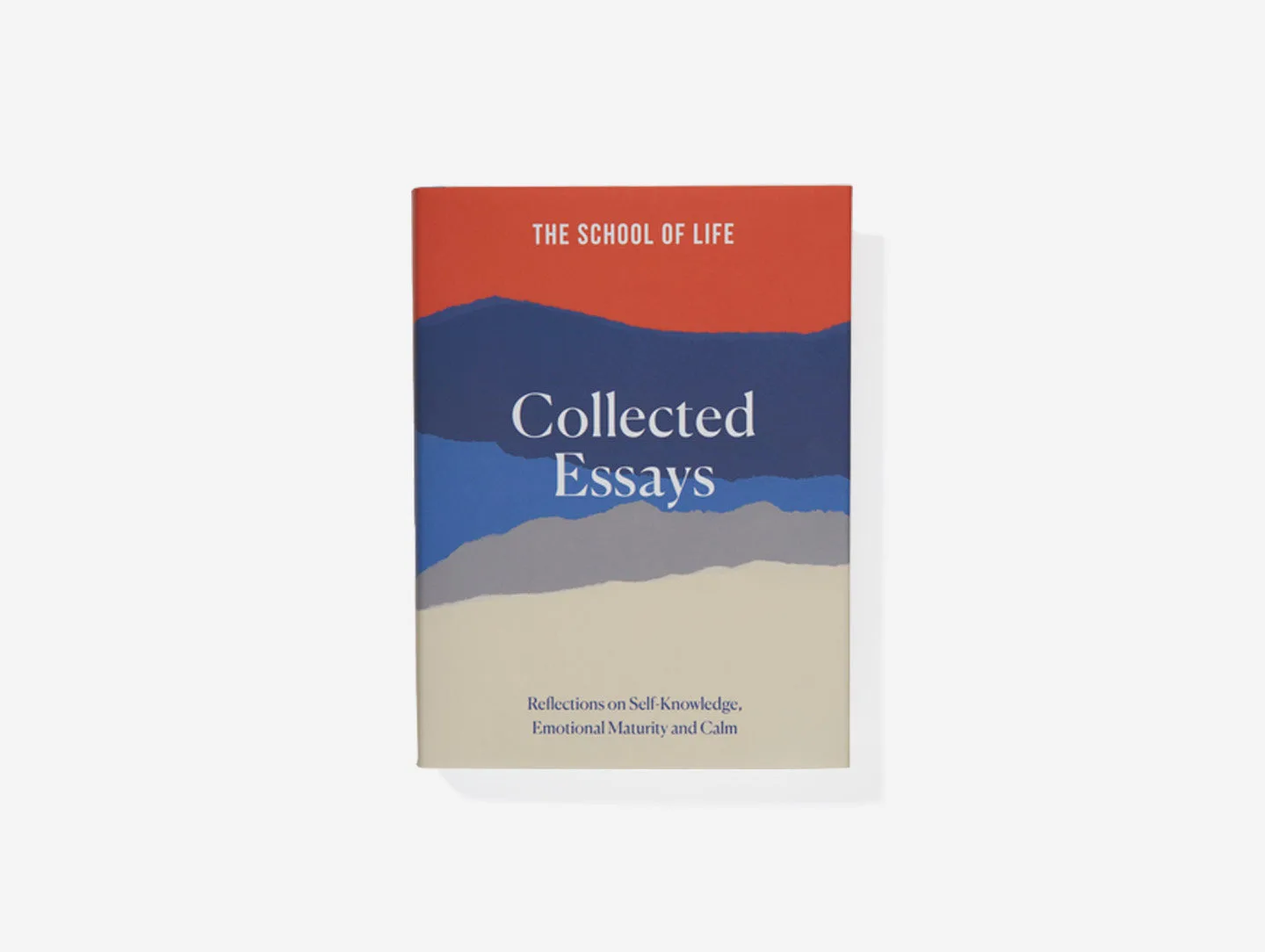
- What They Forgot to Teach You at School: A collection of the essential emotional lessons we need in order to thrive, covering what school left out. A good example of a broad collection: it gives many entry points when you are not sure which single issue to pursue.
- How Emotionally Mature Are You?: A guide to psychological adulthood that asks what our emotional age is and how to become a proper grown-up. A focused title for readers who can name the question they want to explore: maturity and how to face life's challenges with poise.
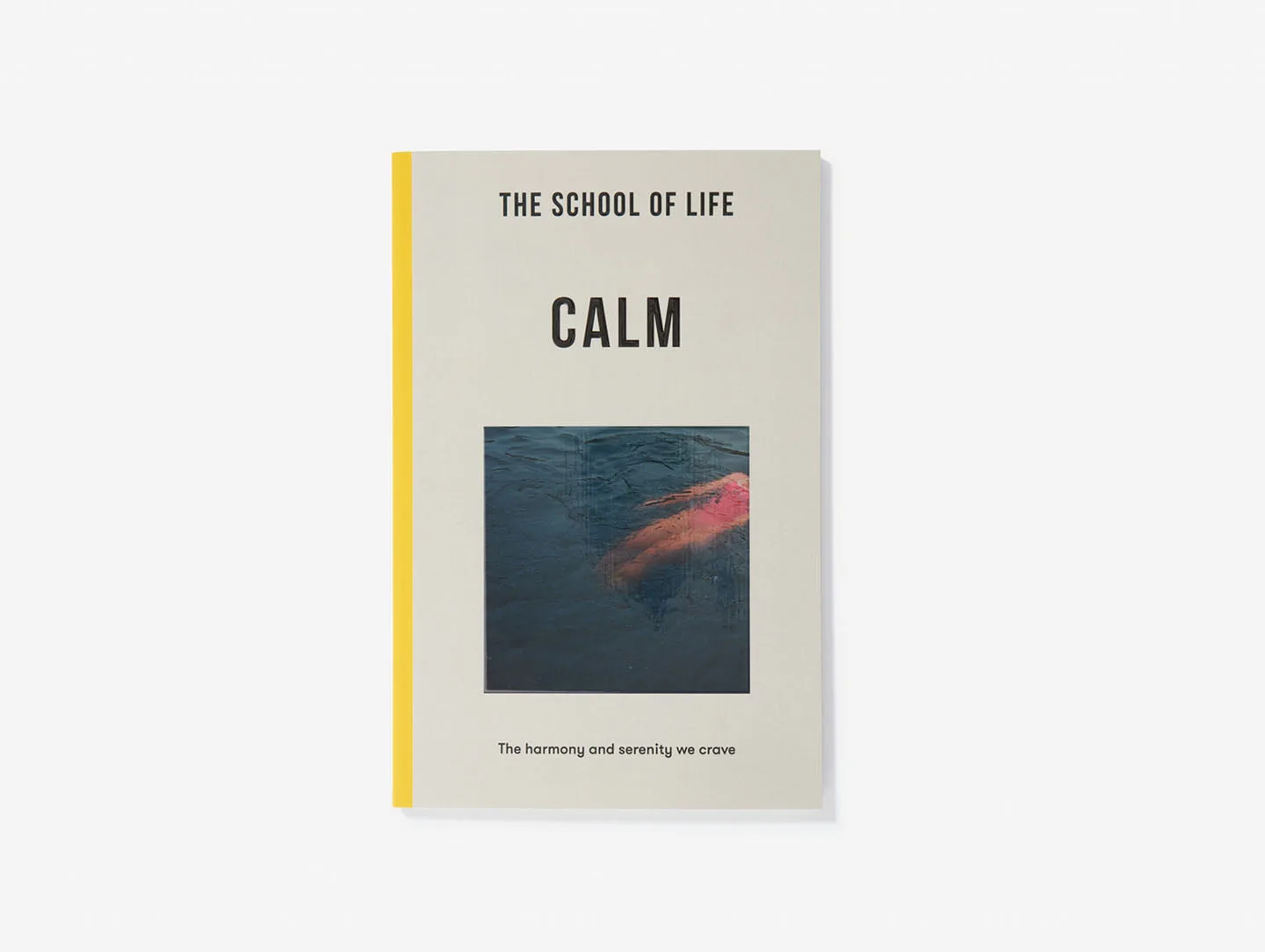
- The Calm Workbook: A guide to greater serenity that argues a calm state of mind can be systematically understood and claimed, even from an agitated starting point. Shows the workbook trade-off: you get structure and active prompts, but you need to be willing to write and work through exercises.
- Getting Over Your Parents: A practical guide on how to navigate the complex legacies left to us by our families of origin. A single-focus book for a specific knot. It suits readers who already know family patterns are the area they want to examine.
Who this approach fits
Best for
- Readers who want a clear method for choosing a self-knowledge book without wasting money
- People deciding between a broad collection and a focused title or workbook
- Buyers who want honest trade-offs about format, tone and price before purchasing
Not for
- Readers looking for clinical treatment or crisis support, which books cannot replace
- Buyers who want a single universal recommendation regardless of their situation
- Anyone unwilling to read a sample page or table of contents before buying
A good self-knowledge book is the one that matches the work you are ready to do now. Start with scope, check whether the book asks questions, and choose a format you will actually use. Use the decision rules above, read a sample first, and buy the book you will finish rather than the one that looks most impressive.