Quick answer
For most trips, choose a hard-shell travel glasses case if your bag gets crushed in transit, and a soft, compact case if you need to save space in a purse or carry-on. Prioritize a snug fit, scratch-resistant lining, and a shape that matches how you pack. If you want a case that does double duty, a soft case with a hidden pocket can carry lip balm or a credit card alongside your glasses.
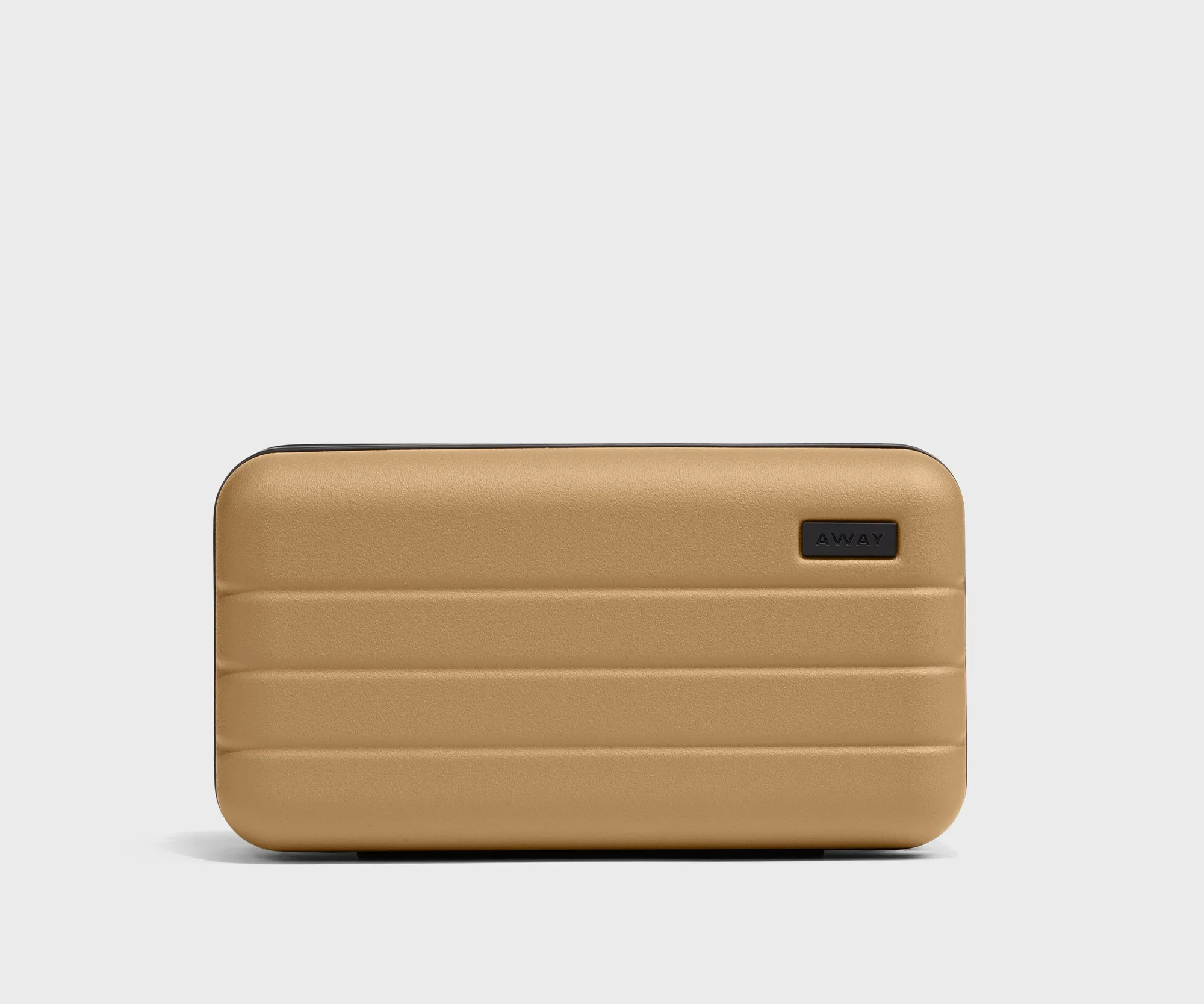
travel glasses case
A travel glasses case has one job: get your frames from point A to point B without scratches, cracks, or a bent temple. But the case that works for a checked bag is not the same one that disappears into a small crossbody. This guide walks through the trade-offs so you can pick a case that actually fits your trip.
You will see three main formats: hard clamshell, soft zip, and hybrid. Each has a place. The trick is matching the case to your bag, your packing style, and how much abuse your glasses typically face. Here is how to decide.
Hard vs soft: the protection trade-off
Hard cases win on impact protection. A rigid shell spreads pressure from a heavy suitcase or a dropped backpack, so your frames are less likely to bend or crack. The cost is bulk and weight, and many hard cases do not compress, so they eat space even when empty. If you routinely gate-check a bag or pack dense items around your glasses, a hard case is the safer default.
Soft cases win on packability. They squash into a purse pocket or a carry-on corner and often weigh almost nothing. The trade-off is that they rely on padding and structure rather than a rigid shell. A soft case works well if your glasses stay in a personal item you keep with you, but it is a weaker choice for a checked bag or an overstuffed backpack.
- Choose hard if your glasses share space with shoes, books, or anything heavy.
- Choose soft if you need the case to disappear into a small bag or a packed carry-on.
- A hybrid with a semi-rigid frame can split the difference, but it rarely matches the crush resistance of a true hard shell.
Fit and interior: what actually protects your frames
A case that is too large lets your glasses slide around, which is how lenses get scratched. A case that is too small can press on the hinges or the bridge. The best fit holds the frames gently but firmly, with no rattle when you shake the closed case. If you wear oversized or thick frames, check the interior dimensions rather than trusting a one-size label.
Look at the lining and the closure. A soft, scratch-resistant lining protects coatings and lenses better than a rough fabric. A zipper that runs smoothly and a clasp that stays shut matter more than decorative hardware. If the case has a mesh pocket or a small divider, that is useful for a cleaning cloth or a spare pair of nose pads, but it should not press against the lenses when closed.
- Bring your glasses or measure them before buying if you wear wide or thick frames.
- A snug case with a soft lining beats a roomy case with a rough interior.
- Test the closure: it should stay shut when you turn the case upside down.
Compact features that earn their space
The best travel glasses case features are the ones you actually use. A slim profile that slides into a purse or a crossbody pocket is worth more than a bulky case with extra compartments you never open. A hidden zip pocket on a strap or a small exterior pocket can hold a credit card or lip balm, which means one less thing to dig for at security. But every added feature adds bulk, so decide what you will genuinely carry.
For a glasses case for purse use, look for a flat or slightly rounded shape that does not snag on other items. A wrist strap or a clip helps you find it fast. If you travel with a larger bag, a case with a loop or a carabiner point can attach to an interior strap so it does not sink to the bottom. None of these features are essential, but they make a case easier to live with.
- A slim, flat case is easier to pack than a deep box.
- A small exterior pocket can replace a separate wallet for short trips.
- Skip features you will not use; they only add weight and bulk.
How to choose for different trips
For a weekend trip with a carry-on and a personal item, a soft, compact case that fits in your personal item is usually enough. You keep it with you, so it faces less crushing risk. For a longer trip where your bag gets gate-checked or packed tight, a hard case is the safer choice. If you wear prescription glasses and pack a backup pair, consider two slim cases rather than one large case so you can split them between bags.
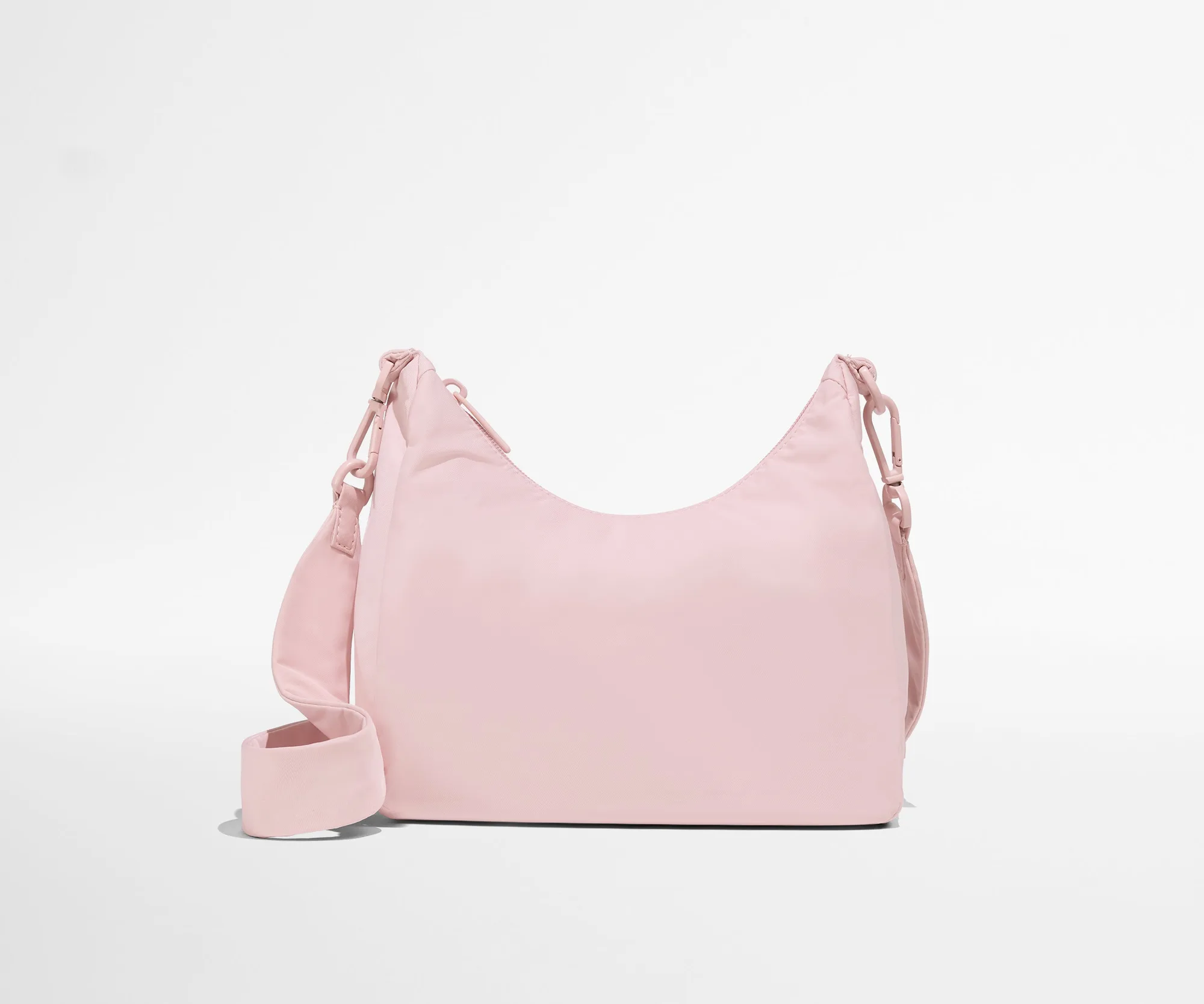
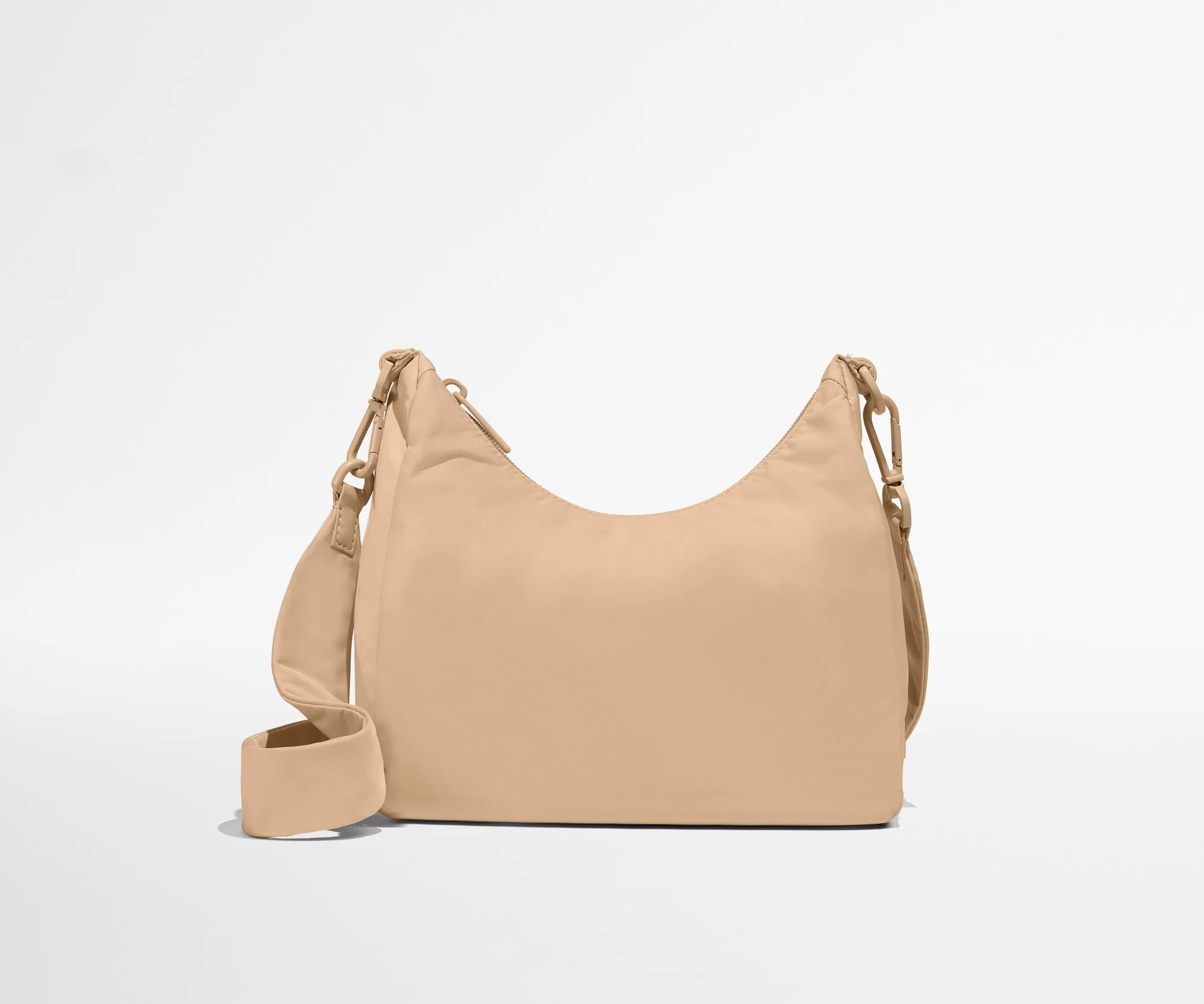
If you use a crossbody or a small bag daily, a case with a hidden pocket and a detachable strap can do double duty. That is where a product like the https://awaytravelenm.com/products/featherlight-duo-crossbody-blush-pink-e488afd1a735b4459542f6fc-1800785Featherlight Duo Crossbody in Blush Pink comes in: it has a hidden zip pocket on the strap for small items and a discreet back pocket, so it can carry a compact case and a few essentials without a second bag. The case itself still needs to fit your frames, so measure first.
- Carry-on only: prioritize a slim soft case in your personal item.
- Checked bag or dense packing: prioritize a hard shell.
- Two pairs: use two slim cases instead of one bulky one.
Decision rules for buying a travel glasses case
- If your bag gets checked or packed tight: Choose a hard-shell case with a snug interior and a secure clasp. Rigid protection is the only reliable defense against crushing. Hard shell is the safer default for checked bags.
- If you carry a small purse or crossbody: Choose a soft, slim case that slides in without bulking up your bag. Look for a scratch-resistant lining and a smooth zipper. Prioritize slim profile and soft lining over extra compartments.
- If you wear oversized or thick frames: Measure your frames and check interior dimensions. A case that is too small can press on hinges; too large lets lenses slide and scratch. Fit matters more than brand or style.
- If you want one case to do double duty: Look for a soft case with a small exterior pocket or a hidden strap pocket, like the one on the Featherlight Duo Crossbody in Blush Pink, so you can carry a card or lip balm with your glasses. Only add features you will actually use.
- If you pack a backup pair: Use two slim cases instead of one large case. Split them between bags so a lost or crushed bag does not take both pairs. Two slim cases beat one bulky case for redundancy.
Products that pair well with a travel glasses case
- Featherlight Duo Crossbody in: One bag, two styles. Designed to shift with your plans, the Featherlight Duo Crossbody changes shape based on how you carry it—crossbody or by hand—with a detachable strap that makes switching easy. Made from lightweight, washable Featherlight fabric, it's soft, flexible, and built for real life. Smart details—like a hidden zip pocket on the strap for lip balm or a credit card, plus a discreet back pocket. A compact glasses case fits inside this crossbody, and the hidden strap pocket keeps small items separate from your frames so nothing scratches the lenses.
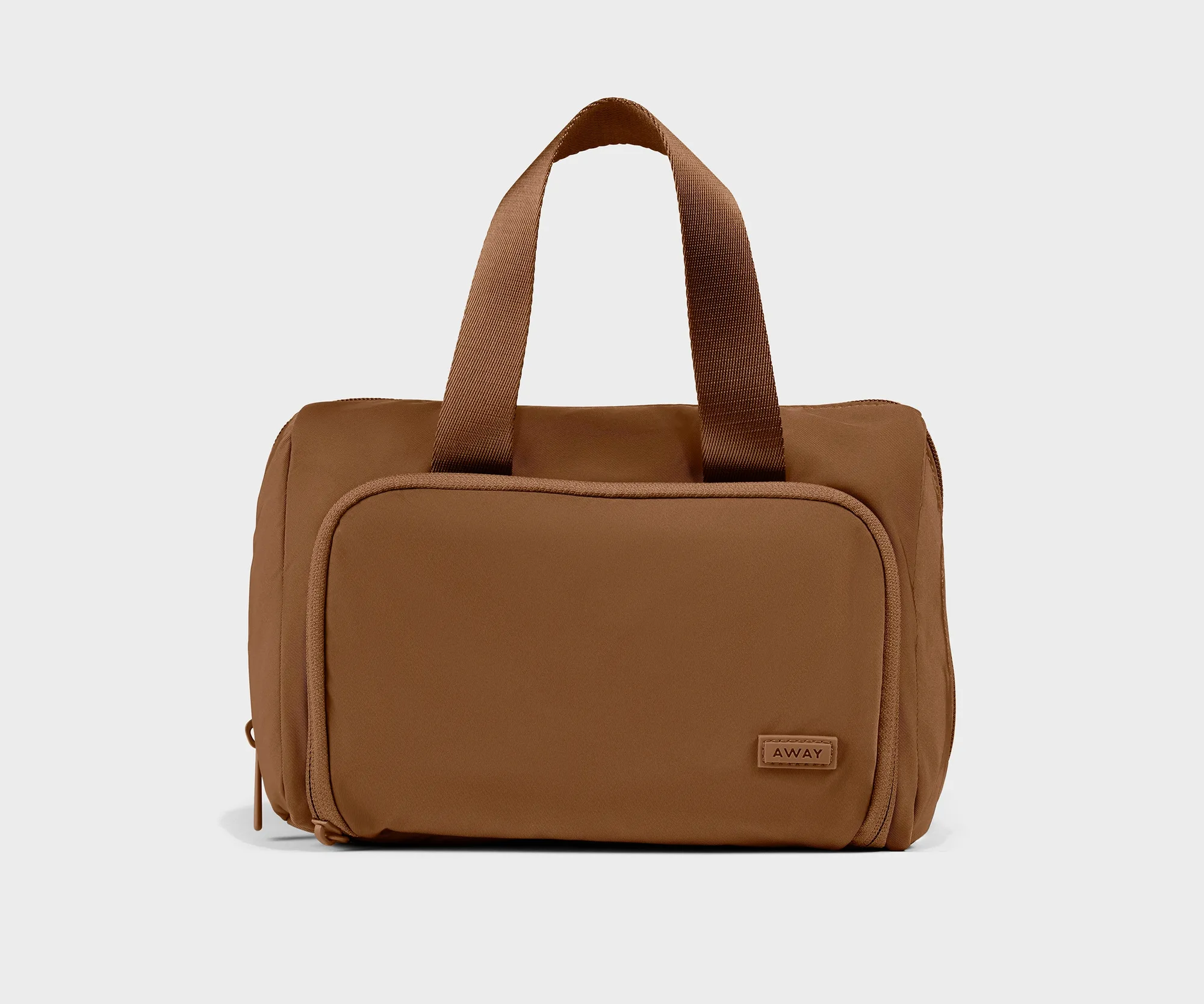
- https://awaytravelenm.com/products/featherlight-daily-cosmetic-case-amaro-brown-11f0ae7e5144fbed4c94503e-1800616Featherlight Daily Cosmetic Case in: Lightweight, with a place for every step of your routine, the Featherlight Daily Cosmetic Case keeps skincare and makeup tidy from your bathroom counter to your Carry-On. A divided main compartment keeps skincare separate from makeup, while a front pocket corrals the small stuff—with an interior mesh pocket for easy visibility and a holder that keeps three brushes upright. If you travel with both glasses and a beauty routine, this case keeps small items organized so your glasses case does not get lost in the shuffle.
Who should buy which case
Best for
- Travelers who keep glasses in a personal item and want a slim, packable case
- People who carry a crossbody or small purse and need a case that disappears inside
- Anyone who wants a soft case with a hidden pocket for a card or lip balm
Not for
- Travelers who check bags or pack heavy items around their glasses; choose a hard-shell case instead
- People with oversized frames who need a case with specific interior dimensions; measure first
- Anyone who wants a single case to protect against serious impact; soft cases are not built for that
Pick the case that matches your bag and your packing style, not the one with the most features. A hard shell for checked bags, a slim soft case for purses, and a snug fit either way will keep your frames safe without adding bulk you do not need.