Quick answer
Buy bamboo baby pajamas for breathability and stretch, but check the fabric blend, fit, and care label before you commit. If your child runs hot or you want a snug, low-maintenance fit, cotton or a premium knit set may serve you better. Match the fabric to your child's sleep temperature and your laundry routine, not to the label alone.
Fabric check: what the label should tell you
Bamboo pajamas are often sold as a single fabric, but the label usually tells a more complicated story. Look for the exact fiber content and whether it is bamboo viscose, bamboo lyocell, or a blend with cotton or spandex. Each behaves differently against skin and in the wash. A high bamboo content feels cooler and drapes softly, while added spandex helps the garment hold its shape through repeated wearing and washing.
If a product page only says 'bamboo' without a percentage, treat that as a missing specification, not a guarantee. Ask the seller for the fiber breakdown before buying. For sleepwear, the two things that matter most are breathability and a fit that stays put. A premium knit fabric can deliver both without being labeled bamboo at all, so compare the actual feel and stretch rather than the marketing name.
Fit and sizing: how bamboo behaves on a growing baby
Bamboo knits tend to stretch more than cotton, which can make sizing confusing. A size that looks correct on the hanger may relax after a few hours of wear. Start with your child's current weight and height rather than age, and size up only if the brand's chart shows you are between sizes. For babies in the early growth-spurt months, a grow-with-me design with an adjustable waistband can extend wear far beyond a standard size.
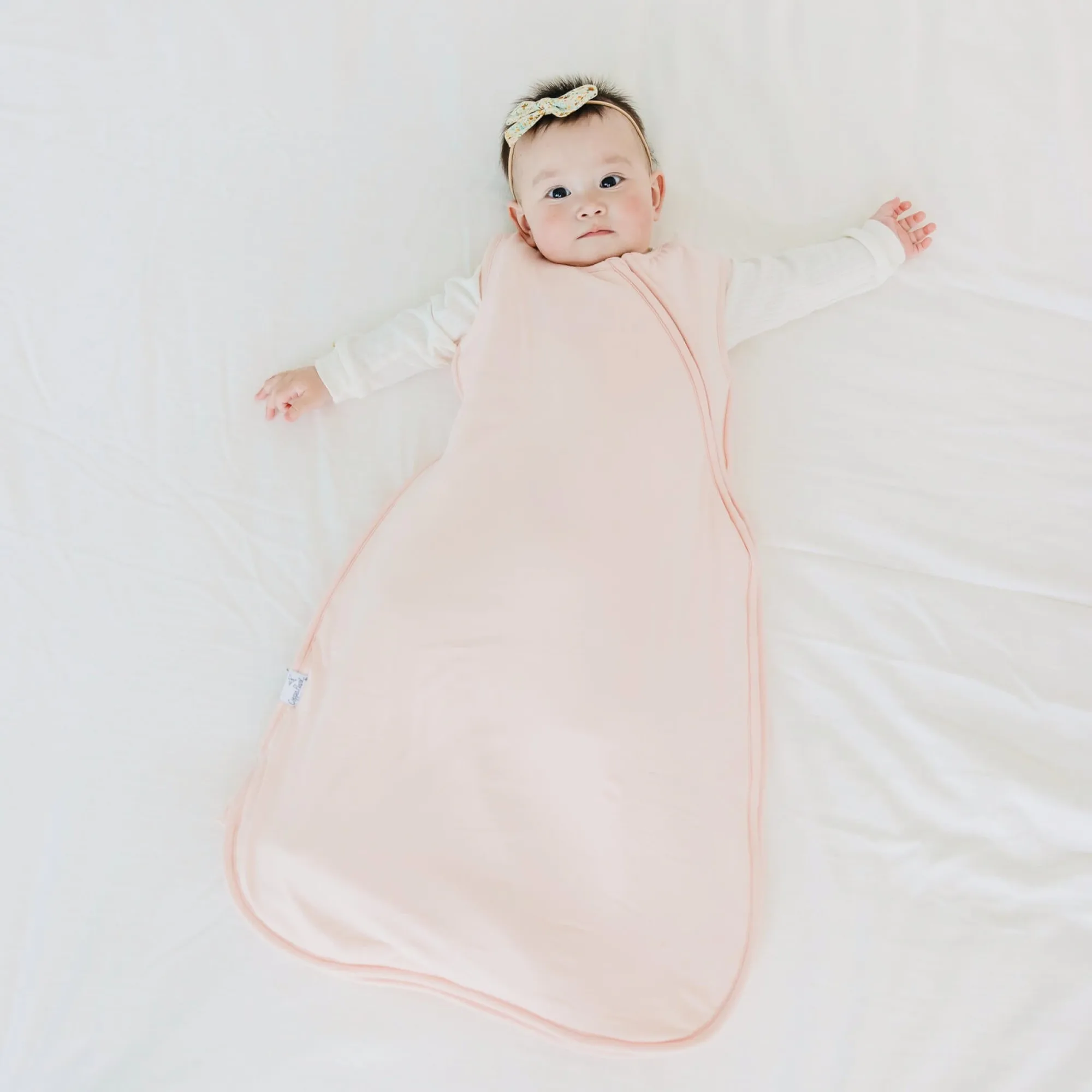
Check the neckline, cuffs, and ankle openings. Loose cuffs ride up during sleep, and a stretched neckline can slip off a shoulder. Snug-fitting pajamas are generally safer for sleep, but they should never leave red marks or restrict movement. If you are layering for colder rooms, a slightly roomier fit under a sleep bag works better than a tight base layer.
Care reality: what bamboo demands from you
Bamboo blends can pill or lose softness if washed hot or dried on high heat. Follow the care label, wash with similar fabrics, and avoid fabric softener, which coats the fibers and reduces breathability. If you cannot commit to gentle washing, a durable cotton or premium knit set will hold up with less attention.
Buy two or three pairs per size rather than one. Pajamas get washed constantly, and having a spare means you are not forced into a hot wash cycle just to have something clean for bedtime. This is especially true for babies who spit up or have blowouts overnight.
When cotton or a premium knit is the smarter buy
Bamboo is not automatically better for every baby. If your child sleeps in a cool room and needs warmth, a thicker cotton or premium knit pajama may be more comfortable. If you want a fabric that survives frequent washing with less fuss, cotton is often the more forgiving choice. And if you are shopping for a newborn who will outgrow everything in weeks, an adjustable grow-with-me pant paired with a soft hat can be more practical than investing in multiple bamboo sets.
The honest trade-off is this: bamboo usually wins on breathability and stretch, while cotton and premium knits often win on durability and predictable fit. Neither is wrong. Pick based on your child's sleep temperature, your laundry habits, and how long you expect the size to last.
Decision rules for buying bamboo baby pajamas
- Hot sleeper or warm room: Choose a breathable short-sleeve set or a lightweight bamboo blend. Skip thick cotton or fleece, which traps heat. If your child wakes sweaty, prioritize breathability over warmth.
- Cold room or winter sleep: A long-sleeve premium knit or cotton set with a sleep bag adds warmth without bulk. Bamboo alone may feel too cool. Layer instead of relying on one fabric to do everything.
- Frequent growth spurts: Look for adjustable waistbands, fold-over waists, or grow-with-me designs. These extend wear when standard sizes stop fitting. Adjustable features often save more money than buying multiple sizes.
- Sensitive skin or tag irritation: Choose tag-free pajamas and check the fiber content for bamboo viscose or lyocell. Avoid rough seams and heavy dyes. Tag-free is a practical feature, not a marketing extra.
- Laundry reality check: If you wash hot and dry on high, bamboo may pill or lose softness. Choose cotton or a durable knit if you cannot wash gently. Match the fabric to your routine, not your intentions.
Product facts to compare
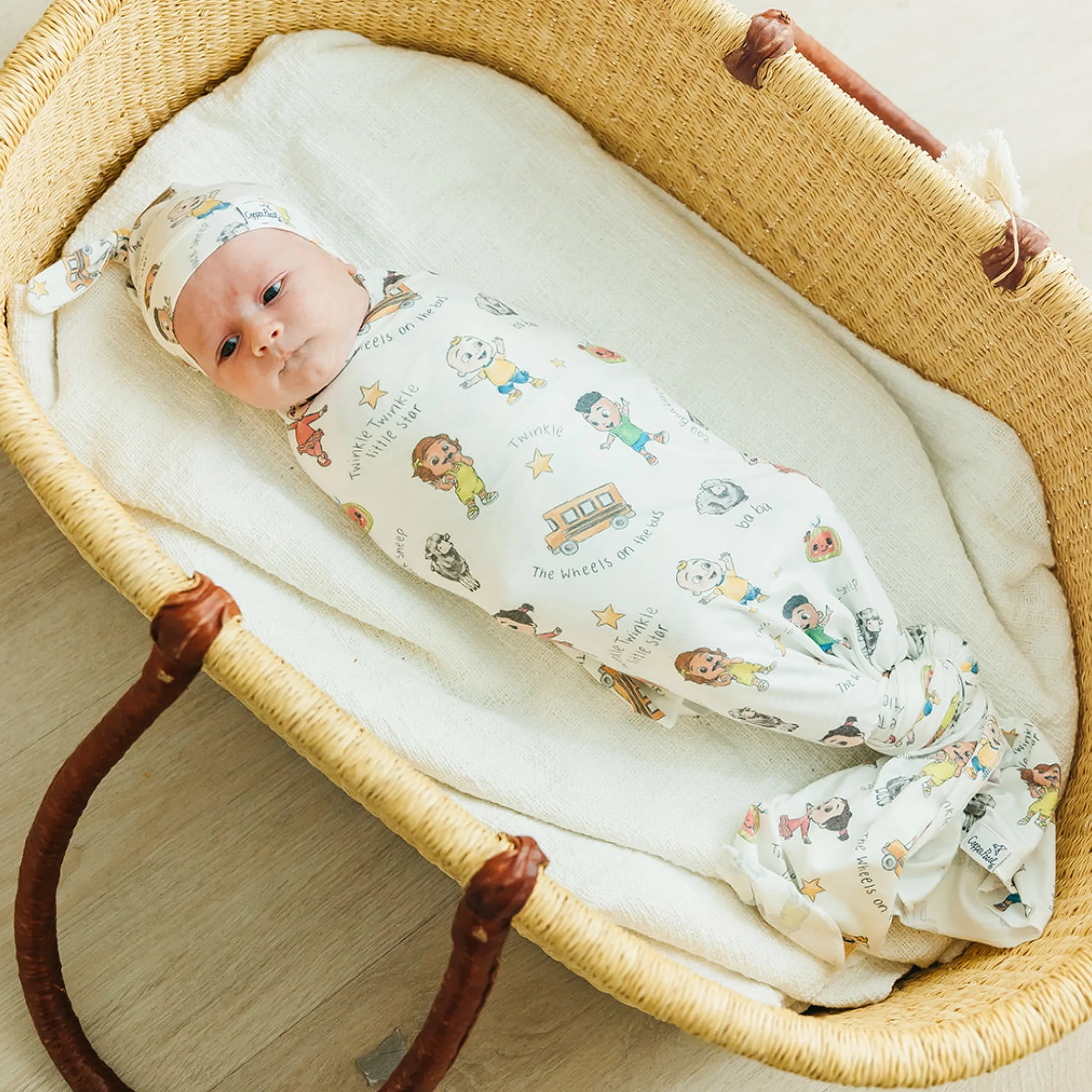
- 2pc Long Sleeve Pajama Set - Dream: Two-piece long sleeve pajama set made from the same ultra-soft, stretchy premium knit fabric as the brand's swaddles, with a tag-free design. A tag-free, stretchy knit set suits babies who are sensitive to labels and need room to move during sleep.
- 2pc Short Sleeve Pajama Set - Coastal: Two-piece short sleeve pajama set in an ultrasoft knit, tag-free, with a short-sleeve design intended to keep toddlers and big kids cool. A cooler option for warm rooms or summer nights when long sleeves would be too much.
- Baby Pants - Tatooine: Baby pants with a fold-over waistband and a grow-with-me design in signature prints. The adjustable waistband extends wear through growth spurts, which is useful when sizing up frequently is impractical.
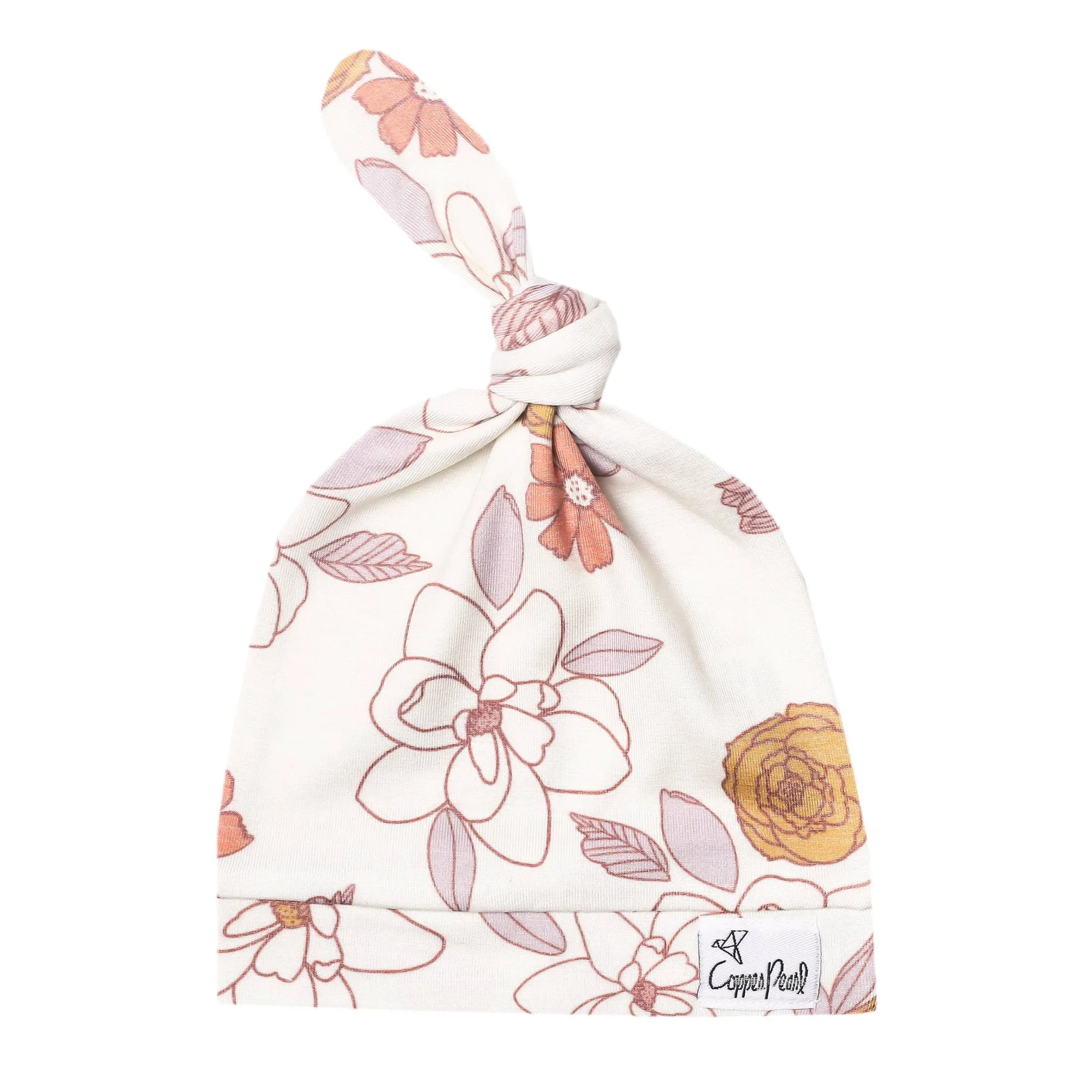
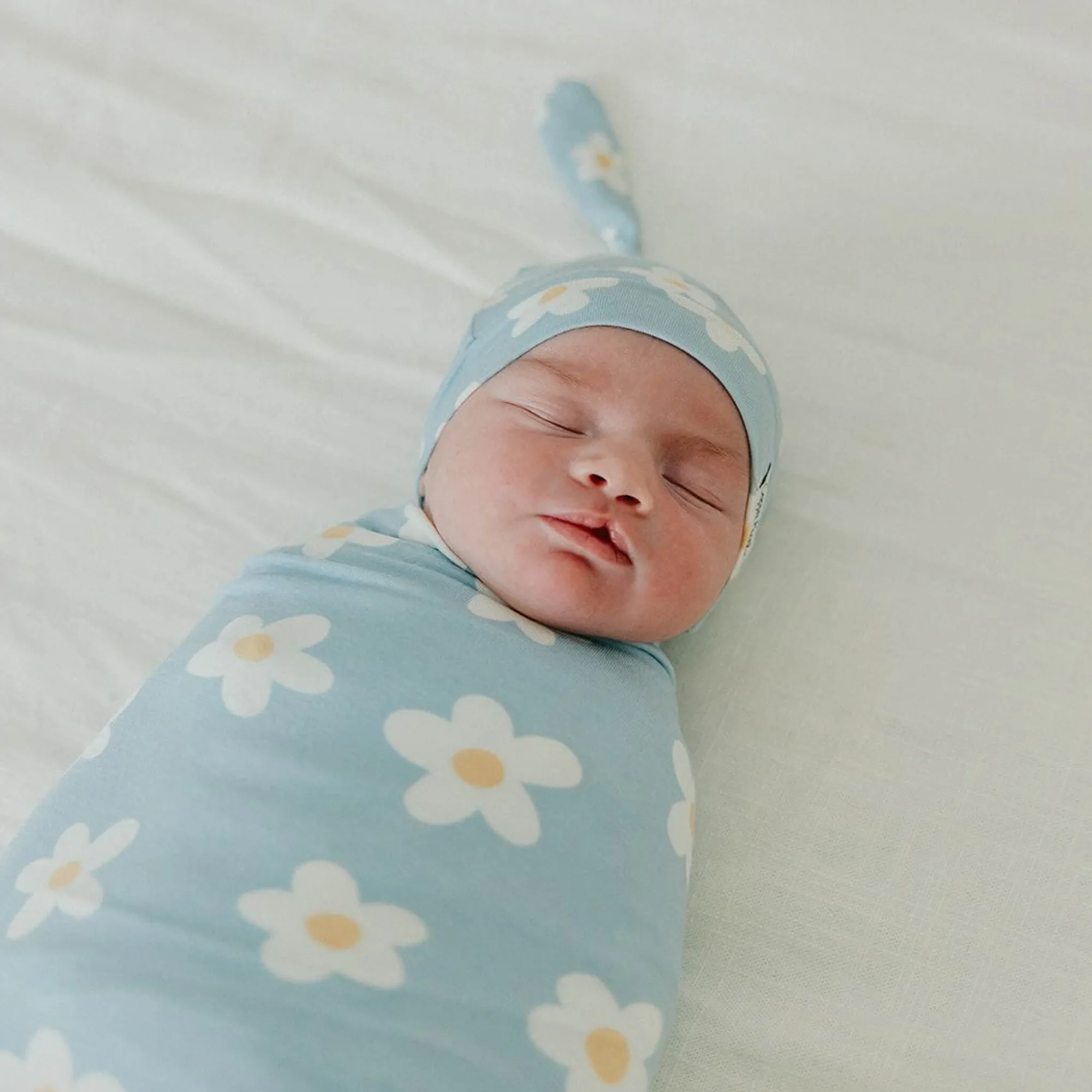
- Top Knot Hat - Super Grover: Top knot hat made from premium stretchy, breathable fabric with an adjustable knot, available in 0-4 months and 5-18 months. The adjustable knot helps the hat fit from newborn to 4 months, reducing the need to buy multiple sizes early on.
Who bamboo baby pajamas are best for
Best for
- Babies and toddlers who run hot or sleep in warm rooms
- Parents who want a soft, stretchy, tag-free sleep layer
- Children who need room to move without restrictive seams
Not for
- Babies who need extra warmth in cold rooms without layering
- Parents who wash hot and dry on high heat
- Shoppers who want the most durable option for heavy daily wear