Quick answer
Prioritize blue light filtering effectiveness, comfortable fit, and a frame style you’ll actually wear. For most people, a pair with adjustable nose pads and a lightweight frame offers the best balance of function and all-day comfort.
Why blue light filtering matters for readers
Blue light from screens can contribute to digital eye strain, especially when you’re reading or working for hours. Blue light reading glasses are designed to filter a portion of that spectrum, which may help reduce discomfort and improve visual contrast. However, not all lenses filter equally—look for glasses that specify blue light blocking rather than just a tint.
The trade-off: stronger blue light filtering can give lenses a slight yellow or amber cast, which may not suit everyone for color-critical tasks like photo editing. If you need neutral color perception, consider a lens with moderate filtering instead of maximum blocking.
Fit and frame material matter for extended wear
Reading glasses that pinch or slide down your nose become a distraction. Look for lightweight materials such as acetate or thin metal that won’t weigh on your ears. Adjustable nose pads are a plus if you have a lower or higher nose bridge, as they let you customize the fit.
The trade-off: heavier or more ornate frames can be stylish but may cause discomfort during long reading sessions. If you plan to wear them all day, prioritize weight and grip over pure aesthetics.
Pattern and size options let you match your style
Blue light readers come in a range of patterns and sizes, so you can find a pair that complements your face shape and personal taste. Wider frames tend to suit round or oval faces, while narrower styles work well for heart-shaped or angular faces. Trying different sizes helps ensure the lenses align with your eyes properly.
The trade-off: very bold patterns may limit versatility if you want one pair for work, casual outings, and home. Neutral or classic patterns often pair with more outfits.
How to choose your blue light readers
- Check the blue light filter: Look for glasses that explicitly mention blue light filtering or blocking. Avoid generic 'computer glasses' that may only have a tint without actual filtering.
- Match frame size to your face: Measure the width of your face and compare it to the frame width listed in the product details. Lenses should sit centered over your eyes, not too high or low. A properly aligned lens reduces eye strain more effectively than a misaligned one.
- Choose a pattern you’ll wear daily: Select a pattern that fits your wardrobe and lifestyle. If you plan to wear them in multiple settings, a subtle or classic pattern offers the most flexibility.
- Prioritize lightweight construction: Frames made from acetate or thin metal are less likely to cause pressure points behind the ears or on the nose. Try them on for at least 5 minutes if possible. If you feel discomfort in the store, you’ll likely feel it after 30 minutes at home.
Blue light reader options at a glance
-
Pherrins Blue Light Reader: Pherrins Blue Light Reader glasses are designed for extended screen time and come in multiple pattern and size options. This means you can get effective blue light filtering in a frame that fits your face and personal style, without sacrificing comfort.
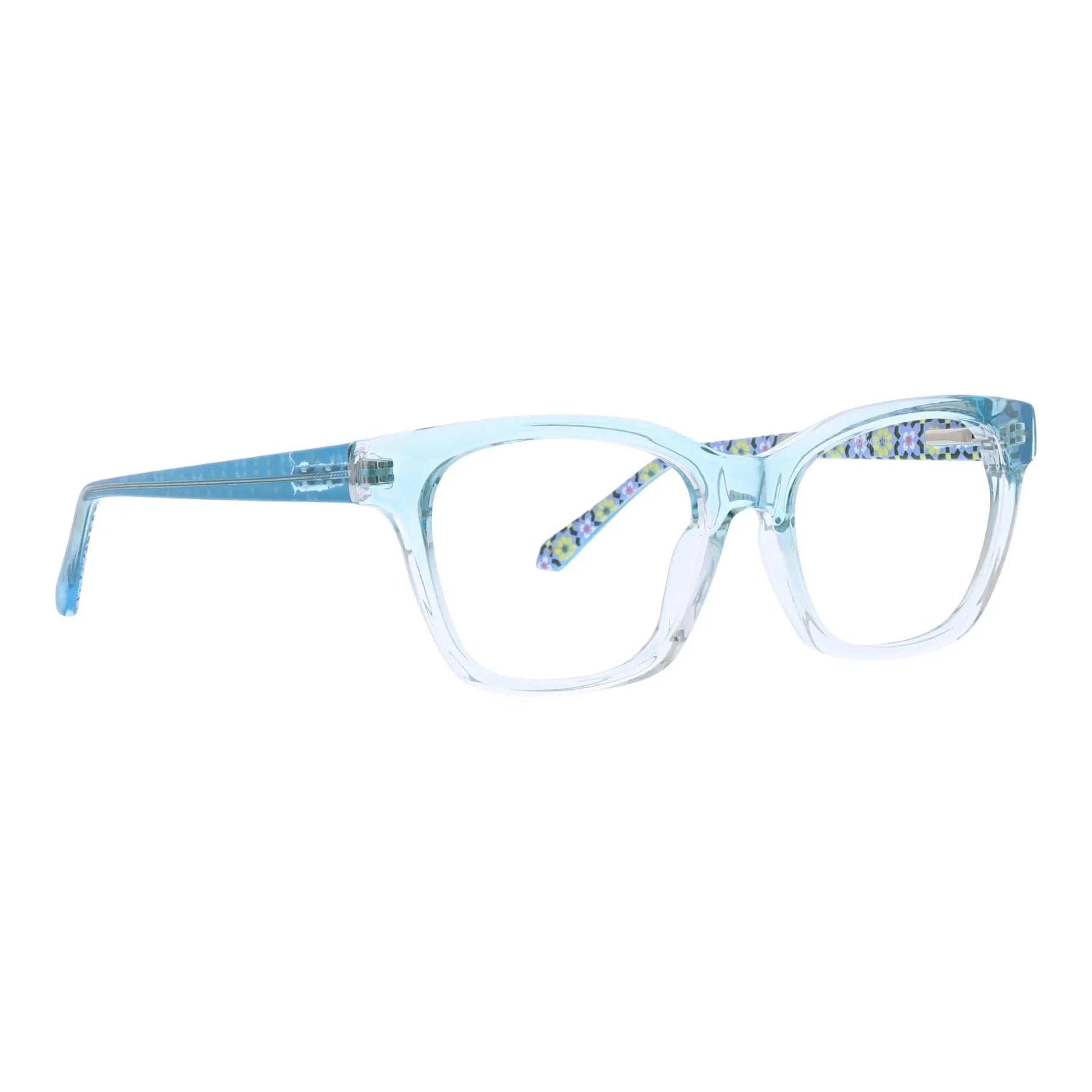
Pherrins Blue Light Reader
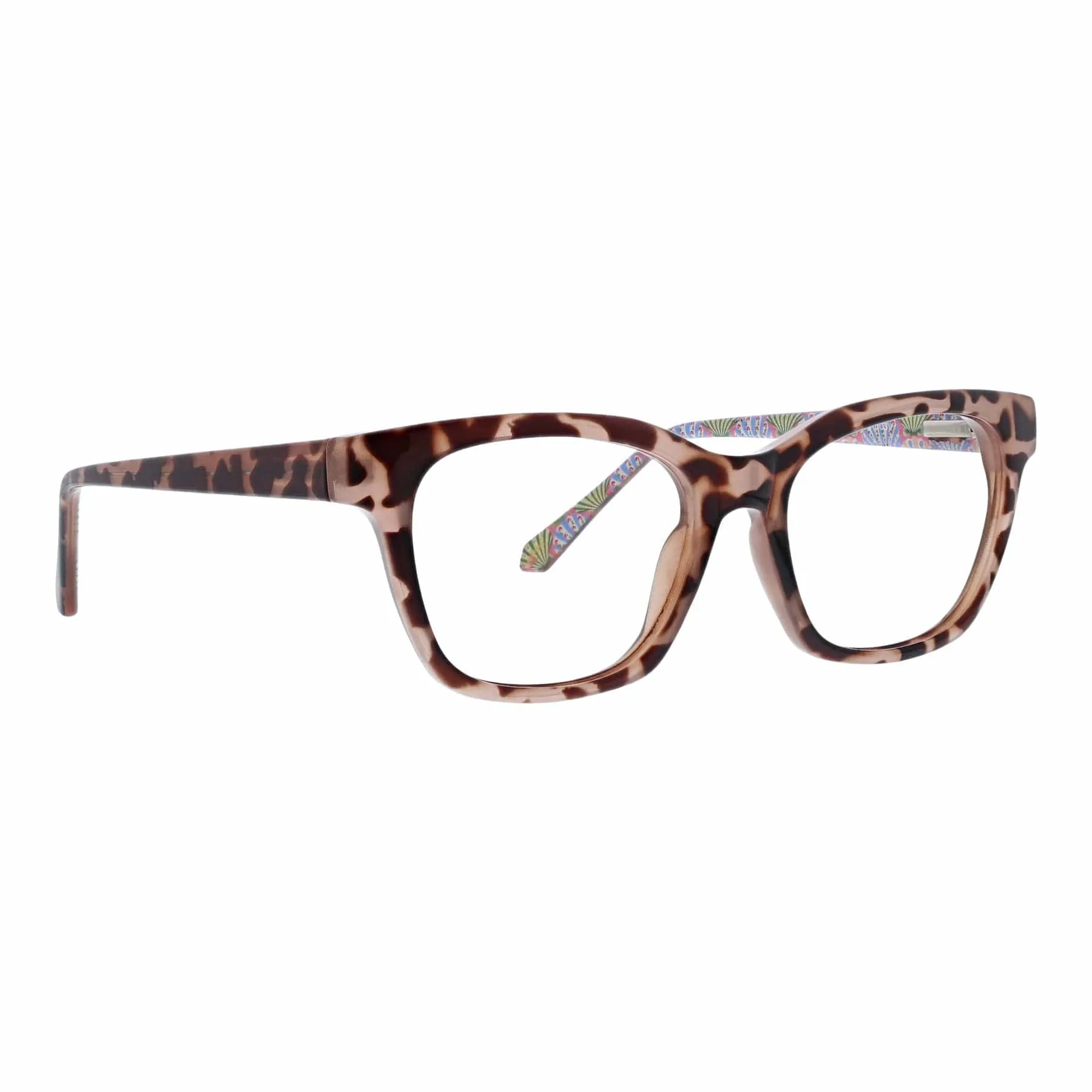
Pherrins Blue Light Reader
-
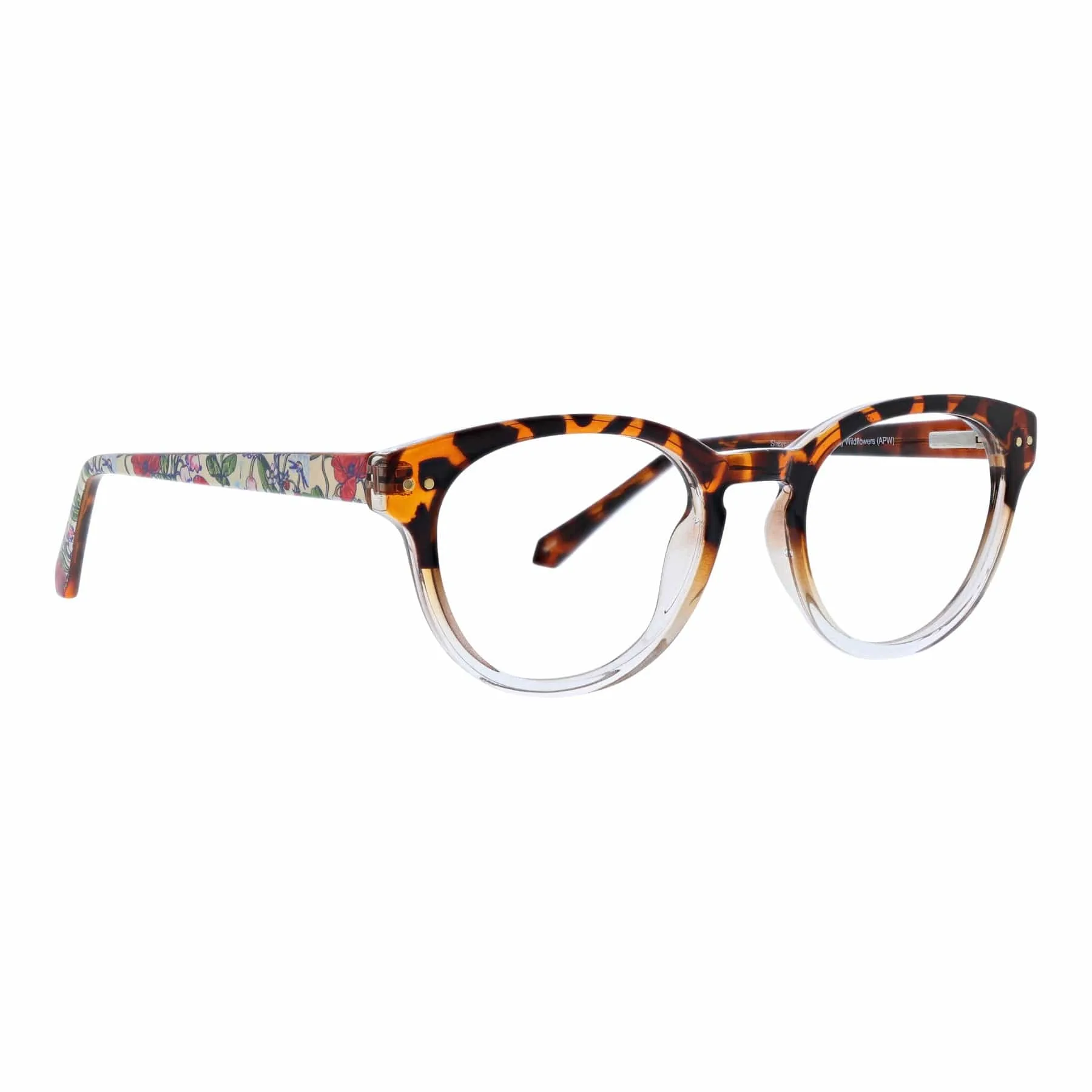
Sheyenne Blue Light Reader: Sheyenne Blue Light Reader glasses offer blue light protection with a focus on comfort for prolonged use. If you often wear readers for several hours at a time, the Sheyenne’s design helps reduce the urge to take them off.
Who should choose these blue light readers
Best for
- Women who spend 3+ hours daily on computers, tablets, or phones
- People who want a stylish frame that doubles as a fashion accessory
- Those who prefer multiple pattern and size options to find the right fit
Not for
- People who need prescription reading lenses (these are non-prescription)
- Anyone who requires color-accurate vision for professional work (filtering may shift color perception)