Quick answer
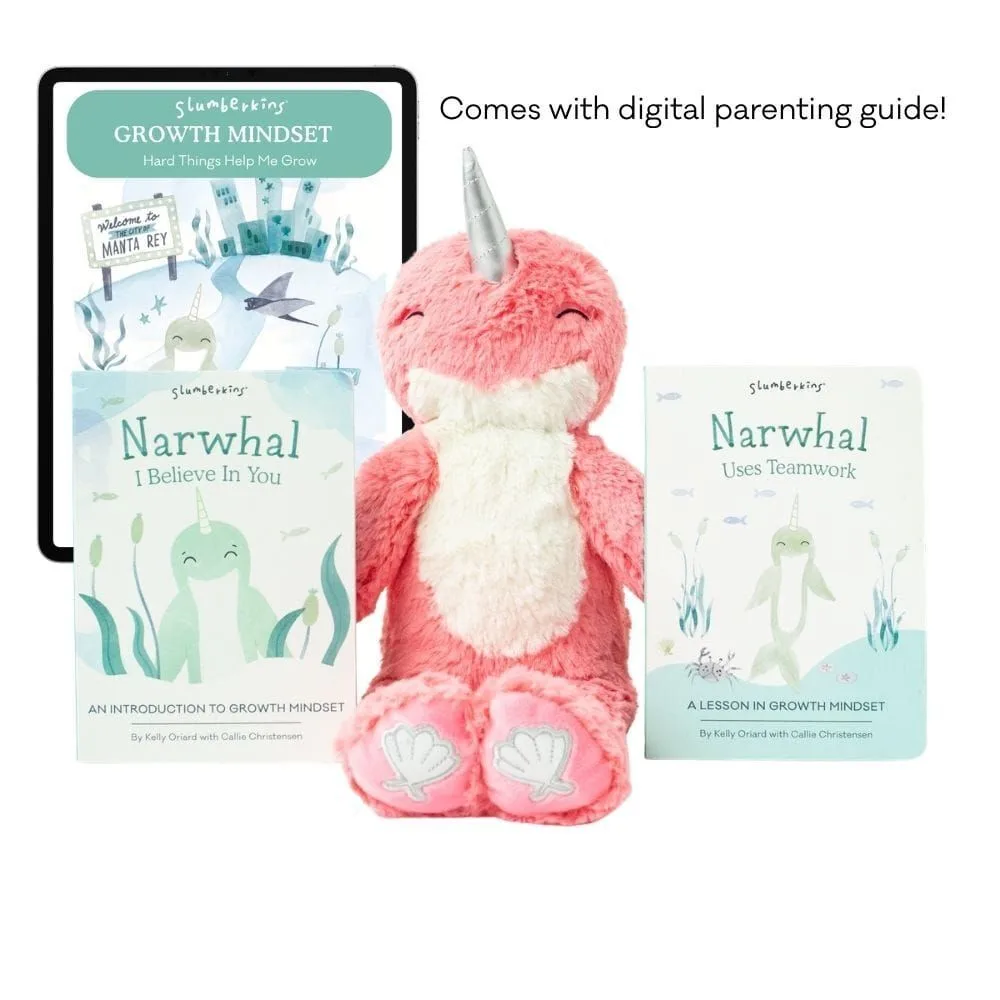
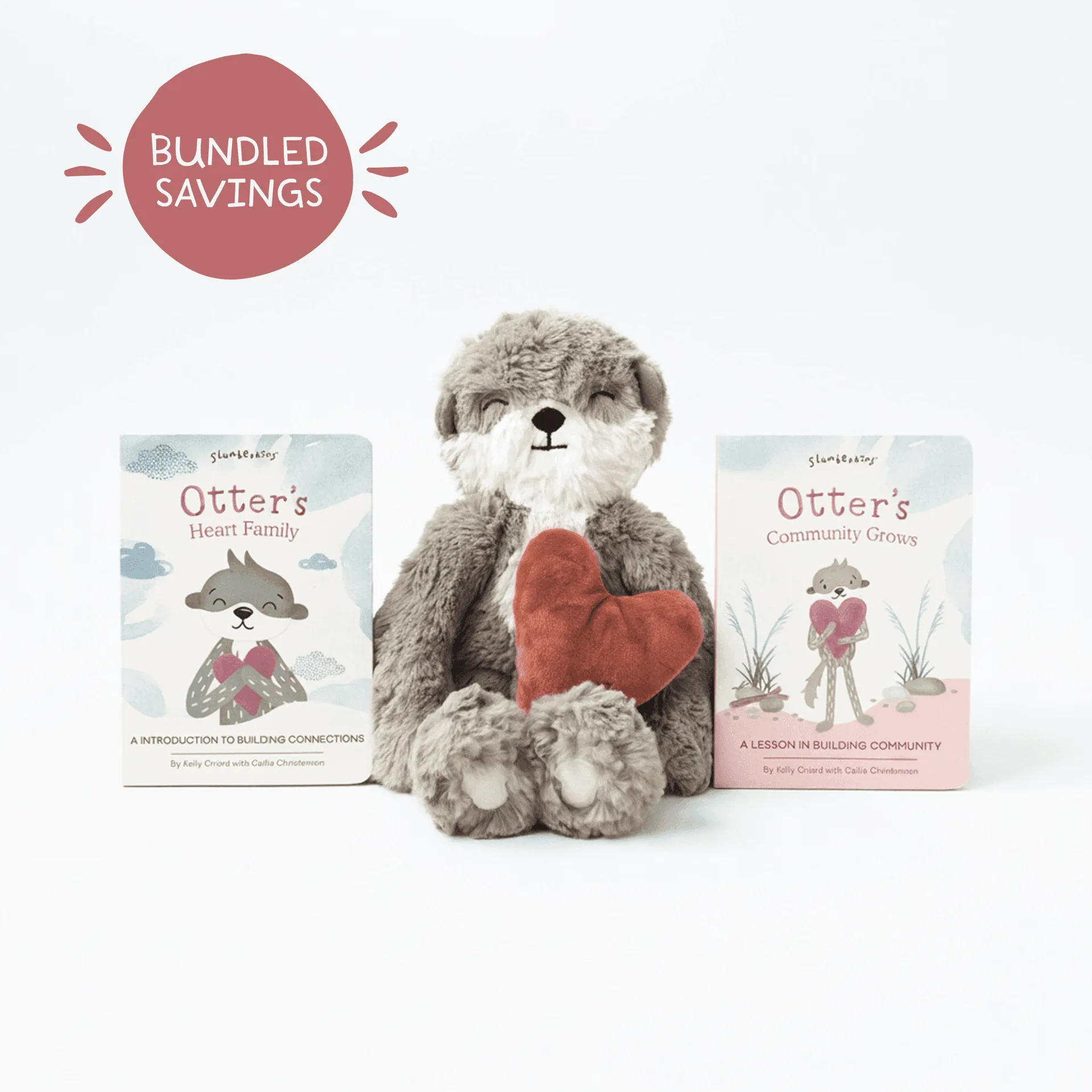
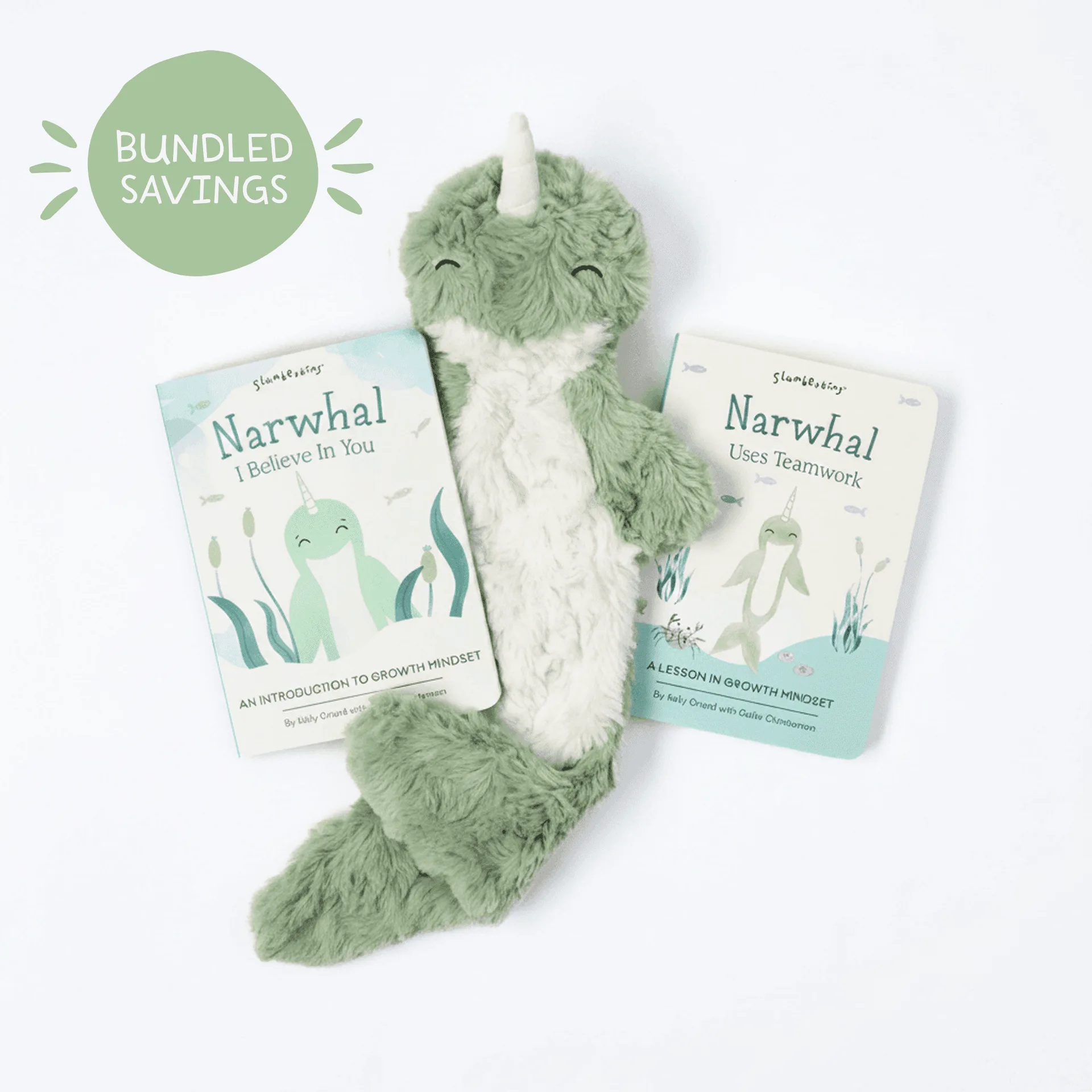
Choose SEL toys that pair a specific emotional skill with a hands-on comfort object and a simple, repeatable story or activity. Prioritize open-ended play and your child's temperament over trendy labels. If you want a ready-made starting point, Slumberkins Kin Bundles and Snugglers are designed around named skills like authenticity and connection, while the Bestsellers Bundle adds a game format for family practice.
Match the toy to the skill you want to practice
Social emotional learning is broad, so the most useful toys focus on one or two concrete skills rather than claiming to teach everything. Look for language on the packaging or product page that names the skill, such as 'building connections' or 'authenticity,' and check whether the included story or activity gives your child a way to practice that skill. For example, a plush paired with a story about expressing feelings gives you a script to use during tough moments. If the toy only says 'promotes emotional development' without specifics, treat that as a sign the learning design may be thin.
Decide between plush, game, and bundle formats
Plush toys and comfort objects work best for one-child comfort and bedtime routines, while games and activity sets shine for family interaction and turn-taking. Bundles can offer both but often cost more upfront. Consider how your child actually plays: a child who carries a lovey everywhere may get more from a Snuggler, while a child who thrives on structured family time may do better with a board game. The trade-off is that plush toys can be less structured for skill practice, and games may not offer the same calming comfort.
Check the story or activity for real-world practice
A story or activity should give your child words and actions to use outside of play. Flip through the book or read the game instructions before buying. Look for scenarios your child recognizes, like meeting someone new or feeling left out, and for prompts that invite your child to respond. If the story only tells a lesson without inviting interaction, it may be less effective for building skills. Also consider whether the reading level and game rules match your child's attention span; a beautiful set that frustrates your child won't get used.
Factor in durability, safety, and sensory needs
SEL toys get heavy use, so check stitching, fabric softness, and whether the plush is machine washable if that matters to you. For children with sensory sensitivities, pay attention to texture and weight; a heavier or plusher toy may be more calming. If a product page doesn't list washing instructions or materials, treat that as missing information and ask the seller before buying. Remember that no toy replaces consistent adult modeling and conversation, so choose something you can comfortably use together.
Decision rules for buying SEL toys
- If your child needs comfort and calming: Choose a plush or Snuggler format that can be carried and cuddled. Prioritize softness and washability over extra activity pieces. Plush first, story second.
- If your child learns through play with others: Choose a game or activity-based set that requires turn-taking and discussion. Check that the rules are simple enough for your child's age. Game or family bundle over solo plush.
- If you want a specific skill focus: Read the product description for named skills like authenticity or building connections. Avoid vague 'emotional development' claims without a clear practice activity. Named skill + practice activity = better buy.
- If you're unsure about fit: Start with a single Kin or Snuggler rather than a large bundle. You can add a game or second skill later once you see what your child uses. Test with one item before bundling.
Product facts to know
- Unicorn Kin: Promotes authenticity, self-expression, and emotional safety; includes interactive stories that celebrate individuality. If your child is working on expressing their true self, this bundle gives you a named skill and a story to practice it.
- Unicorn Snuggler: Promotes authenticity, self-expression, and emotional safety; includes interactive stories that celebrate individuality. A Snuggler offers the same skill focus in a plush-only format, which may suit a child who wants a comfort object without a full bundle.
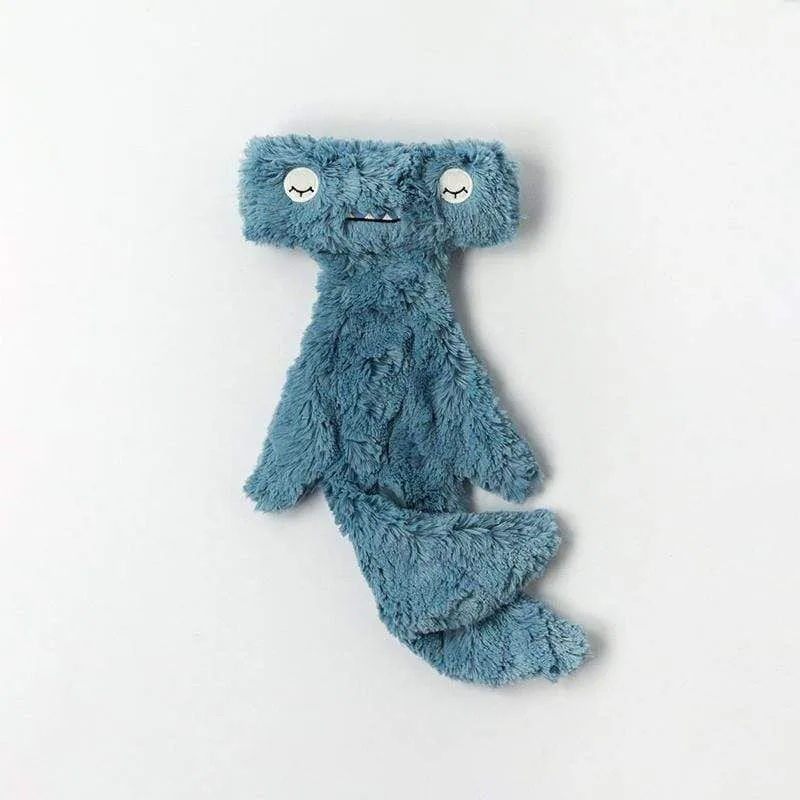
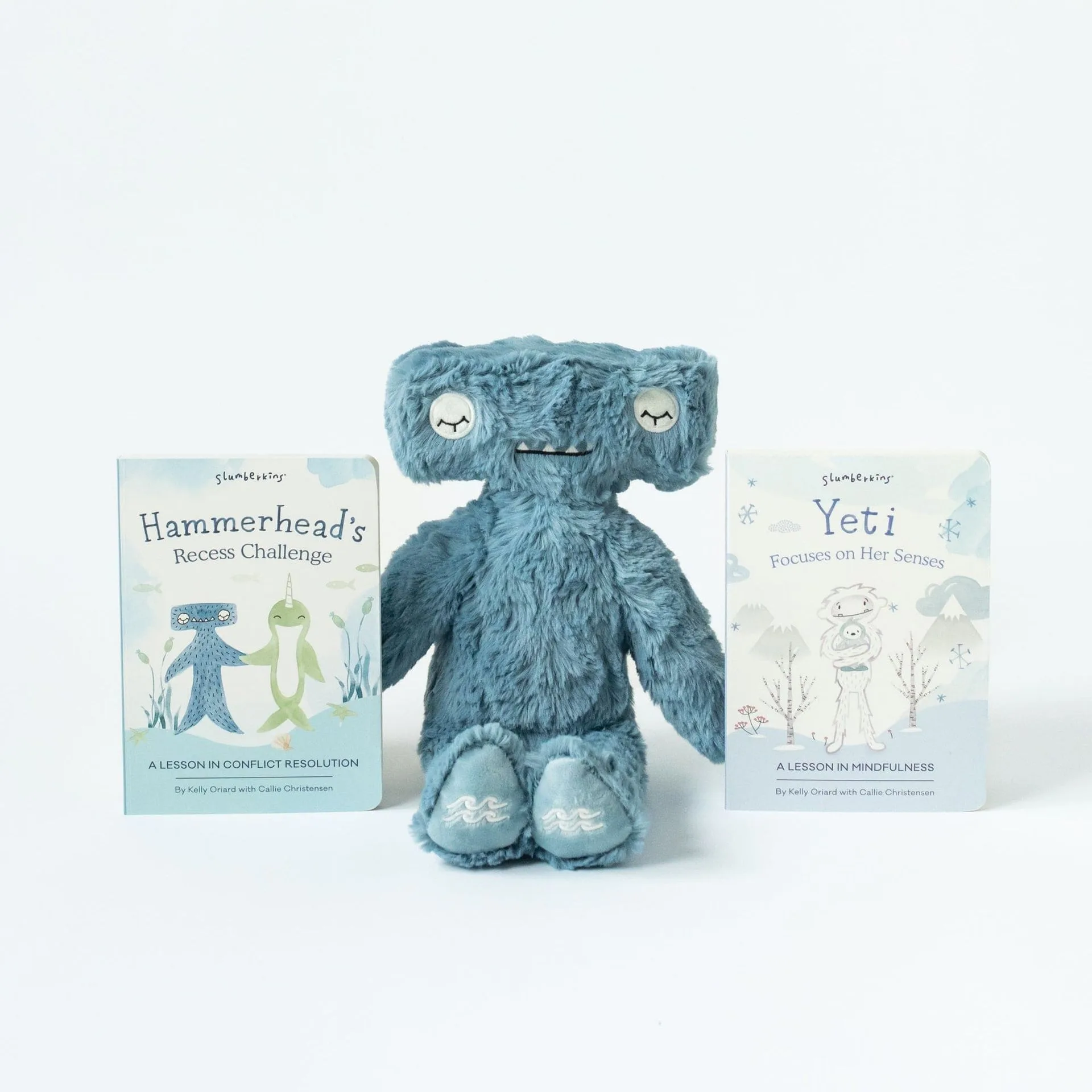
- Bestsellers Bundle: Hammerhead Kin & Feelings Adventure Board Game: Bundles Hammerhead's Conflict Resolution Set and the Feelings Adventure Board Game for family night. This set shifts practice into a game format, which can help families who learn better through structured play together.
- Otter Snuggler: Promotes building connections, acceptance, and community engagement; stories illustrate relationship skills. Choose this if your child is navigating friendships or belonging, rather than self-expression.
Who this guide is for
Best for
- Parents of preschoolers and early elementary kids who want to build emotional skills through play
- Families looking for a structured but gentle way to talk about feelings and relationships
- Gift-givers who want a toy with a clear purpose beyond entertainment
Not for
- Parents looking for a purely academic toy or screen-based learning
- Those who want a quick fix without adult involvement in the play
- Children who prefer open-ended building or art materials over plush and story-based toys