Quick answer
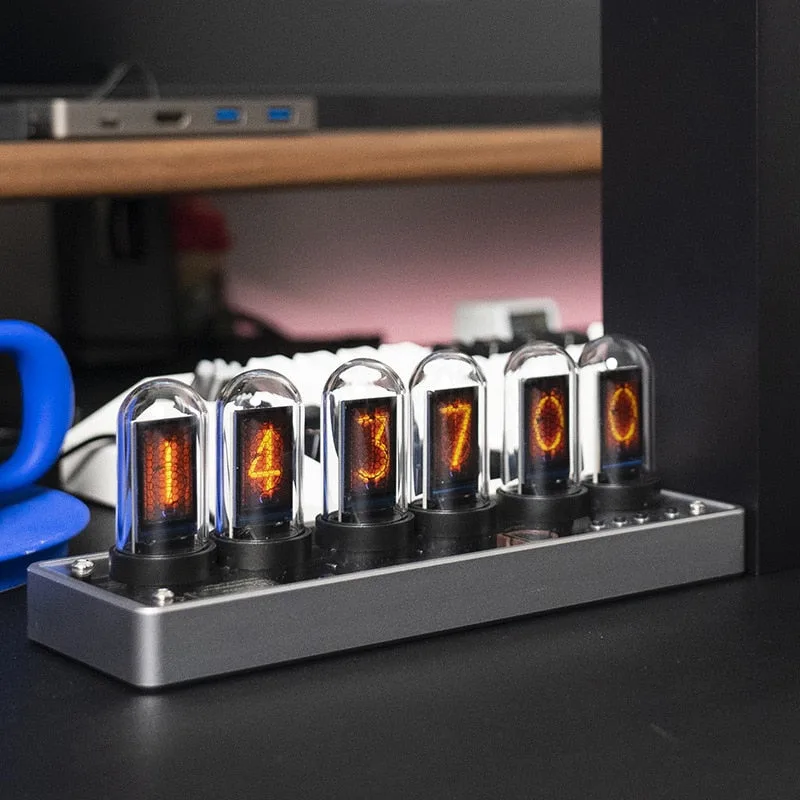
Decide first whether you want a pure vintage display or a modern electronic nixie clock that adds moving color effects, sound, and programmable behavior. Then check the power supply, how the clock keeps time, and whether the case and tube layout fit the room where it will live. If you want a futuristic centerpiece rather than a plain timekeeper, the Nixie Tube Clock Metal is the most feature-forward option in this store's catalog.
Start with the display behavior, not the tube shape
Most nixie buying advice focuses on tube size and glow color, but the bigger split is between clocks that only show time and clocks that animate. A traditional nixie clock displays static digits; a modern electronic design can program and move color across the display, which changes how the clock feels in a dark room. If you plan to keep it on a desk or shelf where you will see it for hours, display behavior matters more than a slightly larger tube.
Think about where the clock will sit before you fall in love with a photo. A moving, multicolor display reads as a focal point and can compete with a TV or monitor nearby. A static display is calmer and easier to live with in a bedroom. Neither is wrong, but choosing the wrong one for the room is the most common reason a nixie clock ends up in a drawer.
Power supply: the spec buyers forget to check
Nixie tubes need a higher voltage than a typical USB gadget, so the clock will come with its own power arrangement. Before buying, confirm how the clock is powered and whether that suits your outlet placement. A clock that needs a wall outlet limits where you can put it; a clock with a battery option is more flexible but may behave differently depending on the design.
Cable length and plug type are rarely listed in detail, so treat them as open questions rather than assumptions. If the listing does not state the cord length or adapter type, plan for the clock to sit near an outlet. That single constraint eliminates more placement ideas than any other specification.
Accuracy and how the clock keeps time
A nixie clock is a display technology first and a timekeeping device second, so do not assume laboratory accuracy. The listing should tell you how the clock maintains time, but if it does not, ask before buying. Accuracy matters most if you will use the clock as your primary time source; it matters less if you treat it as decorative art that happens to tell time.
If precise timekeeping is your priority, compare the clock's stated timekeeping method against a simple quartz clock. If the listing is silent on accuracy, treat that as a limitation and decide whether you can accept drift. For most buyers, the glow and presence of the clock outweigh a few seconds of drift per month.
Build, size, and where the clock will live
Measure the shelf, desk, or nightstand before you order. Nixie clocks are often wider and deeper than they look in product photos because the tubes and housing add bulk. A clock that fits visually in a photo can still crowd a narrow shelf or block a power strip.
Material and finish also affect the room. A metal case reads as industrial or futuristic and pairs well with dark desks and modern decor. A wood or plastic case reads warmer and fits traditional rooms. Match the case to the room first, then choose the tube layout, because the case is what you see when the clock is off.
Features that justify a higher price
Extra features are only worth paying for if you will actually use them. A built-in speaker, programmable color modes, or side displays can turn a clock into a small entertainment piece, but they also add complexity and more ways for the clock to feel busy. Buy the feature set that matches how you will interact with the clock daily, not the longest feature list.
If you want a conversation piece, features are the point. If you want a quiet timekeeper, pay for tube quality and build instead. This is the single decision that separates a satisfying purchase from a regretful one.
Decision rules for choosing a nixie clock
- If you want animation and sound: Choose a modern electronic nixie clock with programmable color displays, like the Nixie Tube Clock Metal, and accept that it will draw attention in the room. Buy for the experience, not for minimalism.
- If you want a quiet vintage timepiece: Prioritize a simple static display and solid case, and skip clocks with speakers or moving color modes that add complexity you will not use. Fewer features usually means fewer distractions.
- If outlet placement is tight: Confirm the power supply and cord situation before ordering, and plan the clock's location around an outlet rather than assuming a long cable. Measure the spot and the outlet distance first.
- If accuracy is your main concern: Ask how the clock keeps time when the listing does not say, and treat missing accuracy information as a real limitation rather than a detail. No stated accuracy means you are buying decor first.
Catalog facts that affect your decision
- Nixie Tube Clock Metal: A more modern Nixie clock than any other, with a modern electronic design, programmed and moving color displays, six changeable sides, and a built-in speaker for music. This is the choice for buyers who want an animated, feature-rich centerpiece rather than a static vintage display.
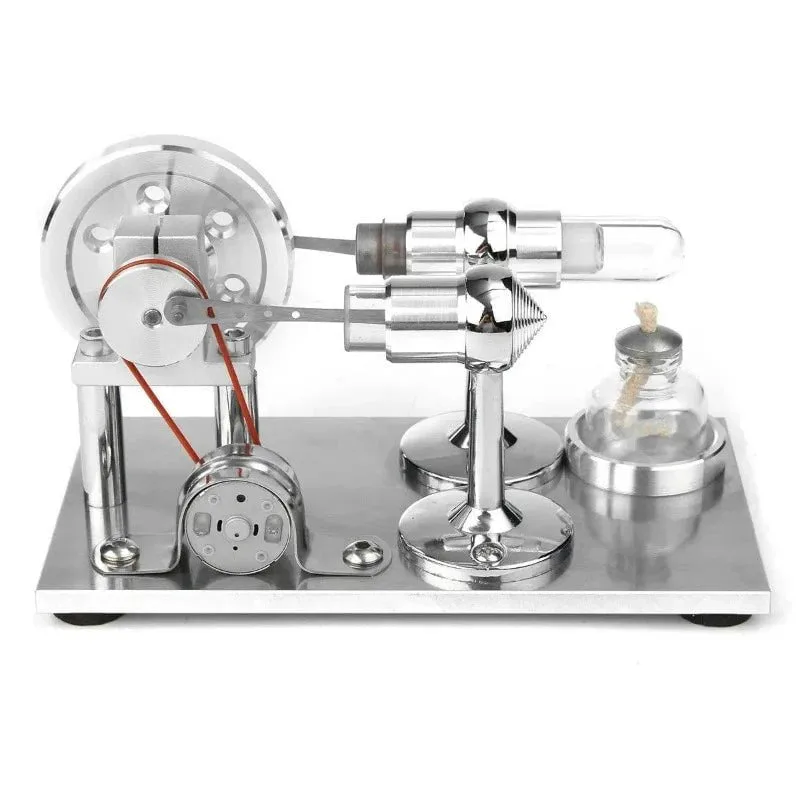
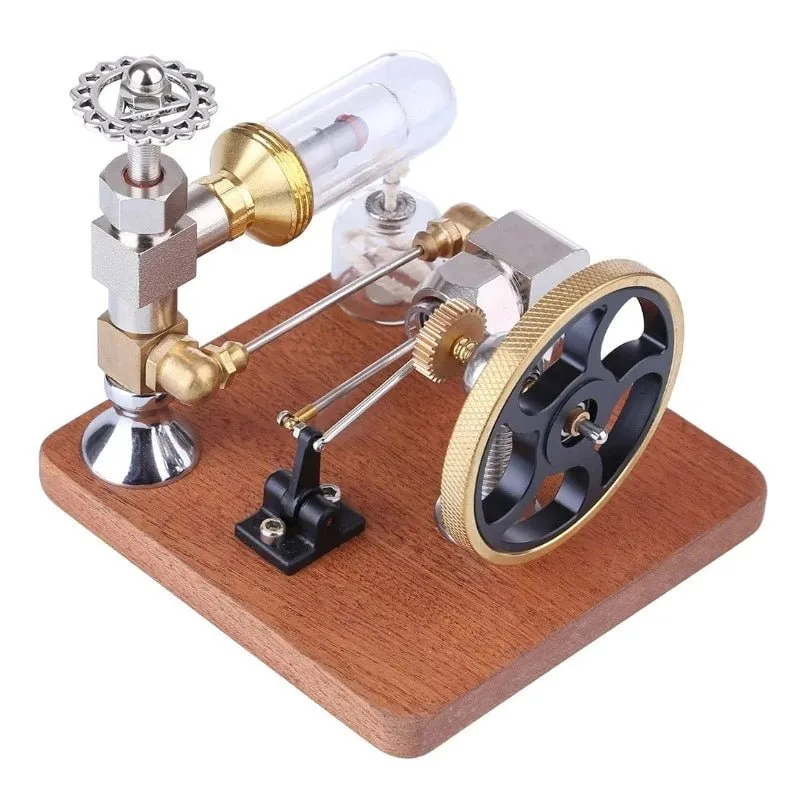
- Candle-Powered Stirling Engine: A candle-powered Stirling engine with a refined appearance and solid construction, designed for hands-on exploration of thermodynamic physics. If your real interest is visible mechanical motion and learning, a heat-powered engine may satisfy you more than a nixie clock at a lower price.
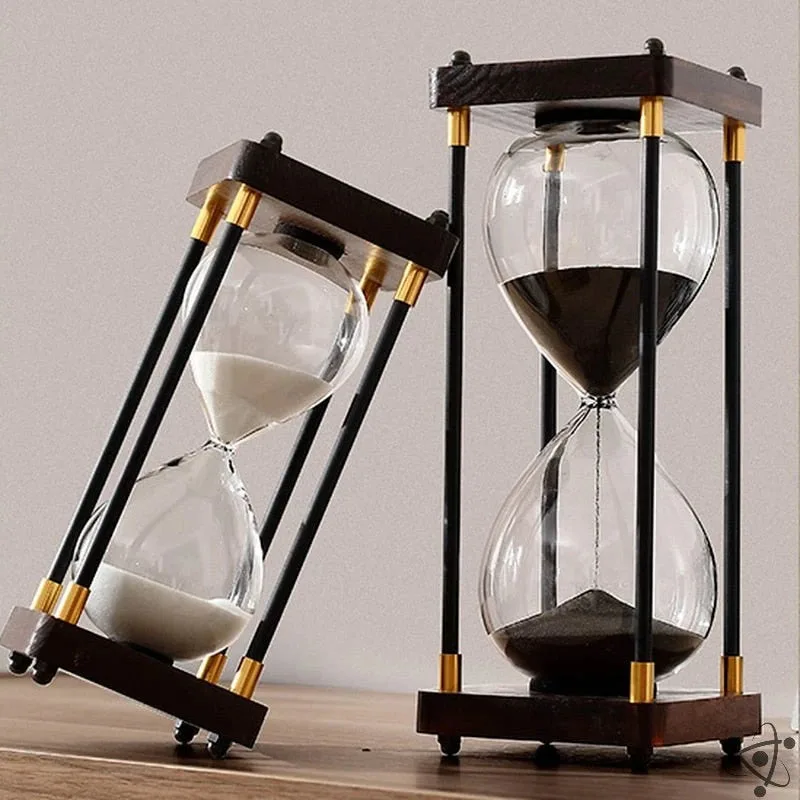
- Multicolored Hourglass: A multicolored hourglass available in 30-minute and 60-minute versions, with a classic silhouette and bold colors for timing tasks, meditation, or decoration. If you mainly want a colorful time-tracking object for a desk or meditation corner, an hourglass covers that need without the power and accuracy questions of a nixie clock.
Who should buy which option
Best for
- Buyers who want a futuristic, animated nixie clock with color effects and a built-in speaker
- Desks, studios, or living rooms where a glowing focal point is welcome
- Shoppers who enjoy programmable gadgets and changing display modes
Not for
- Buyers who want a silent, static vintage clock with no extra features
- Bedrooms or small spaces where a bright animated display would be distracting
- Shoppers who need guaranteed timekeeping accuracy and cannot accept an unstated specification