Quick answer
Pack for the route you are actually climbing, not for a generic alpine day. Start with the footwear decision, because it drives everything else: choose a mountaineering boot if the day mixes steep snow, ice, or long approaches with a pack, and choose a climbing shoe only when the day is mostly rock and the approach is short. Then build the rest of the pack around weather, objective hazard, and how far you are from the car.
Start with the route, not the rack
The most common packing mistake is bringing gear for the hardest pitch instead of the whole day. Write down three things before you touch your pack: the crux pitch, the approach length, and the descent. If the descent is a long walk-off, you need footwear and layers that still work when you are tired and moving slowly. If the approach is short and the day is mostly rock, a heavy boot becomes dead weight on your feet.
Footwear: the decision that changes your pack
Alpine footwear splits into two jobs: moving efficiently on snow and ice with a pack, and climbing rock precisely. A mountaineering boot handles the first job and tolerates the second. A climbing shoe handles the second job and is miserable for the first. If your day includes more than a short snow slope or a long approach, plan around a boot and accept the extra weight. If the day is a rock route with a dry, short approach, a climbing shoe is the better tool.
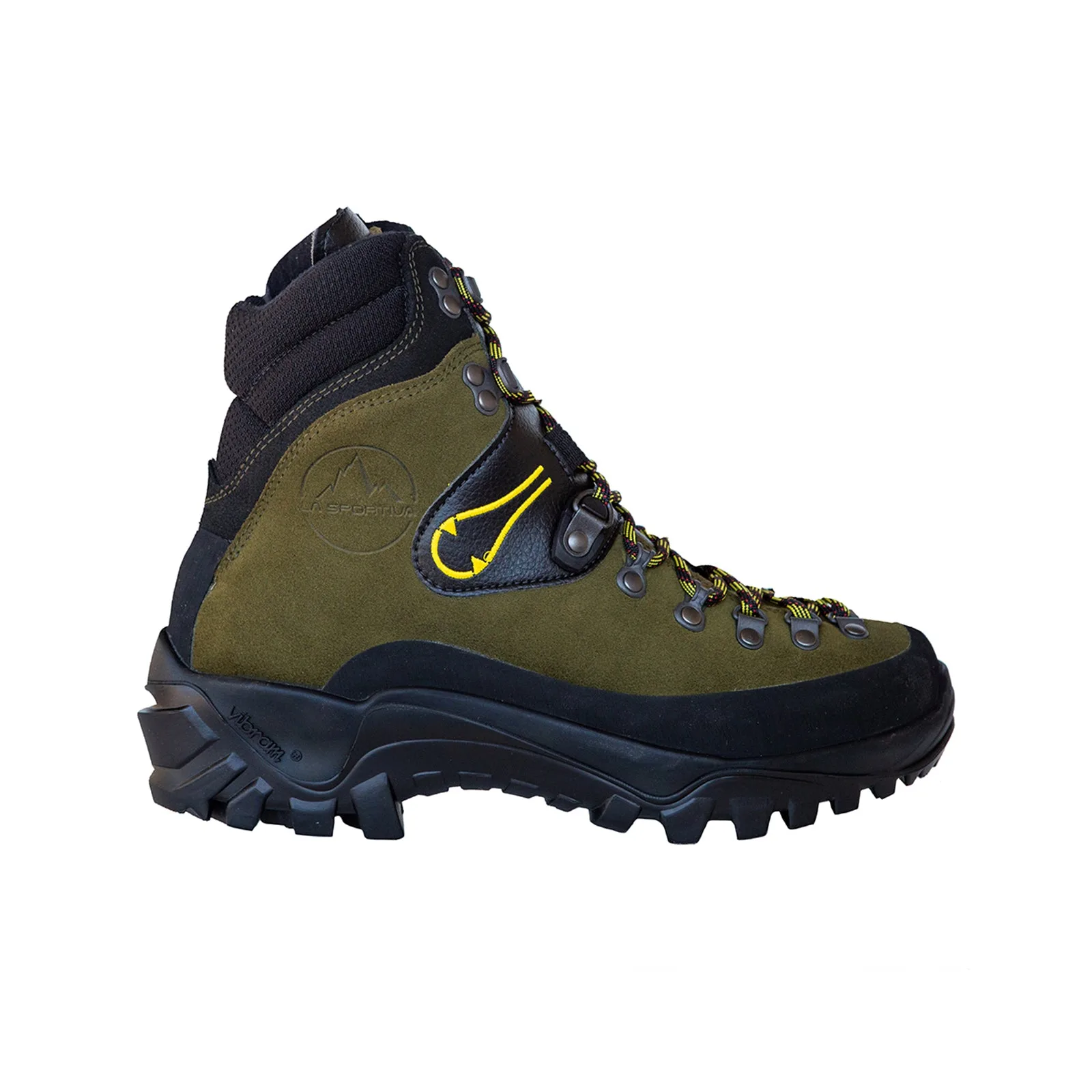
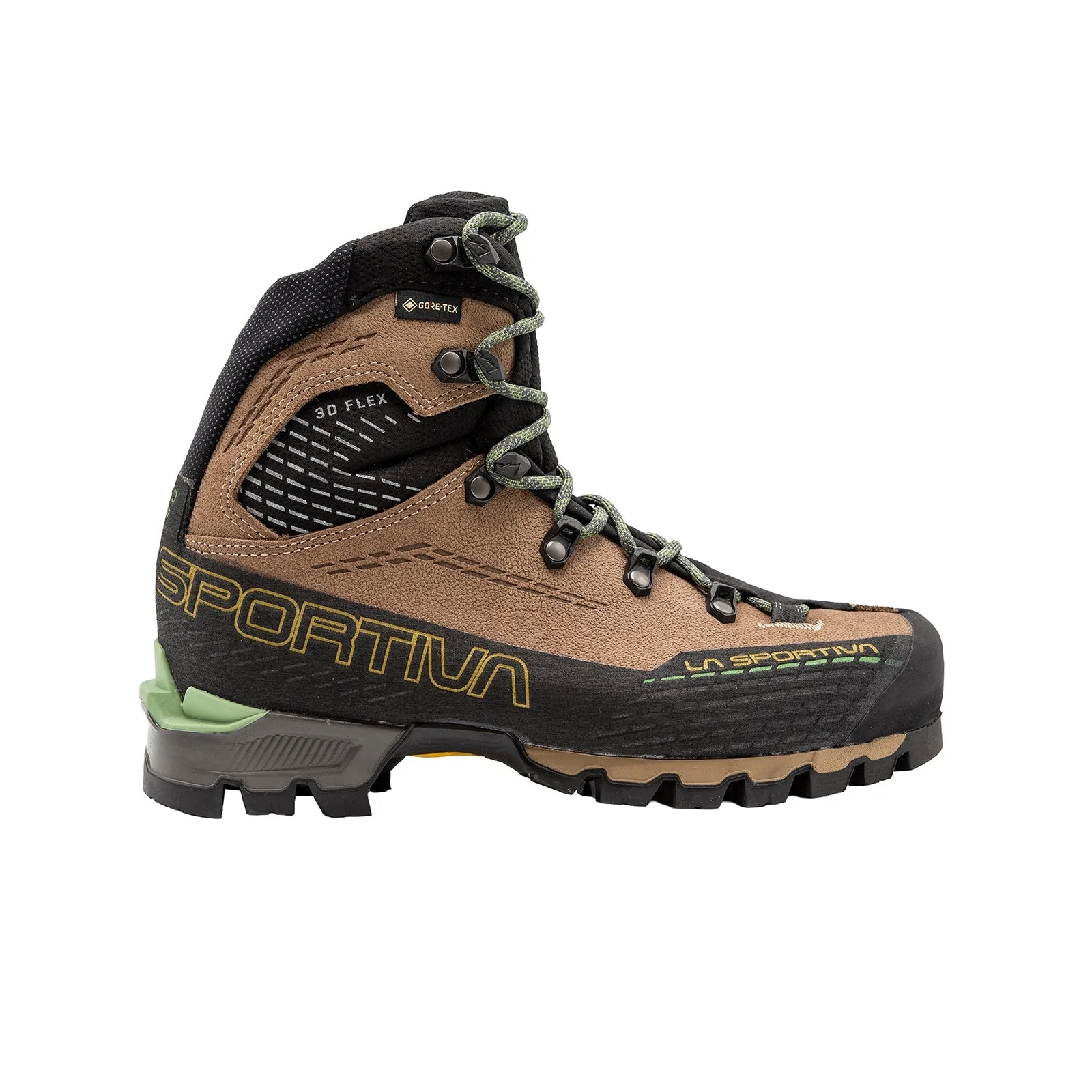
For mixed days where you cannot choose, look at how the boot is described rather than guessing. The Trango Alpine Women's GTX is described as offering stability in climbing and all-day comfort for mountaineering days, which points to a day that mixes steep terrain with sustained movement. The Karakorum is described as a versatile leather boot for light duty mountaineering, heavy hiking, and backpacking, which points to long approaches and moderate terrain rather than technical rock.
Layers and the top of your pack
Alpine weather changes faster than the forecast, so pack layers you can add and remove without stopping for long. A natural-fiber sweatshirt works as a warm midlayer or a rest-stop layer on cooler days, and it packs small enough to live near the top of the pack. Keep your insulation and shell where you can reach them without unpacking the whole bag, because the moment you need them is usually the moment you are exposed and moving slowly.
The rest of the mountaineering day pack list
Beyond footwear and layers, keep the pack lean. Carry water and food for the actual hours out, plus a small margin for a slow descent. Bring navigation, a headlamp, and a light repair kit even on a day you expect to finish in daylight. Add hardware only for the pitches you will actually climb, and leave the just-in-case rack at home unless the route description calls for it. Weigh the pack before you leave; if it feels heavy for the approach, remove something you have not used in the last three similar days.
Decision rules for an alpine day
- If the day is more than half snow, ice, or long approach: Pack a mountaineering boot and leave the climbing shoes at home. The boot is heavier, but it is the tool that keeps the day moving when the terrain turns. Boot first, then build the rest of the pack around it.
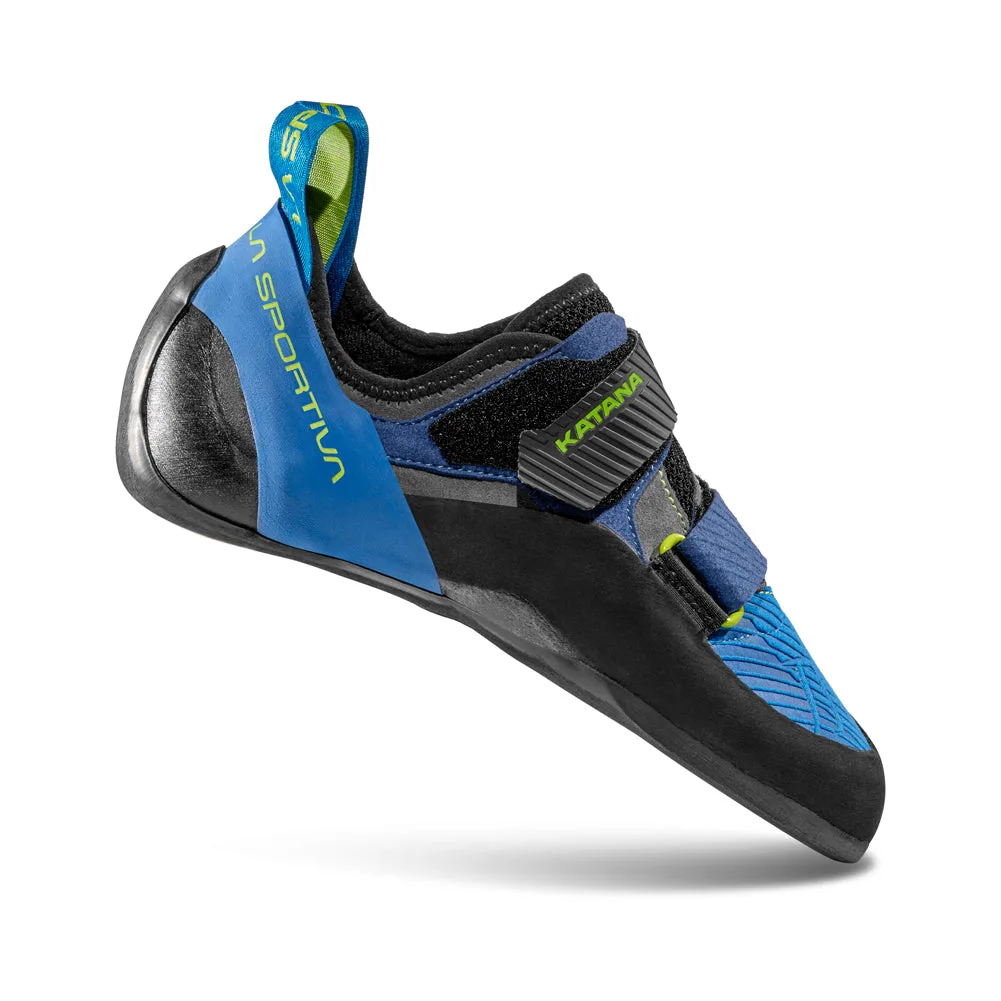
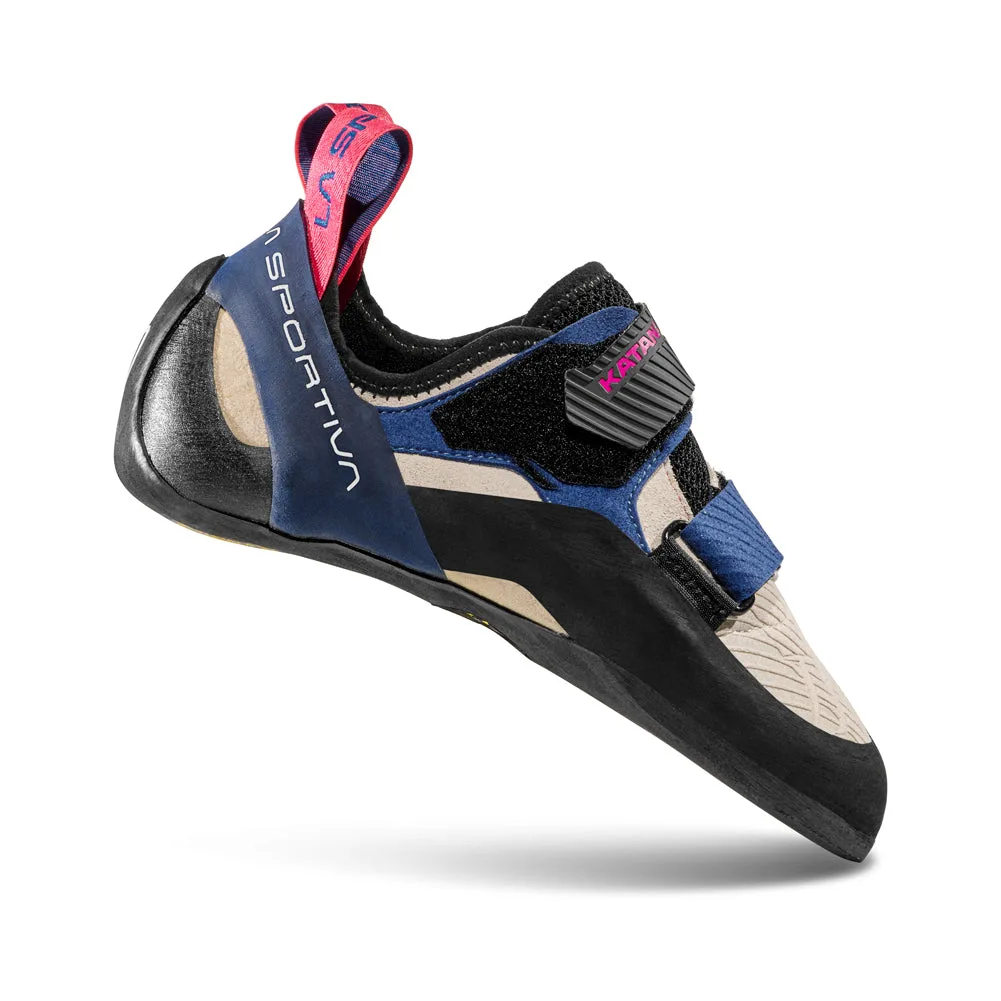
- If the day is mostly rock with a short, dry approach: A climbing shoe is the better tool, and a flat lasted shoe like the Katana Women's is a reasonable choice for all-day comfort on moderate rock. Do not carry a boot you will not wear on the route.
- If you are unsure, decide by descent: A long or uncertain descent favors the more supportive footwear, even if the climbing is easier than you hoped. Tired feet on a walk-off are where days go wrong. When in doubt, choose the option that protects the descent.
Products that fit this checklist
- Trango Alpine Women's GTX: The Trango Alpine Women's GTX is described as offering phenomenal stability in climbing and all-day comfort for mountaineering days, combining classic materials with innovative solutions for adventures to the highest alpine peaks. This is the boot to plan around when your day mixes steep terrain with sustained movement, because it is built to keep working after the crux.
- Karakorum: The Karakorum is described as a versatile leather mountaineering and backpacking boot for light duty mountaineering, heavy hiking, backpacking, and outdoor work situations that need durable support and all-day comfort. Choose this when the day is mostly approach and moderate terrain with a heavy pack, rather than technical rock.
- Katana Women's: The Katana Women's is a dual strap, flat lasted climbing shoe with a pointed toe and flat lasted sole, and it now includes the P3 patented system to help maintain its midsole shape further into the shoe's lifespan. This is the right choice only when the day is mostly rock and the approach is short, because a flat lasted shoe is not a snow or long-approach tool.
Who this checklist fits
Best for
- Climbers planning a single alpine day who want a route-first packing decision
- People choosing between a mountaineering boot and a climbing shoe for a mixed day
Not for
- Multi-day expeditions that need a different resupply and shelter plan
- Pure rock days where a climbing shoe is the only footwear decision that matters