Quick answer
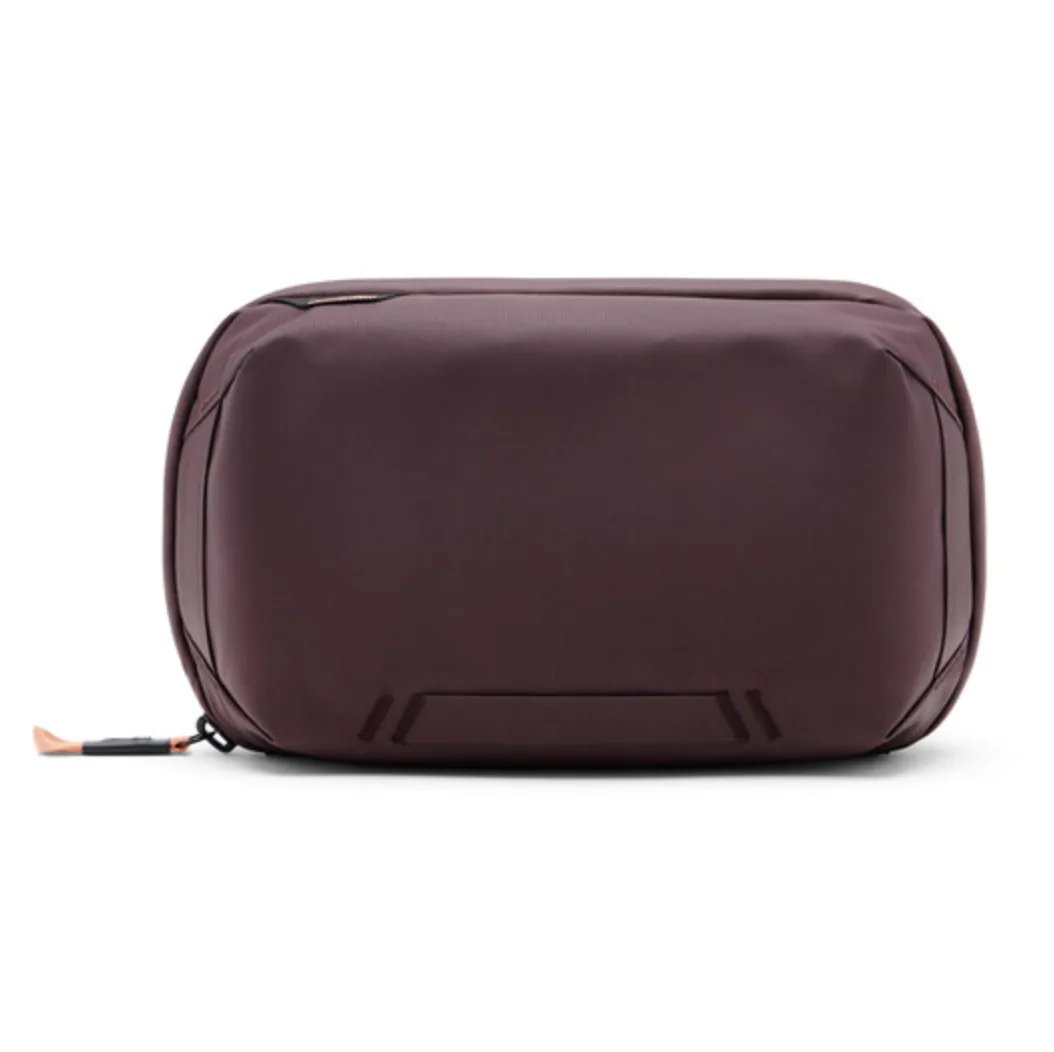
Pack a camera tech pouch in layers: flat items first, then cables in elastic loops, then small accessories in pockets, and finally the pouch into your bag. For a daily camera carry setup, keep only one charger, one spare battery per camera, and the cables you actually use. A 2-liter pouch such as the Peak Design Tech Pouch (Eclipse, 2L) holds this kit without becoming a junk drawer.
Choose the right pouch size before you pack
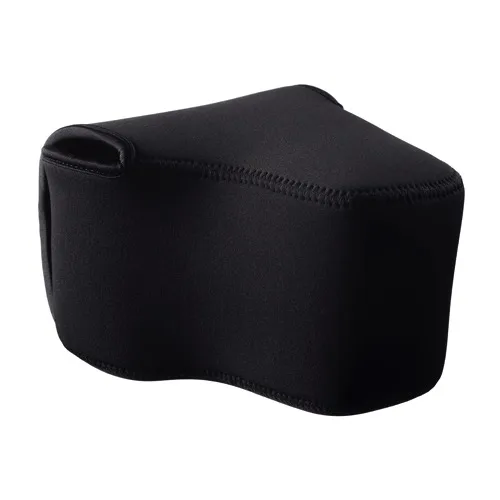
A pouch that is too large invites clutter, while one that is too small forces you to cram. For daily carry, a 2-liter organizer pouch is a practical middle ground: it fits cables, chargers, and small electronics without dominating a backpack. The Peak Design Tech Pouch (Eclipse, 2L) is built for exactly this kind of stowage. If you carry a DSLR and want scratch protection rather than pure organization, a neoprene pouch such as the ProMaster Neoprene DSLR Camera Pouch - Small offers a different tradeoff: soft, elastic protection with a zippered accessory compartment and a built-in tether that connects to your camera's neck strap.
Separate camera protection from accessory organization
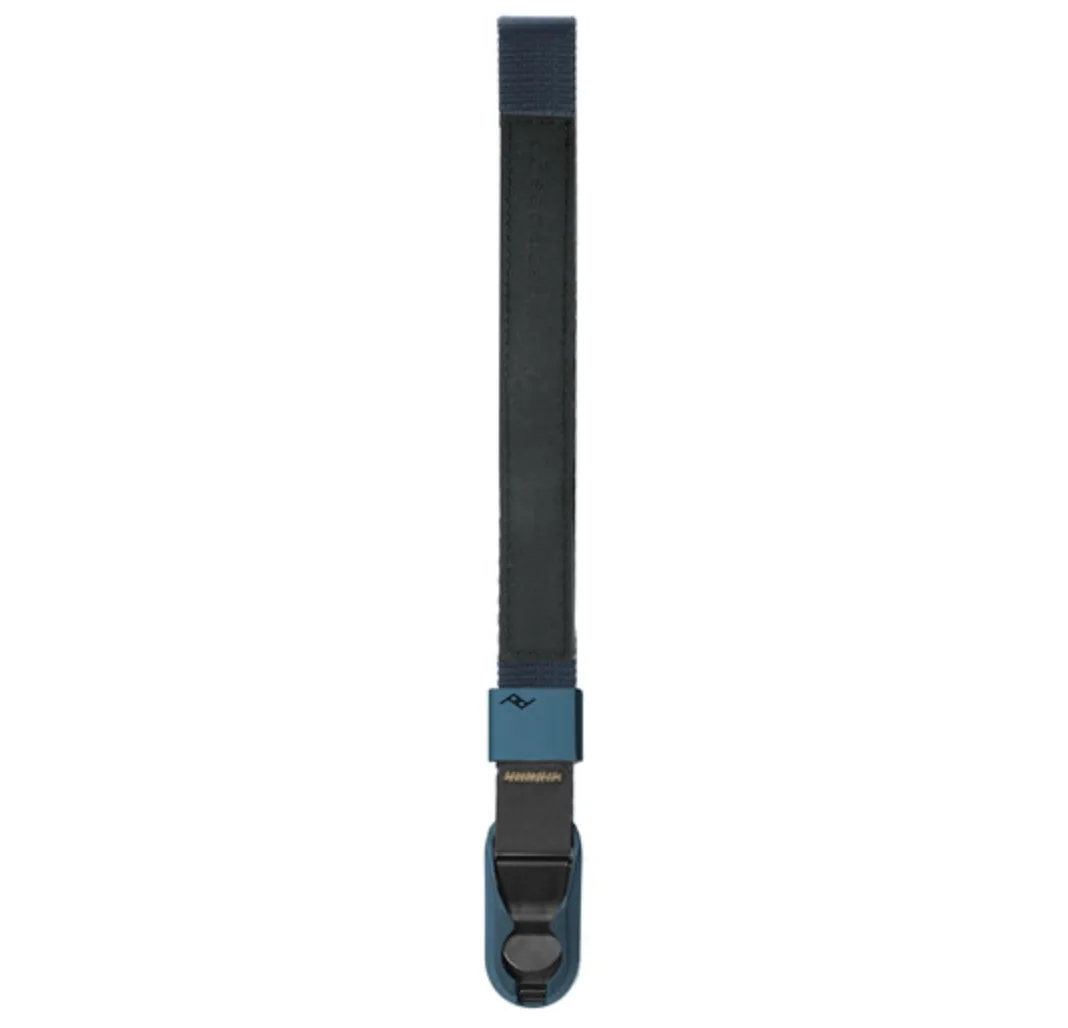
Your camera body and your cables have different needs. A camera pouch protects against scratches and scrapes; an organizer pouch keeps small items from tangling. Trying to make one pouch do both usually means the camera presses on cable connectors or the accessories scratch the camera. Decide which pouch carries the camera and which carries the tech, then pack them independently. The ProMaster neoprene pouch is designed for fast access to a DSLR, while a tech pouch handles the smaller items. If you use a wrist strap, the Peak Design Cuff Camera Wrist Strap (Ocean) keeps the camera close while you shoot and detaches quickly when you need to stow it.
Eight steps to pack a camera tech pouch
- Empty the pouch completely: Turn the pouch upside down and remove everything, including old receipts, lens cloths, and cables you no longer use. Checkpoint: if you have not used an item in two weeks, leave it out of the daily kit.
- Sort items into three piles: Make piles for power (batteries, chargers), connection (cables, card reader), and care (cloth, blower, caps). Common mistake: mixing piles leads to cables wrapped around delicate items.
- Place flat items against the back wall: Slide memory cards, a card reader, and flat adapters into the rear sleeve or flat pocket first so they do not float around. Checkpoint: the pouch should still close without pressure at this stage.
- Loop cables into elastic retainers: Coil each cable to a size that fits the elastic loops, then secure it. Use one loop per cable rather than bundling several together. Common mistake: overfilling one loop makes cables hard to remove and strains the elastic.
- Add power items in the center: Put the charger and spare batteries in the main compartment, keeping battery contacts away from metal objects. Checkpoint: batteries should not rattle against each other; use a small pouch or divider if they do.
- Use small pockets for tiny accessories: Store lens caps, a microfiber cloth, and adapters in the smallest pockets so they do not migrate into the main space. Common mistake: dropping tiny items loose in the main compartment makes them hard to find and easy to lose.
- Test the pouch in your bag: Place the loaded pouch into your daily bag. It should slide in without forcing the zipper or bulging the bag's shape. Checkpoint: if the pouch distorts your bag, remove one item or move it to a different pocket.
Product facts for this setup
- Peak Design Tech Pouch (Eclipse, 2L): The Peak Design Tech Pouch in Eclipse is a 2-liter organizer pouch ideal for keeping your cables, chargers, and small electronics neatly stowed, and it fits easily into larger bags or can be used on its own. A 2-liter capacity gives you enough room for a daily cable and charger kit without turning the pouch into a bulky second bag.
- Promaster Neoprene DSLR Camera Pouch - Small: The ProMaster Neoprene DSLR Camera Pouch offers lightweight protection for your DSLR camera along with fast access; the soft, elastic neoprene protects your camera from scratches and scrapes without adding the bulk of a traditional camera case, and a zippered compartment holds extra camera accessories. If your daily carry includes a DSLR, this pouch protects the camera while the zippered compartment keeps a few accessories separate from the body.
- Peak Design Cuff Camera Wrist Strap (Ocean): The Peak Design Cuff Camera Wrist Strap in Ocean offers a secure wrist-loop design, a quick-release mechanism, and adjustable length. A wrist strap keeps the camera attached during movement and detaches quickly when you pack the camera away, which reduces the chance of dropping it while reorganizing your bag.