Quick answer
Pack for the projects you have actually prepped, not the ones you hope to start. Bring your machine with its power cord and foot pedal, a fresh needle, one or two spools of all-purpose thread, your pre-cut fabric, a small pressing mat, a portable light, and a bag that keeps handwork contained. Then add comfort items: layers, snacks, a refillable water bottle, and any medication.
Start with your projects, not your supplies
The most common retreat mistake is packing a full stash and finishing nothing. Decide on two projects before you pack: one machine project and one hand or slow project for evenings. Pre-cut everything the pattern allows, bag each project separately with its pattern and notes, and label the bags. If you are bringing a kit, check that it already includes the fabric and pattern so you do not duplicate. A grab-and-go project bag makes the handwork portion easy to carry between your sewing station and your room.
How much thread should you bring to a quilt retreat?
Bring one spool per color family you are actually sewing, plus one backup of your main neutral. For most piecing, a 250-meter all-purpose polyester thread handles machine and hand sewing and works with a universal needle. If you are quilting a large project, bring two spools of the top thread and one bobbin wound ahead of time. Retreats rarely have a shop on site, so a spare spool prevents a stalled project.
What fabric should go in the bag?
Pack only the yardage your chosen patterns call for, cut to the sizes listed. If a project needs background fabric, measure and cut it at home where you have a full cutting table. Retreat tables are often smaller than yours, and rotary cutting space is shared. For a scrappy project, pre-cut your pieces into labeled zip bags by size so you can chain-piece without sorting on site.
Which tools are worth the space?
Your machine, its manual, the power cord, the foot pedal, and a fresh needle are non-negotiable. Add a small mat and rotary cutter, a ruler you actually use, seam ripper, pins or clips, scissors, and a stiletto. A portable pressing mat and mini iron save you from waiting in line at the shared ironing station. Bring a small bag for scraps so you do not leave a mess behind.
How do you keep your station comfortable and organized?
Retreat rooms are often cold in the morning and warm by afternoon, so pack layers. A portable task light helps when the room lighting is dim, and a small power strip lets you share an outlet without unplugging someone else. Keep a tray or bin for your most-used tools so you are not hunting for a seam ripper mid-seam. Label your machine and cords with your name.
What do first-timers usually forget?
Extension cords, a machine foot pedal that actually matches your machine, bobbin cases, and the manual for threading. Also commonly forgotten: a small first-aid kit, pain reliever, and a phone charger. If you take medication, pack it in your carry bag rather than a checked suitcase. A small notebook for pattern notes and a pen keeps you from relying on memory when you get home.
Retreat packing questions, answered
How many projects should I bring?
Two is the practical limit for most retreaters: one machine project and one hand project. More than that usually means you spend the weekend sorting instead of sewing. Pre-bag each project with its pattern, thread, and cut pieces.
Do I need to bring my own iron and mat?
Shared irons and mats are common at retreats, but a mini iron and small pressing mat let you press at your own table without waiting. A portable pressing setup is worth the car space.
What should I label before I go?
Put your name on your machine, power cord, foot pedal, rulers, and project bags. Shared rooms and shared tables make mix-ups easy. Labeling takes five minutes and prevents lost tools.
How do I pack fabric without overpacking?
Cut exactly what your chosen patterns require and leave the rest of the stash at home. If a project calls for a specific background, measure and cut it before you leave. Pre-cut fabric is the single biggest space saver.
What comfort items are easy to overlook?
Layers, a refillable water bottle, snacks, a small first-aid kit, and any medication belong in your bag. Retreat rooms often run cold in the morning and warm in the afternoon. Pack comfort items with your sewing gear so they do not get left behind.
Retreat-friendly picks from our shelves
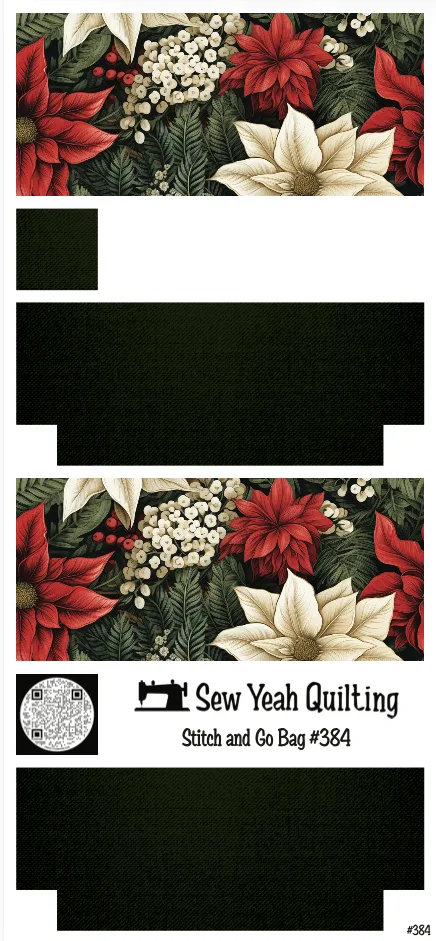
- Stitch & Go Bag #384 - Christmas Poinsettias Red & Cream, White Hydrangea & Ferns on Dark Green: The Stitch & Go Bag is made from durable waterproof canvas, designed and printed in-house in the USA, and sized for sewing supplies, travel essentials, and crafting on the go. A waterproof canvas bag keeps handwork and small tools dry and contained between your sewing station and your room, which matters when retreat spaces are shared.
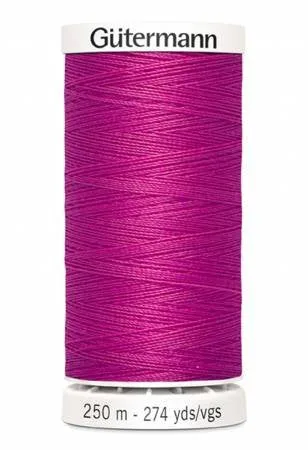
- Gutermann - Polyester All Purpose Thread - 250 m/274 yds - #320 - Dusty Rose: Gütermann Polyester All Purpose Thread in #320 Dusty Rose is a 250 m / 274 yd spool made with Micro Core Technology, suitable for machine and hand sewing and all stitch types, with a recommended universal needle size NM 70–90. One spool covers piecing and handwork, so you can pack a single backup rather than a full thread box, and the needle range tells you what to load before you leave.
- Morning Latte - Tile - Espresso - Yardage: Morning Latte by Sandy Gervais for Riley Blake Designs is 100% cotton, 43–44 inches wide, with delicate leaf and flower sprigs, and is intended for quilting, clothing, and home décor. Pre-cutting this yardage at home means you arrive with pieces ready to sew and use the retreat's shared cutting space only for trimming.