Quick answer
Pack your fanny pack in this order: optics first, then a weather layer, water, a snack, a field guide or app, a small repair kit, and one or two flat extras. A waist pack for walks works because it keeps weight at your center of gravity and leaves your back free to cool down. The best fanny pack for hiking a local patch is the one you can open, use, and close without taking it off.
Why a waist pack beats a backpack on short bird walks
On a one- to two-hour morning walk, a fanny pack or waist pack keeps your essentials at your hips, where you can reach them without swinging a bag off your shoulder. That matters when you are trying to stay quiet and still. A backpack holds more, but it also makes you hotter and forces you to stop and unshoulder it every time you want a lens cloth or a sip of water.
The tradeoff is capacity. A waist pack for walks will not carry a spotting scope, a full-size tripod, or a heavy camera body with a long lens. If your morning plan includes any of those, use a daypack and treat the fanny pack as a front pouch for quick-access items. For binoculars, a compact field guide, and a layer, a waist pack is usually enough.
What not to put in a fanny pack
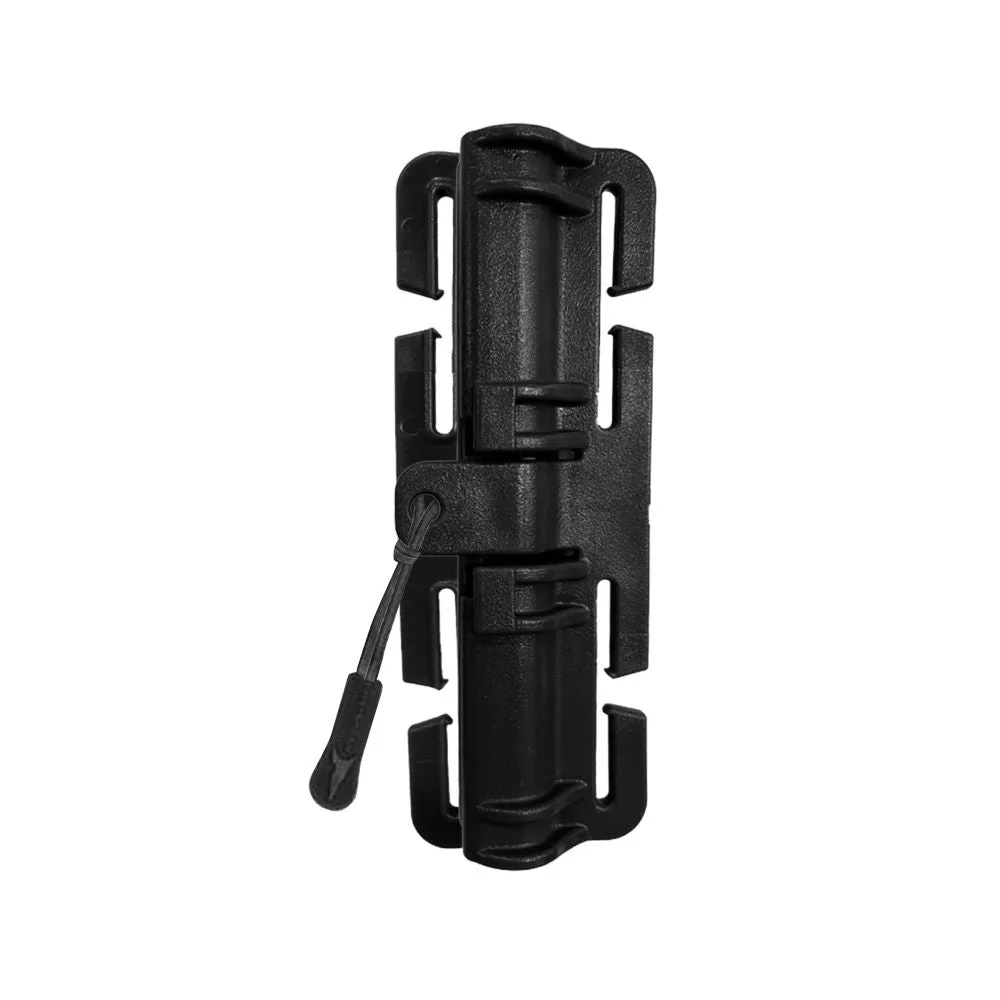
Skip anything that adds weight without earning its place. A full water bottle is better carried in a shoulder strap or a belt loop attachment than stuffed into the main pocket, where it will press against your stomach and make the pack ride up. Leave the heavy camera body at home unless you are specifically going out for photography. And do not pack a glass jar of peanut butter or a loose handful of trail mix; both turn into a mess when the pack tips over.
One more limit: a fanny pack for hiking short distances is not a substitute for a first-aid kit on a long or remote walk. If you are going somewhere without quick access to a car or a trailhead, add a small kit and tell someone your route.
Packing steps for a morning bird walk
- 1. Put your optics in first: Set your binoculars or compact camera in the main compartment before anything else so the heaviest item sits against your body, not on top of soft gear. If your binoculars hang from a harness, leave the pack's main pocket for the case and lens cloth. Checkpoint: can you open the main pocket, pull out the lens cloth, and close it without looking down? If not, move the cloth to a front pocket.
- 2. Add a weather layer you can tie around your waist: A light rain shell or a thin fleece folds into a flat bundle. Morning temperatures often rise faster than you expect, so pack a layer you can shed. Do not pack a bulky jacket; it will fill the whole pack and leave no room for water. Mistake to avoid: packing for the coldest possible weather instead of the weather you actually checked before leaving.
- 3. Carry water in a flat bottle or a strap attachment: A collapsible flask or a slim bottle fits better than a round one. If your pack has a side sleeve, use it. If not, clip the bottle to the belt or carry it in your hand. Dehydration sneaks up on cool mornings when you do not feel thirsty. Checkpoint: take a sip before you start walking, not after you feel dry.
- 4. Pack one snack in a sealed bag: A granola bar, a handful of nuts, or a piece of fruit in a zip-top bag keeps crumbs out of your optics. Eat it during a quiet sit, not while walking, so you do not crinkle wrappers and scare off birds. Mistake to avoid: loose snacks in the main pocket. They migrate into every crevice and attract insects.
- 5. Add a field guide or phone app plus a backup battery: A pocket guide or a phone with an offline bird app helps you confirm a tricky ID. If you use your phone for photos or calls, pack a small power bank and a short cable. Keep the phone in a pocket you can reach without unzipping the whole pack. Checkpoint: download your local checklist before you leave; signal is often poor on trails.
- 6. Include a small repair and comfort kit: A lens cloth, a spare hair tie, a couple of bandages, and a tiny multi-tool cover most morning emergencies. A folded plastic bag takes no space and protects your phone if it starts to rain. These items live in the front pocket so they never bury your optics. Mistake to avoid: overstuffing the front pocket until the zipper strains. If it bulges, you packed too much.
- 7. Slide in one flat extra and close up: A sticker, a small card, or a folded map fits flat against the back panel. This is also where a lightweight hoodie can go if you get warm and want to shed a layer without carrying it. Zip everything, then walk a few steps and adjust the belt so the pack sits on your hips, not your lower back. Final check: can you jog ten steps without the pack bouncing? If it moves, tighten the waist strap before you leave the parking lot.
Small extras that fit flat in a waist pack
- Bird Nerd Sticker: Printed on durable vinyl with a soft satin finish, scratch resistant and water resistant, 4 inches. A flat sticker takes up almost no room and gives you something to hand to a curious kid or a new birder you meet on the trail.
- Dove Wooden Ornament: Double-sided Hinoki wood ornament with five colorways and a magnetic back. Too bulky for the pack itself, but a good small gift to leave in the car or wrap for a fellow dove-watcher after the walk.
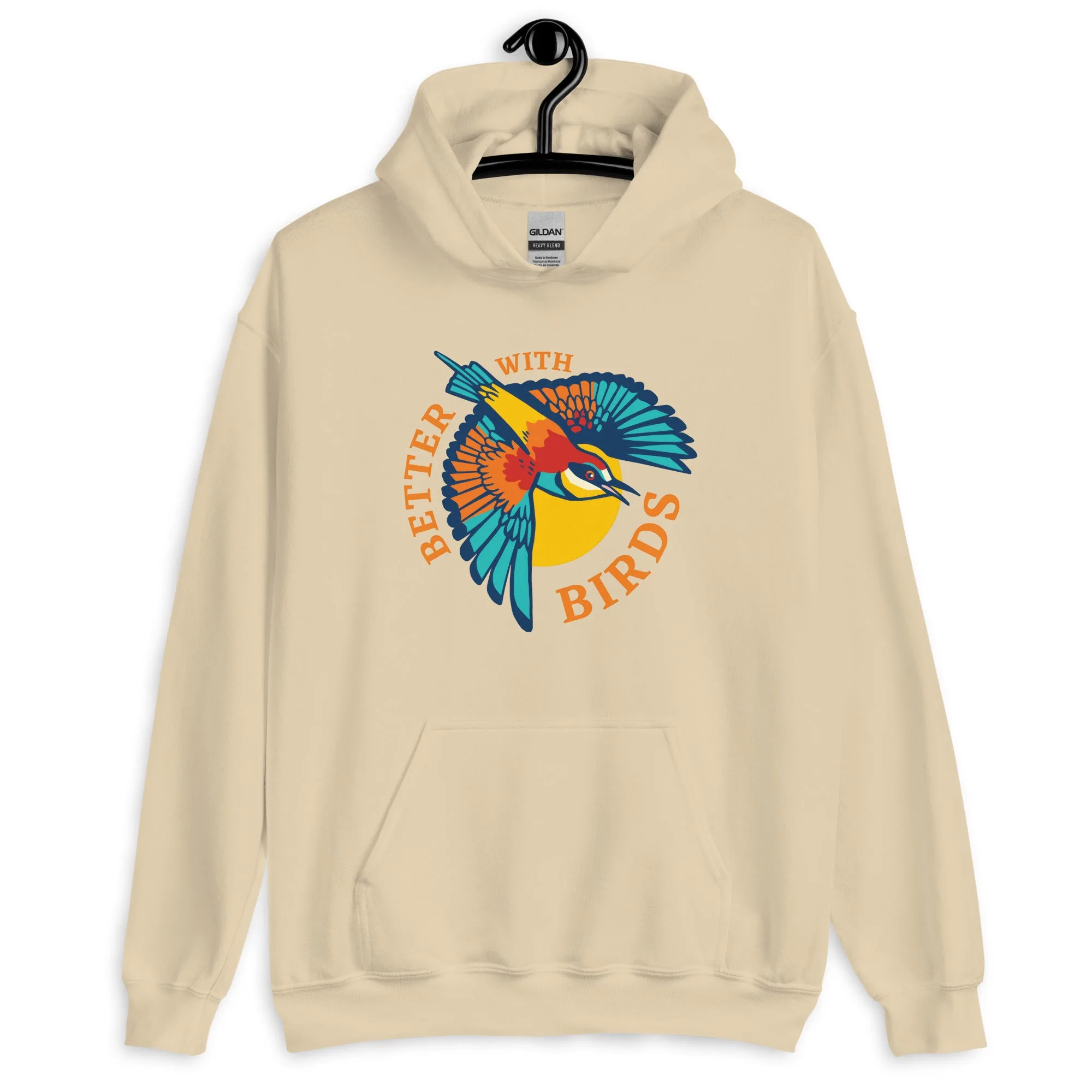
- Better With Birds Unisex Hoodie: Unisex hoodie in a pre-shrunk cotton and polyester blend, available in multiple colors and sizes. This is the layer you wear, not pack, on a cool morning; it keeps your fanny pack free for water, snacks, and optics.