Quick Answer
Pack a mini first aid bag with essentials for bleeding, pain, and minor injuries—organized so you can grab what you need fast. Focus on items that match your daily risks and the bag's capacity.
Why a Mini Bag Works for Daily Carry
A mini first aid bag is small enough to slip into a backpack, glovebox, or desk drawer, so you can keep it with you without adding bulk. The key is to choose items that cover the most common daily injuries—cuts, scrapes, headaches, and blisters—rather than trying to pack for every emergency.
Because space is limited, every item must earn its place. Multi-use supplies like antiseptic wipes that clean and prep skin, or a bandage that also covers a blister, help you pack more function into less space.
Trade-Off: Capacity vs. Coverage
A mini bag can't hold a full trauma kit, so you'll need to decide what matters most. If you spend time outdoors or in remote areas, you might prioritize a tourniquet and chest seal. If you're mostly in urban settings, focus on bandages, pain relief, and blister care.
You can also swap items seasonally—add sunscreen in summer and hand warmers in winter—without changing the bag itself.
Step-by-Step Packing Guide
- Start with bleeding control: Pack a few adhesive bandages in assorted sizes, a roll of gauze, and medical tape. These handle most cuts and scrapes you'll encounter daily. Check that the gauze is still sealed and the tape hasn't dried out.
- Add antiseptic and cleaning supplies: Include antiseptic wipes or a small bottle of wound wash to clean injuries before bandaging. Also add a few alcohol prep pads for cleaning tweezers or thermometer tips. Make sure wipes are individually wrapped so they stay moist and sterile.
- Include pain and allergy relief: Add a few doses of ibuprofen or acetaminophen for headaches or minor pain, and an antihistamine for allergic reactions. Use a small pill case to keep them dry and organized. Rotate medications regularly and check expiration dates every few months.
- Add blister and minor wound care: Pack a few moleskin or blister bandages, plus a small tube of antibiotic ointment. These are lifesavers for foot blisters and minor burns. Trim moleskin to fit your bag size so it doesn't take up too much room.
- Include tools and extras: Add a pair of tweezers for splinters, a small pair of scissors for cutting tape or clothing, and a few safety pins. Also pack a small flashlight or a glow stick for low-light situations. Ensure scissors have blunt tips to avoid puncturing the bag.
- Organize and label: Use the bag's compartments or small ziplock bags to group items by type. Label each pouch so you can find what you need without dumping everything out. Rehearse accessing each item so you know exactly where it is during an emergency.
Bag Options to Consider
-
MyFAK™ Mini | Bag Only: The MyFAK™ Mini bag-only version features a folding page design and extra space so you can organize and customize it to fit your needs. The folding pages and extra room let you see everything at a glance and adjust the layout as your kit evolves.
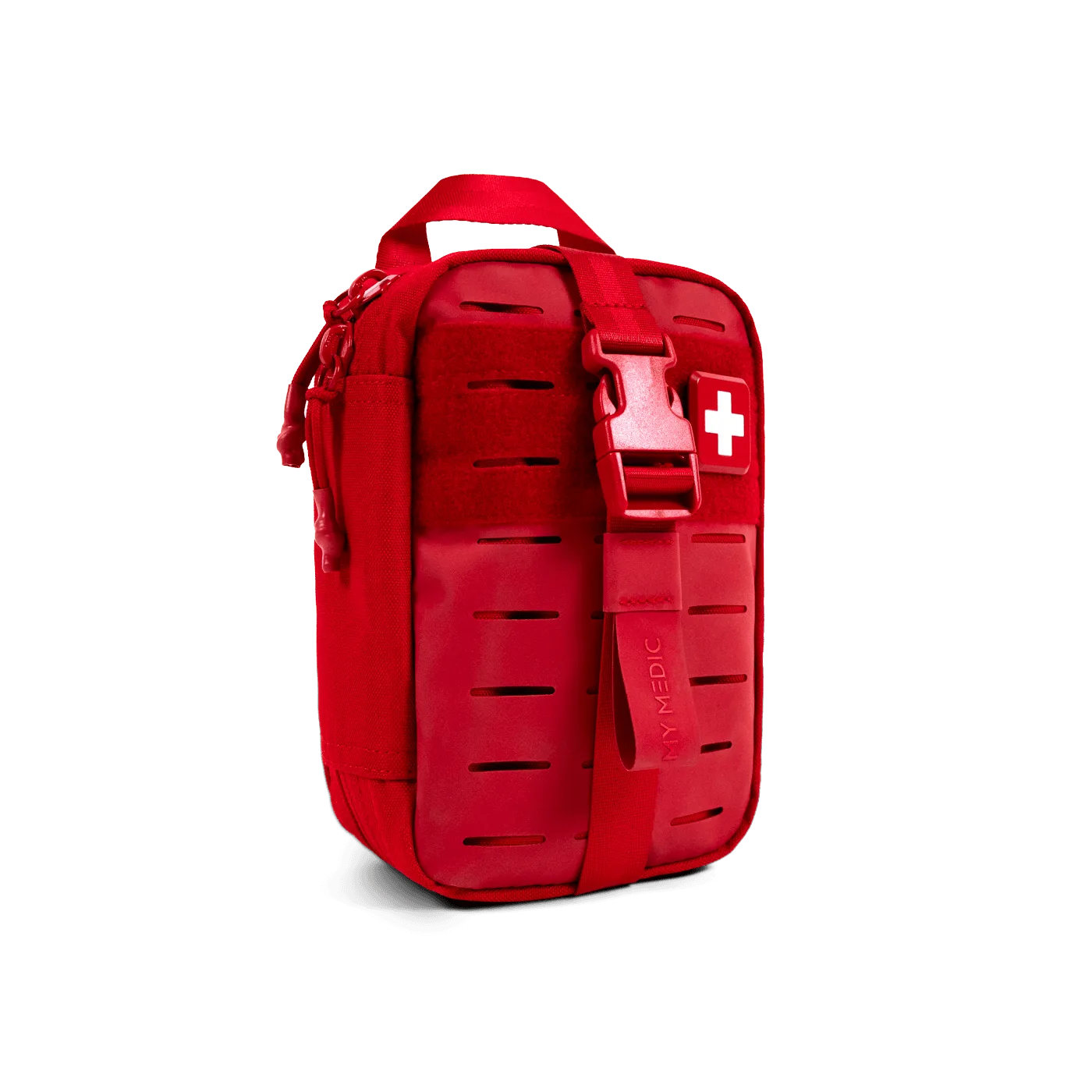
MyFAK™ Mini | Bag Only
-
Sidekick | Bag Only: The Sidekick bag-only version includes a Hypalon MOLLE panel that is durable and lightweight, plus high-end metal clips for quick identification. The MOLLE panel lets you attach the bag to a pack or belt, and the metal clips make it easy to find in an emergency.
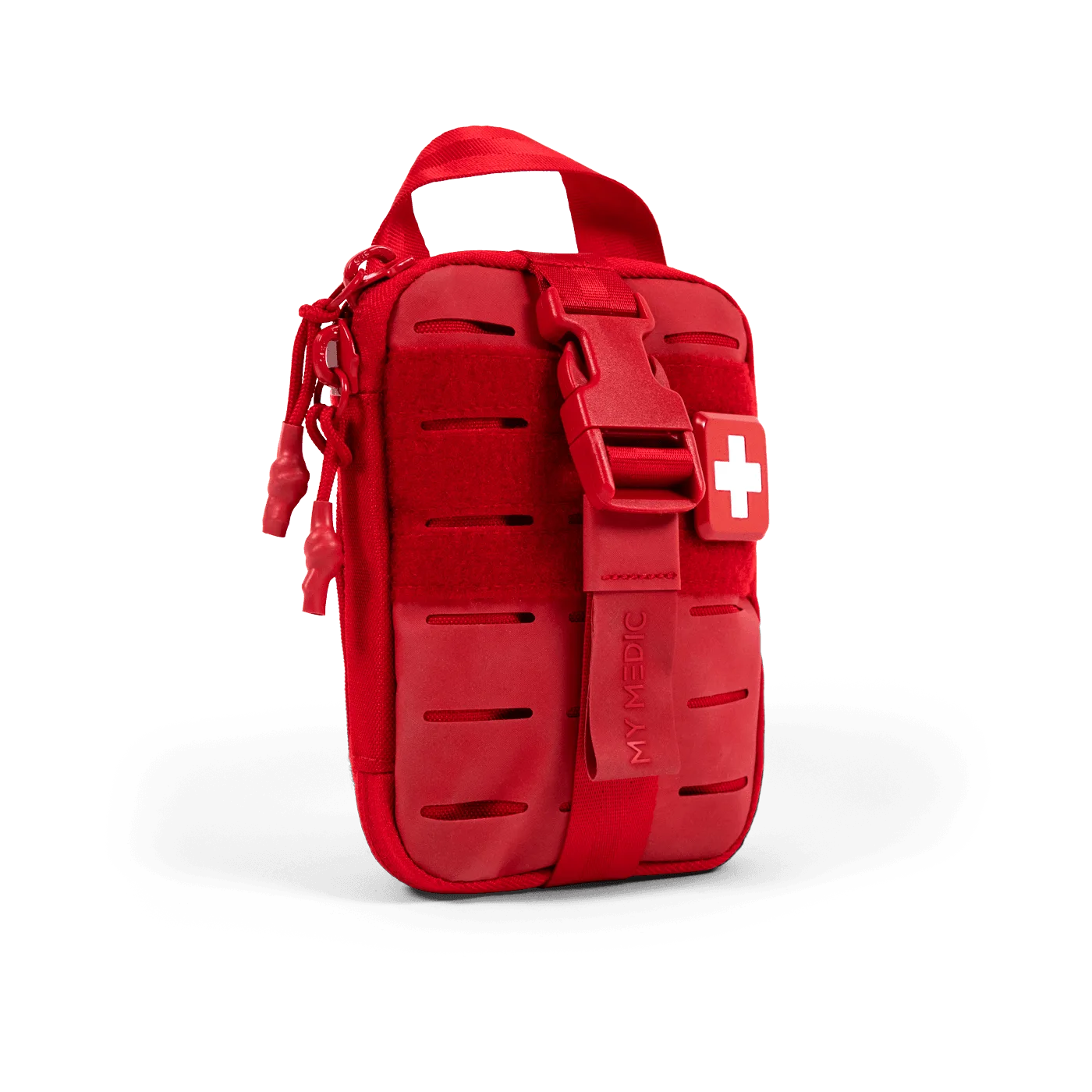
Sidekick | Bag Only