Quick answer
Pack from the ground up: put a waterproof ground sheet or poncho in first, then the picnic blanket, then a compact rain shell on top. Keep food and dry layers in a separate waterproof backpack so a passing shower only changes where you sit, not whether the picnic happens. Roll the blanket tight and secure it with a strap so it takes up less room and stays dry.
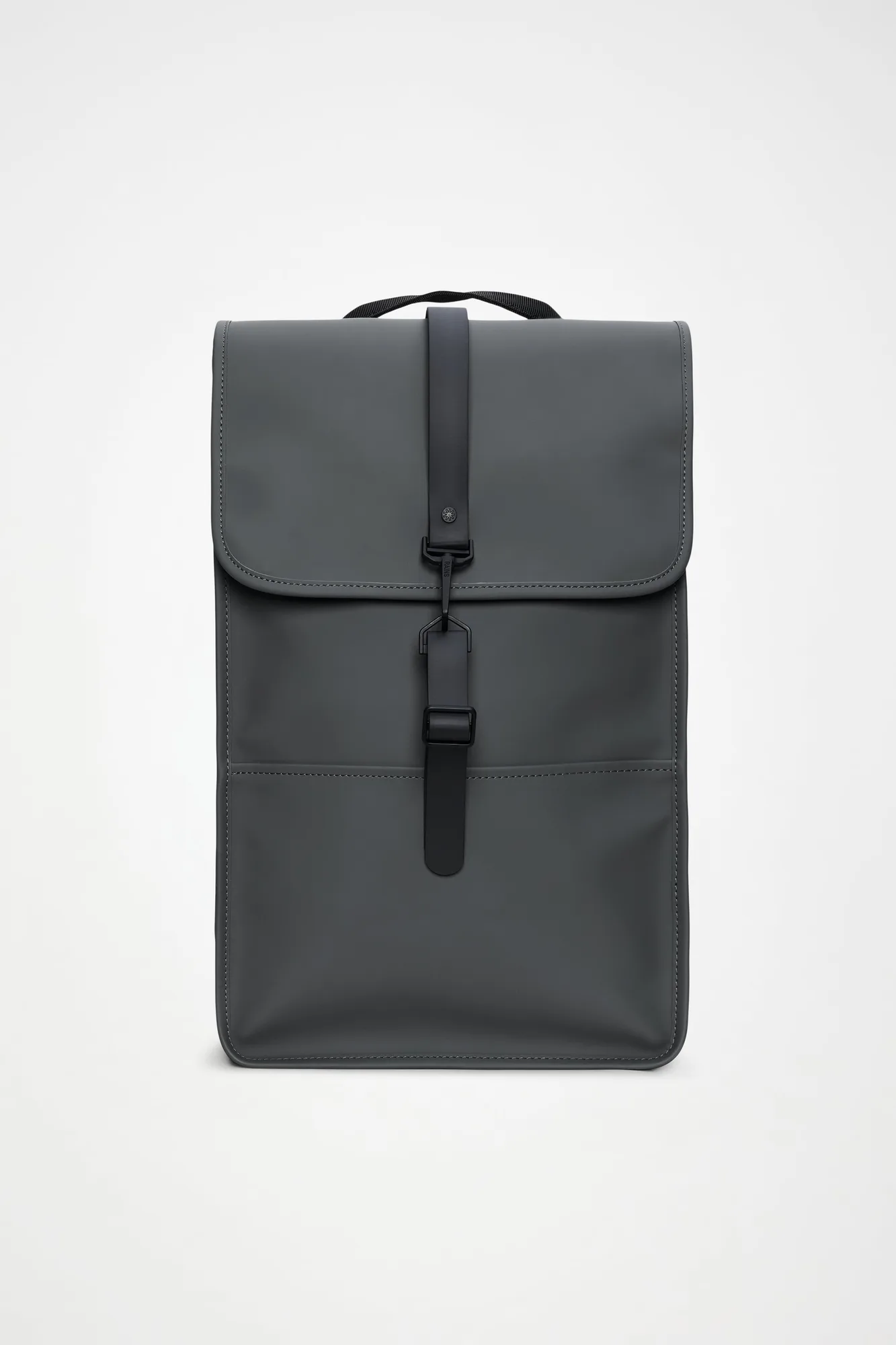
backpack
Set the order before you set the food
The biggest mistake in wet-weather picnic packing is treating the blanket bag as a single sack. Think of it as two zones: a damp zone for the ground sheet and blanket, and a dry zone for food, layers and electronics. If the ground sheet goes in last, it presses moisture against the blanket for the whole trip. Load it first and the blanket stays dry even if the grass is soaked.
A waterproof backpack gives you that separation without carrying two bags. The main compartment holds the damp-zone items; a front or internal pocket keeps the dry-zone items away from wet fabric. Choose a bag with a closure you can open and reseal quickly, because you will be getting in and out of it as the weather shifts.
Choose a bag that matches how far you are walking
A short walk to a park needs less capacity than a hike to a viewpoint. For a compact picnic, a small rolltop keeps the load light and folds down when the blanket is out. For a full spread with a cooler, chairs and a change of layers, you need a larger main compartment and a laptop-style sleeve is not the priority — accessible front pockets matter more.
Rolltop closures seal by folding the fabric over itself, so they handle rain well when you roll them tightly. Zip closures open faster when you are juggling a plate and a drink. Neither is automatically better; pick the one that matches how often you need to get inside.
Packing steps for a rainy-day picnic
- 1. Line the bottom with a waterproof ground sheet: Fold or roll a poncho, tarp or dedicated ground sheet and place it flat against the base of the bag. This is the layer that touches wet grass, so it should never sit above the blanket. Checkpoint: if the ground sheet is damp from a previous trip, dry it fully before packing or it will transfer moisture to everything above it.
- 2. Roll the picnic blanket tight and strap it: Roll rather than fold the blanket; a tight roll takes less space and exposes less surface to any dampness. Secure it with a strap or the bag's compression point so it does not unroll inside the pack. Common mistake: stuffing a loose blanket in first and then pushing the ground sheet on top, which presses wet fabric against dry fabric.
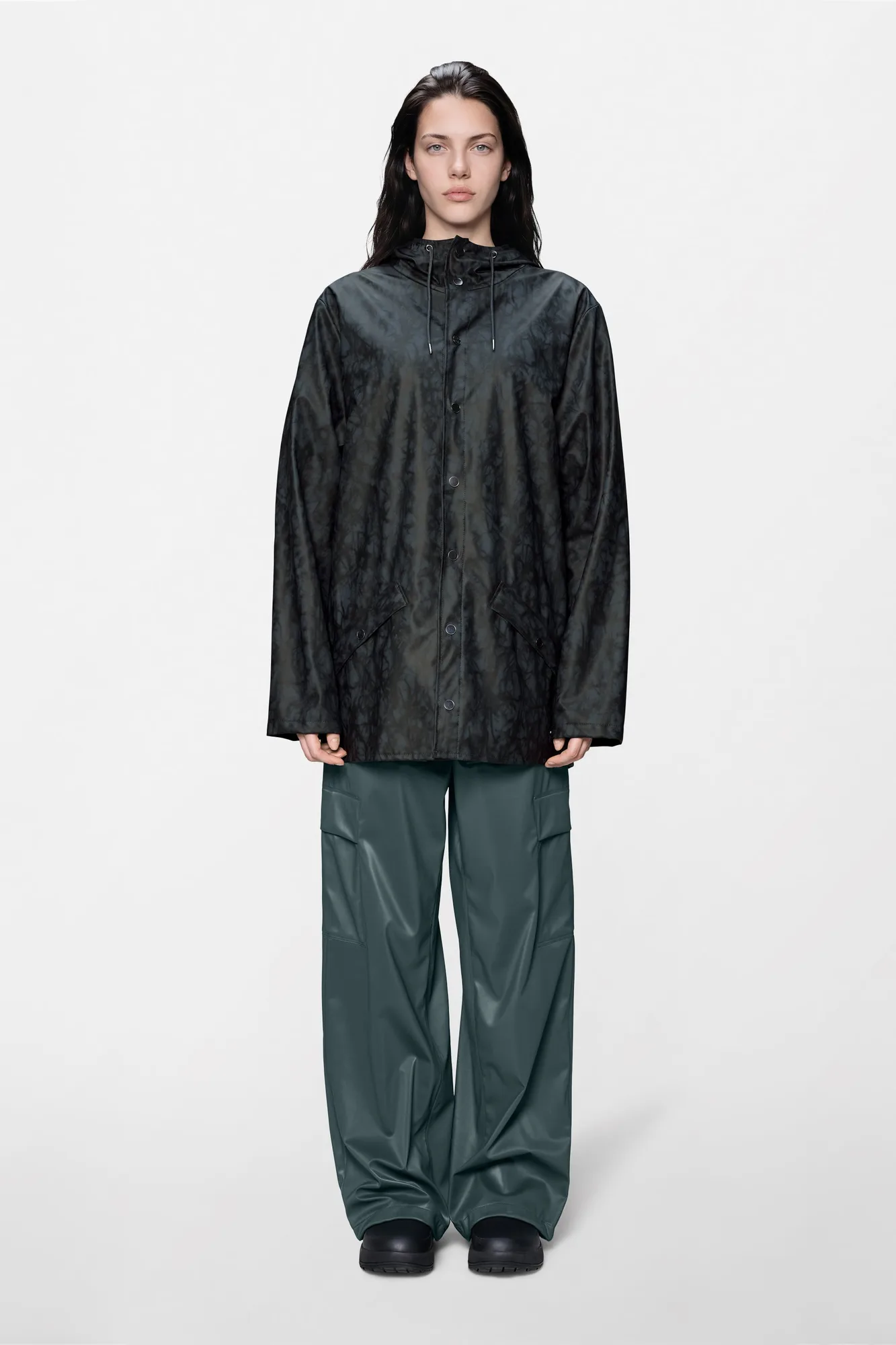
- 3. Add a compact rain shell above the blanket: Place a lightweight waterproof jacket-male-05a2e3cd05f2c3d9dca274e5-781567">jacket or shell on top of the blanket so you can grab it without unpacking the whole bag. It doubles as an extra dry layer if the wind picks up. Checkpoint: shake out the shell before packing so grit from a previous wear does not rub against the blanket.
- 4. Keep food and dry layers in a separate zone: Use a front pocket or an internal compartment for sandwiches, napkins and a dry base layer. Never let these items share space with the ground sheet, even briefly. Common mistake: putting a paper bag of food directly on top of a damp ground sheet, which wicks moisture into the bread.
- 5. Seal the bag before you walk: If you use a rolltop, fold the top into a tight scroll and secure the carabiner. If you use a zip, close it fully and check that no fabric is caught in the teeth. Checkpoint: give the closed bag a shake. If you hear loose items sliding, repack so the weight sits low and against your back.
- 6. Dry everything at home, not in the bag: When you get back, empty the bag, wipe the ground sheet, and hang the blanket and pack to dry separately. Repacking damp gear is how mildew starts. Next step: store the blanket loosely rolled, not compressed, so it keeps its shape for the next outing.
Bags that suit a wet-weather picnic
- Rolltop Rucksack Mini: Rolltop Rucksack Mini is a downscaled version of Rains' iconic Rolltop Rucksack, designed to keep precipitation out when traveling from point A to Z by folding the rolltop into a tight scroll and securing it with the signature carabiner. For a short walk to a local park, the rolltop and carabiner closure keep a folded blanket and a few snacks dry without a bulky load.
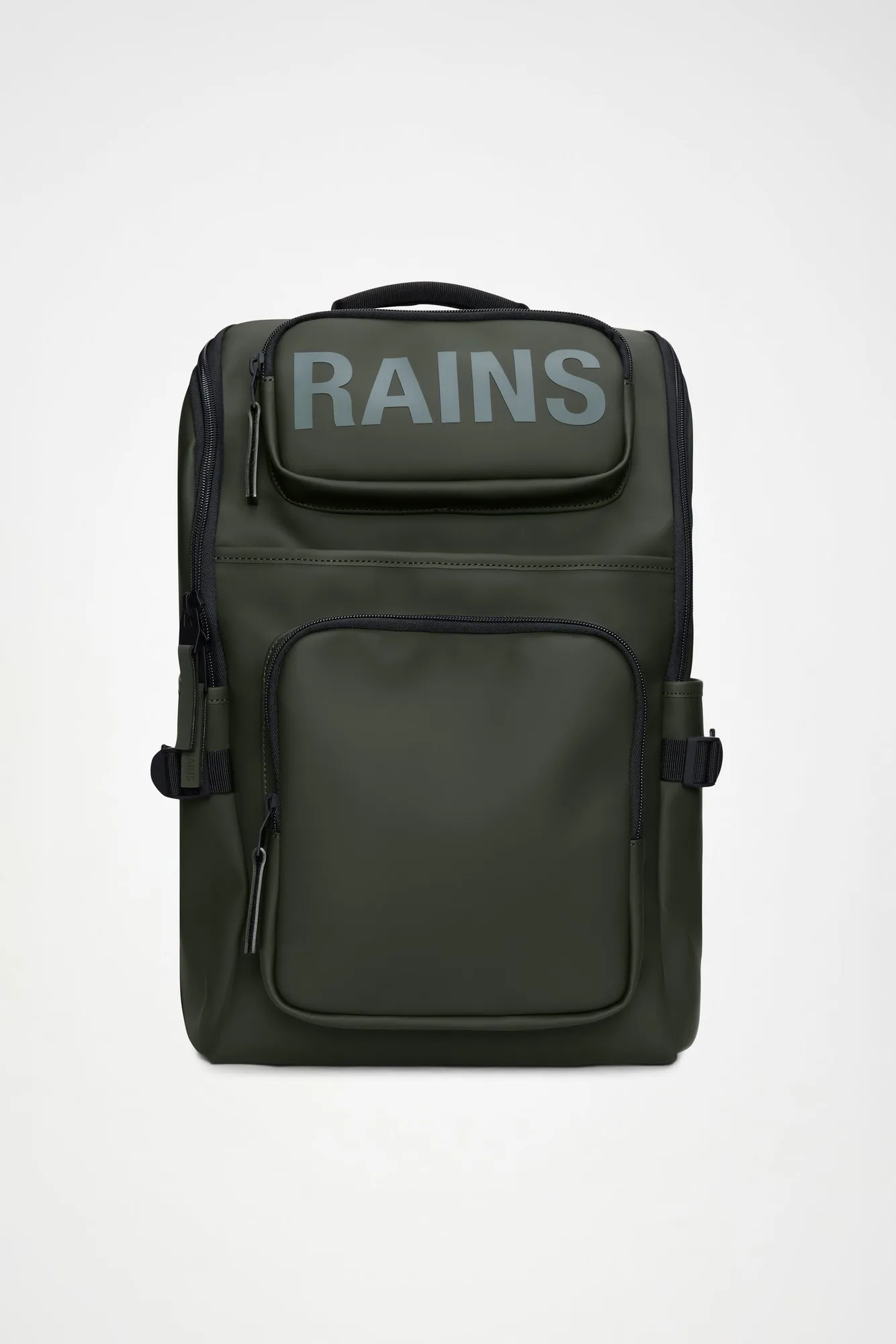
- Texel Cargo Backpack: Texel Cargo Backpack has an internal laptop pocket that fits a 16" laptop, a spacious main compartment with a gray lining and two square front zip pockets. The separate front pockets let you keep dry snacks and a phone away from the damp ground sheet in the main compartment, and the light lining makes it easier to find small items.
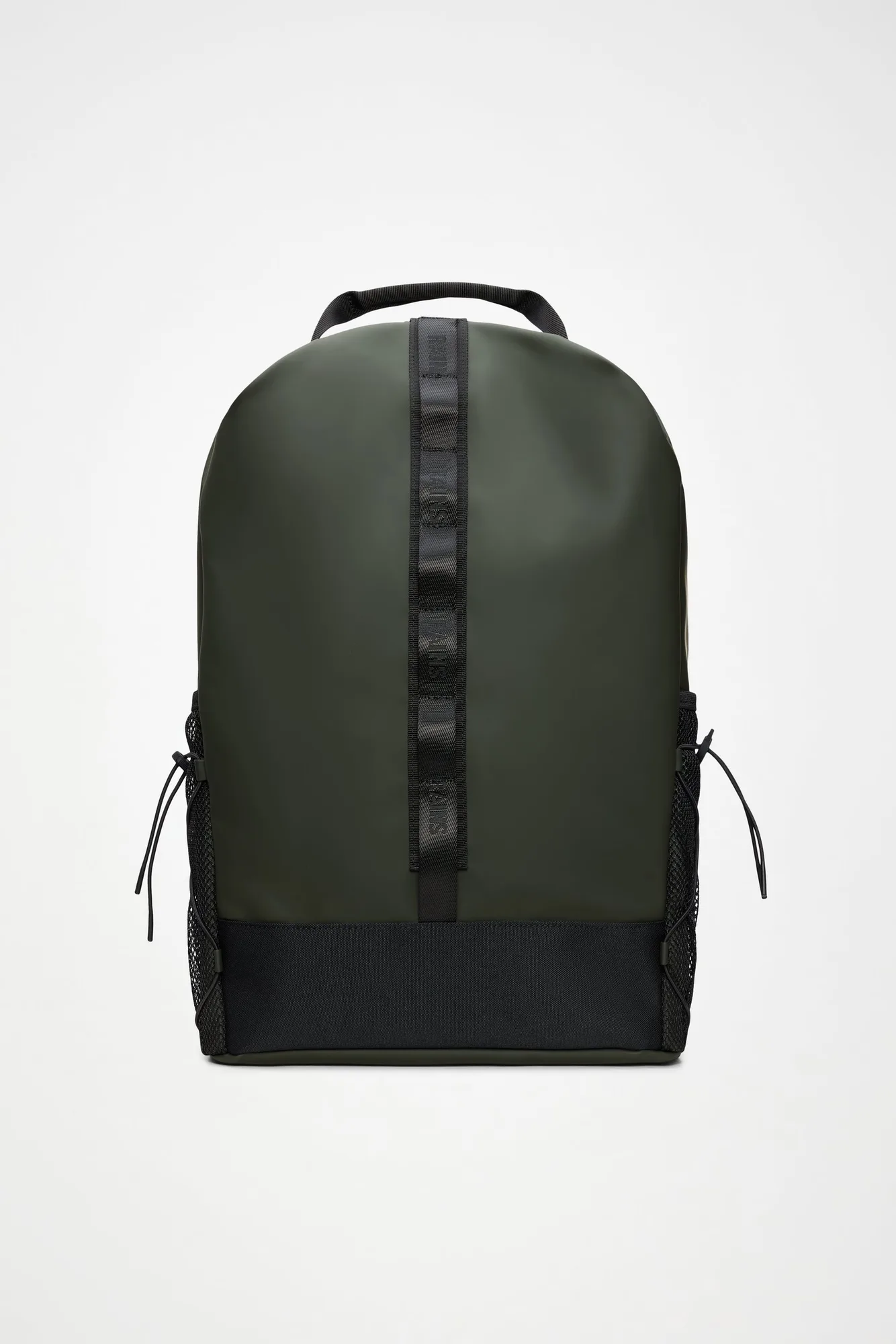
- Trail Clip Front Backpack: Trail Clip Front Backpack has a waterproof design with a rounded zip opening for full access and a second c-clip closure at the front that reveals a hidden pocket or clips over for extra security. The wide zip opening makes it easy to load and unload a bulky picnic blanket, and the front clip pocket gives you a quick-access spot for keys or a napkin pack.