Quick answer
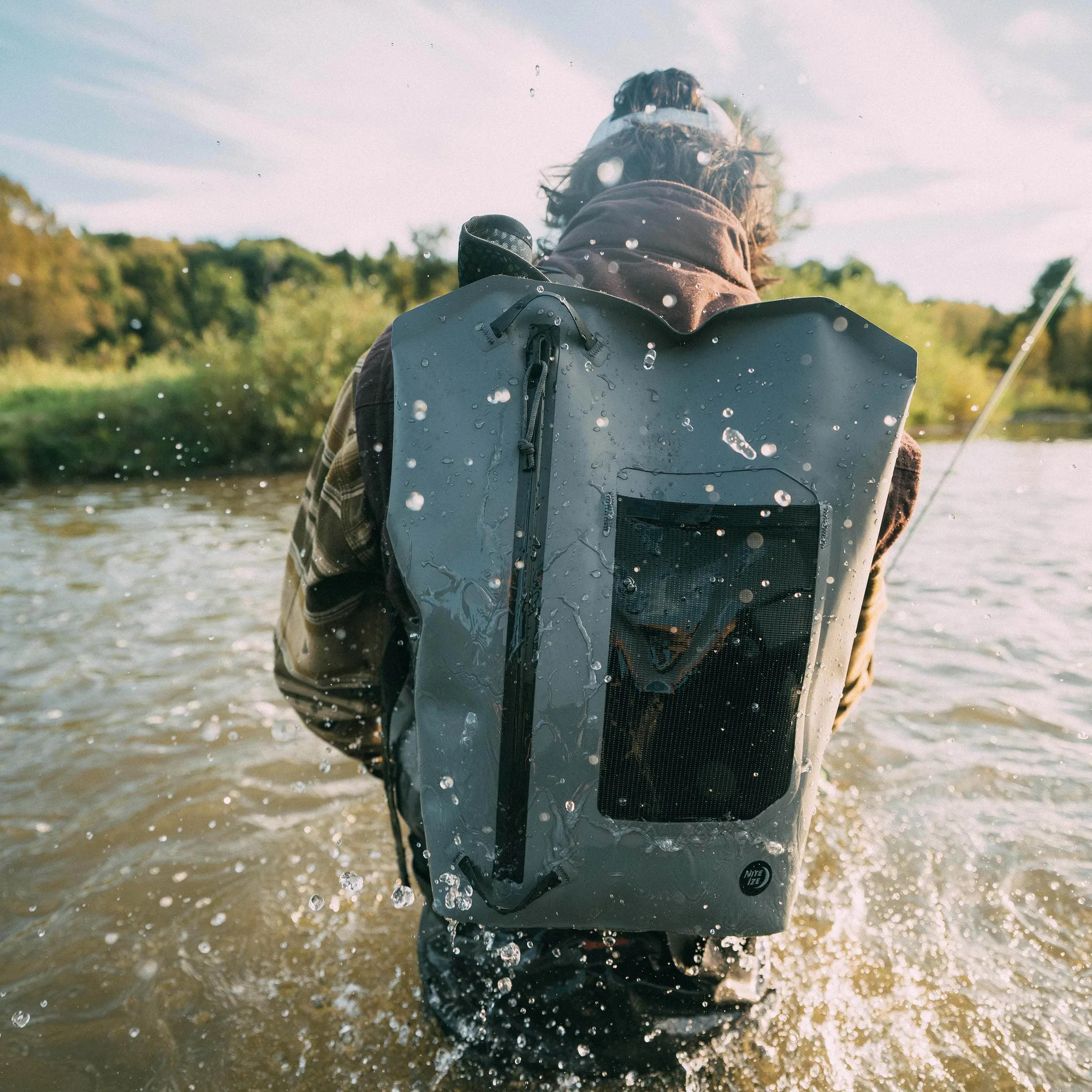
Pack for wet weather in three layers: a waterproof pack for the bulk of your gear, a small dry bag or pouch for the items that must stay absolutely dry, and a way to secure the pack to your body or boat. If you are paddling or hiking in steady rain, a submersible pack like the RunOff Waterproof 12L Backpack is the simplest starting point because it keeps water out even if it goes under.
Start with a wet weather gear checklist
A waterproof backpack only solves the outside of the problem. The checklist below covers what most people actually need on a rainy hike, a kayak trip, or a wet commute.
Use it as a starting point, then remove anything you will not use. Extra weight in a wet pack is harder to manage than extra weight in a dry one.
- Base layer and spare socks in a dry bag or stuff sack
- Phone, keys, and wallet in a small waterproof pouch or case
- Headlamp or pen light for early darkness and low visibility
- Water bottle or hydration bladder
- Snacks in a resealable bag
- Lightweight rain shell and a packable hat
- Small first aid kit and any personal medication
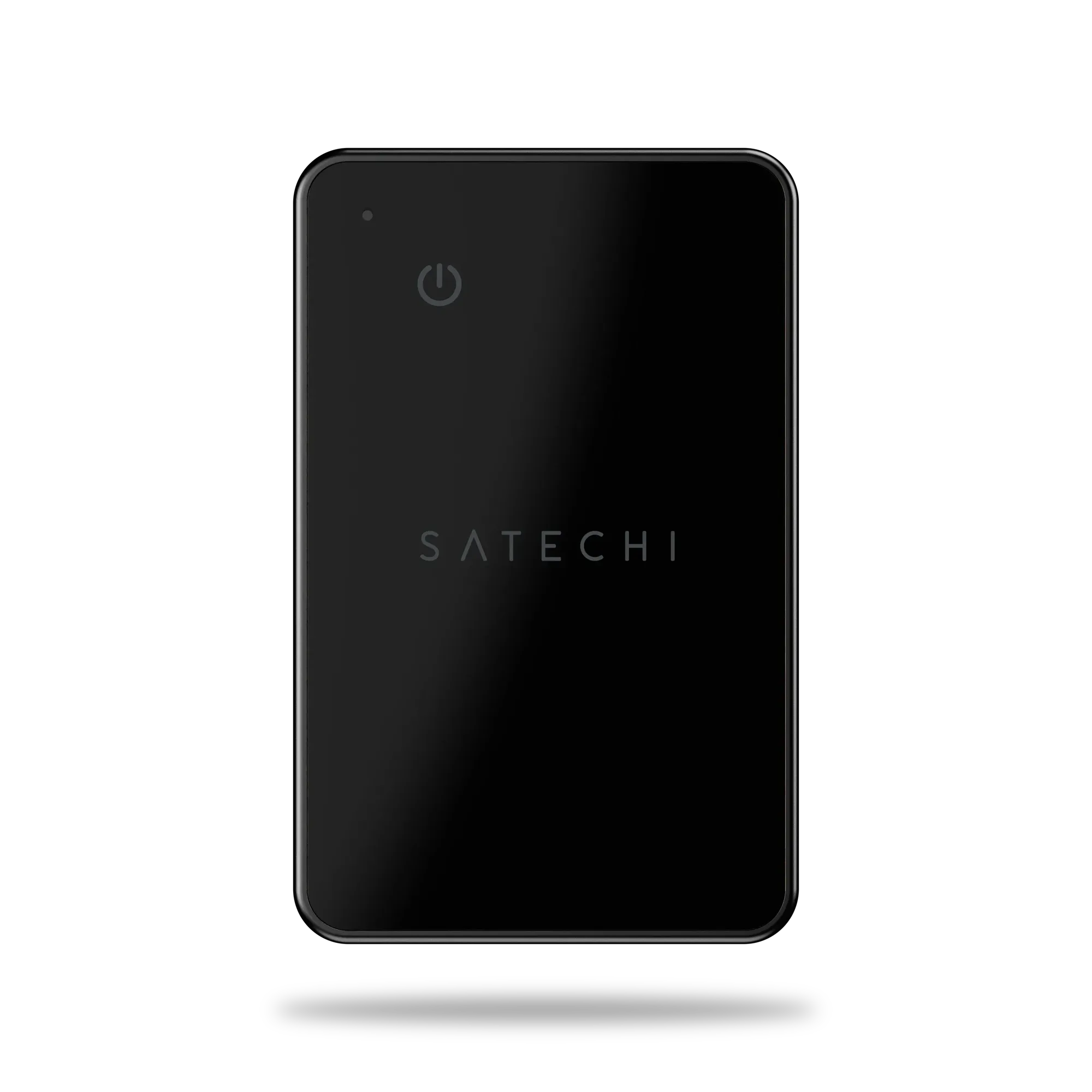
- Map or offline route notes, plus a charged power bank
Match the pack to the water you expect
There is a real difference between water-resistant, waterproof, and submersible. A water-resistant pack handles drizzle and splashes. A waterproof pack handles steady rain and brief immersion. A submersible pack is built to go under and come back up without letting water in.
If your trip involves kayaking, paddleboarding, or crossing streams, choose a submersible design. If you are walking city streets in rain, a water-resistant pack with a cover is often enough and usually lighter.
Capacity matters too. A 12-liter pack is a daypack size: it fits a shell, snacks, a small dry bag, and a water bottle, but not a sleeping bag or a full change of clothes. For an overnight trip, size up or plan to carry a separate dry bag.
Pack in layers so a leak does not ruin everything
Even a waterproof backpack can get water inside if you open it in the rain or seal it with wet hands. Treat the pack as your outer layer and use small dry bags or pouches inside as a second layer.
Put the items you cannot replace, such as keys, phone, and medication, in their own waterproof pouch near the top so you can reach them without unpacking everything. Keep soft items like a spare layer at the bottom, where they also cushion the load.
If you are using a roll-top or zip-seal pack, close it fully before you set it down in water or sand. A partially closed pack is no longer submersible.
Secure the pack so it stays with you
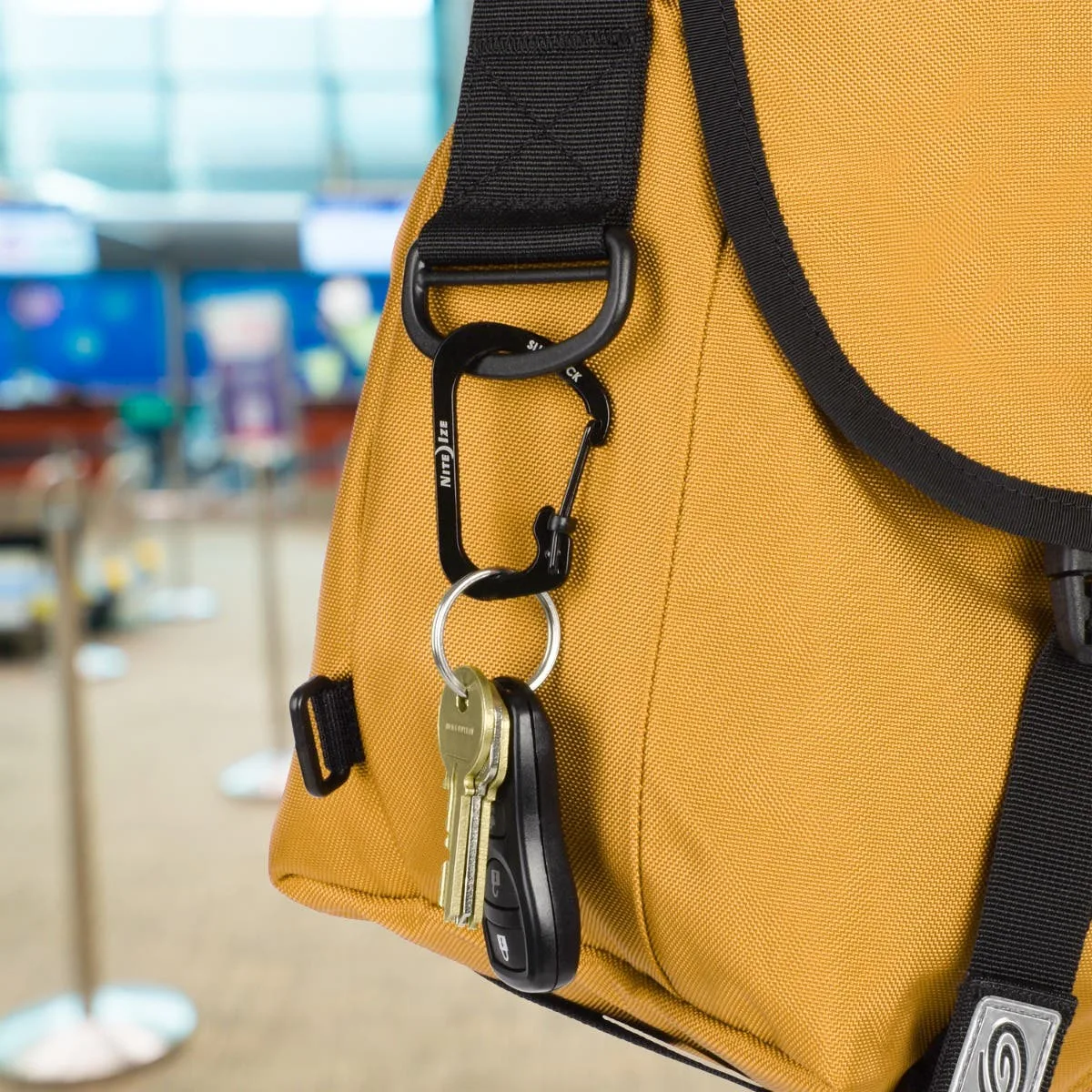
In a kayak or on a wet trail, a loose pack is a lost pack. Use the pack's straps or a carabiner to clip it to your boat, belt, or backpack strap.
A locking carabiner is a small upgrade that prevents the gate from opening accidentally when gear shifts. Look for one that is individually weight rated if you plan to hang anything heavier than keys.
Keep light and small tools accessible
Wet weather often means early darkness or poor visibility. A compact pen light takes up almost no room and gives you hands-free light when you need to find something in the bottom of your pack.
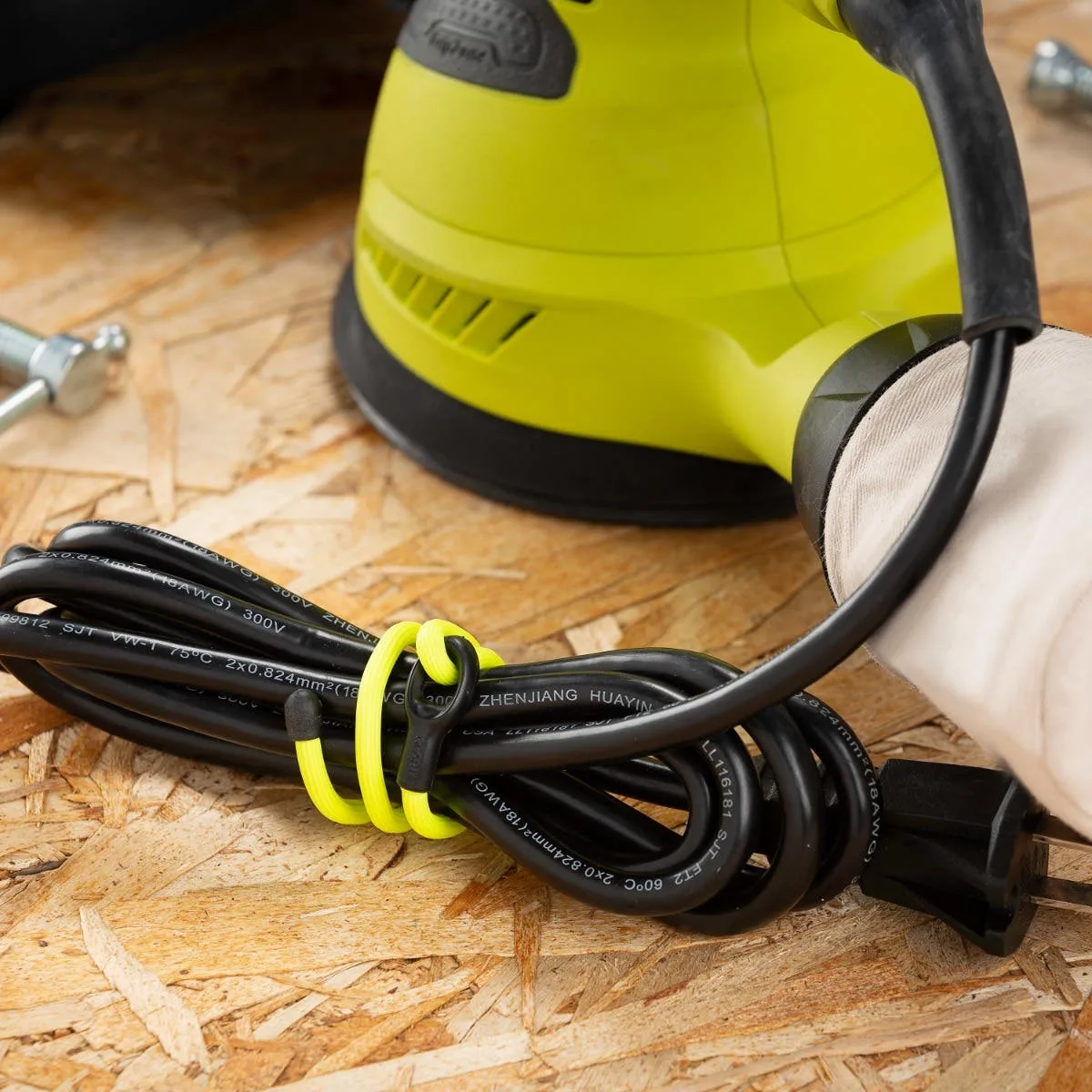
Reusable twist ties are also worth carrying. They can cinch a loose strap, hang a wet item to dry, or bundle a cord without adding meaningful weight.
Decision rules for wet-weather packing
- If you will be on or in the water: Choose a submersible pack with an IP rating and a roll-top or sealed closure. Add a small dry bag inside for phone and keys. Submersible beats water-resistant when a capsize or dunk is possible.
- If you are walking in rain only: A water-resistant pack with a rain cover is lighter and usually enough. Save the submersible pack for trips where full immersion is realistic. Do not pay for submersion protection you will not use.
- If your trip is longer than a day: A 12-liter pack will not hold a sleeping bag and a full change of clothes. Size up or carry a separate dry bag for bulk items. Match capacity to trip length before you match it to weather.
- If you carry small essentials: Keep keys, phone, and medication in their own waterproof pouch near the top of the pack so you can reach them without opening the whole bag in the rain. One small dry pouch prevents the most common wet-weather gear failure.
Products that fit this packing list
- RunOff® Waterproof 12L Backpack: The RunOff Waterproof 12L Backpack is IP67 rated, dustproof, waterproof, submersible, compressible, and floatable, with a 12-liter capacity. If you paddle, wade, or get caught in heavy rain, this pack keeps water out even when submerged, and it floats if dropped overboard. The 12-liter size suits a day trip rather than an overnight.
- Gear Tie® Loopable™ Twist Tie: The Gear Tie Loopable Twist Tie has a bendable wire interior, a tough rubber exterior, and an integrated loop for cinching, wrapping, or hanging. Use it to bundle a wet strap, hang a damp layer to dry, or keep a cord from tangling inside your pack. It is reusable, so it replaces single-use zip ties on a wet trip.
- SlideLock® Carabiner Stainless Steel: The SlideLock Carabiner Stainless Steel has a slide-to-lock gate and is available in sizes that are each individually weight rated. A locking gate keeps the carabiner from opening when gear shifts, so you can clip a pack to a kayak or belt without worrying about it releasing. Check the weight rating for the size you choose before hanging anything heavy.
Who this packing approach fits
Best for
- Kayakers, paddlers, and paddleboarders who need a pack that can get wet
- Day hikers and commuters who face steady rain and want a simple layering system
- Anyone building a wet weather gear checklist for a 12-liter daypack
Not for
- Backpackers carrying overnight or multi-day loads that exceed 12 liters
- Travelers who only need splash protection and prefer a lighter, non-submersible bag
- Anyone looking for a fully rigid, framed hiking pack