Quick answer
Start with a cutting tool, then add shelter, fire, water, and navigation. For a compact, capable option, consider the Frylock- OD Green Cerakote. Build your kit in layers based on your environment and trip length, and test every item before you rely on it.
Choose a cutting tool that matches your environment
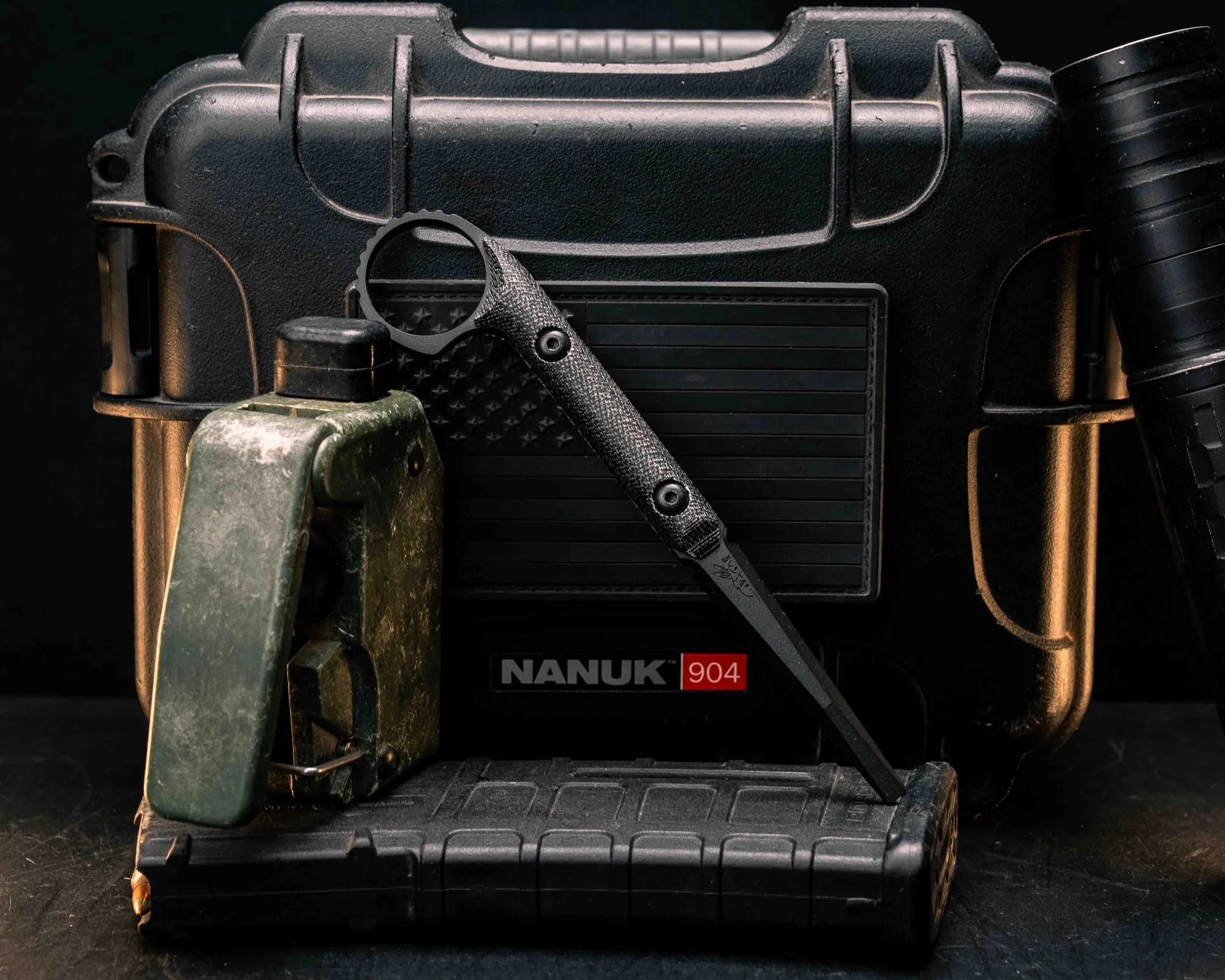
Your knife is the most important item in a survival kit. For most outdoor emergency kits, a fixed-blade knife between 3 and 5 inches balances control and capability. If you often travel by air, a TSA-compliant tool like the Ring Flathead Tool can serve as a secondary option, but it should not replace a sturdy fixed blade for heavy tasks. Match the steel and coating to your climate: coated blades resist corrosion in wet conditions, while uncoated blades are easier to sharpen in the field.
Add shelter and insulation before fire
Exposure kills faster than hunger or thirst. Pack an emergency bivy or a lightweight tarp, plus a compact sleeping pad or a large trash bag for ground insulation. A common mistake is relying solely on a fire for warmth; if conditions are wet or windy, you need a dry shelter first. Check that your shelter fits your body size and that you can set it up in under two minutes with gloves on.
Pack redundant fire-starting methods
Carry at least two independent fire starters: a ferrocerium rod and waterproof matches, plus a lighter as a backup. Store them in separate pockets so losing one doesn't leave you without fire. Test each method before your trip—ferro rods require practice to use effectively. Avoid the mistake of packing only one method or forgetting dry tinder; include petroleum jelly cotton balls or commercial tinder in a waterproof container.
Secure water treatment and a metal container
Waterborne illness can incapacitate you quickly. Pack a filter or purification tablets, and always carry a metal container that can boil water. A stainless steel bottle or a small pot serves double duty for cooking and sterilizing. The common error is assuming you'll find clean water; treat every source. Check that your filter's pore size meets NSF/ANSI 42 or 53 standards for protozoa and bacteria, and know how to backflush it.
Include navigation and signaling tools
A map and compass are reliable when electronics fail. Add a whistle and a signal mirror to your kit; three blasts on a whistle is a universal distress signal. If you carry a GPS or phone, pack a power bank and keep it in a waterproof bag. The frequent mistake is depending entirely on a phone for navigation—batteries die in cold, and screens crack. Practice reading a map with your compass before you need it.
Step-by-step survival kit build
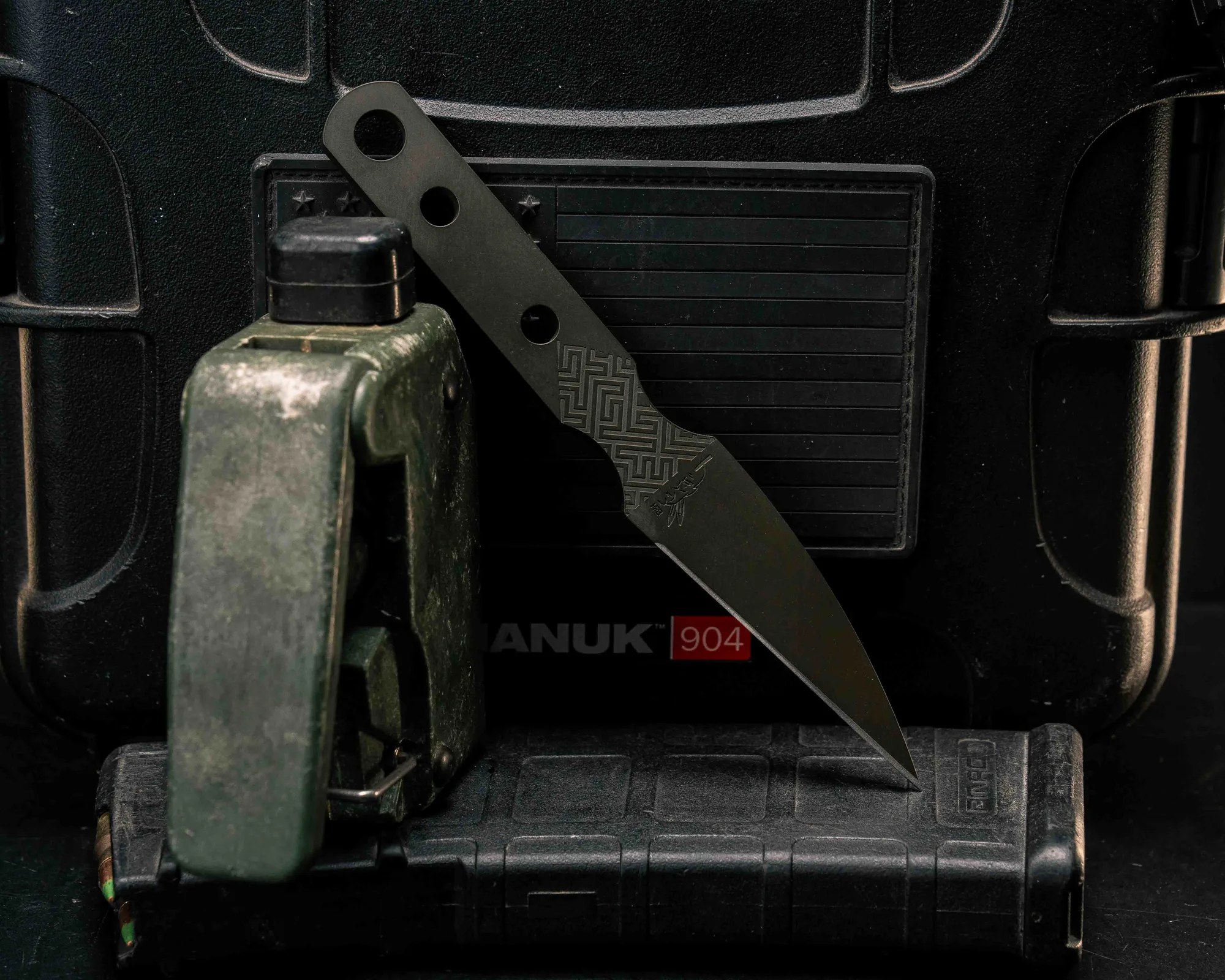
- Start with a cutting tool: Choose a fixed-blade knife with a 3–5 inch blade, such as the Frylock- OD Green Cerakote. If you fly often, add a TSA-compliant tool like the Ring Flathead Tool as a backup. Checkpoint: Ensure the knife is sharp and the sheath retains it securely.
- Add shelter and insulation: Pack an emergency bivy or tarp, a ground pad, and a large trash bag. Test setup in your yard. Common mistake: Forgetting ground insulation, which drains body heat.
- Pack two fire-starting methods: Carry a ferro rod and waterproof matches, plus a lighter. Store dry tinder in a waterproof container. Checkpoint: Practice lighting a fire with each method before your trip.
- Secure water treatment and a metal container: Include a filter or purification tablets and a stainless steel bottle or pot for boiling. Common mistake: Assuming water sources are clean; always treat.
- Add navigation and signaling tools: Pack a map, compass, whistle, and signal mirror. Keep a power bank for electronics in a waterproof bag. Checkpoint: Know how to use a map and compass together.
Product facts
- Frylock- OD Green Cerakote: The Frylock- OD Green Cerakote is a compact fixed blade with a 3-inch S45VN American steel blade, 0.17-inch thickness, and an overall length of 6.6 inches. It includes a sheath. Its compact size and stainless steel make it a solid choice for an EDC survival kit, offering corrosion resistance and easy carry. The included sheath keeps the blade secure and accessible.
- Ring Flathead Tool - Black Canvas Micarta, Armor Black Cerakote, Allen Bolts, Smooth Grip: The Ring Flathead Tool - Black Canvas Micarta, Armor Black Cerakote, Allen Bolts, Smooth Grip is TSA-compliant for air travel and has a 2.7-inch blade of A2 tool steel with a Kydex sheath. This tool can go where fixed blades cannot, making it a useful addition for travelers who want a cutting option without checking bags. It is not a replacement for a full-size knife for heavy tasks.