Quick answer
A calm corner needs three things: something to comfort the body, something to occupy the hands, and something to name the feeling. Start with one item from each category, keep the space small and low-traffic, and add more only after your child actually uses what's there. If you want a ready-made starting point, the Calm Corner Course Bundle covers all three categories in one purchase.
The three-category rule for calm corner supplies
Most calm corners fail because they're either too empty to be inviting or too full to be calming. The three-category rule fixes both problems. Category one is body comfort: something weighted, textured, or warm that gives physical feedback. Category two is hand occupation: a small, repetitive activity that gives restless fingers somewhere to go. Category three is emotional language: a visual or written tool that helps a child name what's happening before they can talk about it.
If you can only buy one thing first, buy the body comfort item. Weighted plush toys are the most reliable starting point because they work for a wide age range and don't require your child to do anything except hold them. Add the other two categories once you see which moments your child actually seeks out the corner.
What to skip (and why it matters)
Skip anything with a screen, anything that makes noise on its own, and anything that requires an adult to operate. A calm corner is supposed to be a place your child can use independently, and every one of those items creates a dependency that defeats the purpose.
Also skip open-ended craft supplies. Markers, scissors, and loose glitter turn a regulation space into a mess-and-cleanup project, which adds stress rather than removing it. If your child likes making things, choose a contained, repeatable activity instead.
- No screens or battery-powered toys
- No items that need an adult to start or supervise
- No open-ended craft supplies with cleanup requirements
- No more than 4-5 items total in the corner at once
Sizing the corner to your child's age
For toddlers, the corner should be small enough that they can reach everything from a seated position. A single cushion, one weighted item, and one soft-textured object is enough. Anything more becomes a climbing challenge.
For school-age kids, add a feelings chart or a simple card set so they can point to an emotion rather than explain it. This is the age where emotional vocabulary is developing fastest, and a visual tool gives them a shortcut when words are hard to find. The Self-Regulation Toolkit in the Calm Corner Course Bundle is designed for exactly this stage.
How to introduce the corner without pressure
Don't announce the corner as a punishment or a time-out spot. Introduce it during a calm moment, not after a meltdown. Sit in it yourself first, hold the weighted item, and let your child come to you. Curiosity does more work than instruction.
If your child resists, leave the corner available without mentioning it for a week. Most kids will drift toward it on their own once they've seen it isn't a consequence. Forcing the first visit is the fastest way to make the space feel like a sentence rather than a resource.
Decision rules for building your calm corner
- If your child is under 4: Choose one weighted item and one soft-textured object. Skip charts, cards, and anything with small parts. Keep it to two items maximum until you see what gets used.
- If your child is 5-9 and struggles to name feelings: Prioritize a visual emotional language tool alongside a body comfort item. The Self-Regulation Toolkit is built for this gap. Pair it with a Weighted Buddy so the corner covers two categories from day one.
- If your child already has a favorite comfort object: Don't replace it. Build the corner around it and add only the categories you're missing. Adding a second comfort object often backfires.
- If you want one purchase and no assembly: The Calm Corner Course Bundle covers all three categories and includes the digital toolkit for immediate access. Best value if you're starting from nothing.
- If bedtime is the main struggle, not daytime: A bedtime-focused set like Sleepy Time Bliss addresses the routine rather than the corner itself. Don't buy both at once. Fix the harder problem first.
Calm corner products worth considering
- Calm Corner Course Bundle: The Calm Corner Course Bundle includes Weighted Buddy, Patience Pebbles, and the Self-Regulation Toolkit, covering body comfort, hand occupation, and emotional language in one set. This is the only option here that fills all three checklist categories at once, which makes it the simplest starting point if you don't want to assemble items individually.
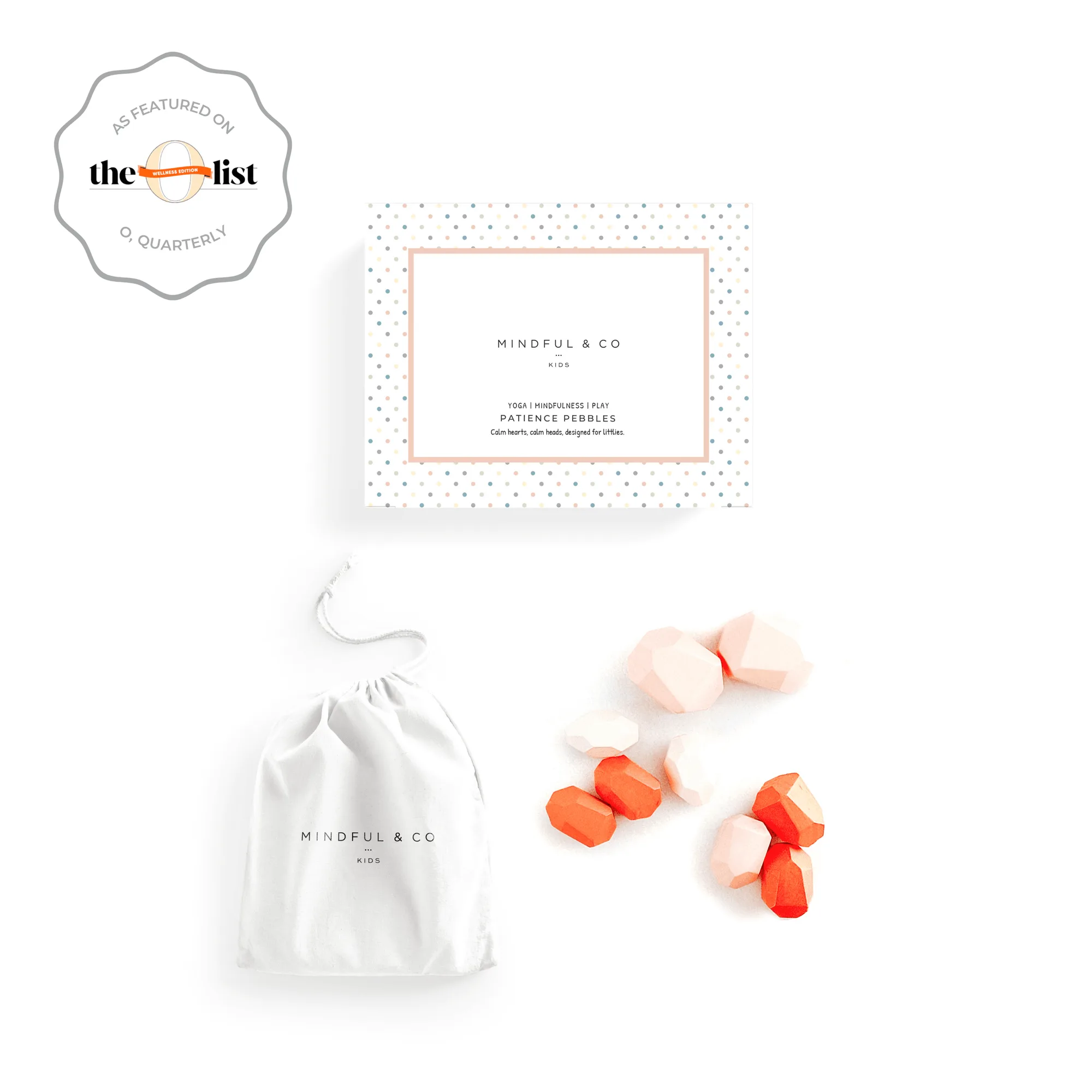
Patience Pebbles
- Weighted Buddy + Self-Regulation Toolkit: The Weighted Buddy + Self-Regulation Toolkit pairs a weighted plush with the digital toolkit, covering body comfort and emotional language. A good middle option if you already have a hand-occupation item or want to add one separately later.
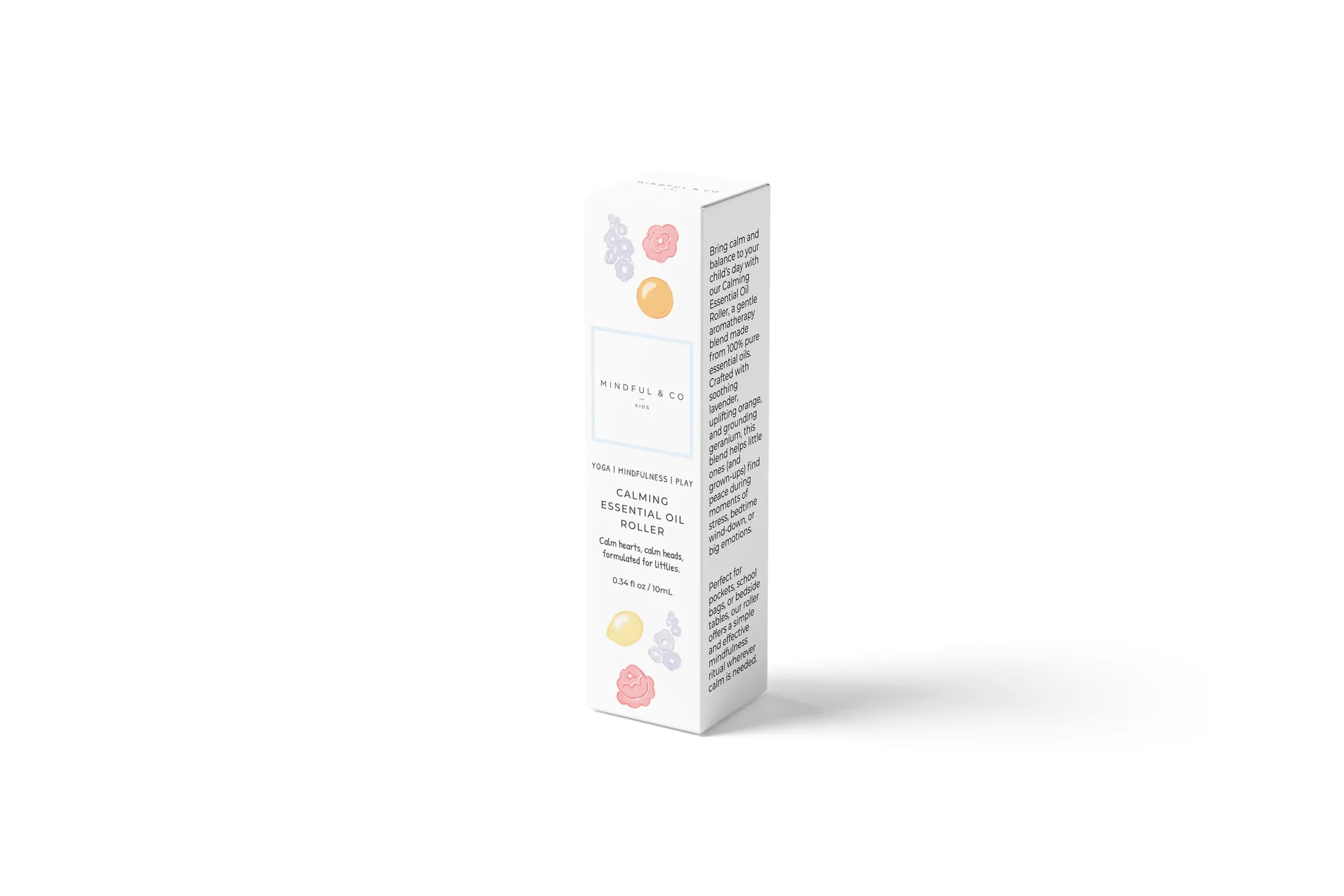
- Calming Essential Oil Roller: The Calming Essential Oil Roller is a kid-safe aromatherapy blend made with 100% pure essential oils, designed for bedtime, school days, or anytime calm is needed. A low-commitment add-on that fits in a pocket or corner basket and works as a sensory cue without requiring your child to sit still.
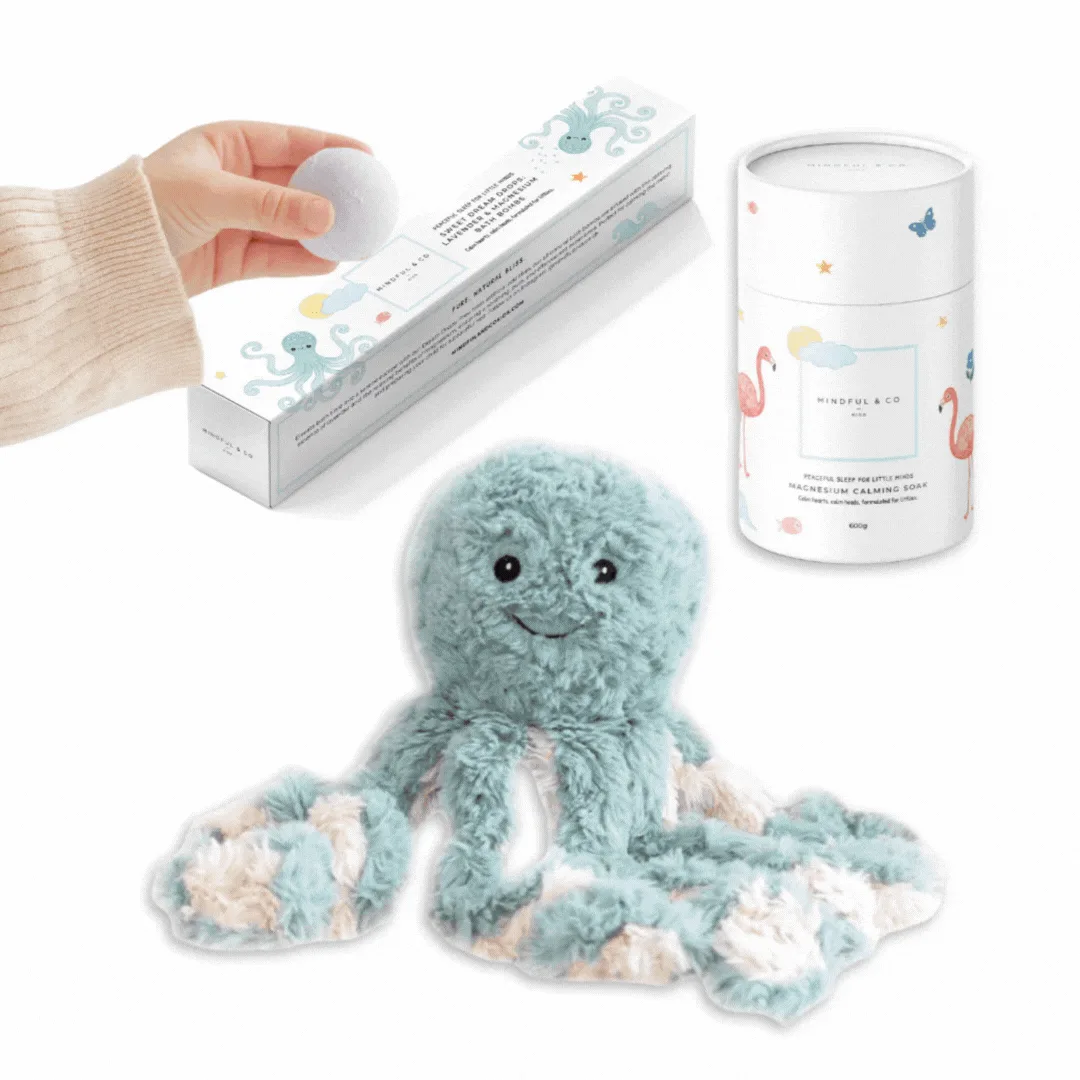
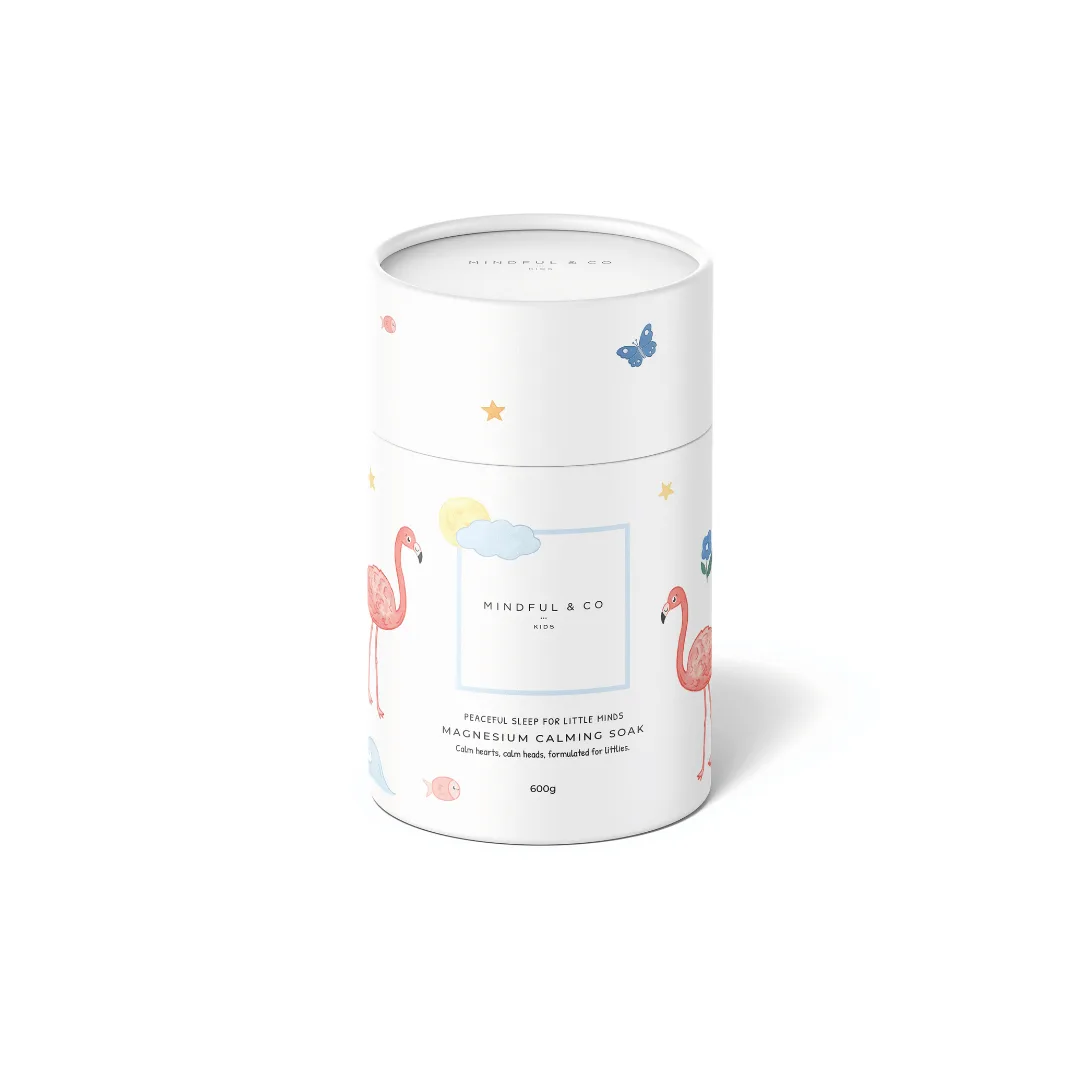
- Sleepy Time Bliss Bundle: The Sleepy Time Bliss Bundle includes Magnesium Calming Soak, Sweet Dream Drops, and a Weighted Teddy of your choice, designed for bedtime relaxation. Better suited to a bedtime routine than a daytime calm corner, but useful if your child's biggest regulation struggles happen at night.
Who this approach fits
Best for
- Parents building a first calm corner for a toddler or school-age child
- Families who want a small, contained space rather than a whole room
- Kids who need sensory input to settle but resist being told to calm down
Not for
- Families looking for a clinical or therapeutic intervention plan
- Kids who need active movement or outdoor space to regulate
- Parents who want a screen-based or app-driven solution