Quick answer
Put only the items you remove at the same time every day: rings, earrings, a watch, keys, coins, hair ties, and one or two small pocket items. A trinket dish is a landing zone, not a storage box. If you have to dig through it to find a ring, it is holding too much.
Match the dish to the drop-off moment
Where you empty your pockets or take off jewelry decides what belongs in the dish. A bedside trinket dish usually holds what you remove before sleep: rings, earrings, a watch, hair ties, and maybe a lip balm. A key dish by the front door holds keys, a transit card, and coins. A desk dish catches paper clips, a spare button, or a SIM tool. Before you choose a dish, walk through your evening and morning routine and note the exact items that leave your body or pockets in one motion. Those are the only candidates.
Separate daily items from long-term storage
A trinket dish is for the next 24 hours, not for heirlooms. Fine jewelry, important documents, and anything you would hate to lose should go into a closed box or safe, not an open dish. For small jewelry storage, use the dish as a staging area: take off your daily rings, then move the ones you will not wear tomorrow into a drawer organizer. This keeps the dish shallow and useful. If a piece has not left the dish in a week, it is in the wrong place.
Use a liner or tray to prevent scratches and noise
Hard ceramic or glass can scratch soft gold and silver, and metal on ceramic makes a sharp clink every time you drop your keys. A felt pad, a piece of cork, or a small fabric liner solves both problems. If your dish did not come with one, cut a circle from craft felt slightly smaller than the base. This also keeps earrings from sliding into a corner. For a key dish, a liner quiets the drop and protects the glaze from constant metal contact.
Cap the count so the dish stays functional
A trinket dish fails when it becomes a junk bowl. Set a limit based on the dish size: a 3-inch dish holds about five small items, a 5-inch dish about ten. If you exceed that, remove the least-used item and put it where it belongs. The test is simple: can you pick up any item without moving another? If not, the dish is over capacity. This is also why ring holder dish uses work best when the dish has a dedicated post or slot for rings and a separate shallow area for everything else.
Refresh the dish when your routine changes
Seasonal changes, travel, and new habits shift what you carry. A dish that held sunglasses and keys in summer may need to hold gloves and a transit pass in winter. Once a month, empty the dish completely, wipe it out, and decide what actually belongs there now. This prevents the slow accumulation of receipts, bobby pins, and dead batteries. If you use the dish as a trinket dish gift idea, include a small note suggesting the recipient start with just three items so the habit sticks.
Five steps to fill your trinket dish
- Empty your pockets and hands at the same spot for three days: For three evenings, put everything you remove—rings, keys, coins, hair ties, receipts—into one temporary pile. Do not organize yet. This shows you the real inventory your dish needs to handle. Common mistake: guessing what you carry instead of observing. If the pile includes more than ten items, you need two dishes or a dish plus a small box.
- Sort the pile into daily, weekly, and rare: Daily items go in the dish. Weekly items go in a drawer or hook. Rare items go in closed storage. For small jewelry storage, this means only the rings and earrings you wore today stay out; the rest go into a jewelry box. Checkpoint: if you have not worn it in seven days, it does not belong in the dish.
- Choose a dish size that fits the daily count: A 3-inch dish holds about five small items; a 5-inch dish holds about ten. Measure your daily pile against those limits. If your pile is larger, use a tray with dividers or a two-dish system: one for jewelry, one for keys and coins. Common mistake: buying a dish that is too deep. A deep dish hides items and encourages overflow. Shallow is better.
- Add a liner and assign a fixed spot for each item type: Cut a felt or cork liner to fit. Then decide: rings on the left, keys on the right, coins in the center. Keeping the same layout every day means you can grab items without looking. For a ring holder dish, use the post for rings and the flat area for everything else. Checkpoint: can you pick up any item with two fingers without moving another? If not, reduce the count or increase the dish size.
- Do a weekly reset and a monthly full empty: Once a week, remove anything that has not moved. Once a month, empty the dish completely, wipe it, and reconsider what belongs. This is also when you move long-term pieces into proper storage. If the dish is a gift, include a note to start with three items only. Next step: if the dish still overflows after a month, add a second dish by the door or bedside rather than buying a bigger one.
Small products that fit a trinket dish routine
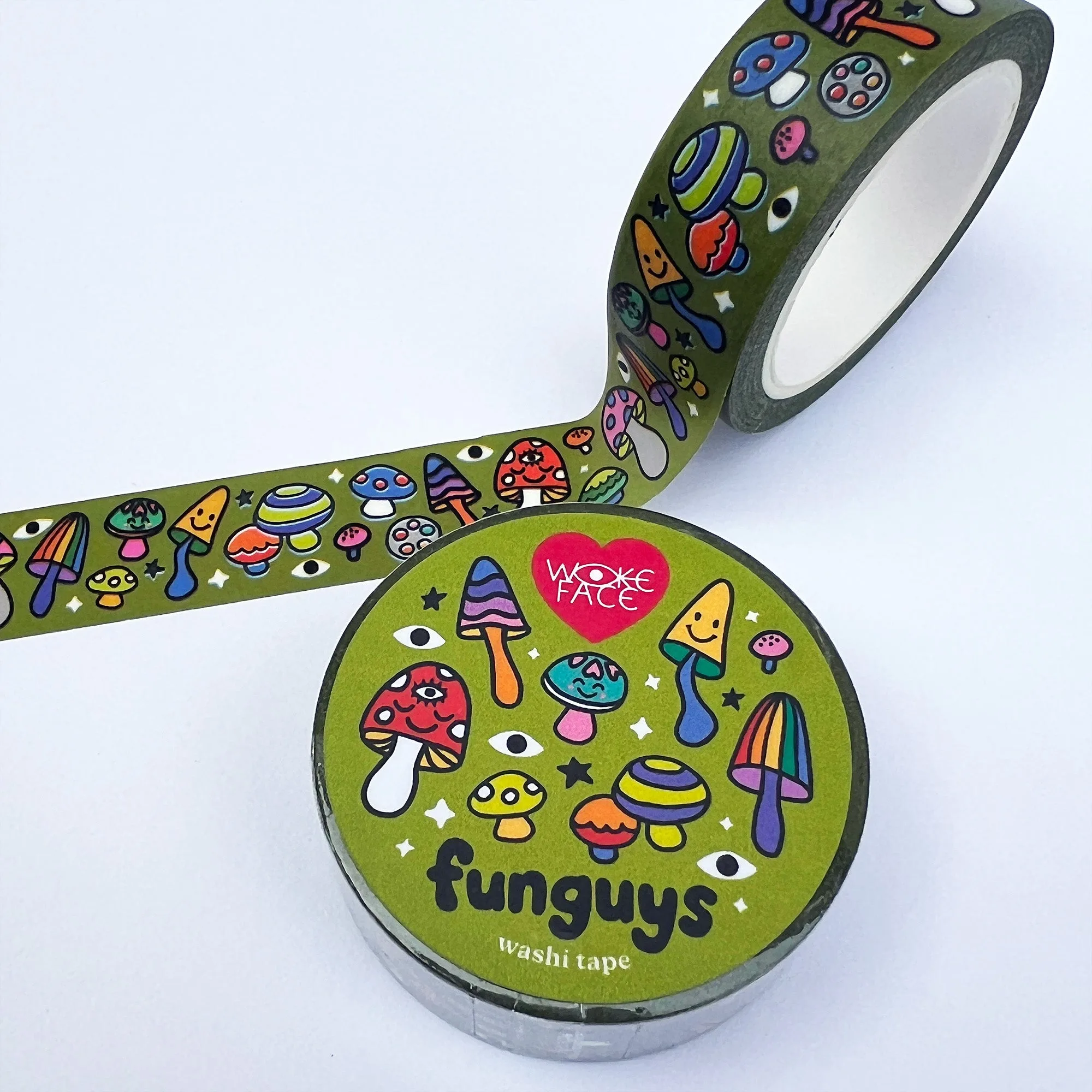
- Funguys Washi Tape: Funguys Washi Tape is low-tack masking tape, each roll individually shrink wrapped and labeled, measuring 15mm x 10m. A short strip can label a dish, mark a drawer section, or wrap a small gift without leaving sticky residue on the dish itself.
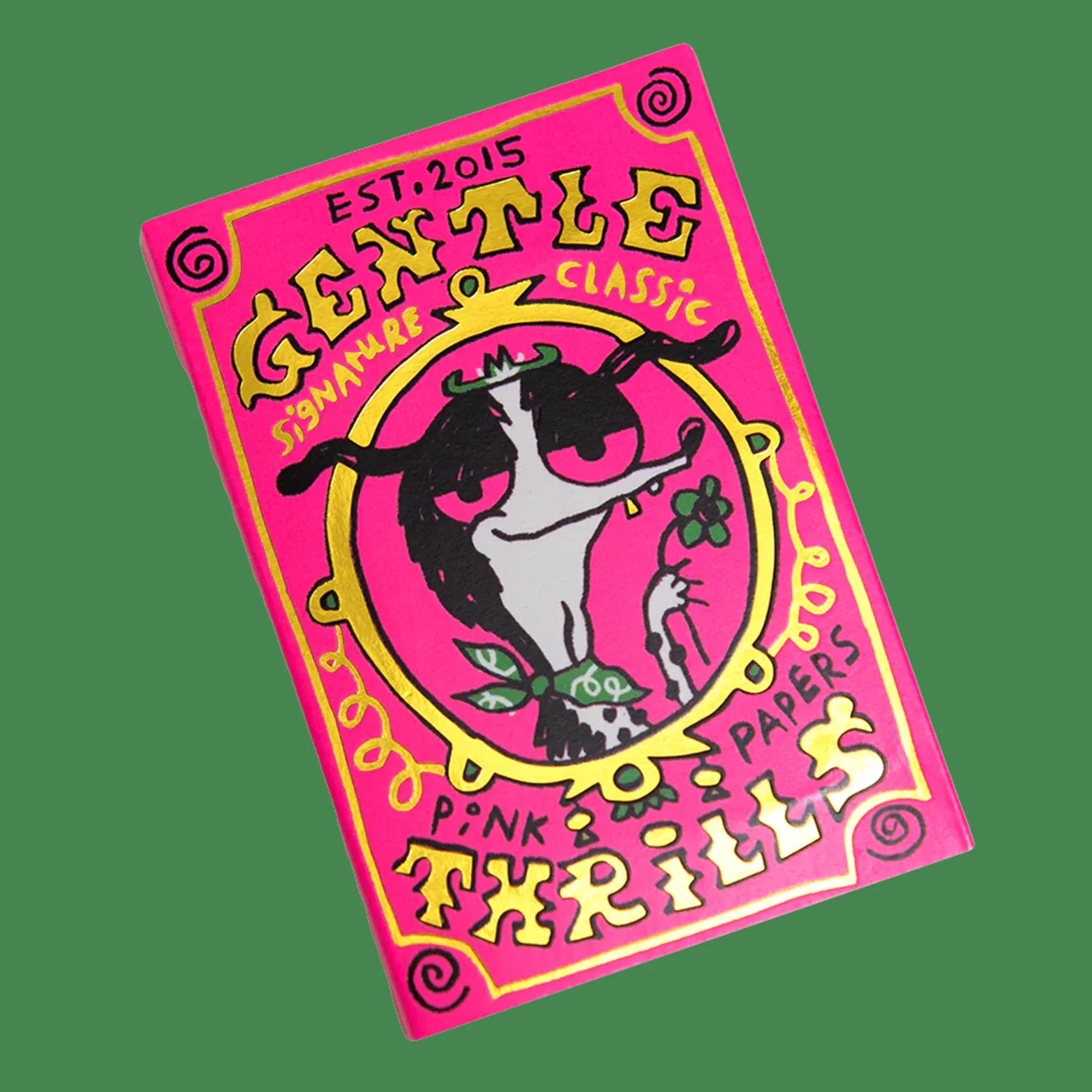
- Pink Rolling Papers: Pink Rolling Papers are made in Europe, 1 1/4 size booklet with magnetic closure and pink tips, ultra-thin, slow burning, arabic gum, designed by Gentle Thrills. The slim booklet and magnetic closure make it a pocket-sized item that can sit in a key dish or bedside dish without unrolling or spilling.