Quick answer
Write one specific moment from your week, one question you have been avoiding, and one thing you appreciate about your partner. That three-part entry gives you something real to talk about without turning the page into a performance. If you want prompts built in, a scratch-off couples journal can remove the blank-page problem entirely.
Why most couples journaling stalls after two entries
The usual failure is not a lack of feelings; it is a lack of structure. Couples sit down with an open notebook, write something vague like "good week," and never return. A better approach is to decide the shape of an entry before you sit down: one observation, one question, one appreciation. That format is short enough to finish in ten minutes and specific enough to spark a conversation.
Journaling for couples also works better when the prompt is a surprise. When you already know what you will write about, you edit yourself. A prompt you reveal at the table keeps the exchange honest and gives you both something to react to in the moment.
Pick a format that matches how you actually talk
Some couples write in the same notebook, passing it back and forth. Others keep separate pages and read aloud. A third option is a guided book where the prompt is hidden until you scratch it off, so neither person can prepare an answer in advance. None of these is better; the one you will repeat is the one that fits your evenings.
If you tend to overthink, choose a format with a built-in prompt. If you already talk easily, a plain notebook with your own three-part structure is enough. The goal is to lower the cost of starting, not to produce a beautiful artifact.
Prompts that produce real answers, not polite ones
Strong prompts ask about a specific memory, a small decision, or a feeling you have not named yet. Weak prompts ask for a verdict on the relationship, which invites a rehearsed answer. Try questions like: What did I do this month that you noticed but did not mention? When did you feel closest to me in the last two weeks? What is one thing you want more of on a normal Tuesday?
Rotate categories so the journal does not become a complaint log. Use one entry for a memory, one for a question, and one for a plan. That mix keeps the habit from drifting into either nostalgia or logistics.
Set a cadence you can keep without negotiating
Weekly is the most common rhythm that survives a busy month. Put it on a calendar as a twenty-minute block, not an open-ended evening. If you miss a week, write two short entries rather than one long one; the habit matters more than the word count.
Keep the journal in the same place every time, ideally near where you already sit together. If the book lives in a drawer across the house, it will be forgotten. If it lives on the coffee table, it becomes part of the room.
How to start a couples journal in five steps
- Choose the format before the first entry: Decide whether you will share one notebook, keep separate pages, or use a guided book with hidden prompts. Write the decision down so you are not renegotiating it every week. Checkpoint: if you cannot agree in two minutes, pick the guided option and move on.
- Set a recurring twenty-minute slot: Pick a day and time that already exists in your routine, such as Sunday evening after dinner. Put it on a shared calendar. Do not wait for a free evening to appear. Common mistake: scheduling a two-hour session that neither of you will repeat.
- Write one observation, one question, one appreciation: Start every entry with the same three-part shape. The observation is a specific moment, the question is something you have not asked out loud, and the appreciation is concrete rather than generic. Checkpoint: if an entry takes more than ten minutes, you are editing instead of writing.
- Read your entries aloud to each other: Reading aloud turns the journal into a conversation instead of two private diaries. Keep it to a few sentences each, then let the other person respond before moving on. Common mistake: treating the entry as a final statement rather than an opening.
- Rotate prompt categories each week: Move between memory, question, and plan so the journal does not become repetitive. A scratch-off prompt or a conversation-focused card can fill the week when neither of you has a question ready. Next step: after four weeks, reread the first entry and note what changed.
Products that support a couples journaling habit
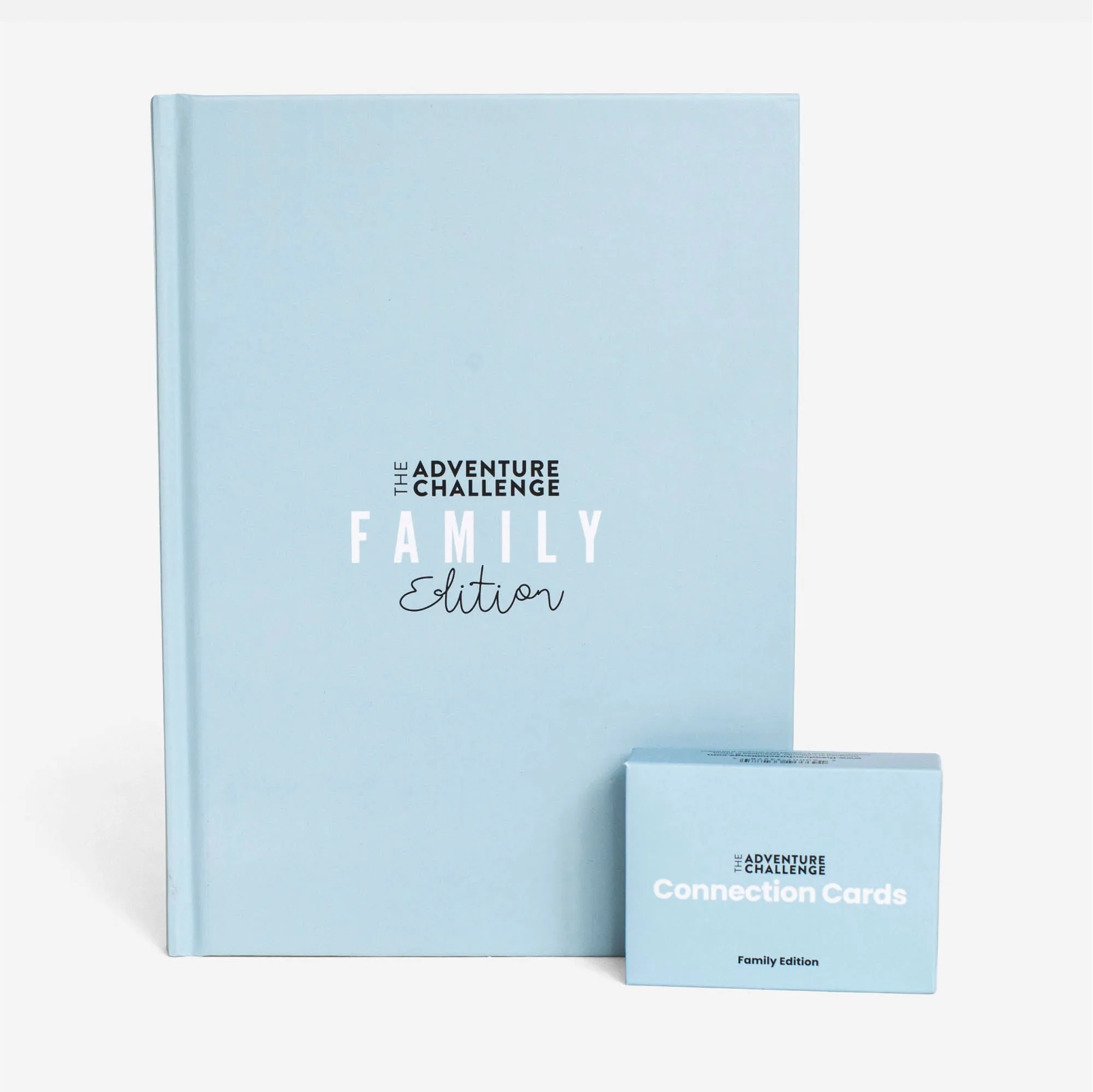
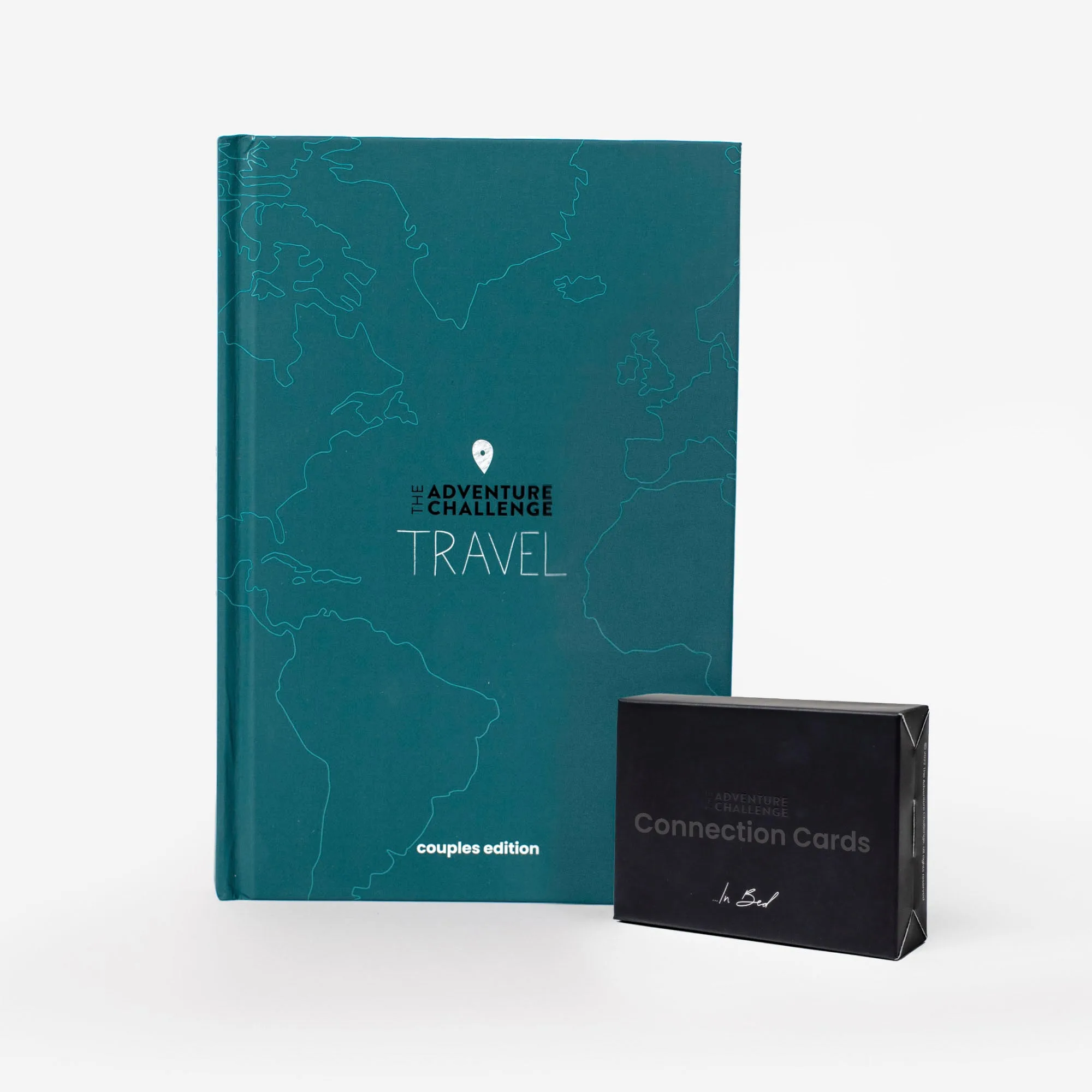
- Couples Edition: The Couples Edition book contains 50 scratch-off adventures, and the challenge stays a surprise until you scratch it off. A hidden prompt removes the blank-page problem, so you can write or talk about something you did not rehearse in advance.
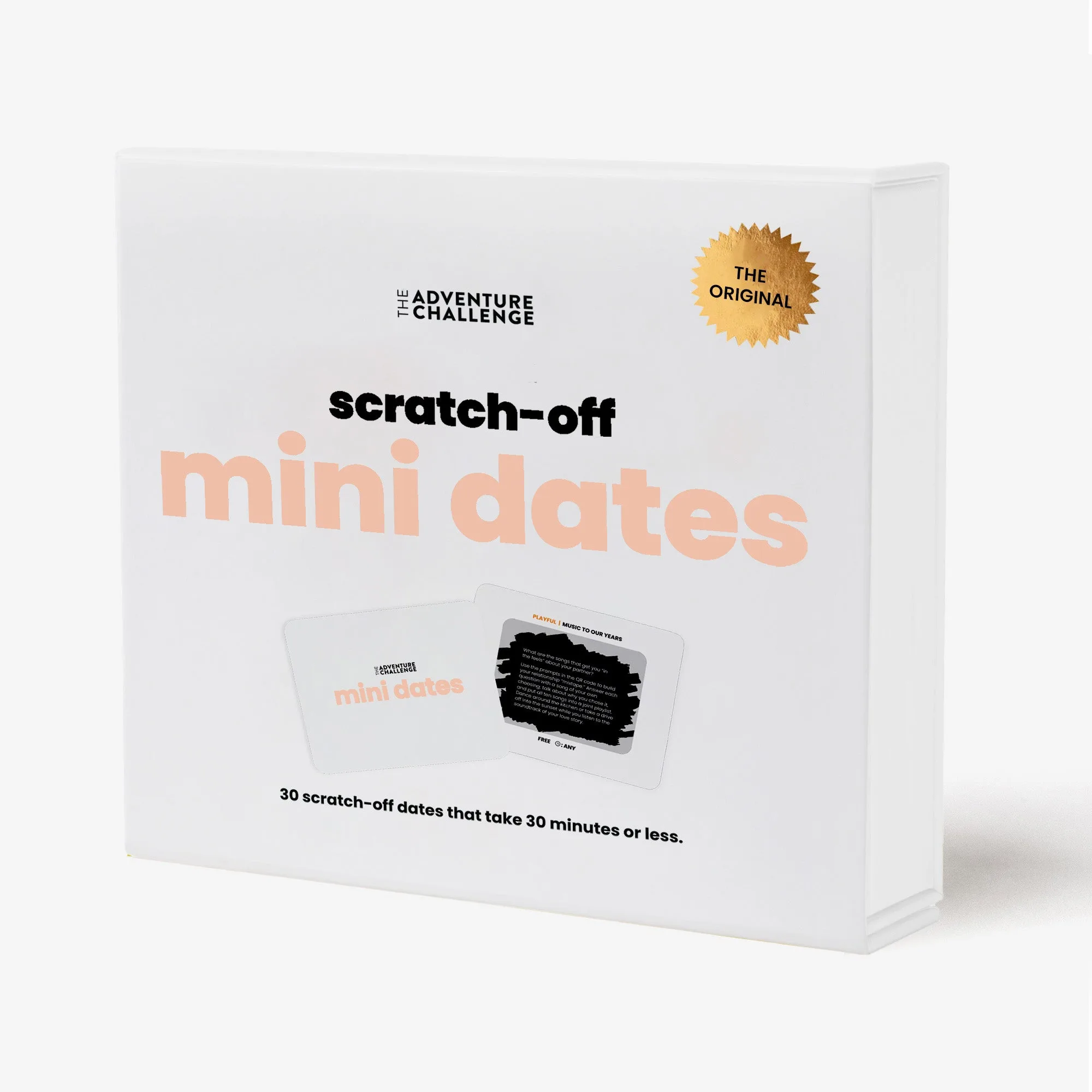
- Mini Dates and Couples Edition Bundle: The Mini Dates and Couples Edition Bundle includes scratch-off challenges in four date categories covering food, games, playful moments, and intentional conversations, and each can be completed at home or close to it. The intentional-conversation category gives you ready-made journaling prompts for the weeks when you want to write together but cannot think of a question.
- Table For Two: Table For Two combines the Couples Edition with dinner-date content in one bundle. If your journaling habit works best when it is attached to a meal, pairing the two gives you a natural weekly anchor instead of a separate event to schedule.