Quick answer
Write one honest sentence about how you feel right now, then add one small thing you need or want to do for yourself today. That two-line entry is a complete wellness journal entry—you do not need to fill a page to begin.
Why a tiny entry beats a full page
A wellness journal is not a performance. The most useful entries are short, specific, and repeatable, because they fit into a real day rather than an ideal one. If you aim for a full page every time, you will likely skip days and then feel behind. Aim for two lines, and let longer entries happen only when you have something more to say.
This approach also makes it easier to notice patterns. A few words about sleep, mood, or energy each day can reveal more than a single long entry written once a month.
What to do when you feel stuck or emotional
Some days you will open the journal and feel nothing worth writing, or feel too much to sort out. In those moments, lower the bar: write the date and one word. That still counts as showing up. If a prompt brings up difficult feelings, close the journal and return later—there is no rule that you must finish an entry in one sitting.
If you are using a journal designed around a specific journey, such as the Wellness Journal, let its structure guide you rather than pressure you. The pages are there to hold what you choose to share, not to demand a certain depth.
How to choose prompts that actually help
Generic prompts can feel hollow. Choose prompts that connect to something real in your day—your energy level, a conversation you had, or a small win. A useful prompt is one you can answer in a sentence or two without overthinking. Skip any prompt that feels like an assignment; the goal is reflection, not completion.
Your simple daily wellness journal routine
- Pick a two-minute window: Choose a time you can reliably keep—right after your morning coffee or just before bed—and set a timer for two minutes. Write only until the timer ends. If two minutes feels too long, start with one minute and add time only when it feels easy.
- Write one feeling and one need: Begin with 'Right now I feel…' and finish the sentence. Then write 'Today I need…' and name one small thing, such as rest, water, a walk, or a text to a friend. Keep both sentences concrete; avoid vague words like 'good' or 'bad' when a specific word comes to mind.
- Add one prompt only if you want more: If you have energy left, answer one prompt from the list below. If not, stop after the two sentences—that is a complete entry. Never force a prompt just to fill space; a short honest entry is more useful than a long forced one.
- Close with a single next step: End by writing one action you will take before your next entry—drink a glass of water, go to bed 15 minutes earlier, or send a message you have been putting off. Choose an action small enough that you can do it even on a difficult day.
- Review once a week, not daily: At the end of the week, read your entries and circle one word or phrase that repeats. Use that pattern to adjust your routine or prompts for the coming week. If you missed days, do not try to catch up; simply begin again with the next entry.
A journal made for reflection
-
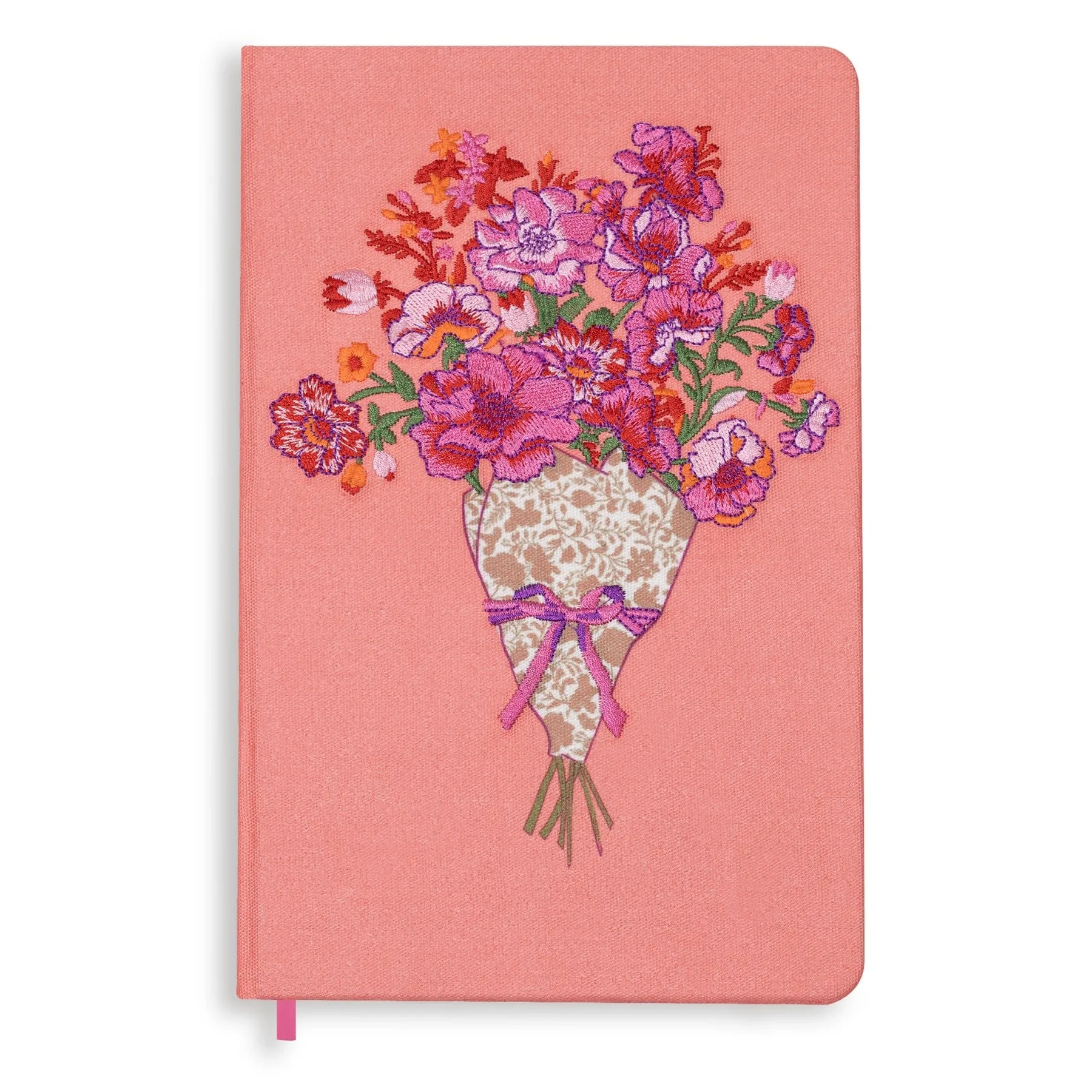
Wellness Journal: The Wellness Journal is designed as a space for healing, reflection, and empowerment, with pages crafted to guide self-discovery and self-care. If you want a journal that already holds a gentle structure, this one gives you a starting point without requiring you to invent prompts from scratch.
Wellness Journal