Quick answer
The clearest 2026 shift is away from pure hidden-role bluffing and toward games that give everyone a job: shared puzzles, team trivia with a built-in liar, and trick-taking with a risk arc. If you want one purchase that captures the moment, pick a game where every player stays involved on every turn rather than one where half the table watches.
Every year brings a wave of "new" party games that turn out to be the same bluff-and-vote loop with a fresh coat of paint. The interesting 2026 changes are structural: fewer player-elimination mechanics, more simultaneous decisions, and more games that work at both four players and ten.
This FAQ covers the questions we hear most from groups trying to read the tabletop game trends before they buy. It is not a forecast of sales numbers or a list of awards. It is a practical read on what designers are shipping and how to tell whether a trend actually suits your table.
Is social deduction dying, or just changing shape?
Deduction is not going anywhere, but the classic format, where an impostor hides and everyone else votes, is losing ground to games that keep the deception but remove the waiting. The trend is toward giving each player a private goal that conflicts with someone else's, so suspicion builds from behavior instead of a scripted role card.
That matters for group size. Old-school hidden-role games often need six or more players to function, which makes them fragile for a weeknight four. Newer designs increasingly support a small table and scale up without adding downtime, which is the single most useful thing to check on a box before you buy.
- Check the player count on the box against your realistic regular group, not your biggest party.
Why is trivia getting a twist?
Straight quiz games reward the one person who already knows everything, which is a fast route to a quiet table. The 2026 answer is trivia where the answers are supplied and the challenge is ordering or judging them, so knowledge helps but persuasion matters more.
This is also where the bluffing trend and the trivia trend merge. If one player can insert a fake answer into a set of real ones, the group has to debate rather than recall, and the least bookish player suddenly has leverage. For mixed-ability groups, that is a bigger quality-of-life improvement than any new question category.
- If your group has one trivia shark, look for games where the answers are visible and the debate is the game.
Are cooperative party games still growing?
Yes, and the growth is in co-op games that give the table a shared problem rather than a shared score. The appeal is obvious: nobody gets voted out, nobody sits on a losing team, and the group either solves the thing together or loses together.
The tradeoff is real. Cooperative games can suffer from one dominant player running the table, and they usually have a lower ceiling for the trash talk that makes social deduction fun. If your group's joy comes from accusing each other, a co-op puzzle will feel polite. If your group hates conflict, it will feel like relief.
- Co-op suits families and mixed-experience tables; bluffing suits groups that enjoy friction.
What should I look for in new party games this year?
Three things separate a keeper from a shelf-warmer. First, simultaneous play, so nobody waits through five other turns. Second, a reason to care about other players' choices, whether that is suspicion, teamwork, or competition for the same resource. Third, a rules explanation under five minutes, because party games live or die on how fast the first round starts.
A useful test is the second-play question. If you can describe what would be different in round two, the game has depth. If the answer is "the same, but louder," you are buying a novelty, which is fine as long as you know that going in.
- Read the rules summary, not the marketing copy, before buying a party game.
Do expansions matter for party games?
More than they used to. Because party games rely on variety rather than deep strategy, a scenario or content expansion can extend a game's life far more cheaply than a new base game. The catch is that expansions almost always require the base game, so check the dependency before you add it to a cart.
The practical rule: buy the expansion only after the base game has hit your table at least three times. If it has not, the problem is not a lack of content.
- Confirm the base game requirement on the expansion listing before ordering.
Party game trend FAQ
What is the biggest party game trend in 2026?
Games that keep every player active on every turn, through simultaneous decisions, shared puzzles, or a built-in liar, instead of player elimination and long waits between turns. If a game makes you wait more than a minute for your turn, it is working against the trend.
Is social deduction still worth buying?
Yes, if your group enjoys friction and has the player count the game needs. Newer designs increasingly support smaller tables, so check the box range rather than assuming you need eight people. Match the player count to your real group, not your ideal one.
How do I spot a party game that will actually get replayed?
Look for simultaneous play, a reason to watch other players' choices, and a rules explanation under five minutes. Then ask what would be different in the second round. If you cannot answer the second-round question, it is a novelty, not a staple.
Do I need the base game to use an expansion?
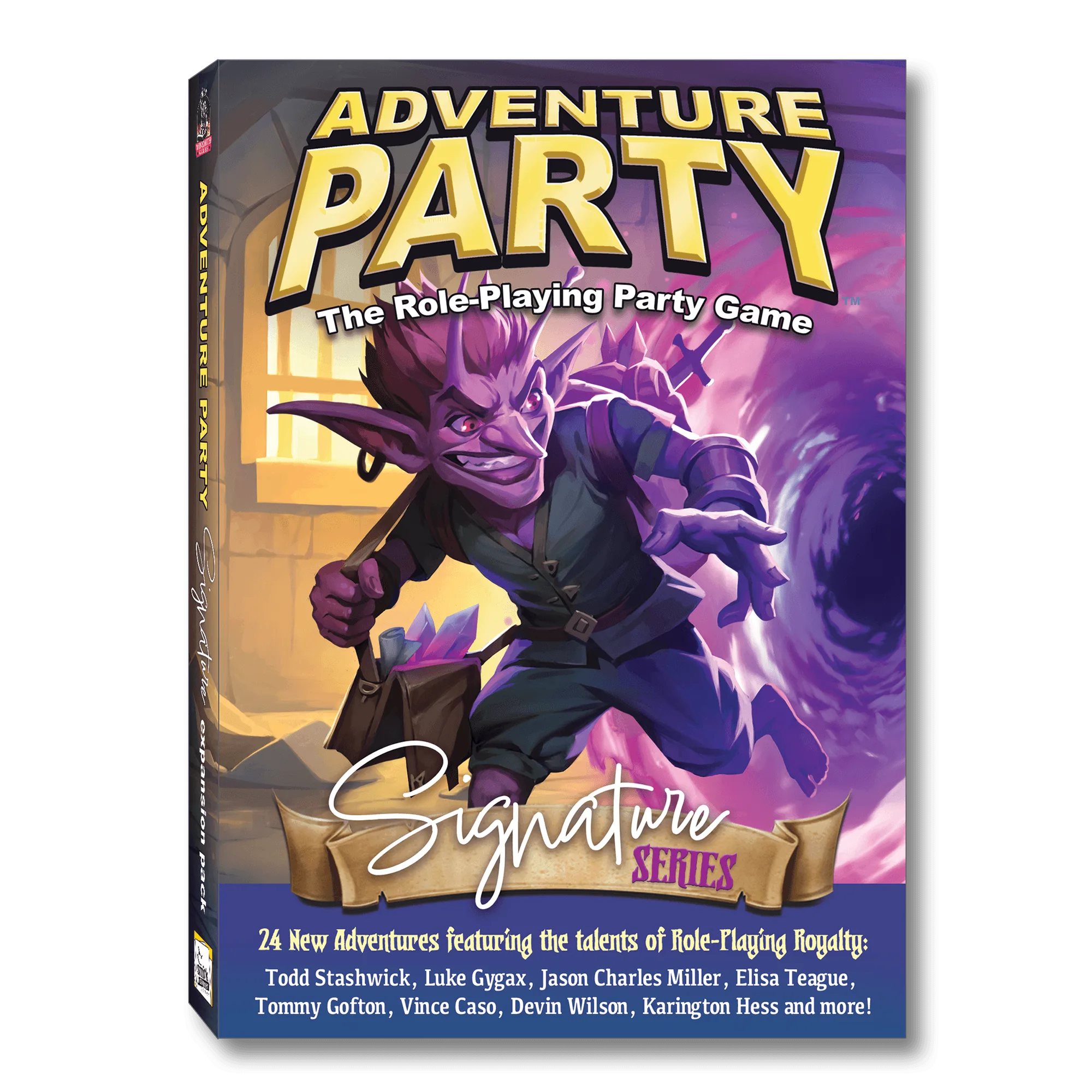
Usually yes. Expansions such as Adventure Party Signature Series Expansion require the base Adventure Party game to play, so confirm the dependency before buying. Buy the expansion only after the base game has hit your table three times.
Games that show these trends in practice
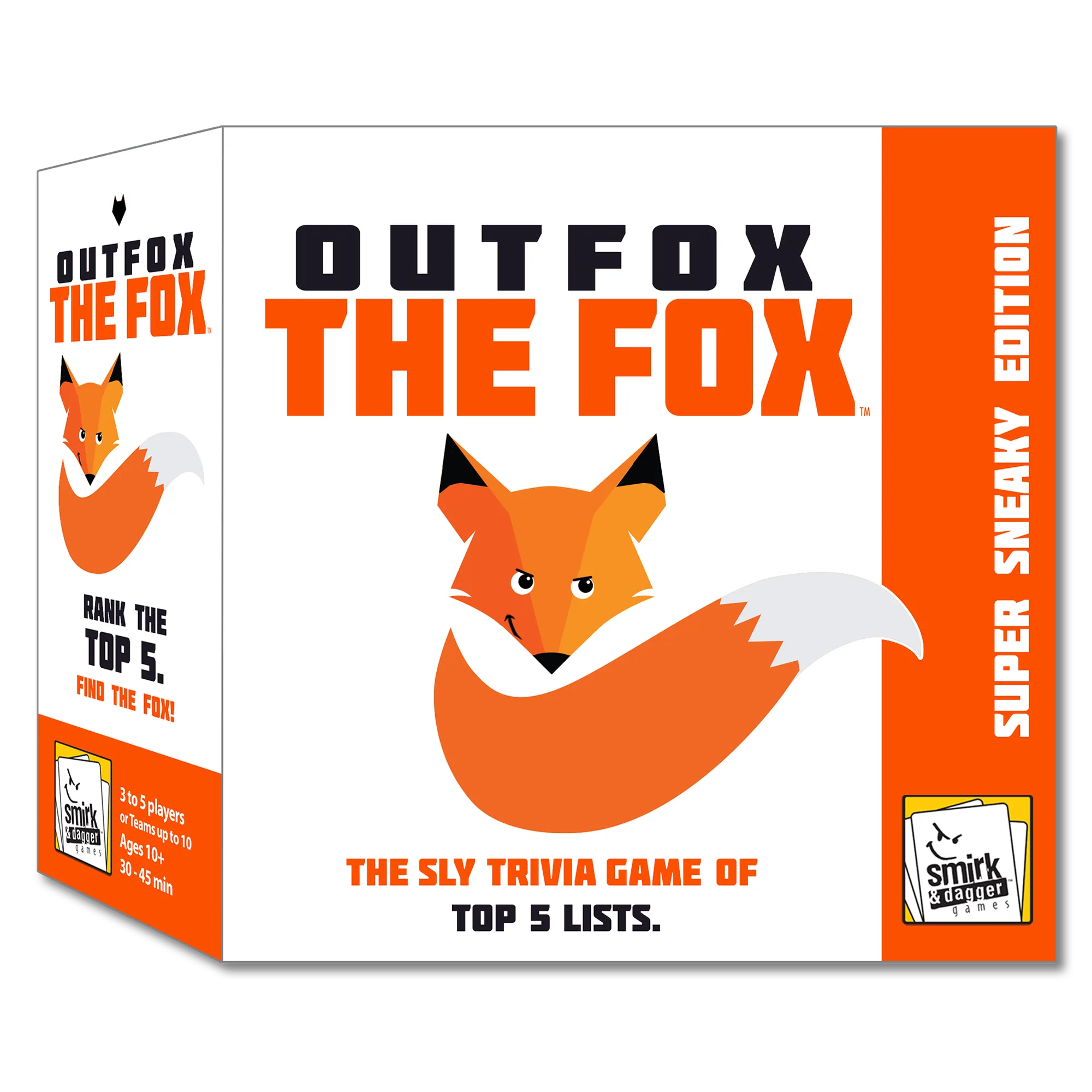
- OUTFOX the FOX - A Sly Game of Top Five Trivia for 3-10: Players team up to debate and sequence the order of top 5 lists, and each round one player inserts a fake answer (THE FOX) among the 5 real ones. This is the trivia-plus-bluffing trend in one box, and the 3-10 player range covers both a weeknight four and a full party without changing the rules.
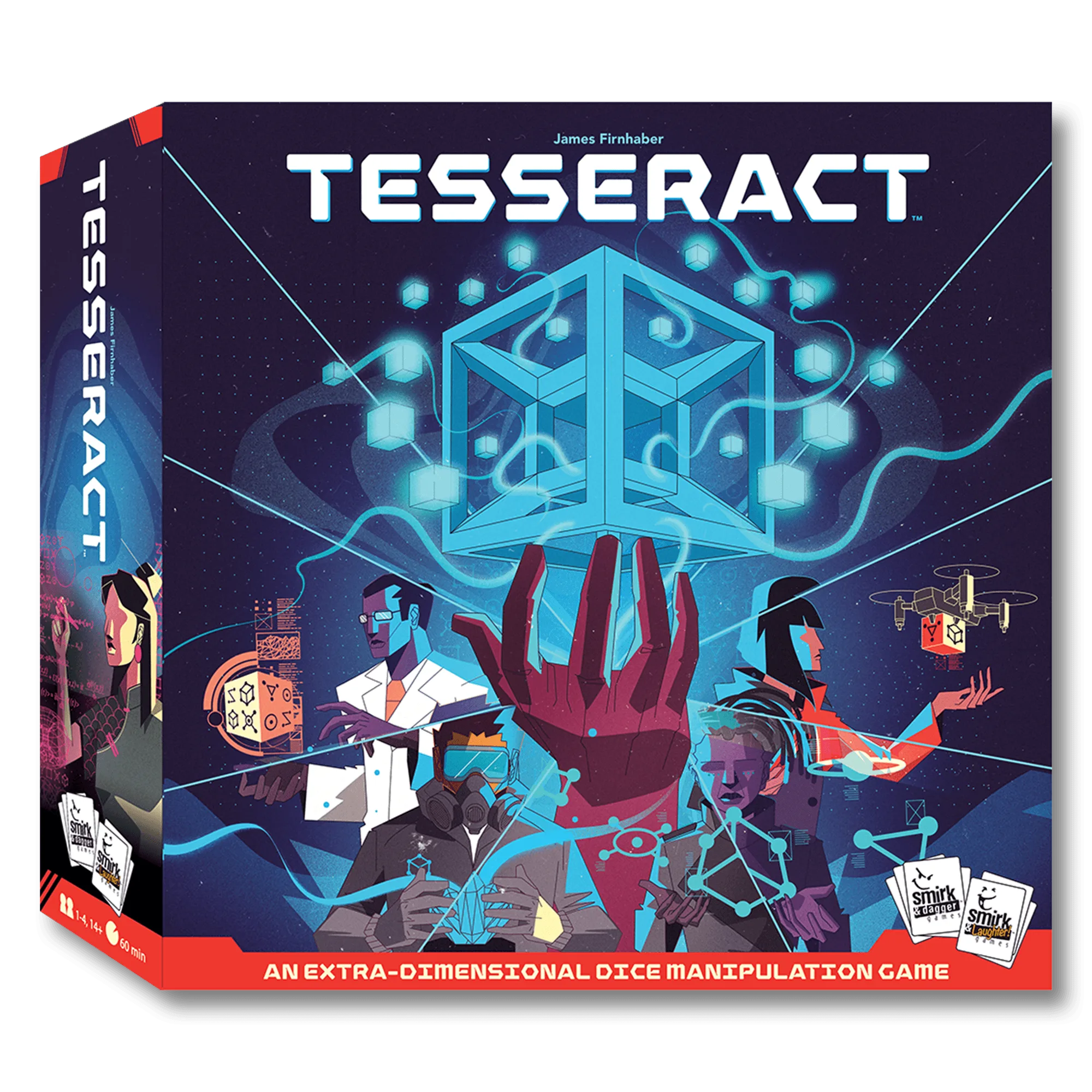
- TESSERACT: a cooperative, puzzle strategy game: The game features a cube of 64 dice sitting on a rotating platform to examine all angles, with players using three actions. A concrete example of the co-op puzzle direction, where the table shares one physical problem instead of competing for points.
- Trickarus: In this must-follow trick-taking game, winning tricks sends you ever higher into the sky, and flying too close to the sun can bring disaster. Shows the risk-arc trend: winning is not automatically good, which keeps every trick tense for all players.
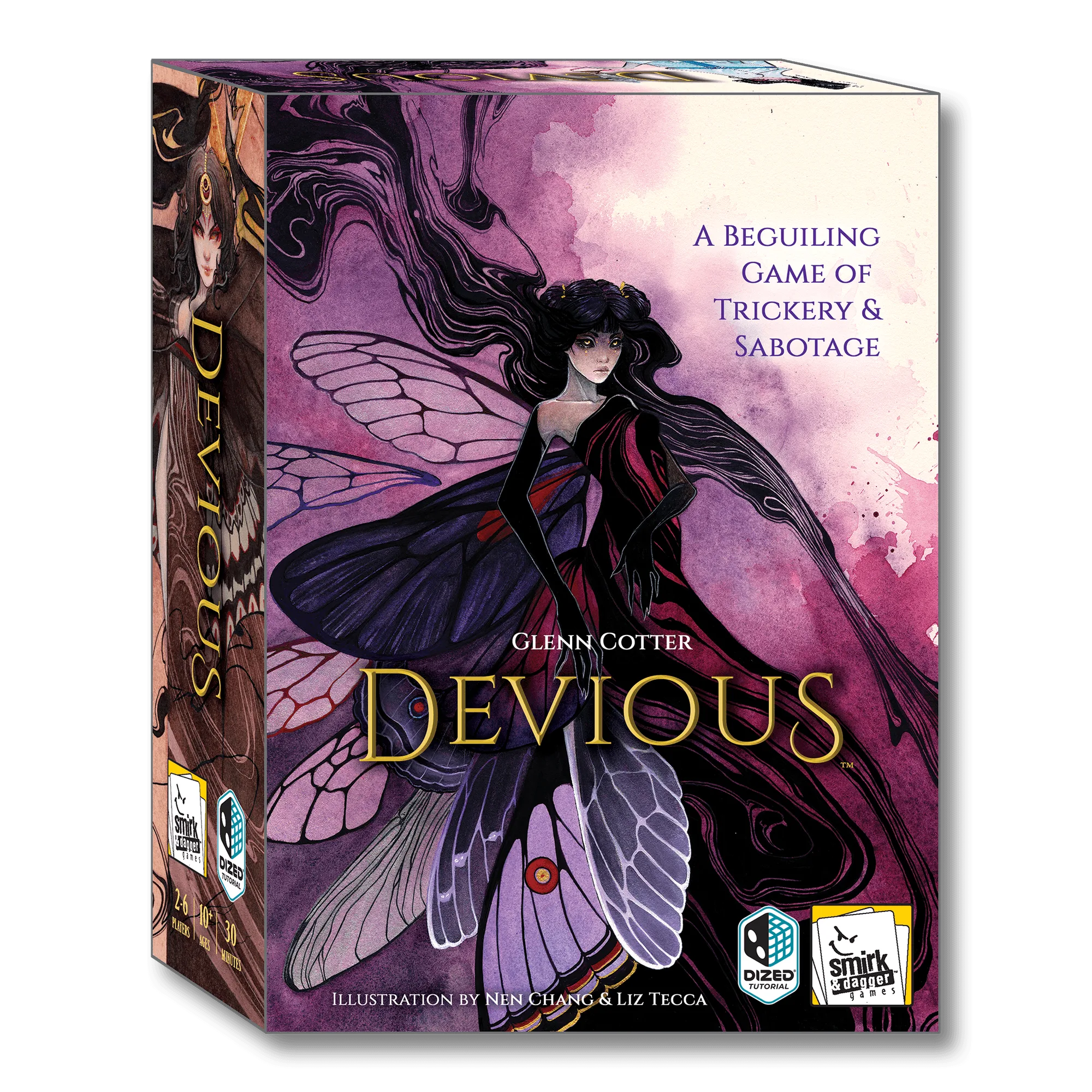
- Devious: Each round you play a single card, but your 3-card hand is arranged and placed face-down by your opponent. A clean example of shifting control, where your opponent's choices shape your options and suspicion replaces hidden roles.
The 2026 direction is simple: games that keep everyone involved beat games that keep everyone guessing about when their turn comes. Pick for your actual group size and tolerance for conflict, and the trends will take care of themselves.