Quick answer
Move your puppy out of the Intermediate Revol Box and into a full crate when they can stand without crouching, turn around easily, and lie flat—usually around 4 to 6 months for medium breeds. If you see these signs and your puppy is consistently sleeping through the night without accidents, it's time to size up.
Why the Intermediate Revol Box Is a Temporary Home
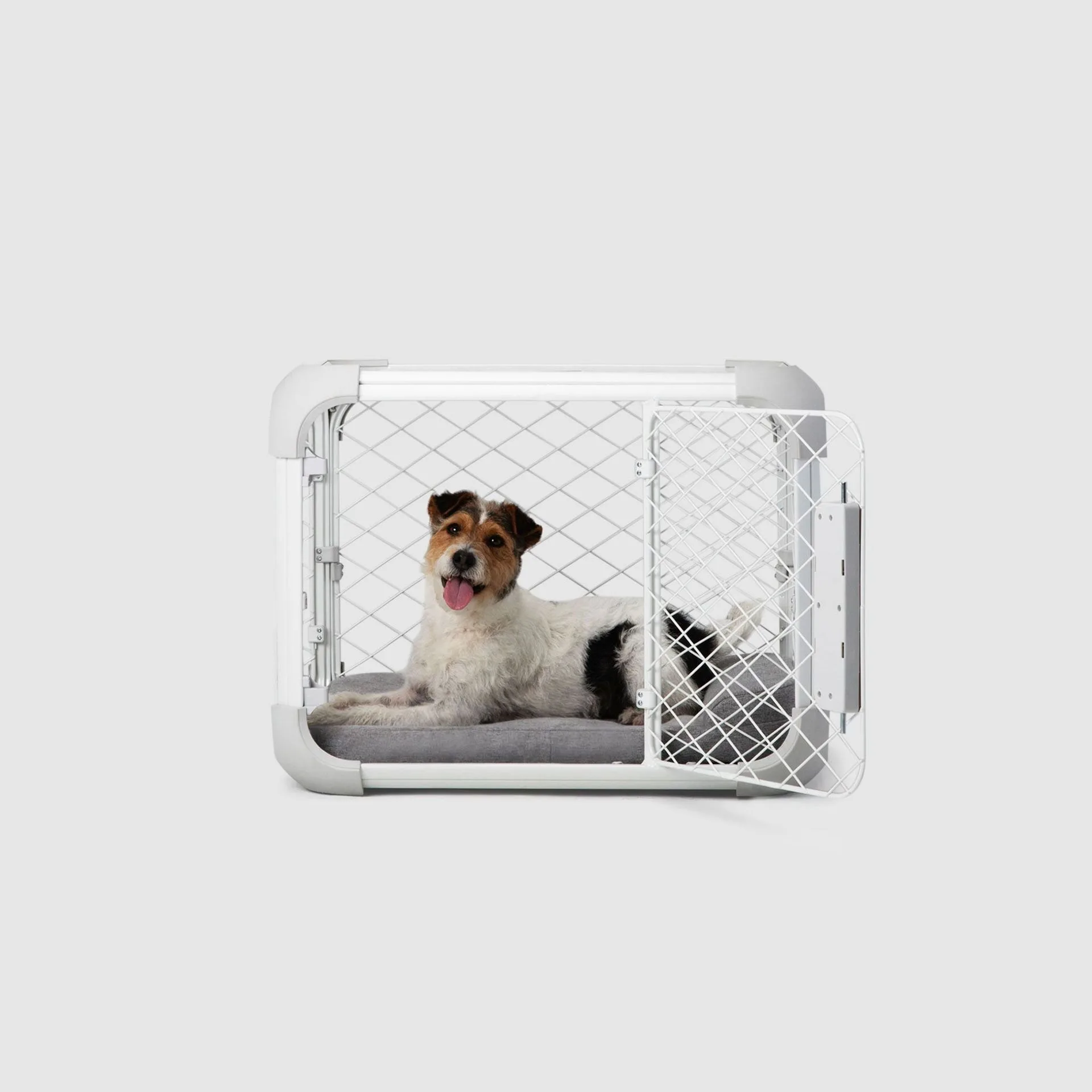
The Intermediate Revol Box is designed for intermediate-sized pets, making it a practical first crate for a growing puppy. It provides a secure and cozy environment, but as your puppy grows, they will need more room to stretch out. The crate's sturdy construction supports your puppy's early training, but it's not meant to be a forever home for a large adult dog.
How to Tell Your Puppy Has Outgrown the Revol Box
Measure your puppy's height and length while standing. If their head touches the top of the crate or they can't turn around without bumping the sides, it's time to upgrade. Also watch for signs of restlessness at night or accidents in the crate—these can indicate the space is too small.
Choosing the Right Full Crate Size
Select a crate that allows your puppy to stand, turn, and lie down comfortably. For most medium breeds, a 36-inch crate works well, but always check the manufacturer's sizing guide. If you're unsure, err on the side of a slightly larger crate with a divider panel to adjust as your puppy grows.
Step-by-step transition plan
- Step 1: Confirm your puppy has outgrown the Revol Box: Measure your puppy's height and length. If they can't stand upright or turn around without touching the sides, it's time to move up. Checkpoint: Your puppy should be able to stand and turn comfortably in the new crate.
- Step 2: Choose the right full-size crate: Select a crate that will fit your puppy at their expected adult size. Use a divider to adjust the space as they grow. Common mistake: Buying a crate that's too large without a divider, which can lead to accidents.
- Step 3: Introduce the new crate gradually: Place the new crate next to the old one and let your puppy explore it. Feed meals near or inside the new crate to build positive associations. Checkpoint: Your puppy willingly enters the new crate within a few days.
- Step 4: Transition nighttime and alone time: Start by having your puppy sleep in the new crate for short periods, then gradually increase duration. Keep the old crate available for a few days as a backup. Common mistake: Rushing the transition and removing the old crate too soon, which can cause anxiety.
- Step 5: Monitor and adjust: Watch for signs of stress or accidents. If your puppy regresses, go back a step and give them more time. Next step: Once your puppy is comfortable, you can remove the old crate entirely.
Product facts
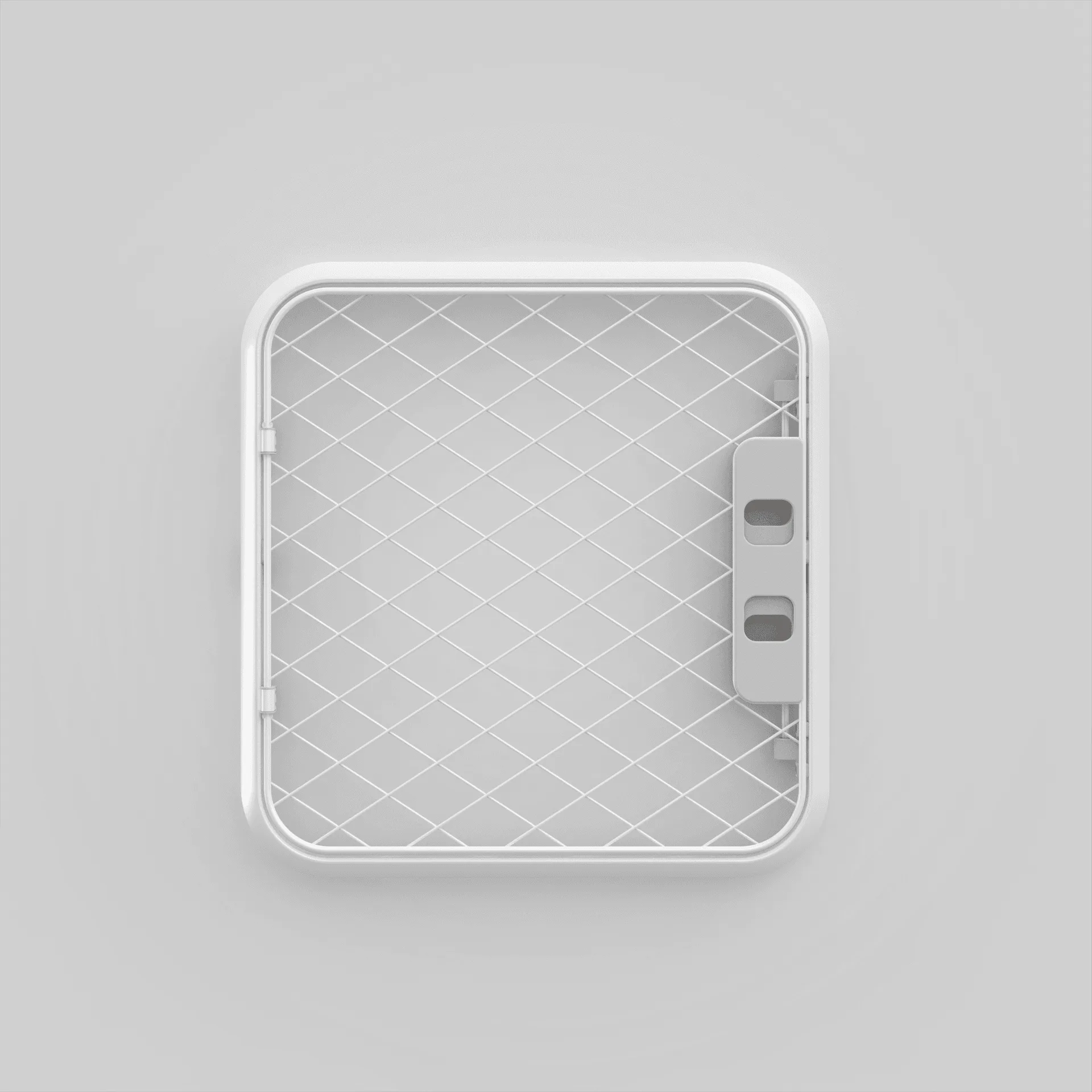
- Intermediate Revol Box 2/2: The Intermediate Revol Box 2/2 offers a practical and stylish crate solution for your pet. Available in three refined color options, this crate is designed to blend seamlessly into your home while providing a comfortable space. Choose from Ash, Charcoal, or Smoke finishes to match your decor. Constructed with a focus on durability and functionality for intermediate use. This crate is ideal for the early stages of crate training, but its intermediate size means it will only fit your puppy for a few months.
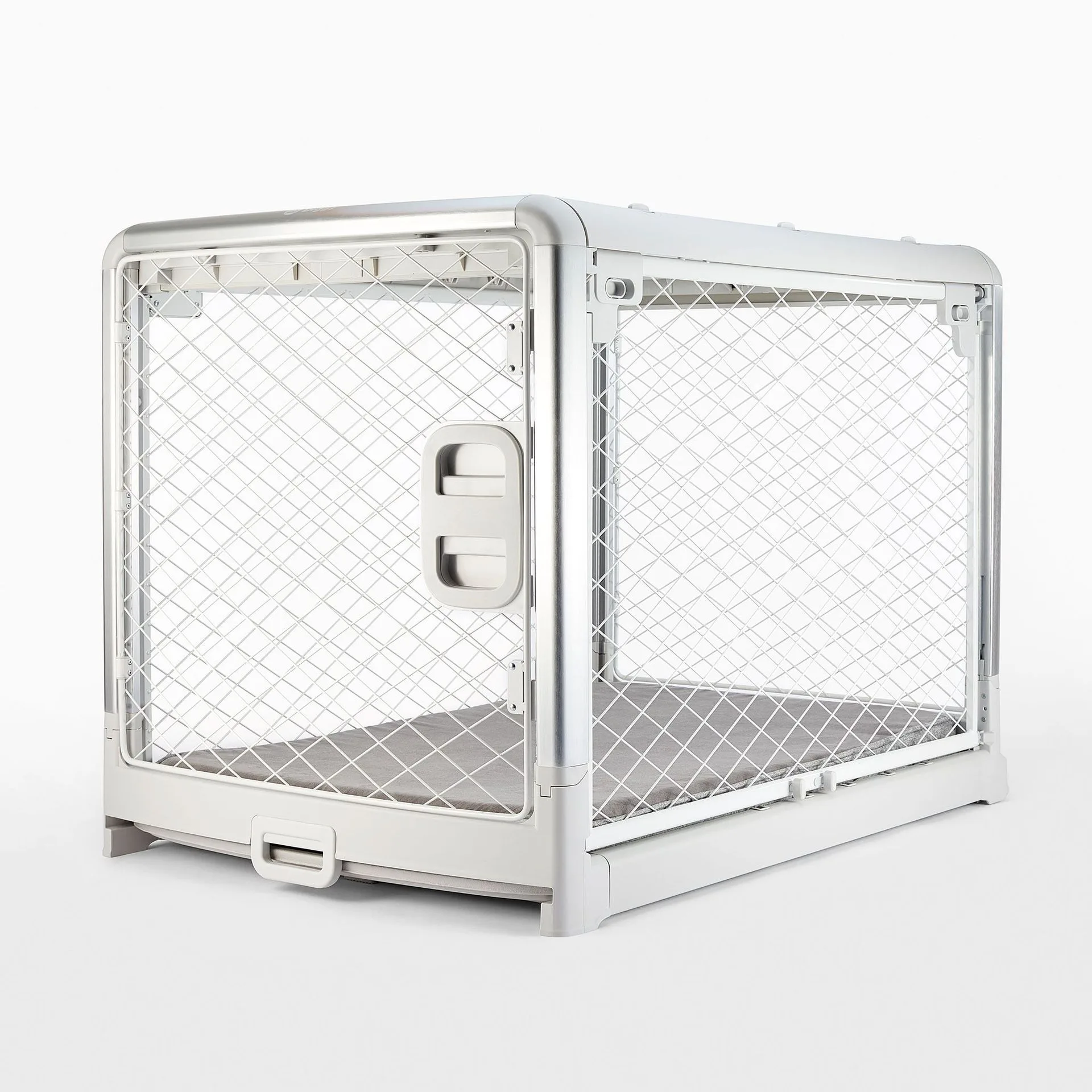
Intermediate Revol Box 2/2
- Intermediate Revol Box 1/2: The Intermediate Revol Box 1/2 from Diggs offers a practical and stylish crate option for your pet. Available in three subtle colors, this crate is designed to blend seamlessly into your home. Available in Ash, Charcoal, and Smoke color options to suit your decor. Part of the Revol Box series, offering a modern and functional design. Ideal for intermediate-sized pets, providing a comfortable and secure space. This model is part of the same series and shares the same size limitations, so the transition timeline applies similarly.