Quick answer
Replace Dr. Brown's silicone nipples every 2 to 3 months, or sooner if you notice any signs of wear like stickiness, cracking, discoloration, or a collapsed nipple. Regular replacement helps maintain the anti-colic vent system's effectiveness and ensures a consistent, comfortable feeding experience.
Why regular nipple replacement matters
Dr. Brown's nipples are designed to work with the internal vent system to reduce colic, spit-up, burping, and gas. Over time, silicone can degrade from repeated sterilization and washing, which can affect the nipple's flow and the vent's ability to minimize air intake. A worn nipple may also tear, posing a choking hazard.
Even if the nipple looks fine, the material can become less flexible or develop microscopic cracks. That's why following a routine replacement schedule is just as important as inspecting for visible damage.
Signs that your nipple needs replacing
Check your Dr. Brown's silicone nipples regularly for these common wear signs:
Stickiness or tackiness: If the silicone feels sticky or gummy, it has started to break down.
Cracks, tears, or holes: Even tiny splits can allow too much milk to flow or cause pieces to break off.
Discoloration or cloudiness: Silicone that turns yellow or cloudy may be degraded, especially after repeated sterilization.
A collapsed or flattened nipple: If the nipple doesn't bounce back to its original shape, it's time to replace it.
Changes in flow: If milk drips too fast or too slow, the nipple may be worn or clogged.
How often should you change bottle nipples?
A good rule of thumb is to replace silicone nipples every 2 to 3 months, even if they look fine. This is because daily washing, sterilizing, and general use can weaken the material over time. If you notice any of the wear signs above, replace the nipple right away, regardless of how long you've been using it.
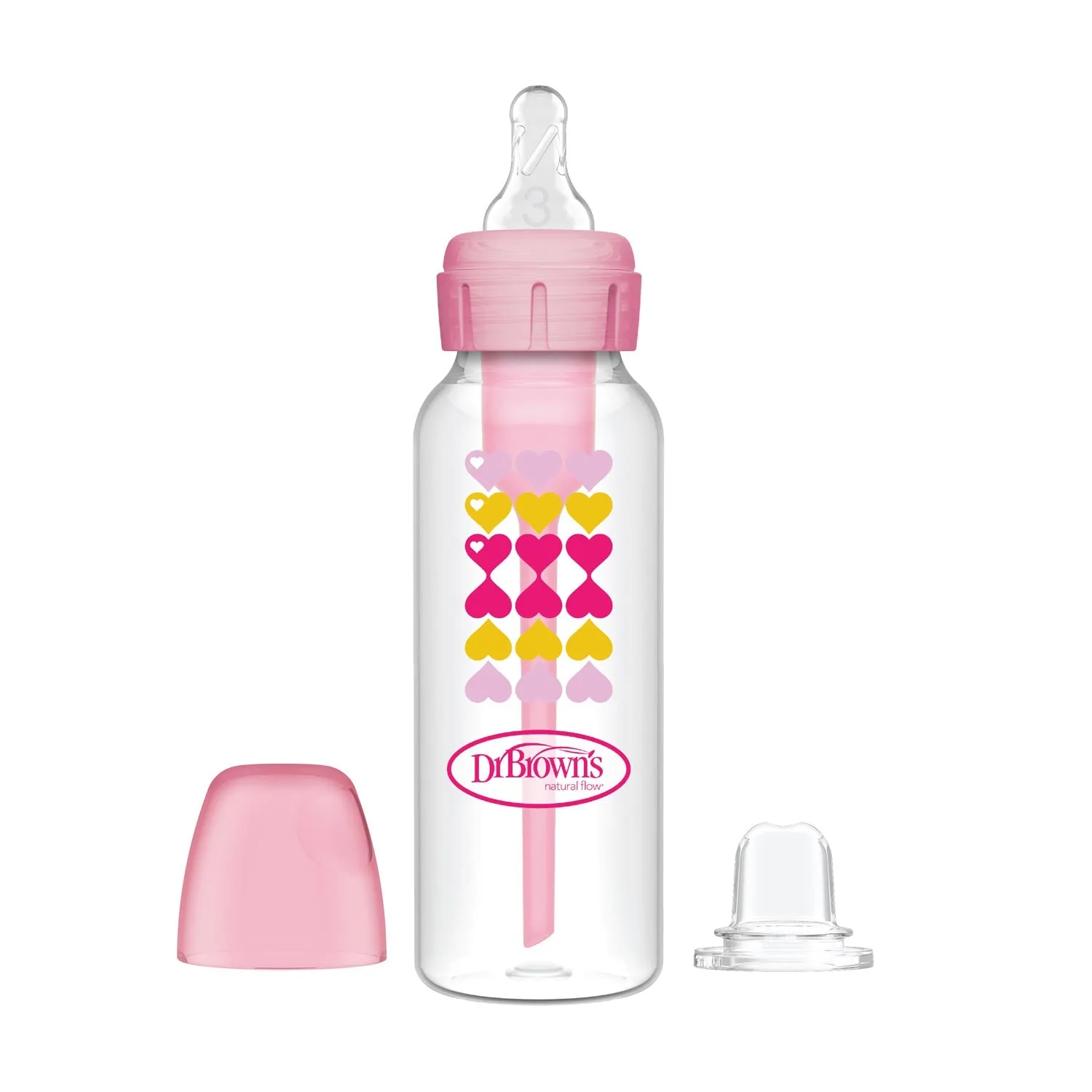
It's also wise to have a few spare nipples on hand so you're never tempted to keep using a worn one. Dr. Brown's offers individual nipple packs in different flow levels, so you can match the flow to your baby's age and feeding skills.
Nipple wear diagnosis
- Symptom: Nipple feels sticky, looks cloudy, has cracks, or doesn't bounce back to shape. These are clear signs of silicone breakdown.
- Likely cause: Normal wear from daily use, frequent sterilization, or exposure to heat and detergent. This is expected over time, not a defect.
- Corrective action: Replace the nipple immediately with a new Dr. Brown's silicone nipple. Check the flow level to ensure it matches your baby's needs. Use a fresh nipple from a 2-pack to avoid delay.
- Stop or choose another option: If you've replaced the nipple but still see changes in flow or feeding behavior, check the vent system and bottle assembly. If problems persist, consider trying a different flow level or a different bottle design, such as Dr. Brown's silicone bottle. Don't keep using a nipple that seems off—your baby's comfort and safety come first.
Nipple replacement options
- Dr. Brown's Natural Flow Narrow Baby Bottle Silicone Nipple, Level Preemie, 2-Pack: Dr. Brown's Natural Flow Narrow Baby Bottle Silicone Nipple, Level Preemie, 2-Pack This pack gives you two fresh nipples with a preemie flow rate, perfect for newborns or babies who need a slower flow. Having spares ensures you can replace worn nipples promptly without a gap in feeding.