Quick answer
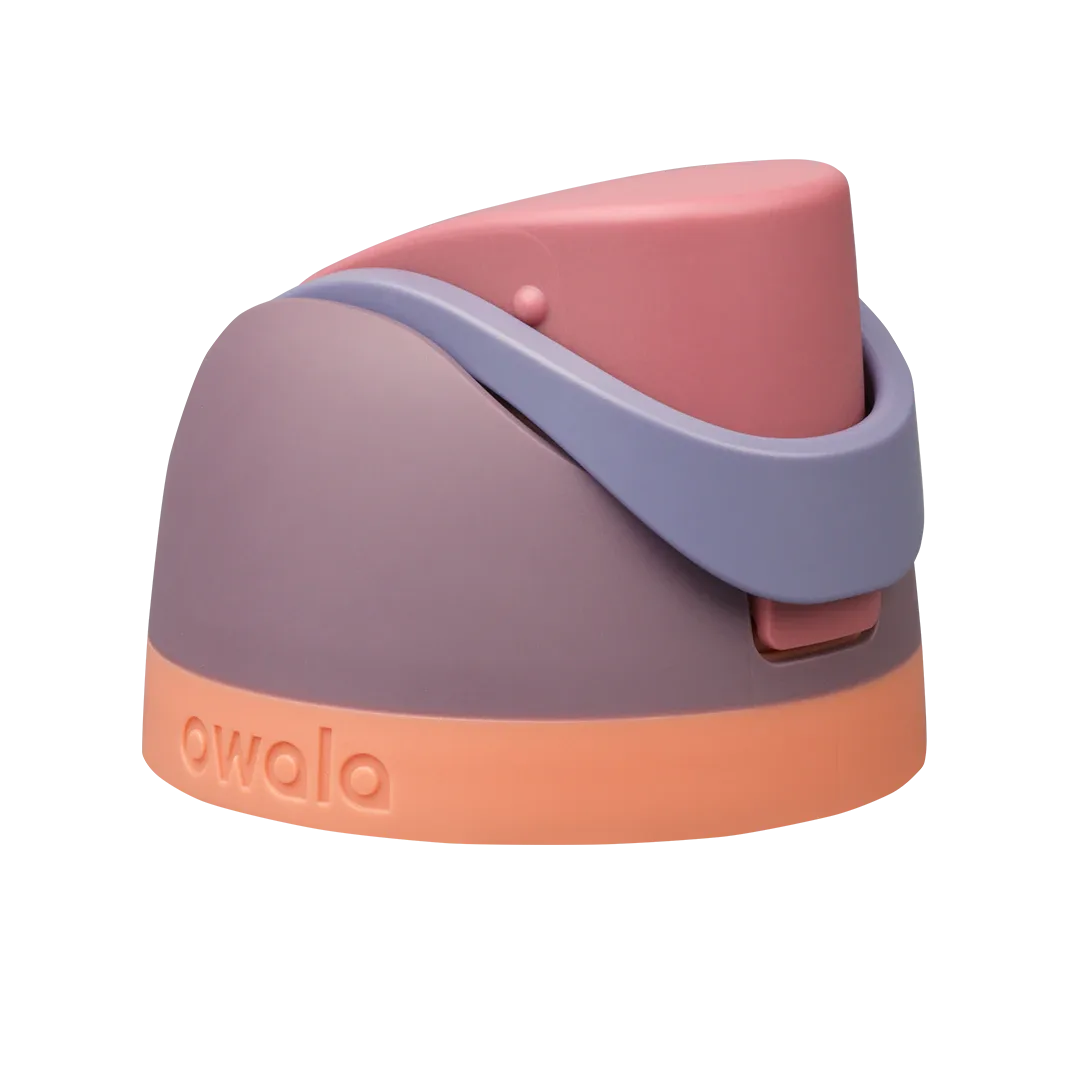
Replace your Owala lid when the locking mechanism or seal seat is physically damaged—cracks, a loose slider, or a lid that won't stay sealed after cleaning. Replace the gasket as soon as it feels stiff, stretched, or shows nicks, because that's the cheapest fix for most leaks. Replace the bottle boot when it no longer grips the base or has a tear that traps water. If you're unsure, start with the gasket; it's the most common failure point.
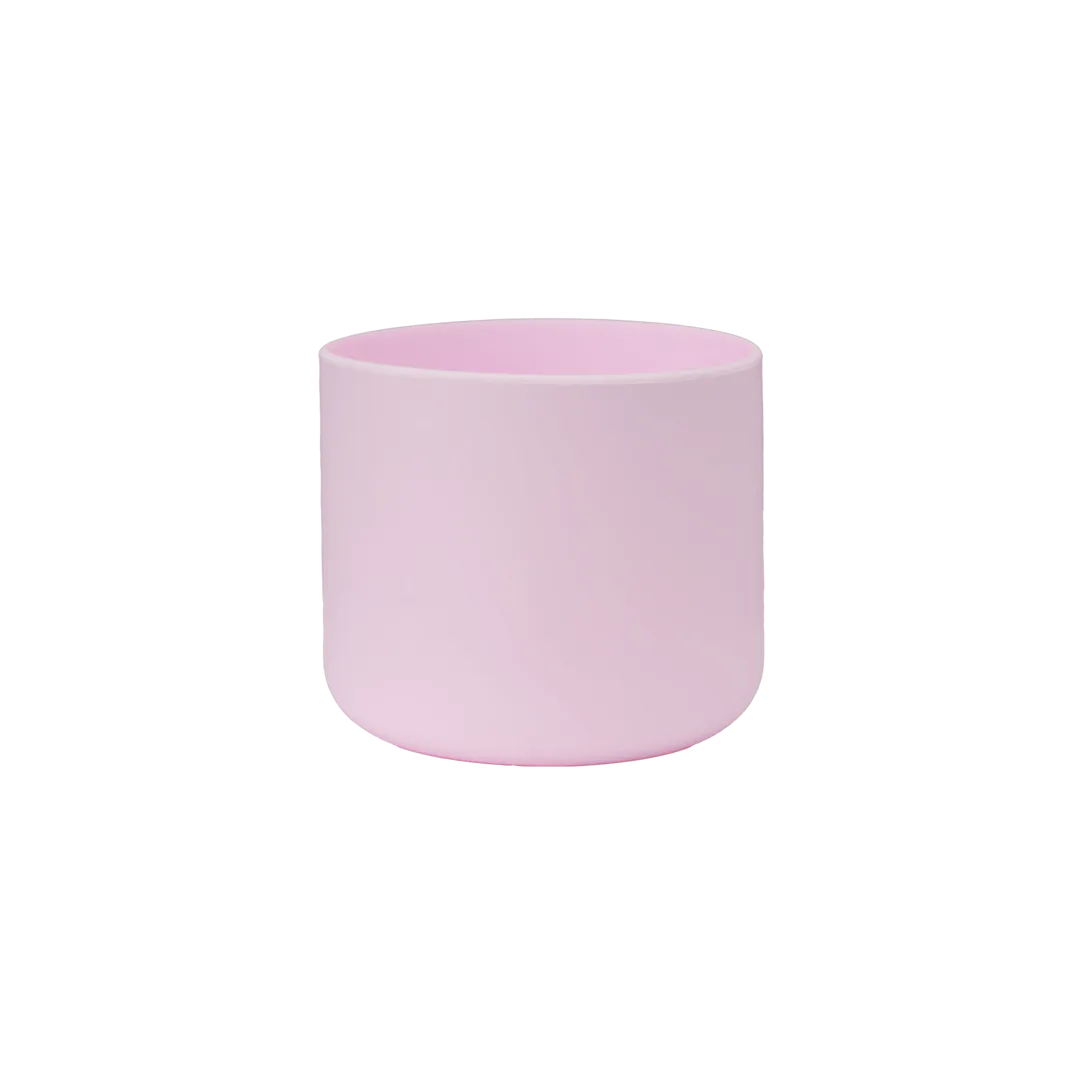
bottle boot
How to tell a worn gasket from a worn lid
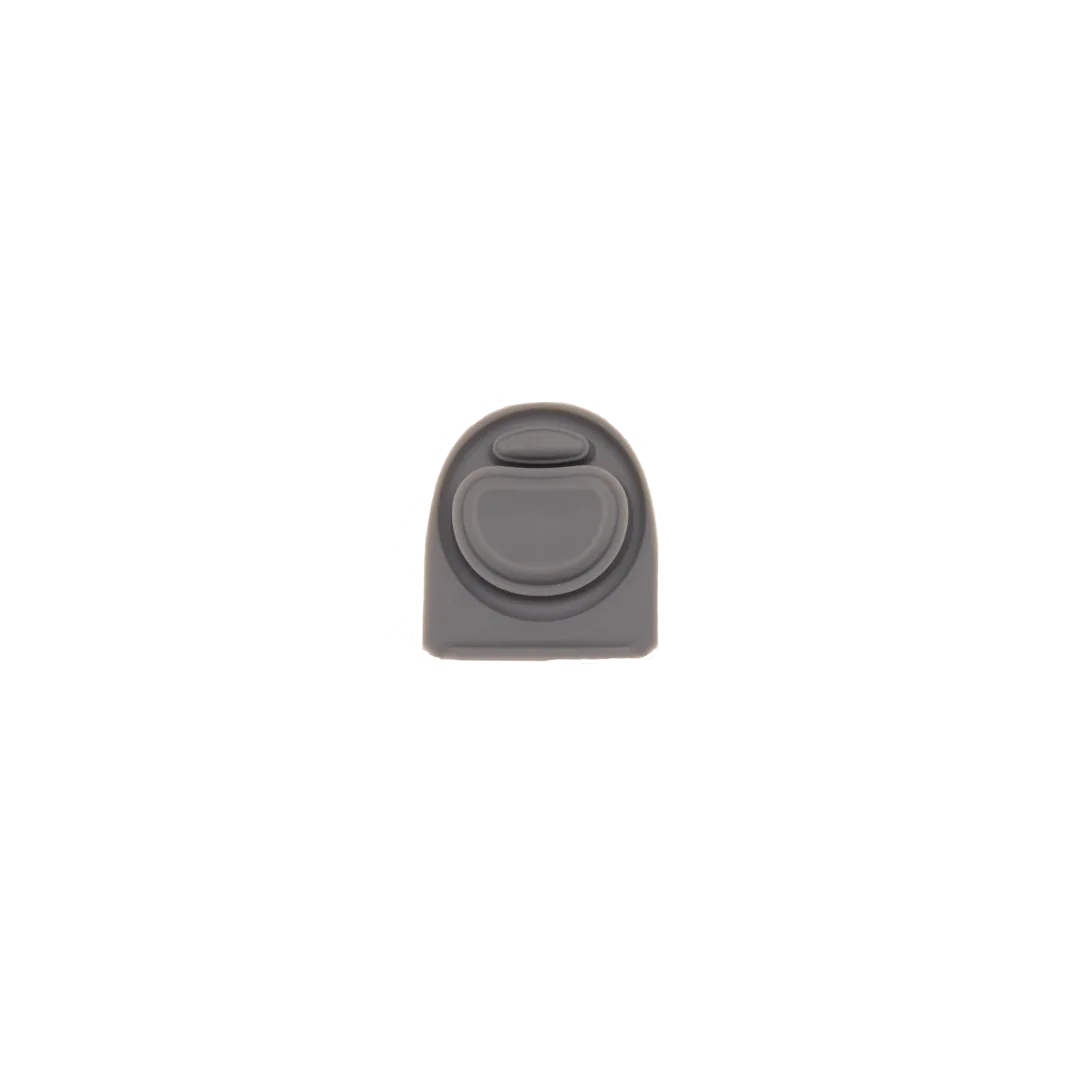
A leak usually points to the gasket, not the lid itself. Remove the gasket and inspect it: a healthy gasket is pliable, evenly shaped, and springs back when pinched. If it feels hard, looks stretched, or has a small tear or nick, replace it. If the gasket looks fine but the lid still leaks, check the lid's sealing groove for cracks or a slider that no longer snaps closed. A lid with a compromised seal seat won't hold pressure even with a new gasket.
Cleaning habits that shorten part life
Dishwasher heat and harsh detergents break down rubber faster than most people expect. If you run your lid and gasket through a hot drying cycle every day, expect the gasket to stiffen sooner. Hand-washing the gasket in warm soapy water and letting it air-dry extends its life. For the lid body, check whether your specific Owala lid is dishwasher safe before assuming it is; some components are, and some aren't.
When a boot is past saving
A bottle boot protects the base and adds grip, but it's not permanent. Replace it when it spins freely on the bottle, when the rim no longer hugs the base, or when a tear lets water sit between the boot and the bottle. Trapped moisture is the real problem—it can lead to odor or surface marks over time. If the boot still fits snugly and has no tears, keep using it.
The straw and brush connection
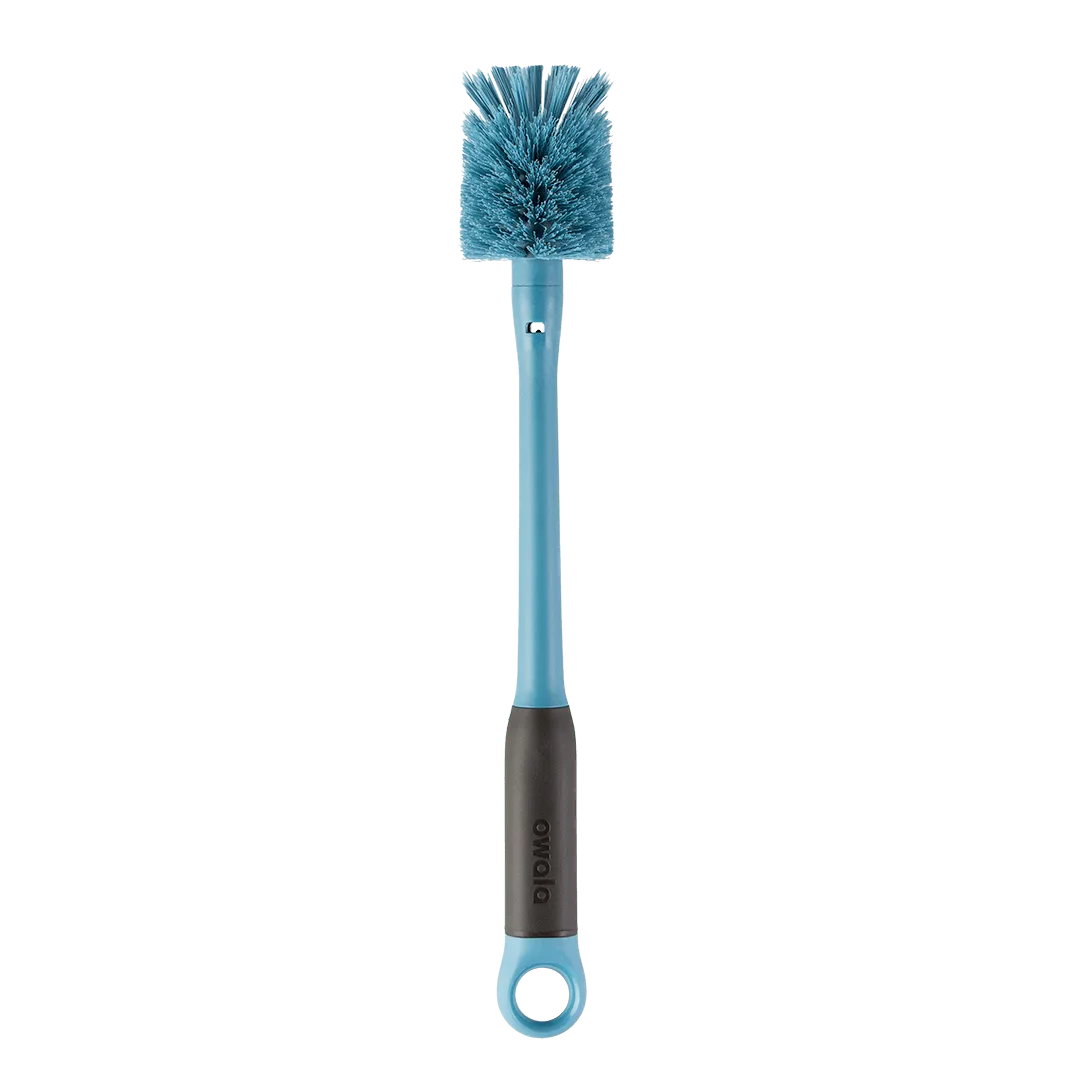
If your Owala bottle uses a straw, a worn or missing straw can mimic a lid problem. Before replacing a lid, confirm the straw is fully seated and not cracked. Cleaning tools matter too: a brush that reaches inside the straw and around the gasket groove removes the residue that makes seals fail early. The 2-in-1 Bottle Brush includes a Twist-n-Hide straw brush inside the handle, so you can clean both the bottle and the straw without hunting for a second tool.
Owala replacement parts FAQ
How often should I replace my Owala lid?
There's no fixed schedule. Replace it when the lid is cracked, the slider won't stay closed, or it leaks even after you've replaced the gasket. If you clean it gently and it still seals, keep it. Inspect the lid every time you wash the gasket.
How do I know if my gasket needs replacing?
Pinch the gasket. If it's stiff, stretched, or has nicks or tears, replace it. A new gasket is the fastest owala lid leaking fix for most bottles. Buy a spare gasket before you need it.
When should I replace the bottle boot?
Replace it when it no longer grips the bottle, when it slides off easily, or when a tear traps water against the base. A snug, tear-free boot can stay. Dry the boot and bottle separately after washing.
Parts and tools that make replacement easier
- 2-in-1 Bottle Brush: The 2-in-1 Bottle Brush has hundreds of germ-fighting bristles and fits inside Owala bottles, with a removable, dishwasher-safe brush head and a Twist-n-Hide straw brush inside the handle. A brush that reaches the gasket groove and straw helps you clean the parts that cause most leaks, so you replace them less often.