Quick answer
Replace a pacifier as soon as you see any change from its original condition: cracks, tears, sticky spots, discoloration, or a nipple that no longer holds its shape. For fidget toys, replace them when the pop mechanism weakens, the surface tears, or small parts loosen. A quick inspection every few days catches most problems before they become safety issues.
Why replacement timing matters more than a calendar
Pacifiers and fidget toys are not built to last forever. Silicone can degrade with repeated washing, heat exposure, and everyday chewing. Fidget toys take a beating from constant popping and pocket travel. The real signal is condition, not a fixed date. A pacifier used only at nap time may last longer than one that lives in a diaper bag and gets washed daily. Check the item itself, not just the purchase date.
How to inspect a pacifier in under a minute
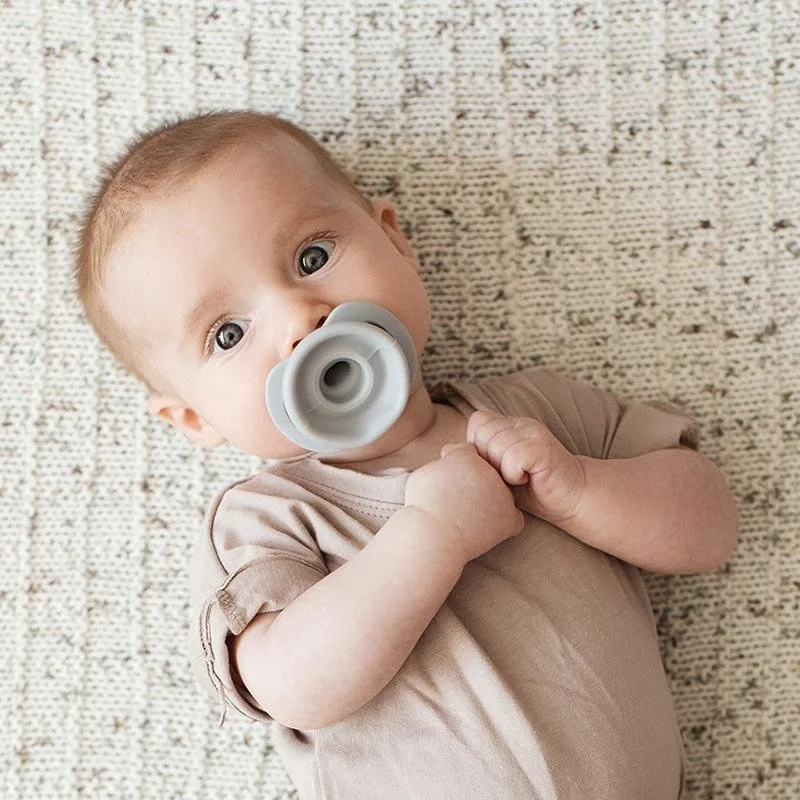
Hold the pacifier up to a light and look at the nipple from every angle. Run a clean finger over the surface. It should feel smooth and spring back when pressed. Pay attention to the base where the nipple meets the shield, since that is where tears often start. Then check the shield and handle for cracks or sharp edges. If anything feels different from the last check, retire it.
- Stretch the nipple gently: it should snap back, not stay stretched or feel tacky.
- Look for color changes, cloudiness, or tiny holes you can see through.
- Check that the shield is not warped and has no rough spots.
How to inspect fidget toys for hidden wear
Fidget toys fail in less obvious ways. The pop may still work but feel mushy or stop making the satisfying sound. Press every bubble and listen for changes. Check the edges for splits, especially if the toy has been dropped on hard floors. If the toy has a band or loop, tug it gently to make sure it is still securely attached. A loose loop can become a choking hazard for young children.
Setting a realistic replacement rhythm
Instead of guessing, tie checks to routines you already have. Inspect pacifiers every time you wash them, and do a deeper check once a week. For fidget toys, look them over after any outing where they were dropped or shared. If you rotate between several pacifiers, number them or note which one is in use so you can track wear accurately. Replace any item that fails a check immediately, even if it looks fine otherwise.
What to do with worn-out items
Once a pacifier or fidget toy shows wear, stop using it. Do not pass it down, donate it, or keep it as a backup. Cut the nipple off a retired pacifier before discarding it so it cannot be pulled out of the trash and used again. For fidget toys, check local recycling rules, since silicone and mixed materials are not always accepted curbside. When in doubt, place it in the regular trash rather than the recycling bin.
Your step-by-step replacement routine
- 1. Wash and dry the item first: Inspect pacifiers and fidget toys only after they are clean and fully dry. Dirt and moisture can hide small tears or make a surface feel different than it is. Checkpoint: if you see anything unusual after drying, treat it as a replacement signal.
- 2. Stretch and press the pacifier nipple: Gently pull the nipple away from the shield and let go. It should return to its original shape immediately. Press it with your thumb to feel for thin spots or stickiness. Common mistake: assuming a slightly sticky nipple is just soap residue. If it stays tacky after rinsing, replace the pacifier.
- 3. Inspect the shield, handle, and edges: Run your finger around the entire shield and handle. Look for cracks, chips, or rough edges that could scratch your baby's face or trap dirt. Checkpoint: any sharp or rough edge means it is time to replace.
- 4. Test every pop on the fidget toy: Press each bubble and listen. A healthy pop is crisp and consistent. If some bubbles feel flat, stay inverted, or make no sound, the toy is wearing out. Common mistake: keeping a fidget toy because most bubbles still work. One dead bubble often means the material is failing overall.
- 5. Tug the attachment points: If the fidget toy has a band, loop, or clip, pull it gently but firmly. It should not stretch away from the body or show gaps at the connection. Checkpoint: a loose or stretched attachment is a choking risk for small children. Replace immediately.
- 6. Retire and dispose safely: Cut the nipple off any retired pacifier before throwing it away. For fidget toys, follow local waste guidelines. Do not hand down worn items to another child. Next step: note the replacement date on your calendar or phone so you can track how long the new one lasts.
Products built for easier inspection and replacement
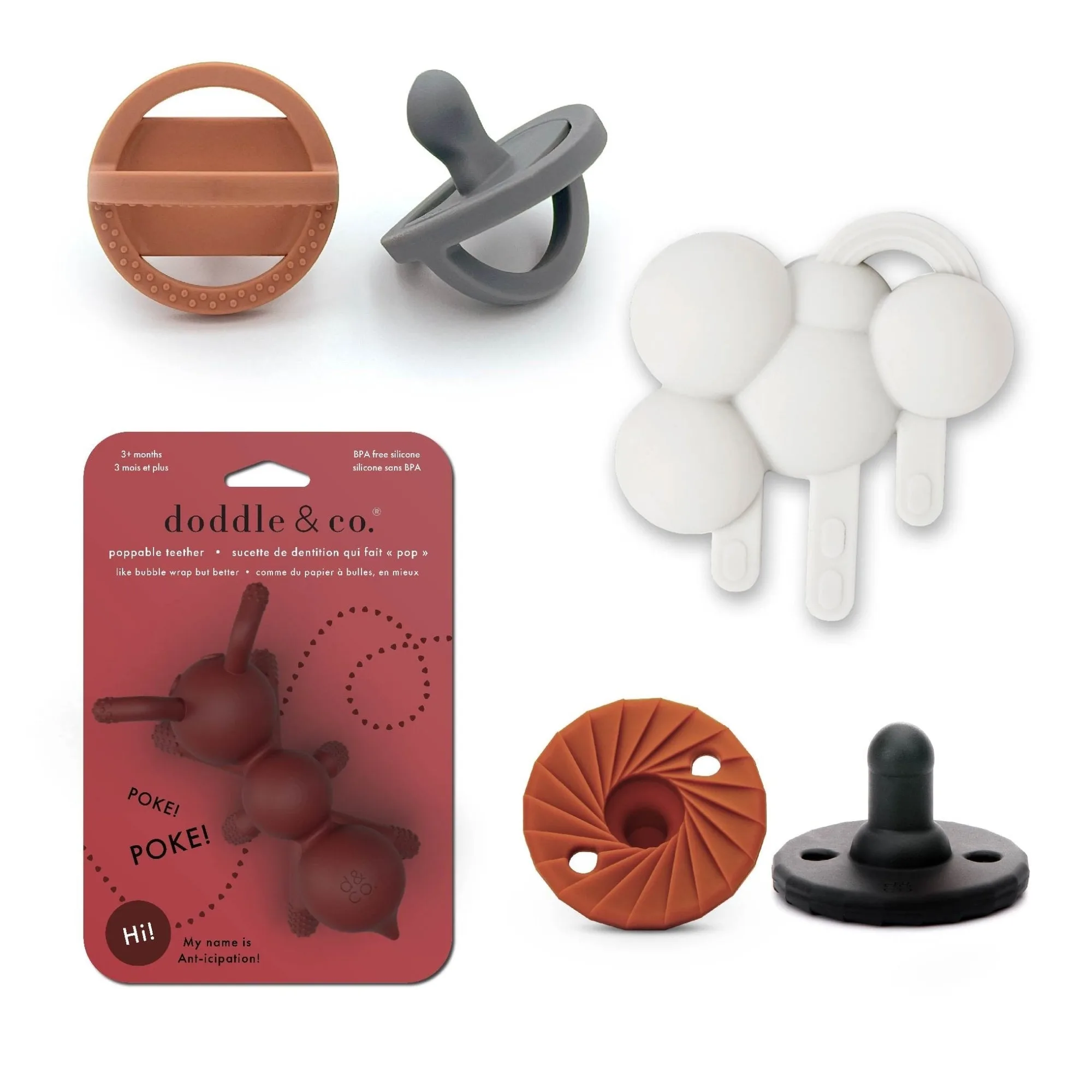
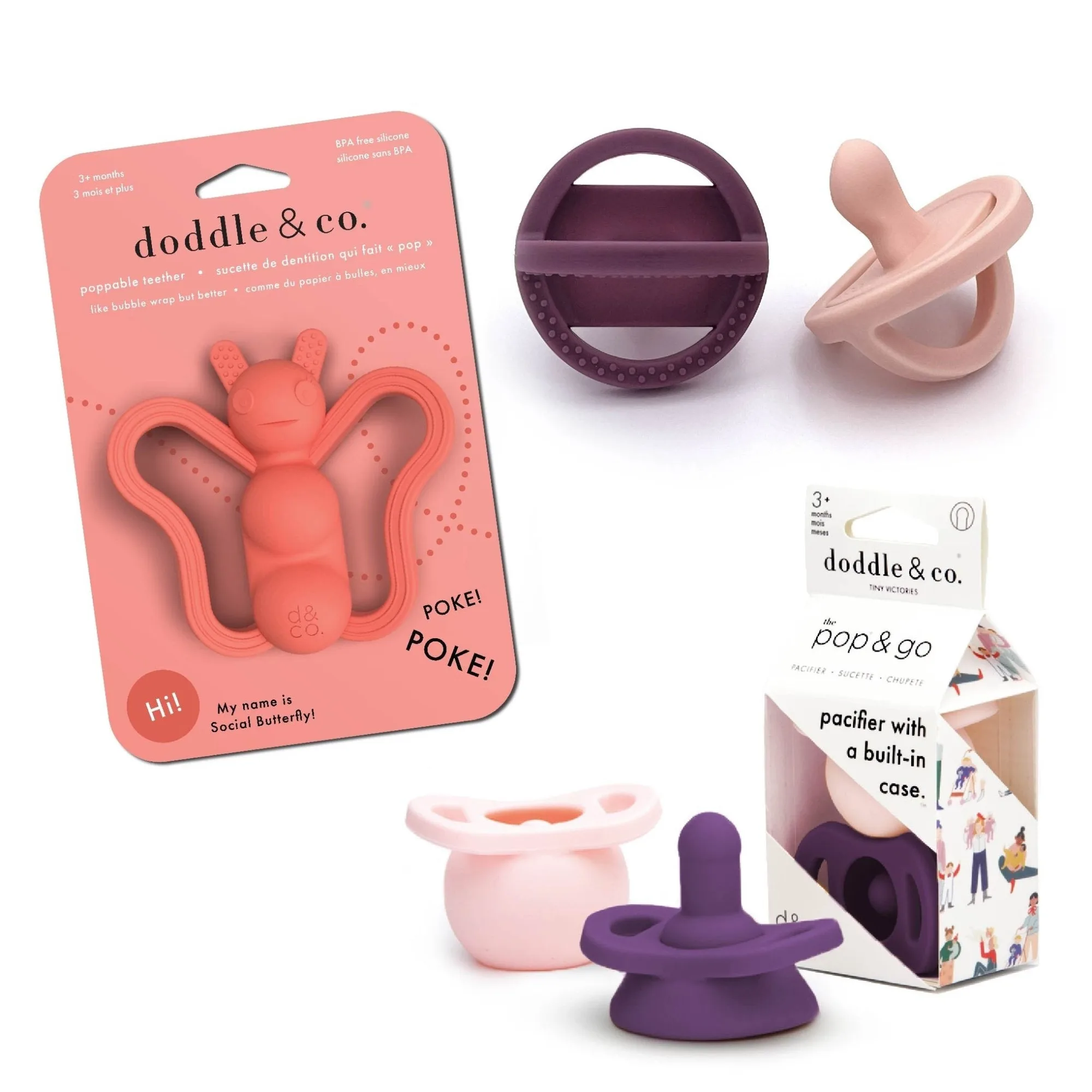
- Pop & Go Pacifiers: Pinch the pacifier to tuck the nipple away to protect it from unwanted surface contact when you and baby are on the go. The pops-when-drops feature is available for the 0-3 month size. The pinch-to-close design keeps the nipple covered between uses, which reduces exposure to dirt and makes it easier to see the nipple clearly when you inspect it.
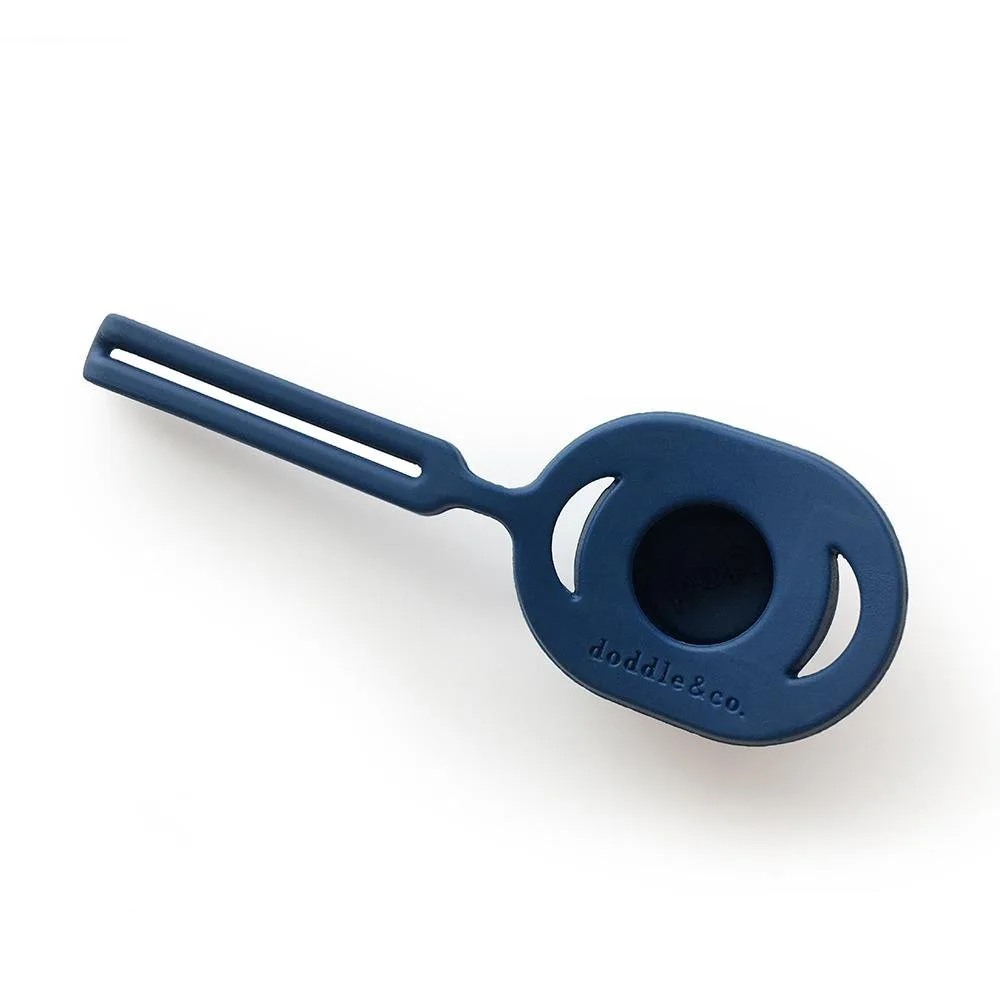
- The Pop Fidget 20-Pack: The small size and silent yet satisfying pop make usage discrete and not distracting for others. The band loops to anything. A fidget toy that attaches to a bag or keyring is less likely to be dropped or lost, so you can keep an eye on its condition over time.