Quick answer
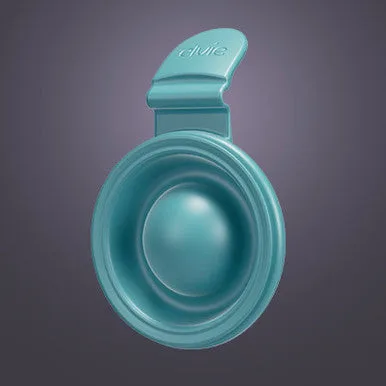
Replace your breast pump diaphragm when you notice reduced suction, unusual noise, visible damage, or after 2-3 months of regular use. The Thrive 2-in-1 Diaphragm fits both PowerPump and Wearable Kit systems.
Why a worn diaphragm affects pumping
The diaphragm is the small silicone piece that creates the vacuum for milk expression. Over time, it loses elasticity or develops micro-tears, reducing suction efficiency. A worn diaphragm can also let moisture or milk get into the tubing, which may lead to mold or bacteria growth.
Diagnosing diaphragm issues
- Symptom: Pump motor runs but suction feels weak or inconsistent.
- Likely cause: The diaphragm has lost its seal or developed a small tear from repeated flexing.
- Corrective action: Remove the diaphragm, inspect for visible cracks or stretching, and replace it with a new one such as the Thrive 2-in-1 Diaphragm. If suction returns after replacement, the diaphragm was the issue.
- When to stop or choose another option: If replacing the diaphragm does not restore suction, check the valve, tubing, and flange fit. If those are also fine, the pump motor may need service. Do not continue using a pump that still has weak suction after diaphragm replacement; contact support for further diagnosis.
Product fact
-
Thrive 2-in-1 Breast Pump Diaphragm for PowerPump & Wearable Kit: A spare set of parts when you need them. Great to have on hand when you’re pumping away from home and need an extra set of clean parts. Keeping a Thrive 2-in-1 Diaphragm in your pump bag means you can swap it immediately when you notice suction loss, avoiding interrupted pumping sessions.

Thrive 2-in-1 Breast Pump Diaphragm for PowerPump & Wearable Kit