Quick answer
If your pump suddenly feels weaker, sessions take longer, or you hear squeaking, the valves or membranes are the most likely culprits. Replace them at the first sign of wear—typically every 2 to 4 weeks for daily pumpers—to restore suction and protect your milk supply.
Why valves and membranes wear out
Valves and membranes are the small silicone parts that create and release suction with every pump cycle. They flex thousands of times per session, so they naturally stretch, tear, or lose elasticity over time. Heat from washing and sterilizing speeds up that breakdown. Once a membrane no longer seals properly or a valve warps, air escapes and suction drops—even if the motor is fine.
Symptom check: what you will notice first
The earliest clue is usually a slower letdown or needing a higher suction setting than before. You might also see milk backing up into the tubing, hear a squeak or whistle, or notice that one side pumps noticeably less than the other. These are classic worn pump membrane signs, and they tend to appear gradually rather than all at once.
How to diagnose the problem in two minutes
Remove the valve and membrane from the pump kit and hold them up to a light. Look for tiny tears, stretched-out openings, or a membrane that no longer sits flat. Then run the pump with just the empty kit attached—if suction feels weak at the flange but the motor sounds normal, the valves or membranes are the likely cause. If the motor itself sounds strained or won't turn on, the issue is elsewhere.
When to replace and when to stop
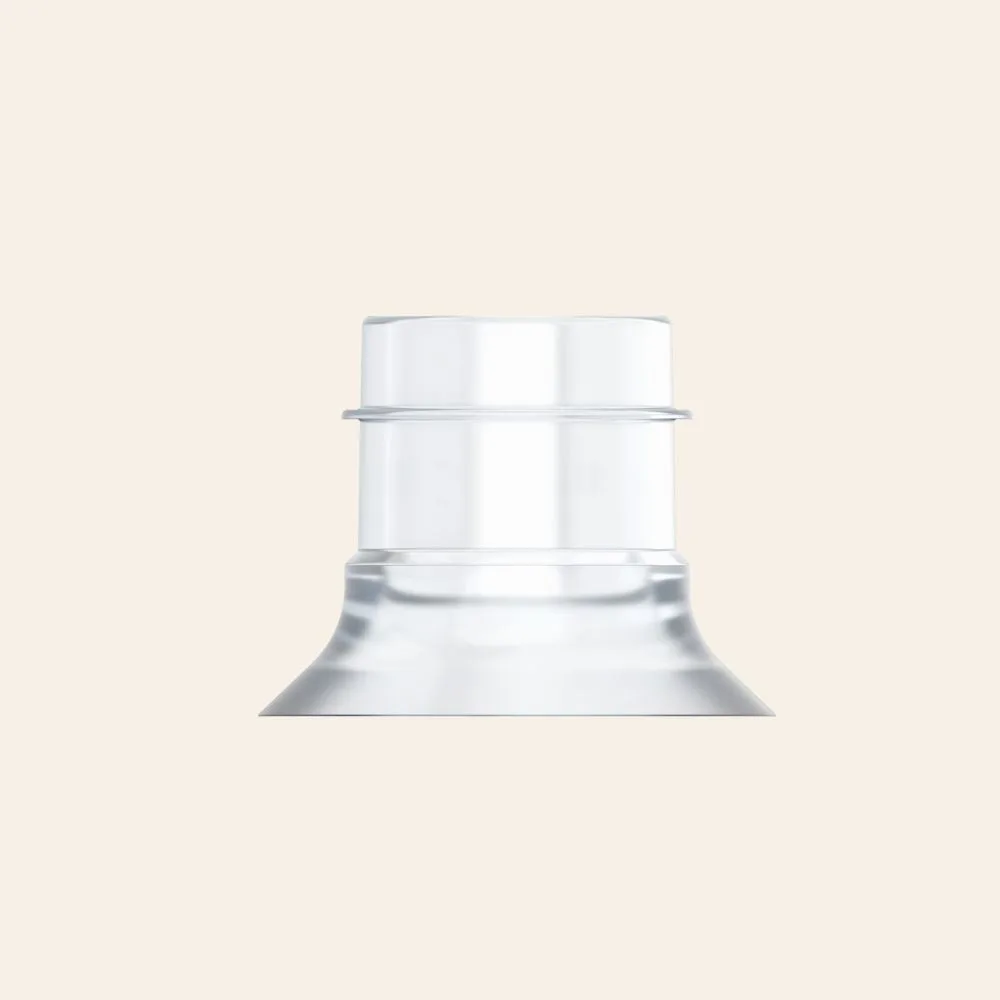
For exclusive pumpers, replace valves and membranes every 2 to 4 weeks. For occasional pumpers, every 2 to 3 months is usually enough. Stop replacing and check other parts if new valves and membranes don't restore suction—then inspect the diaphragm, tubing, or flange size. If you use a DiscreetDuo Wearable Pump and suction is still weak after a fresh valve and membrane, the diaphragm may be the next part to replace; it is a single-count genuine replacement designed to maintain pump suction and performance.
Diagnosis: symptom, cause, and fix
- Suction feels weak or you need a higher setting: Worn or stretched membrane that no longer seals properly. Replace the membrane first; if suction returns, the valve was fine.
- Squeaking or whistling during pumping: A valve that has warped or a membrane with a tiny tear. Replace both valve and membrane together—they wear at the same rate.
- Milk backing up into tubing: A valve that is not closing fully, allowing milk to escape upward. Replace the valve immediately and check tubing for moisture before your next session.
- One side pumps less than the other: Uneven wear between the two valve and membrane sets. Replace both sides at the same time to keep output balanced.
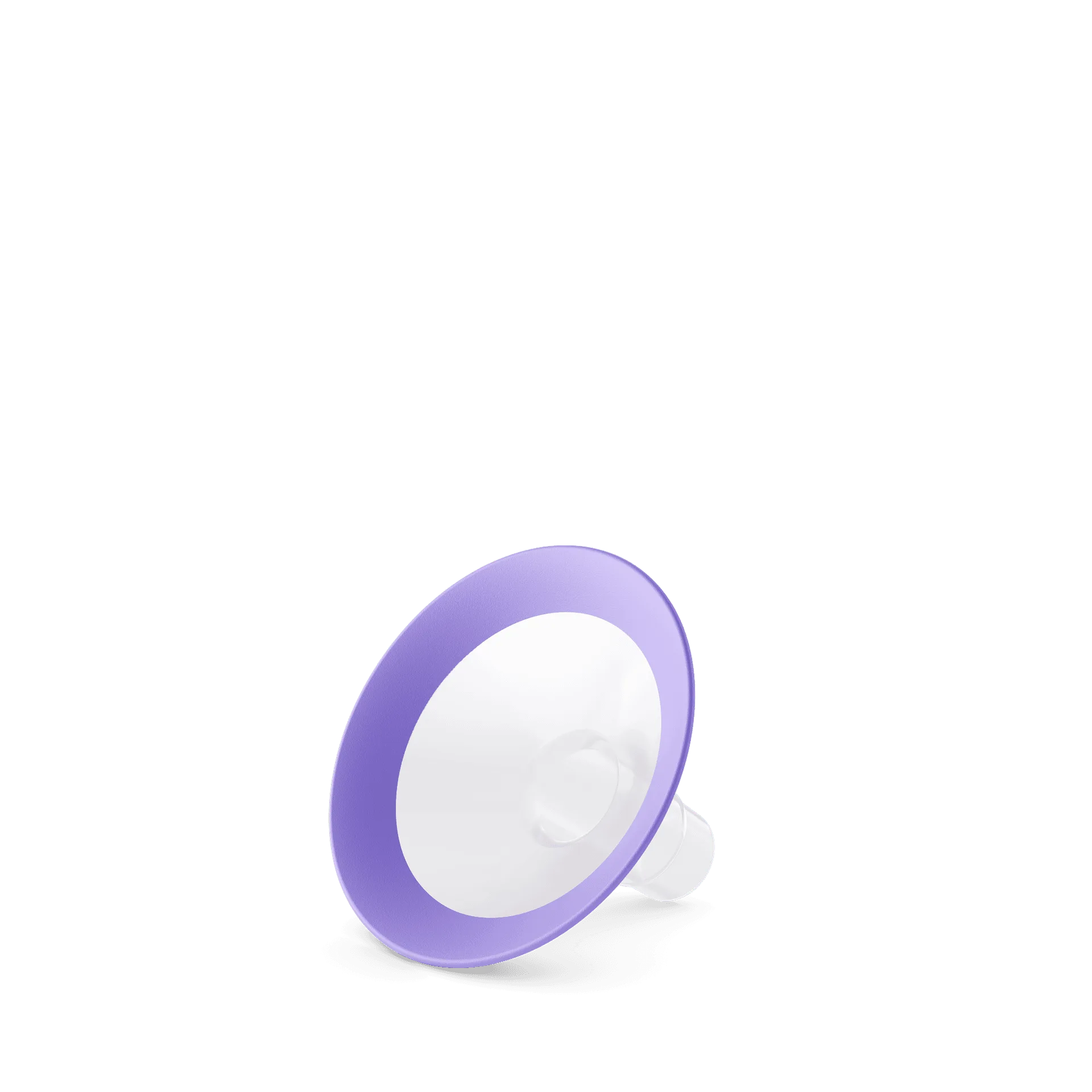
- New parts don't restore suction: The problem may be the diaphragm, tubing, or flange fit. Stop replacing valves and membranes; inspect the diaphragm next, then check flange size.
Parts that solve the problem
- DiscreetDuo Wearable Pump - Diaphragm (1 count only): Genuine Lansinoh replacement diaphragm for DiscreetDuo Wearable Pump, single-count pack. If new valves and membranes don't fix weak suction on a DiscreetDuo, this diaphragm is the next likely culprit.
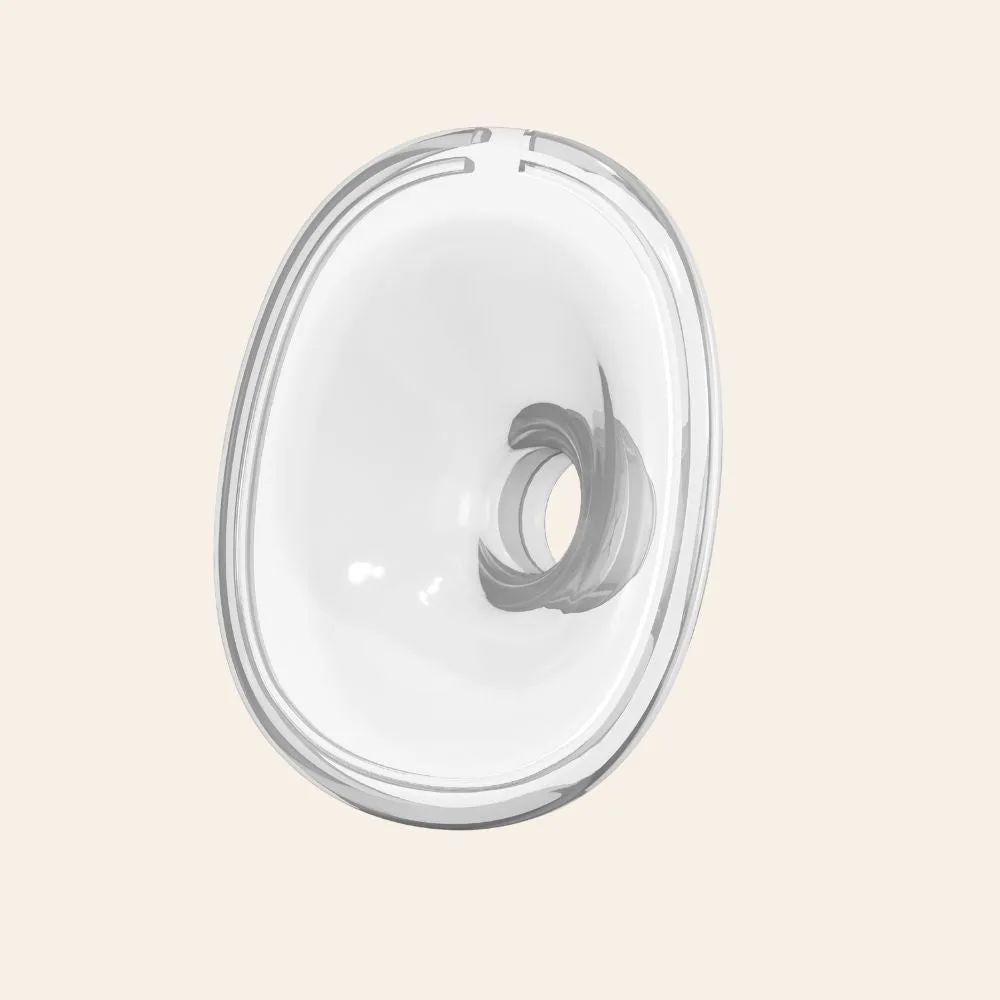
- Thrive 2-in-1 Hybrid Base Extra Pumping Set (expression set): Lansinoh Thrive 2-in-1 Hybrid Base Extra Pumping Set (expression set) includes essential parts for the Thrive 2-in-1 Hybrid Base pump system, designed as an extra set for rotation or backup. Having a spare set means you can swap in fresh valves and membranes immediately instead of waiting for replacements to arrive.