Quick Answer
Wear a base layer under a short sleeve jersey when temperatures are between 50°F and 70°F (10°C to 21°C), when you expect heavy sweating, or when you want to reduce chafing and manage odor. For warmer days above 75°F (24°C), skip the base layer unless you need sun protection or moisture management.
How Temperature Affects Your Base Layer Decision
The main reason to add a base layer under a short sleeve jersey is to regulate body temperature. In cool conditions (50-65°F / 10-18°C), a lightweight short sleeve base layer traps a thin layer of warm air next to your skin while wicking sweat away. As the temperature climbs into the mid-70s (24°C), the extra layer can feel unnecessary unless you're riding hard and need the moisture transport.
When Sweat Management Becomes Critical
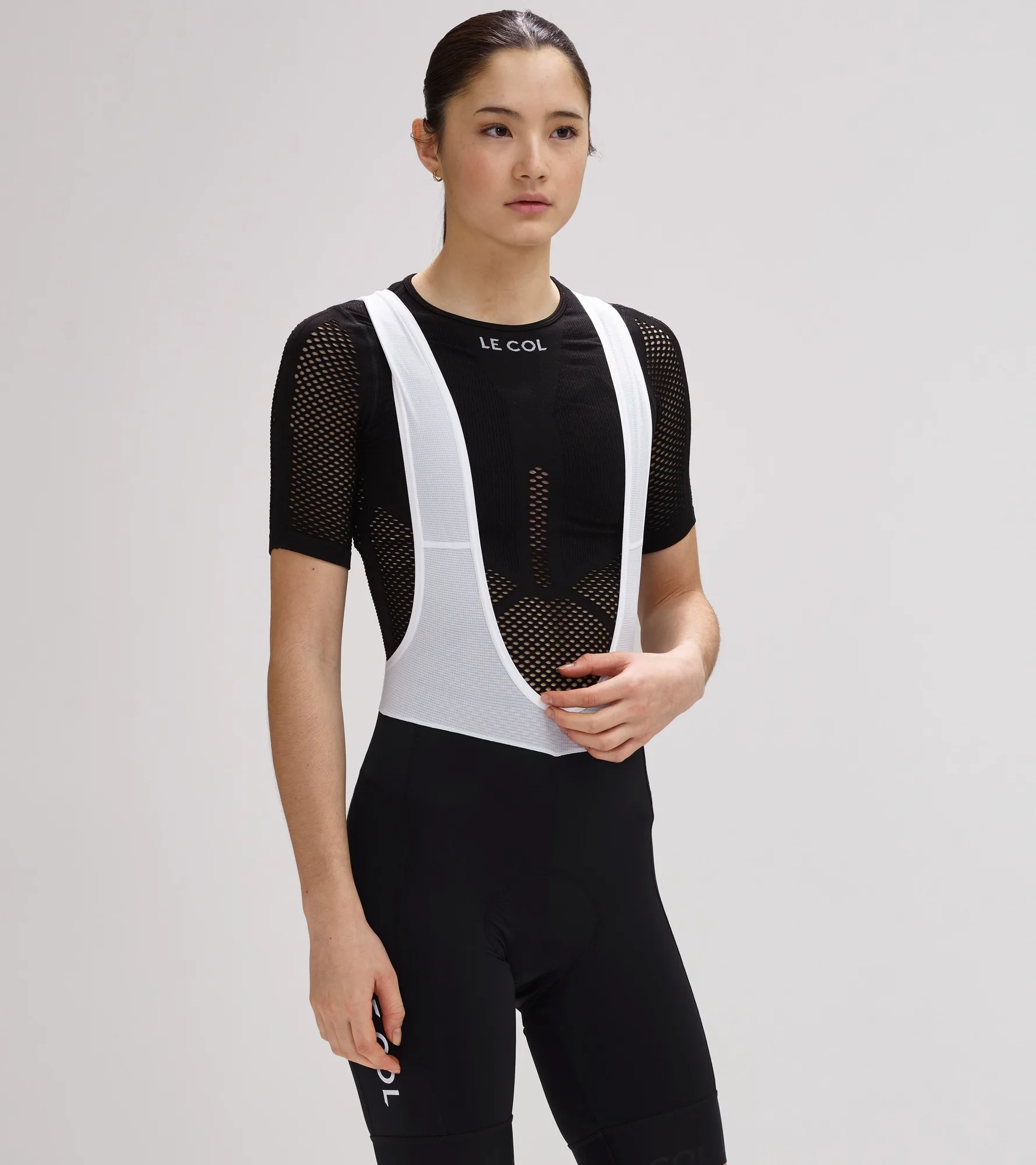
A base layer's primary job is to move sweat off your skin so it can evaporate through your jersey. On high-intensity rides or in humid weather, a fast-wicking base layer like the Unisex Pro Mesh Short Sleeve Base Layer from Le Col helps you stay dry and comfortable. Without it, sweat pools against your skin, causing chafing and that clammy feeling.
Odor and Hygiene Considerations
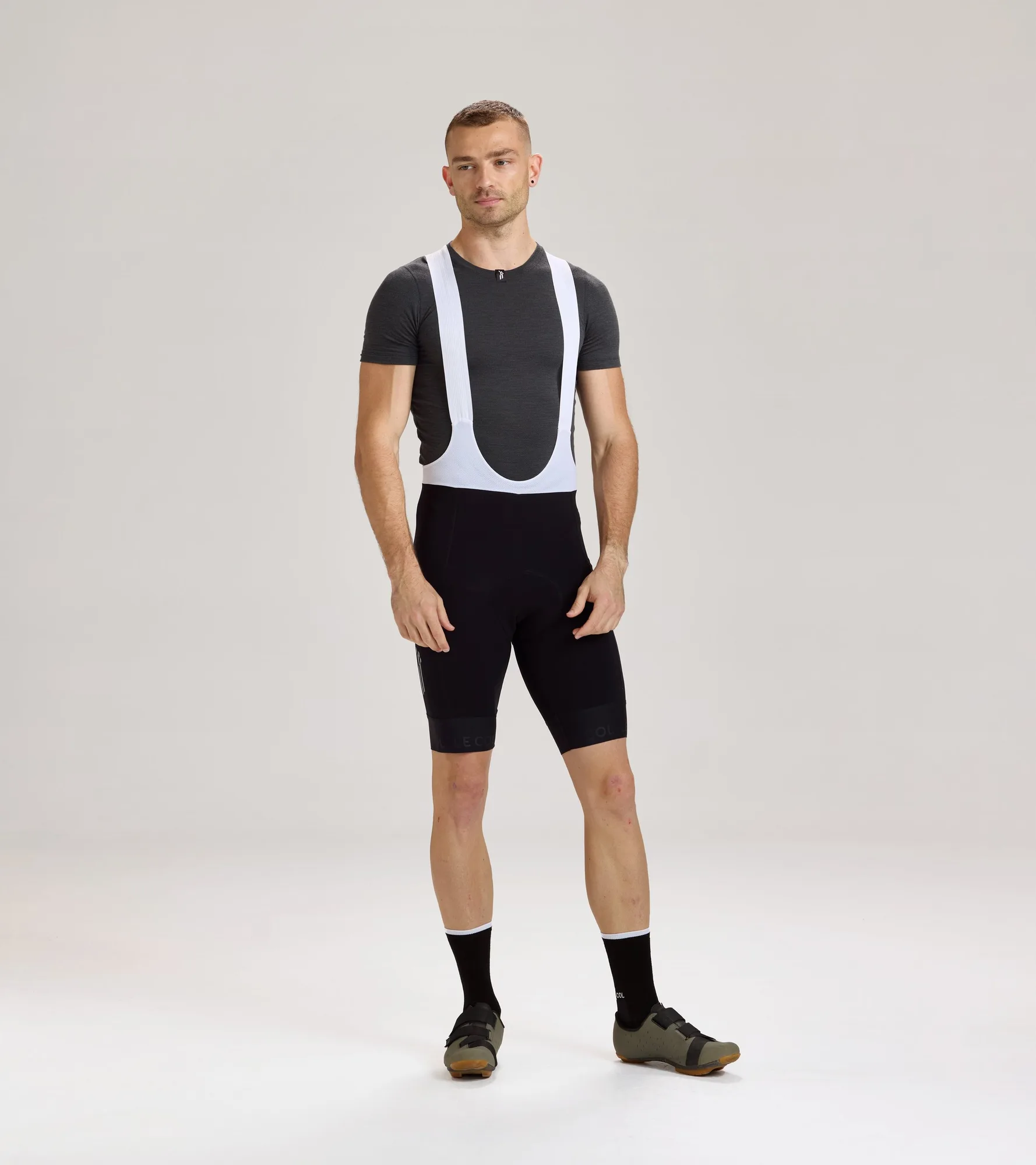
If you're wearing the same jersey over multiple rides or commuting, a base layer absorbs most of the sweat and odor. Merino-blend options, such as the ARC Merino Short Sleeve Base Layer, offer natural odor resistance, letting you wear the base layer longer between washes. This is especially handy on multi-day tours or when you can't wash kit every night.
Quick FAQ: When to Wear a Base Layer Under a Short Sleeve Jersey
Is a base layer necessary under a short sleeve jersey?
No, it's not always necessary. On hot days above 75°F (24°C) with low intensity, you can wear the jersey directly against your skin. But a base layer helps with sweat, chafing, and temperature regulation in cooler or high-effort conditions. Use a base layer when comfort or performance is a priority over simplicity.
What type of base layer works best for cool mornings that warm up?
A merino blend base layer like the ARC Merino Short Sleeve Base Layer provides warmth during cool starts and temperature regulation as you heat up. Its fast-wicking fabric keeps you warm on descents and cool when you pick up intensity. Merino blends handle variable temperatures better than pure synthetics for changing conditions.
Can I wear a cycling cap with a base layer and short sleeve jersey?
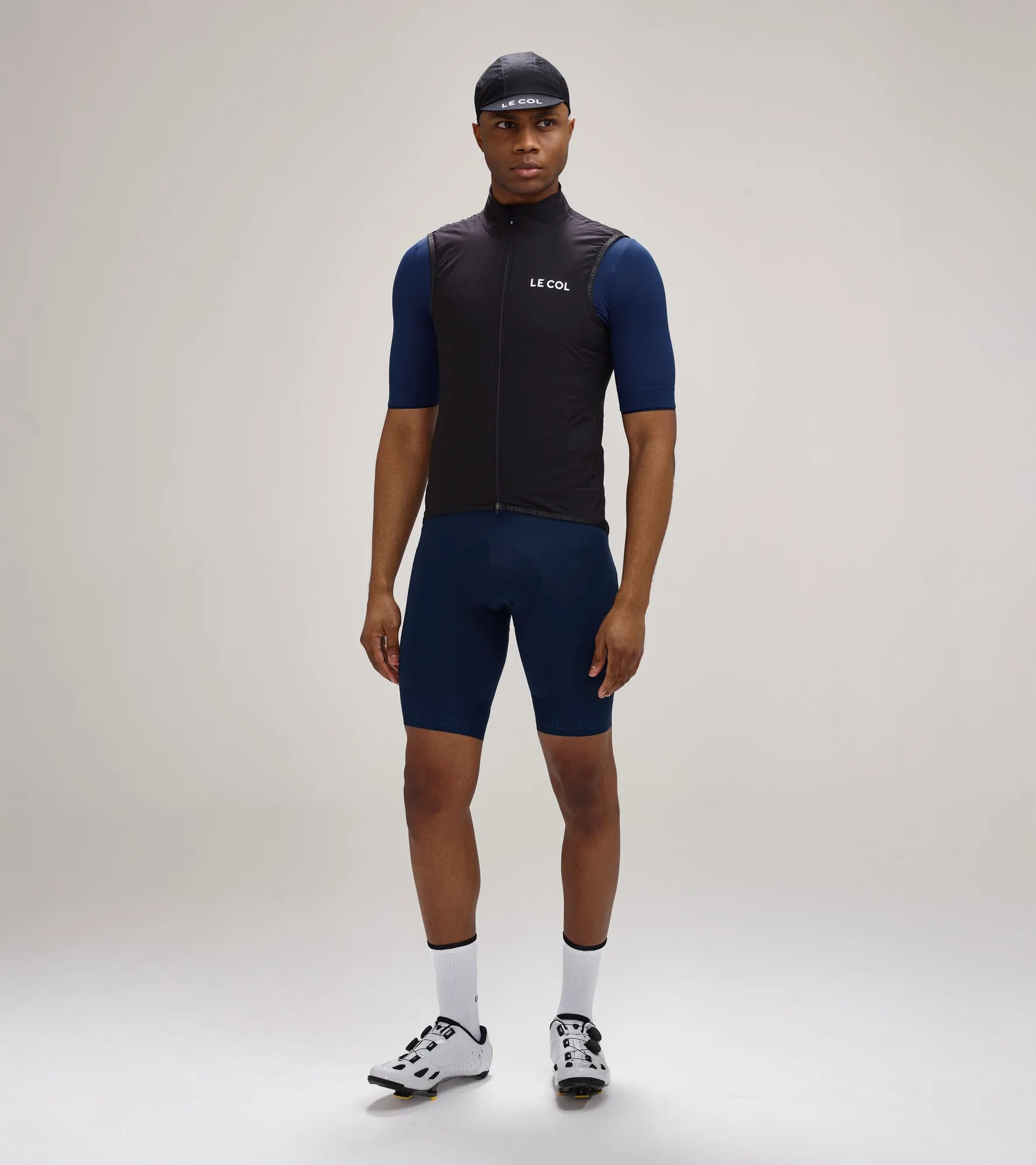
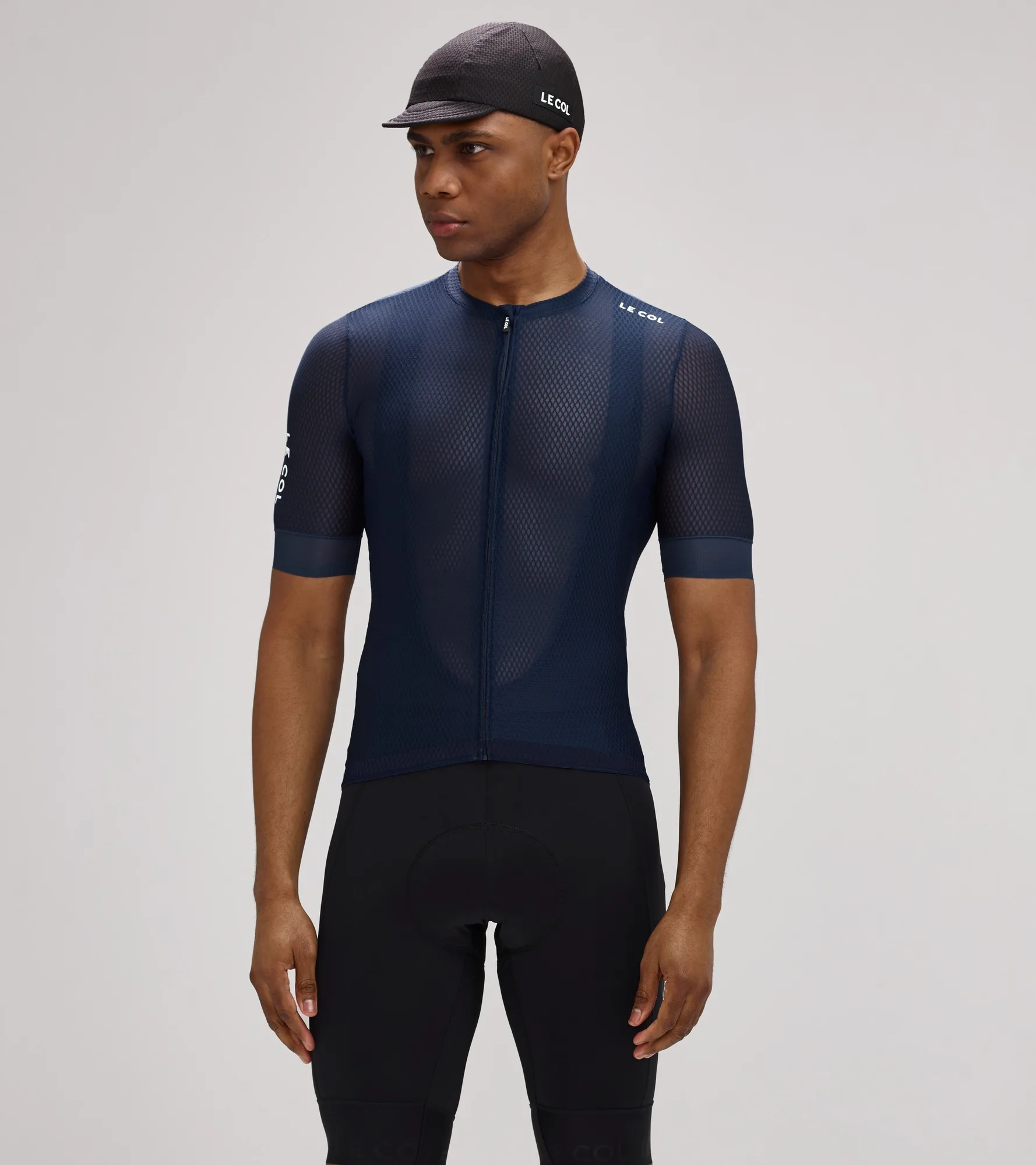
Yes. The Le Col Cycling Cap fits under your helmet and works with any base layer setup. Its cotton-polyester blend and taped hem provide comfort and sun/rain protection, complementing your layering system. A cap adds sun and rain protection without interfering with your base layer's function.
Base Layer Options That Help You Decide
- Unisex Pro Mesh Short Sleeve Base Layer: The unique woven knit structure is mapped with open holes across target areas that require optimised ventilation, helping heat and moisture move away from the skin and escape through the garment. The fabric is exceptionally soft next to the skin and fast-wicking to help you stay comfortable and fresh for longer. This mesh base layer is ideal for hot or high-effort rides where maximum breathability and moisture transport are needed. The open-hole design targets the areas that heat up most, so you stay cooler and drier under a short sleeve jersey.
- ARC Merino Short Sleeve Base Layer: We’ve selected a high-quality merino blend fabric sourced from the renowned textile region of Biella, Italy for its specific performance qualities. Temperature regulating, it keeps you warm and protected from windchill, whether descending or stopping to refuel and keeps you cool when the intensity of your ride kicks up. It’s exceptionally soft against the skin, fast-wicking and odour-resistant. The merino blend makes this base layer a year-round choice. In cooler conditions under a short sleeve jersey, it adds warmth without bulk. On warmer days, its temperature regulation and odor resistance let you extend wear between washes, perfect for multi-day trips or commuters.