Quick Answer
Wear a cycling gilet when the weather is cool, windy, or showery but not cold enough for a full jacket. It protects your core while letting your arms and back breathe, making it ideal for variable conditions from 8°C to 18°C.
Why a Gilet Works Better Than a Full Jacket
A gilet targets warmth and wind protection exactly where you need it: your core. Your arms generate heat when you ride, so covering them with a jacket can cause overheating and sweat buildup. A gilet leaves your arms free to cool naturally while shielding your chest and kidneys from cold drafts.
It also packs down small enough to stuff into a jersey pocket. That makes it a practical choice for rides where the forecast is uncertain—you can put it on when you descend or the wind picks up, then stash it when the sun comes out.
When a Gilet Isn't the Right Choice
A gilet won't replace a waterproof jacket in steady rain or a thermal jacket below 5°C. If you're riding in persistent downpours, look for a fully waterproof shell. For sub-zero starts, an insulated jacket or layered system with a long-sleeve jersey and base layer will serve you better.
Also, if you run very warm or your ride is mostly climbing, even a lightweight gilet can feel too much. In those cases, skip it or choose a highly breathable mesh-backed model.
When to Wear a Gilet: Common Questions Answered
What temperature range suits a gilet?
A standard windproof gilet works best between 8°C and 18°C. Below that, add an insulated gilet or a long-sleeve jersey underneath. Above 18°C, you're usually fine with just a jersey unless you're descending fast.
Should I wear a gilet for climbing or descending?
Unzip or remove the gilet for climbs to avoid overheating. Put it back on for descents when wind chill drops your core temperature quickly. A packable gilet makes this easy. Practice stowing and donning your gilet while riding so you can adjust on the move.
Can a gilet replace a windproof jacket?
No, not for full coverage. A gilet protects your torso, but your arms and shoulders remain exposed. If you need arm protection from cold or rain, choose a jacket instead.
How do I layer with a gilet?
Wear a base layer and a short-sleeve or long-sleeve jersey under the gilet. For colder days, add a thermal long-sleeve jersey. The gilet goes on top to seal in warmth without restricting arm movement. Test your layering on a short ride before committing to a long day out.
Gilets That Fit the Bill
-
Womens Sport Logo Gilet: The Women's Sport Logo Gilet uses tightly woven showerproof and windproof fabric with mesh panels on the sides and back for breathability. It's a packable, lightweight layer for everyday training and group rides where comfort matters more than aerodynamics.
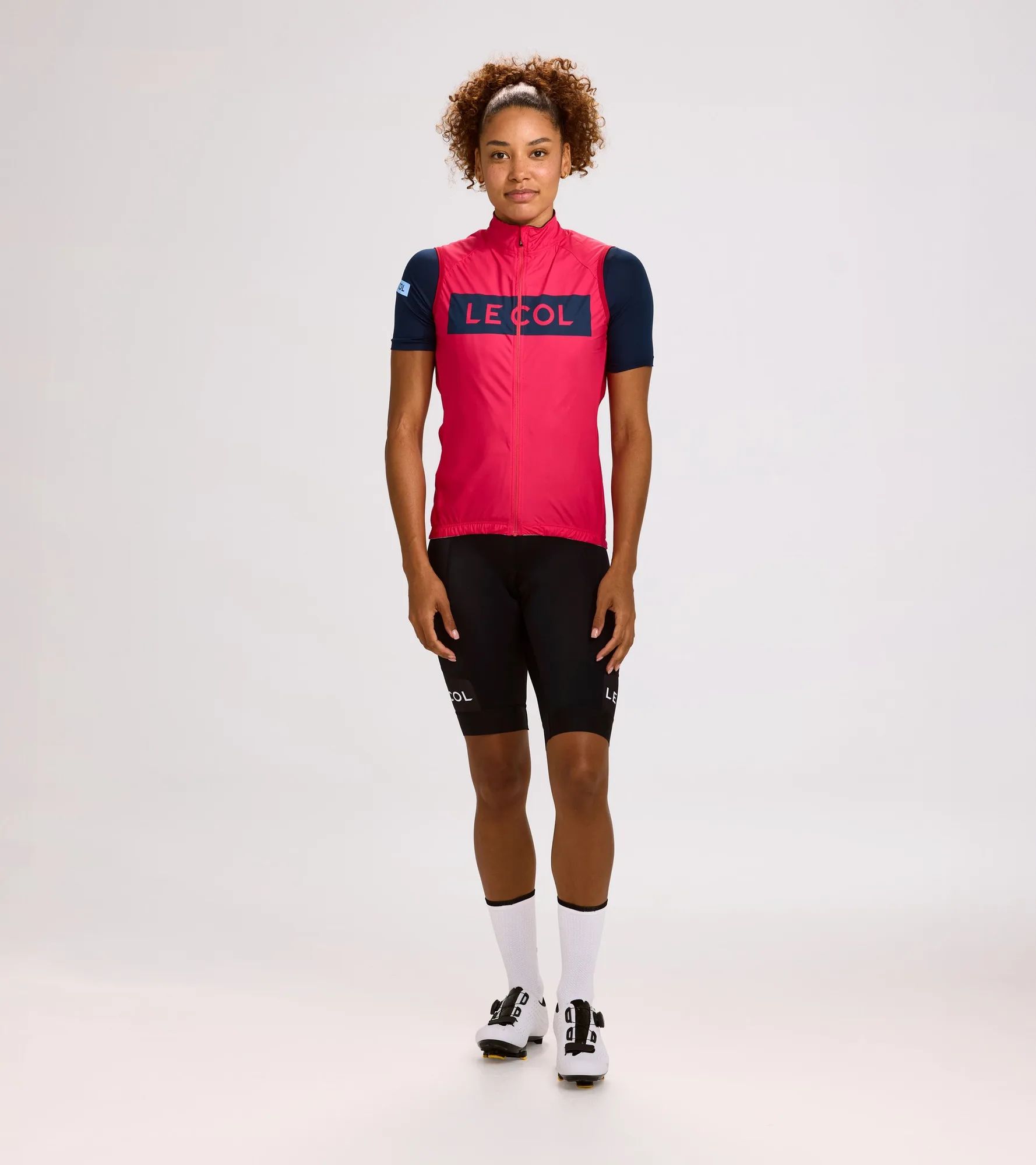
Womens Sport Logo Gilet
-
Womens Pro Insulated Gilet: The Women's Pro Insulated Gilet features Polartec® Alpha™ Active Insulation that is breathable and quick-drying, regulating temperature during intense efforts. Choose this when you need targeted warmth for cold mornings or long descents without the bulk of a full jacket.
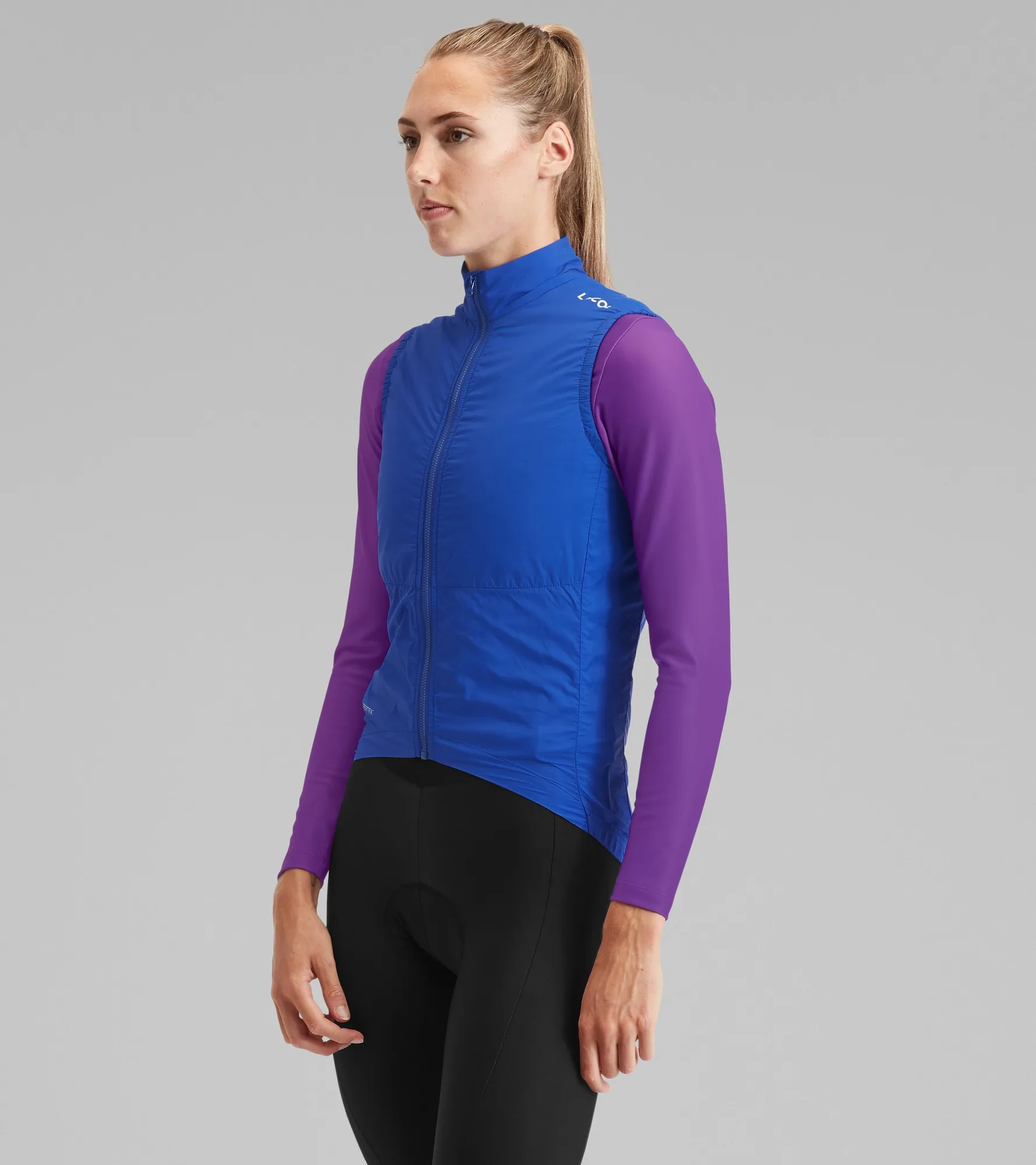
Womens Pro Insulated Gilet