Quick answer
For most machine quilting on a home machine, a low-loft cotton or cotton-blend batting is the easiest to manage because it feeds smoothly and creates even stitches. If you quilt on a longarm or want more definition, a slightly higher-loft batting can work well, but it demands more careful tension and spacing. There is no single best batting for longarm or domestic machines; the right choice depends on your machine, your quilting style, and how you want the finished quilt to drape.
Batting is the layer that gives a quilt its warmth, thickness, and stitch definition, and it is the one material that can make or break your experience at the machine. The wrong batting can cause skipped stitches, uneven feed, or a stiff, heavy finish. The right one disappears under the needle and lets you focus on the quilting itself.
This comparison looks at the main batting types used for machine quilting and explains how fiber content, loft, and weight affect your results. Because we do not have specific batting products in our current catalog to compare, we will focus on the categories themselves and the trade-offs you need to weigh before you buy. For fabric and notions that support your quilting, we carry a range of options from Crosscut Sewing Co.
How batting fiber affects machine quilting
Cotton batting is the traditional choice for machine quilting. It is relatively stable, does not stretch much, and produces a flat, antique-looking quilt with good stitch definition. It also shrinks slightly when washed, which gives that crinkled, heirloom texture many quilters love. The trade-off is that cotton batting can be a bit heavier and less lofty than polyester, so it may not be the best pick if you want a puffy, high-loft quilt.
Polyester batting is lightweight, lofty, and resistant to shrinking. It holds its shape well and is often less expensive than cotton. For machine quilting, polyester can be slippery, so basting thoroughly is important. It also can beard, meaning fibers work their way through the quilt top over time, especially with dark fabrics. If you want a warm, puffy quilt and do not mind a little extra basting, polyester is a strong option.
- Cotton: stable, flat, breathable, slight shrinkage for antique texture.
- Polyester: lofty, warm, shrink-resistant, but can beard and shift.
- Blends: combine cotton's stability with polyester's loft, often a good middle ground.
Batting loft for machine quilting
Loft refers to how thick the batting is. Low-loft batting is thin and flat, making it ideal for machine quilting because it does not add bulk under the needle and allows for dense quilting. If you plan to quilt closely spaced lines, low loft is usually the safest choice. High-loft batting is thicker and creates a puffy quilt, but it can be difficult to fit under a home machine and may require a larger throat space.
For free-motion quilting, low-loft batting gives you more control because the quilt sandwich moves more easily. For walking-foot quilting, a medium loft can add nice definition without overwhelming the machine. On a longarm, you have more room to handle higher loft, but you still need to adjust tension and stitch length. Always test a small sample with your chosen batting before committing to the full quilt.
- Low loft: best for dense quilting and home machines.
- Medium loft: good for all-purpose quilting and defined texture.
- High loft: best for longarm or simple tie quilting, not dense patterns.
Batting weight and warmth
Batting weight is usually measured in ounces per square yard. A lighter weight, such as 4–6 oz., is easier to machine quilt and results in a lighter quilt. Heavier weights, such as 8–12 oz., are warmer but can be bulky and harder to manipulate. If you are making a bed quilt for cold winters, a heavier batting may be worth the extra effort. For wall hangings or baby quilts, a lighter weight is often more practical.
Keep in mind that batting weight also affects drape. A heavy batting makes a stiff quilt that may not fold nicely. A lighter batting gives a softer, more fluid drape. Think about how the quilt will be used: a cuddly throw should drape, while a wall hanging can be stiffer. There is no wrong answer, but matching weight to purpose will give you a better result.
- Lightweight (4–6 oz.): easy to quilt, soft drape, good for throws.
- Medium weight (6–8 oz.): versatile, moderate warmth, all-purpose.
- Heavyweight (8+ oz.): very warm, stiff, best for bed quilts in cold climates.
Quilting distance and batting stability
Every batting has a maximum quilting distance, which is the space you can leave between stitches before the batting may shift or clump. Cotton batting typically allows 3–4 inches, while polyester may allow up to 10 inches. If you plan to quilt with wide spacing, choose a batting with a larger quilting distance. If you quilt densely, most battings will work, but a stable cotton or blend is less likely to stretch.
For machine quilting, stability matters because the batting must hold up to the speed and tension of the machine. A batting with scrim, a thin layer of stabilizer, prevents stretching and is a good choice for longarm quilting. Without scrim, some battings can distort. Always check the manufacturer's recommended quilting distance before you start, and adjust your quilting plan accordingly.
- Check the label for maximum quilting distance.
- Scrim adds stability and prevents stretching.
- Dense quilting: any batting works; wide spacing: choose high-distance batting.
Trade-offs to weigh before you buy batting
- Cotton vs. polyester warmth: Cotton breathes and feels natural but is less lofty; polyester is warmer and puffier but can trap heat and beard through fabric. Choose cotton for breathability and antique texture; choose polyester for warmth and loft.
- Loft vs. machine capability: Higher loft gives a puffy quilt but is harder to fit under a home machine and can cause skipped stitches. Low loft is easier to quilt but gives a flatter finish. Match loft to your machine's throat space and your quilting style.
- Quilting distance vs. design freedom: A batting with a short quilting distance forces you to quilt densely. A longer distance lets you quilt sparsely but may not suit all patterns. Plan your quilting design around the batting's stated maximum distance.
Product facts that support your quilting
- Bubble Gum Painter's Palette Solid from Paintbrush Studio Fabrics: 100% Cotton, 150GSM lightweight, 44" wide, thread count 62x62, shrinkage 3-5%. This solid cotton is a reliable choice for quilt tops and backs. Its light weight and predictable shrinkage pair well with cotton batting, giving you a cohesive, breathable quilt that washes and wears evenly.
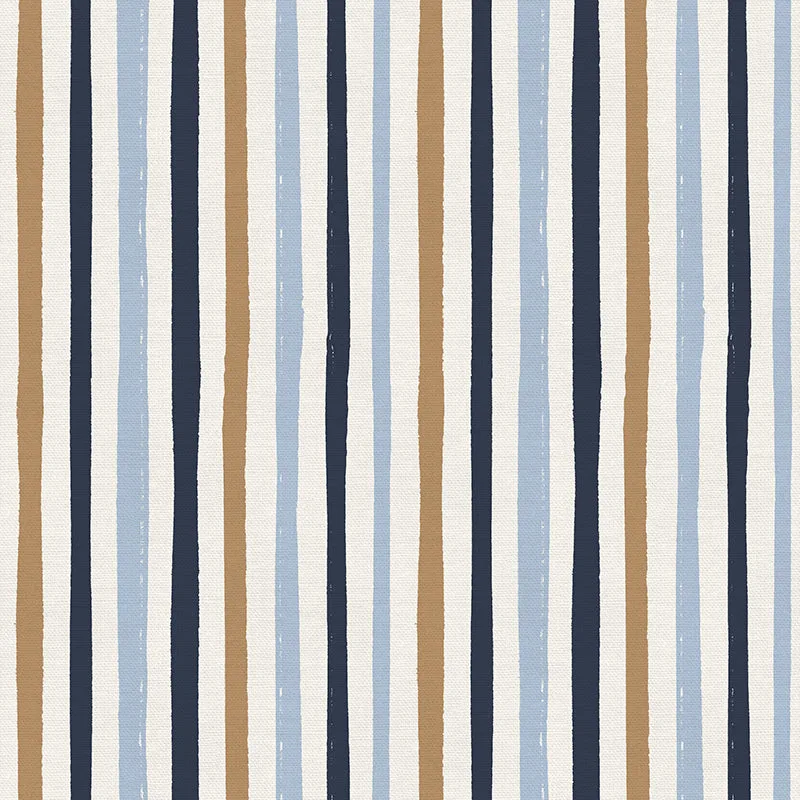
- Rough Stripe - Light Blue/Navy from By The Sea by Fleur Crawford for Paintbrush Studio Fabric: 100% Cotton, 143GSM, 44/45" wide, from the By The Sea collection with rustic seashell and coastal motifs. A printed cotton like this works well for machine quilting because it is stable and easy to piece. The coastal prints add visual interest, and the cotton content means it behaves similarly to cotton batting, so you can plan your quilting without surprises.
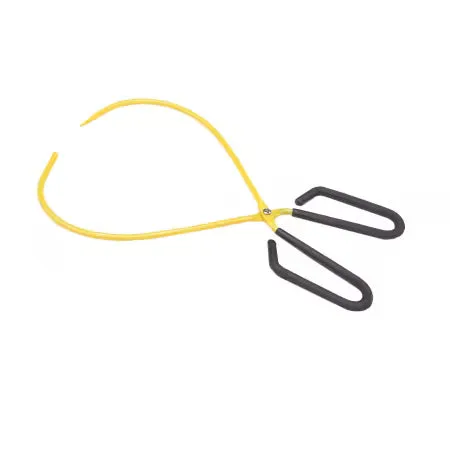
- EZ Point and Turner from Famore Cutlery: Larger EZ Point & Turner tool designed to turn projects right side out, with a soft handle grip and point that locks into a groove. While not used during quilting itself, this notion helps you turn and shape small projects like pouches or corners after quilting. It is a practical addition to your sewing kit when you finish quilted bags or home decor.
- Crafters Dream Magnetic Pin & Needle Dish: Strong magnet for holding pins and needles, oval shape fits comfortably in the hand, does not include pins. Machine quilting involves many pins or clips. A magnetic dish keeps them contained and within reach, reducing the chance of lost pins in your quilt sandwich or on the floor.
Which batting should you choose?
Best for
- Home machine quilters who want easy feeding and dense quilting: low-loft cotton or cotton-blend batting.
- Longarm quilters who want stability and definition: cotton batting with scrim or a cotton-poly blend.
- Quilters making warm, puffy quilts with simple quilting: medium- to high-loft polyester batting.
Not for
- Those who want a flat, antique look: high-loft polyester may be too puffy.
- Quilters who plan very dense quilting on a home machine: high-loft batting can be difficult to manage.
- Anyone seeking a specific brand recommendation: we do not currently carry batting, so we cannot compare named products.
The right batting for machine quilting comes down to matching fiber, loft, and weight to your machine, your quilting plan, and how you want the finished quilt to feel. Start with a small test sandwich, adjust your tension, and choose a batting that supports the look you want. For fabric and notions that work alongside your batting, explore our selection at Crosscut Sewing Co.