Whistle training is one of the most effective ways to improve your dog's recall and obedience. Unlike verbal commands, a whistle carries a consistent tone that cuts through distractions and can be heard from long distances. Whether you're training a working dog or simply want a reliable recall for off-leash adventures, mastering whistle cues can transform your training sessions.
In this guide, we'll cover the basics of using a whistle for dog recall and obedience, including choosing the right frequency, step-by-step training methods, and common pitfalls to avoid. You'll also learn how to integrate whistle cues with other training tools for a well-rounded approach.
Why Use a Whistle for Dog Training?
A whistle offers several advantages over voice commands. First, the sound is consistent—it doesn't change with your mood, volume, or tone. This consistency helps dogs learn faster and respond reliably. Second, a high pitched whistle for dogs can be heard over long distances and in noisy environments, making it ideal for outdoor training or hunting.
Additionally, whistles are less likely to be confused with other sounds. While your voice might sound similar to other people's voices, a whistle is unique to your training. This reduces the chance of your dog responding to someone else's command.
Whistles are also great for obedience training because they can be used to mark desired behaviors. For example, a specific whistle sequence can mean 'sit' or 'come,' allowing you to communicate clearly even when your dog is far away.
- Consistent tone for reliable responses
- Long-distance audibility
- Reduces confusion with other voices
- Versatile for various commands
Choosing the Right Whistle and Frequency
When selecting a whistle, consider the frequency. Dogs have a broader hearing range than humans, so many whistles are designed to emit high-pitched sounds that are audible to dogs but not to people. These are often called silent whistles, but they actually produce a high-frequency sound that dogs can hear clearly.
For most training, a whistle with a frequency between 5000 and 12000 Hz works well. However, the best frequency depends on your dog's hearing. Older dogs may have reduced hearing, so you might need a lower frequency. Test a few whistles to see which one your dog responds to best.
At K9pro, we offer a variety of training whistles, including high pitched options. While we don't have a specific model to link, you can explore our collection to find one that suits your needs.
- Test different frequencies to find what your dog responds to
- Consider your dog's age and hearing ability
- Choose a whistle that is comfortable for you to use
Step-by-Step Whistle Recall Training
Start in a quiet environment with minimal distractions. Use a treat or a toy your dog loves. Blow the whistle once and immediately give your dog a treat. Repeat this several times so your dog associates the whistle sound with a reward.
Next, move to a slightly more distracting environment, like your backyard. Call your dog's name, then blow the whistle. When your dog comes to you, reward enthusiastically. Gradually increase the distance and distractions as your dog becomes more reliable.
It's important to use a consistent whistle pattern for recall. For example, use two short blasts for 'come' and one long blast for 'sit.' This consistency helps your dog understand what you want.
Practice regularly, but keep sessions short to avoid boredom. Always end on a positive note with a reward and praise.
- Start indoors with no distractions
- Associate whistle with treats
- Gradually increase distance and distractions
- Use consistent patterns for different commands
Integrating Whistle Cues with Other Training Tools
Whistle training works best when combined with other training aids. For example, using a long line can help reinforce recall in the early stages. A long leash like the Syntek Black Lightweight Leashes 10mm Wide allows your dog to roam while you maintain control, making it perfect for practicing recall in open areas.
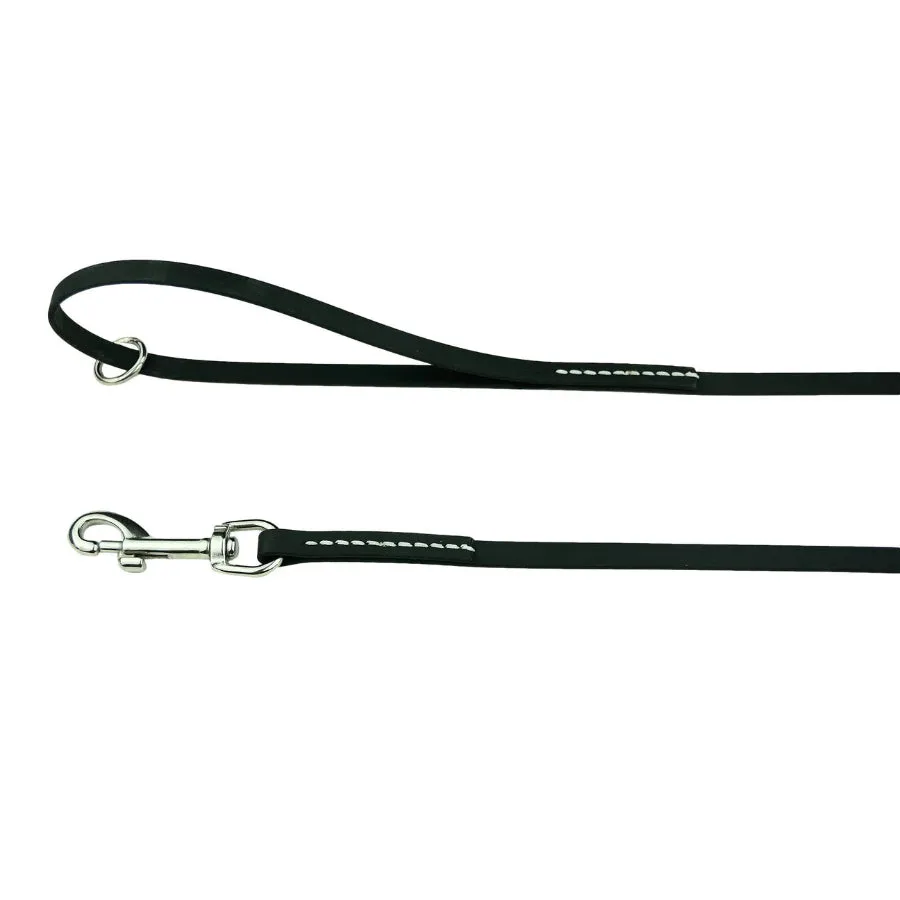
Syntek Black Lightweight Leashes 10mm Wide
You can also use a treat pouch to have rewards readily available during training. This keeps your hands free and ensures you can reward your dog immediately after the whistle cue.
For dogs that are highly toy-motivated, a tug toy can be an excellent reward. The K9 Pro French Linen Tugs - Single Handle is a durable option that many dogs love. Using a tug as a reward can make recall training more exciting for your dog.
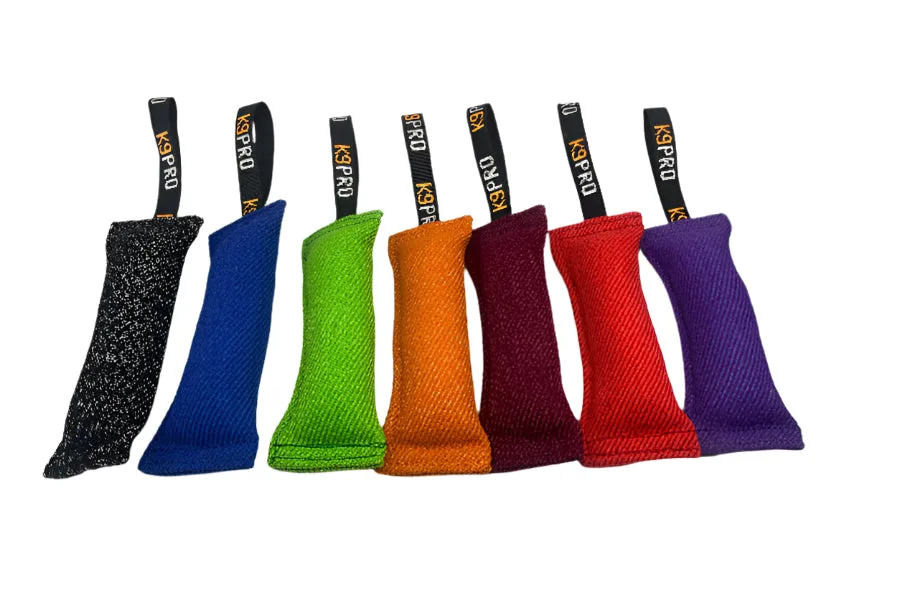
K9 Pro French Linen Tugs - Single Handle
- Use a long line for safety during early recall training
- Keep treats or a favorite toy handy for immediate rewards
- Incorporate a tug toy to make training fun
Common Mistakes to Avoid
One of the biggest mistakes is using the whistle too often. If you blow the whistle repeatedly without a reward, your dog will learn to ignore it. Always pair the whistle with a reward, especially during the initial training phase.
Another mistake is using the whistle for commands you haven't trained. Only introduce a new whistle cue after your dog has mastered the behavior with verbal or hand signals.
Avoid using the whistle as a punishment. The whistle should always have positive associations. If you blow the whistle and then scold your dog, they will become fearful and reluctant to respond.
Finally, be patient. Some dogs take longer to learn whistle cues than others. Consistency and positive reinforcement are key.
- Don't overuse the whistle without rewards
- Only use whistle cues for trained behaviors
- Never use the whistle as punishment
- Be patient and consistent
Whistle training is a powerful tool for improving your dog's recall and obedience. By choosing the right whistle, following a step-by-step training plan, and avoiding common mistakes, you can build a reliable response that works in any situation. Remember to pair the whistle with positive rewards and practice regularly. For more training tools and accessories, explore our range of leashes and tugs to support your training journey.