Why White Tea Brewing Myths Persist
White tea has a reputation for being delicate, expensive, and fussy. That reputation has produced a set of brewing myths that get repeated as rules. Some are harmless, but others push you toward water that is too hot or steeping times that are too long for a light tea.
The honest way to evaluate these claims is to check them against what the product record actually says. For White Tea Loose Leaf Tea, the record is clear about origin, leaf selection, flavor, and caffeine level. It is silent on exact water temperature and steeping time. That silence is not a flaw in the tea; it is a limit of the information supplied. Where the record does not confirm a number, treat any precise instruction as a starting point to adjust by taste, not a manufacturer rule.
What the White Tea Loose Leaf Record Confirms
-
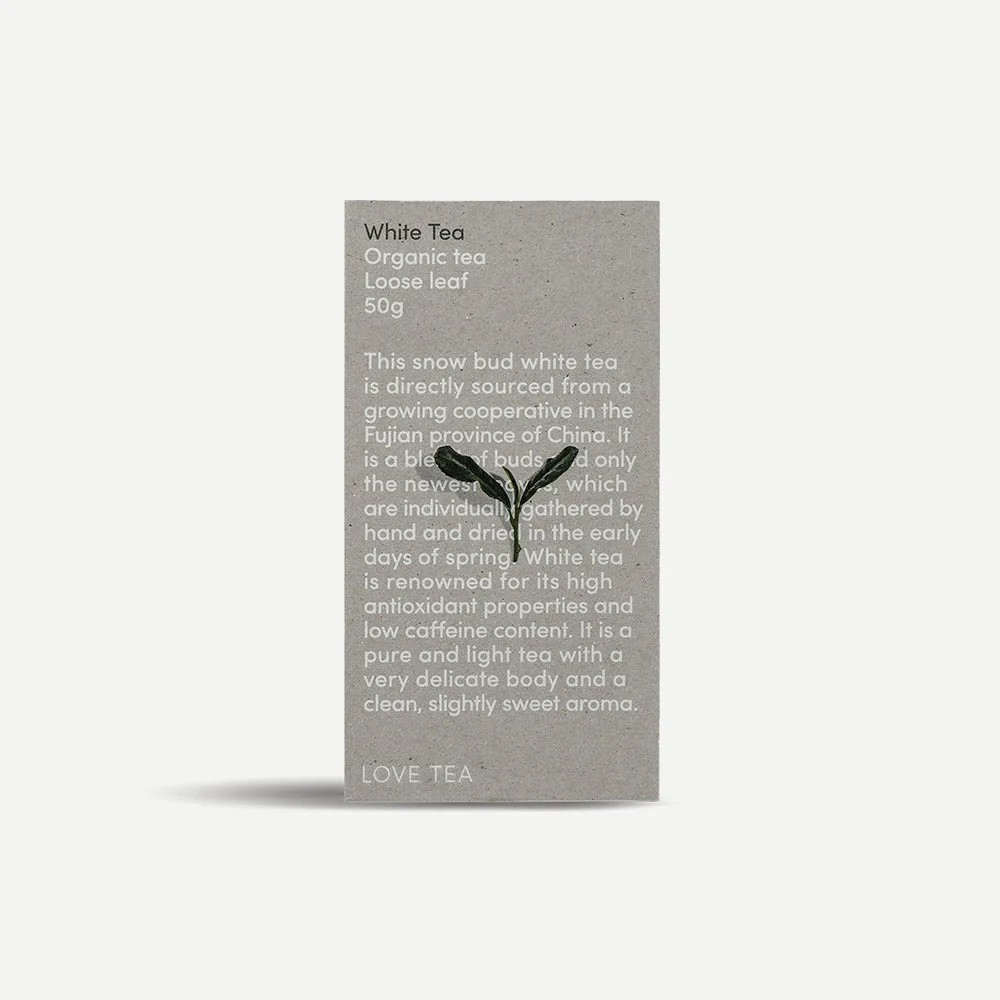
White Tea Loose Leaf Tea: This snow bud white tea is directly sourced from a growing cooperative in the Fujian province of China. Origin is confirmed, so you can evaluate the tea as a Fujian white tea rather than a generic blend.
White Tea Loose Leaf Tea
-
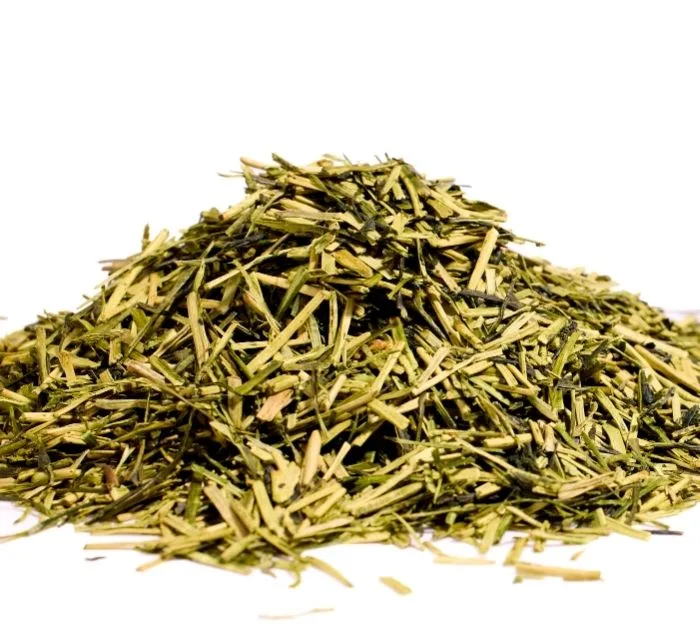
White Tea Loose Leaf Tea: It is a blend of buds and only the newest leaves, which are individually gathered by hand and dried in the early days of spring. The bud-and-new-leaf composition explains the light body and supports gentler brewing.
-
White Tea Loose Leaf Tea: It is a pure and light tea with a very delicate body and a clean, slightly sweet aroma. Flavor is the best checkpoint for whether your water temperature and steeping time are working.
-
White Tea Loose Leaf Tea: White tea is renowned for its high antioxidant properties and low caffeine content. This is the record's only caffeine statement, and it is a general characterization, not a milligram figure.
Myth 1: White Tea Must Be Brewed With Boiling Water
This is the most consequential myth because very hot water can flatten the delicate aroma the record describes. The supplied record does not specify a water temperature, so no exact number can be presented as a manufacturer instruction. A practical approach is to start below boiling and adjust upward if the cup tastes thin.
- The claim: White tea is sturdy enough for fully boiling water.
- What the record supports: The tea is described as pure and light with a very delicate body and a clean, slightly sweet aroma. That profile gives you a reason to protect the aroma rather than shock it.
- What the record does not confirm: No water temperature is supplied. Any specific degree figure is general guidance, not a verified instruction for this product.
- How to test it: Brew one cup with water just below boiling and another with fully boiling water. Compare the aroma and sweetness. If the hotter cup tastes flatter or harsher, lower the temperature next time.
Myth 2: White Tea Must Steep for a Fixed Number of Minutes
Steeping time is the variable most often presented as a rule. The supplied record gives no steeping time for White Tea Loose Leaf Tea, so the useful instruction is a tasting checkpoint rather than a stopwatch.
- The claim: There is one correct number of minutes for every white tea.
- What the record supports: The flavor is delicate and slightly sweet. A delicate tea is easier to over-steep than a robust one, so taste early and often.
- What the record does not confirm: No steeping duration is supplied. Treat any minute figure as a starting point you adjust to your own taste.
- How to steep white tea by taste: Begin tasting sooner than you think you need to. If the cup is already clean and sweet, stop. If it is thin, give it more time. If it turns bitter or dull, shorten the next steep.
Myth 3: White Tea Is Caffeine-Free
The white tea caffeine myth is persistent because white tea is often described as low in caffeine. Low and none are different claims, and the supplied record only supports the first.
- The claim: White tea contains no caffeine, so it can be drunk at any hour without effect.
- What the record supports: The record states that white tea is renowned for low caffeine content. That is a general characterization, not a measured amount.
- What the record does not confirm: No milligram figure per cup or per gram is supplied, and no decaffeination process is mentioned.
- What to do with this: If you are sensitive to caffeine, treat White Tea Loose Leaf Tea as a low-caffeine tea rather than a caffeine-free one, and pay attention to how late in the day you drink it.
Myth 4: Loose Leaf White Tea Is Difficult to Brew
Loose leaf has a reputation for requiring special equipment. The record does not confirm any brewing vessel requirement, and the tea itself is straightforward: buds and newest leaves, hand-gathered and dried in early spring.
- The claim: You need a precise thermometer, a dedicated teapot, and a timer to brew white tea loose leaf.
- What the record supports: The leaf is a blend of buds and newest leaves. That is a simple composition, and the flavor description gives you a clear target: clean, light, and slightly sweet.
- What the record does not confirm: No equipment, vessel, or water-to-leaf ratio is supplied.
- A simpler approach: Use any strainer or infuser you already own. Heat water, let it cool slightly, add leaf, and taste every so often. Adjust the next cup based on what you tasted, not on a number you read.
What the Record Confirms vs. What It Leaves to You
The table below separates verified product facts from brewing variables the record does not specify. Use the left column as fixed information and the right column as decisions you make by taste.
- Confirmed in the record: Origin in Fujian, China; buds and newest leaves hand-gathered and dried in early spring; pure, light body with clean, slightly sweet aroma; low caffeine content; available in 50g and 150g loose leaf.
- Not confirmed in the record: Exact water temperature, steeping time, water-to-leaf ratio, number of resteeps, and a milligram caffeine figure. These are not failures of the tea; they are simply outside the supplied information.
- What this means for you: Start with cooler water and shorter steeps, taste, and adjust. The flavor description is your most reliable guide because it comes directly from the product record.
Sizes and Storage: What the Record Says
- White Tea Loose Leaf Tea: Available as 50g Loose Leaf and 150g Loose Leaf. Choose the smaller size if you are still testing brewing variables, and the larger size once you know how you like to steep it.
- White Tea Loose Leaf Tea: The record describes the tea as pure and light with a clean, slightly sweet aroma. Aroma is the quality most affected by how you store and brew the leaf, so protect it from heat, light, and moisture.
A Taste-First Brewing Checkpoint
Because the supplied record does not include water temperature or steeping time, the most honest brewing method is one built on tasting. Heat water and let it cool slightly below boiling. Add White Tea Loose Leaf Tea to your strainer. Begin tasting early, and note whether the cup is clean and slightly sweet or thin and flat. Adjust the next steep accordingly.
This approach respects the tea's delicate body without pretending to a precision the record does not provide. If you want a single change to make first, start with cooler water rather than a longer steep. The aroma described in the record is easier to preserve than to recover once it has been driven off.