Quick answer
Whitening strips use a peroxide-based gel to change the color of stains on your teeth, while charcoal toothpaste relies on abrasion to scrub away surface film. If you want a visibly lighter shade, strips are the more direct route. If you mainly want daily stain control and a deep clean, charcoal toothpaste fits into your normal brushing routine. Many people use both: strips for periodic whitening and charcoal toothpaste for maintenance.
How Each Method Actually Works
Whitening strips are coated with a peroxide gel that sits against your teeth for a set time. The peroxide penetrates the enamel surface and breaks apart the compounds that cause stains, which is why strips can lighten your overall shade rather than just scrubbing the surface. Charcoal toothpaste works mechanically: the charcoal particles act as a mild abrasive that lifts surface stains and plaque film as you brush. It does not bleach your teeth, so it will not change your natural shade the way peroxide can.
That difference matters when you set expectations. If your teeth are yellowed from coffee, tea, or tobacco, strips address the stain itself. Charcoal toothpaste removes the daily buildup that makes teeth look dull, but it will not undo years of absorbed pigment.
What Results Look Like and How Fast
With whitening strips, many people notice a shade difference after a few consecutive applications, with full results building over the course of the pack. Results vary based on your starting shade and how consistently you use them. Charcoal toothpaste results are subtler and slower: you may notice your teeth look cleaner and less film-covered within a week or two, but the change is closer to polish than to whitening.
This is the honest trade-off. Strips give you a more dramatic, faster change but require dedicated sessions. Charcoal toothpaste gives you a low-effort daily habit with modest cosmetic payoff.
Sensitivity and Safety Considerations
Whitening strips can cause temporary tooth sensitivity or gum irritation, especially if you leave them on longer than directed or use them too frequently. If you already have sensitive teeth, start with a shorter wear time or ask your dentist before beginning a full course. Charcoal toothpaste is less likely to cause sensitivity because it does not use peroxide, but abrasive particles can wear enamel over time if you brush hard or use it exclusively for months.
For safe teeth whitening at home, follow the instructions on whichever product you choose. Do not stack multiple whitening methods on the same day, and give your teeth rest days between strip sessions.
Fitting Either Option Into Your Routine
Strips are a periodic treatment: you set aside 10 to 30 minutes, apply them, and remove them. Charcoal toothpaste replaces your regular toothpaste, so it adds zero extra steps. If your schedule is unpredictable, a toothpaste you already use daily is easier to stick with. If you have an event coming up and want a visible change, strips are the more practical choice.
You can also combine them: use charcoal toothpaste for everyday cleaning and bring in strips for a week or two before a wedding, photo session, or reunion.
Trade-Offs at a Glance
- Speed of visible change: Whitening strips can lighten your shade in days; charcoal toothpaste polishes surface film over weeks. Choose strips if you need a visible change soon.
- Sensitivity risk: Peroxide in strips can trigger temporary sensitivity; charcoal toothpaste is gentler but abrasive with heavy brushing. Sensitive teeth may tolerate charcoal toothpaste better for daily use.
- Effort and routine fit: Strips require dedicated sessions; charcoal toothpaste replaces your normal toothpaste with no extra time. Pick the one that matches your actual daily habits.
Products That Match These Methods
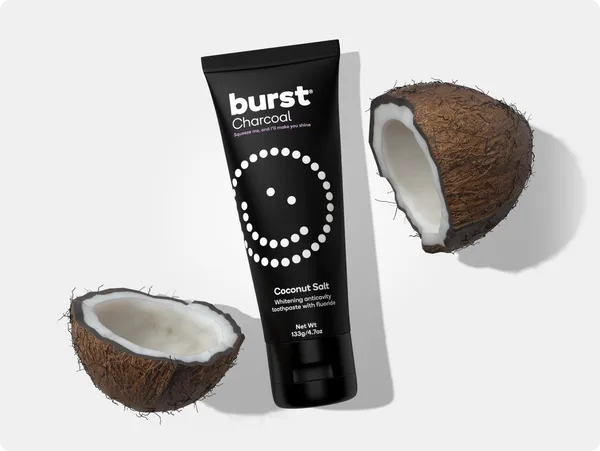
- Toothpaste Charcoal: Charcoal-based formula for a deep clean; part of the BURST Oral Care collection, trusted by dental pros; ideal for everyday brushing. A daily-use option if you want stain control without adding a separate whitening step.
- Prefilled Whitening Trays 3 Pack: Prefilled whitening trays in a 3-pack; no-mess application; ideal for on-the-go use or travel; from a brand backed by dental professionals. A lower-commitment alternative to strips if you want whitening sessions without measuring gel or dealing with messy trays.
Which Should You Choose?
Best for
- Anyone who wants a noticeably lighter shade before an event and can commit to regular sessions
- People who already use whitening strips and want a daily toothpaste to maintain results
Not for
- People with existing tooth sensitivity who have not checked with a dentist about peroxide use
- Anyone expecting charcoal toothpaste alone to change their natural tooth color