Quick answer
For most cafes, whole bean coffee is the better default because you grind immediately before brewing, preserving aroma and flavor. Ground coffee makes sense if you lack a commercial grinder, have high staff turnover, or need a consistent grind without training. Your choice should match your daily volume, equipment, and how fast you turn through inventory.
Why grind timing changes what your customers taste
Coffee starts losing volatile aromatics the moment it is ground because the surface area exposed to oxygen increases dramatically. Whole bean coffee keeps those compounds locked inside until you grind. That is why a cafe that grinds per order or per batch usually delivers a more vivid cup than one scooping from a pre-ground bin that has been open all morning. If your bar goes through coffee quickly, the gap narrows, but it never disappears. The practical takeaway: invest in a commercial grinder if you want whole bean to pay off.
Labor, training, and consistency behind the bar
Ground coffee removes the grinder from the equation, which can be a real advantage during a rush or when new staff are still learning. You simply dose and brew. Whole bean, by contrast, requires someone to dial in the grind for each brew method and adjust as beans age. That skill takes time to build. If your cafe has a stable, trained team, whole bean gives you control. If turnover is high or you run multiple locations with varying skill levels, pre-ground can protect consistency. Neither choice is automatically better; it depends on how much training you can sustain.
Wholesale formats and how they fit your storage
Wholesale coffee comes in bulk sizes that affect both freshness and cash flow. Whole bean options often appear in 5 lb bags or 6-packs of 12 oz bags, while ground coffees may be offered in similar bulk configurations. The key question is how fast you will use each unit once opened. A 5 lb bag of whole bean coffee stays fresher longer than a 5 lb bag of ground coffee because you only grind what you need. If your storage space is limited or your volume is low, smaller 12 oz units may reduce waste even if the per-pound price is higher. Always check the roast date and packaging; valves and one-way degassing bags help whole bean coffee rest without going stale.
Trade-offs at a glance
- Freshness vs convenience: Whole bean preserves aroma and flavor until you grind, but requires a grinder and some dial-in skill. Ground coffee is ready to brew immediately but begins staling as soon as the bag is opened. Choose whole bean if you can grind per batch; choose ground if speed and simplicity outweigh peak flavor.
- Inventory control vs storage space: Whole bean lets you buy larger wholesale units and grind only what you need, which reduces waste. Ground coffee in bulk means you must use it quickly once opened, and smaller 12 oz bags may cost more per pound. Match your wholesale format to your weekly volume, not just the lowest unit price.
- Training investment vs consistency: Whole bean demands staff who can adjust grind and dose. Ground coffee removes that variable, which helps when turnover is high or multiple locations need to taste the same. If you cannot train consistently, pre-ground may protect your cup quality more than whole bean.
Product facts that shape the decision
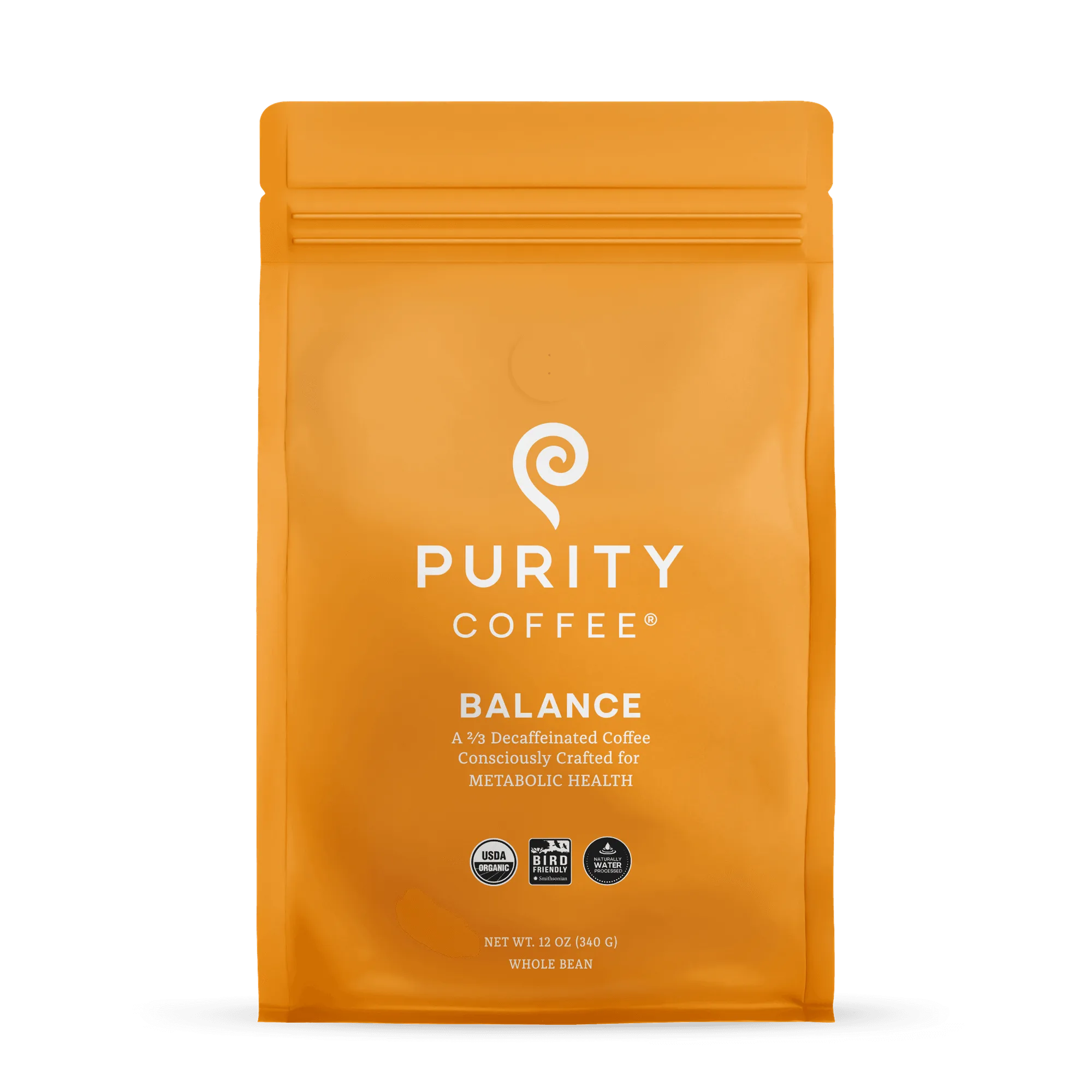
- Wholesale - BALANCE: ²/₃ Decaf Whole Bean Coffee 12oz 6pk: Wholesale - BALANCE: 2/3 Decaf Whole Bean Coffee 12oz 6pk A whole bean option with 2/3 decaffeination gives cafes a way to offer lower-caffeine drinks while still grinding fresh. The 6-pack of 12 oz bags suits bars that want to open smaller units and keep the rest sealed.
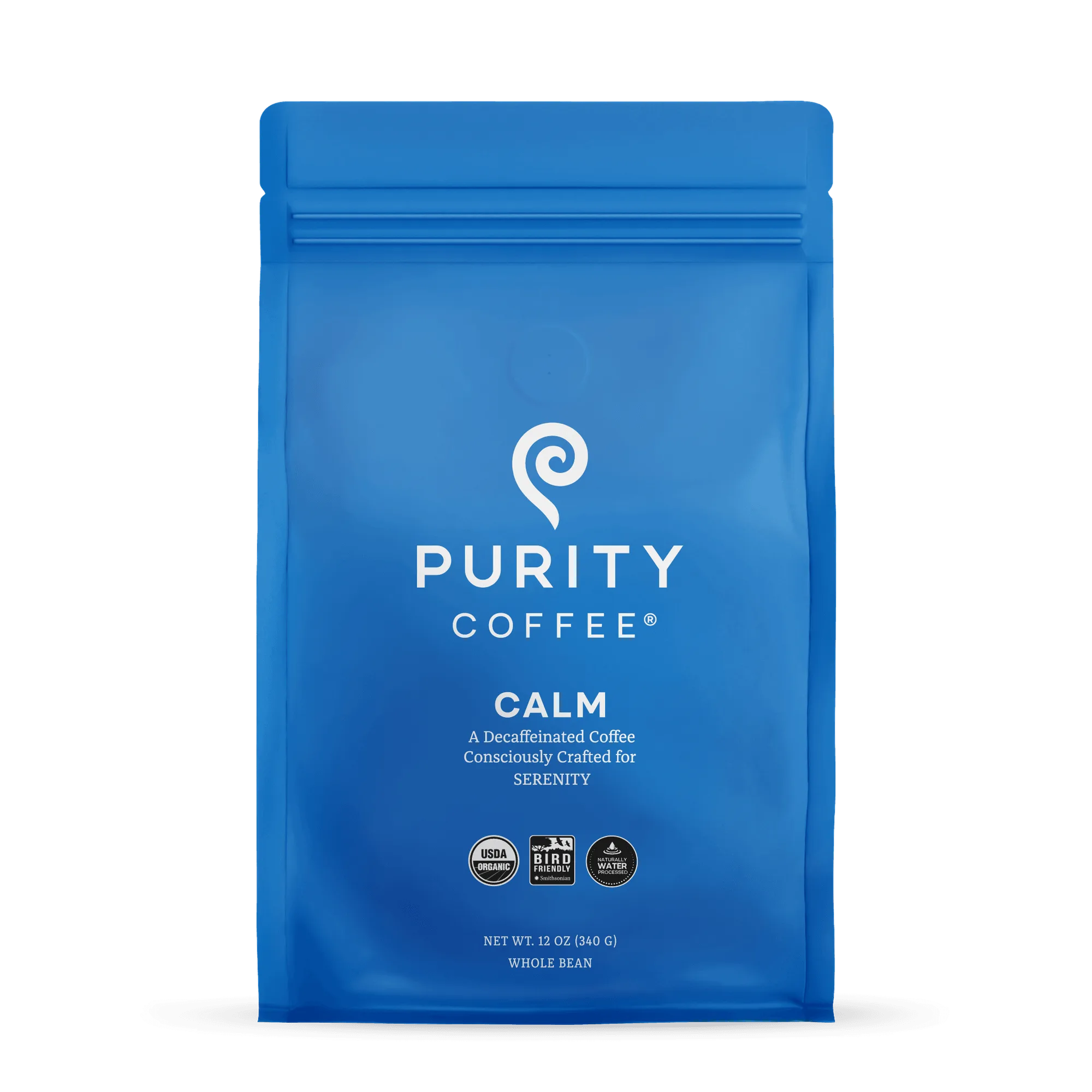
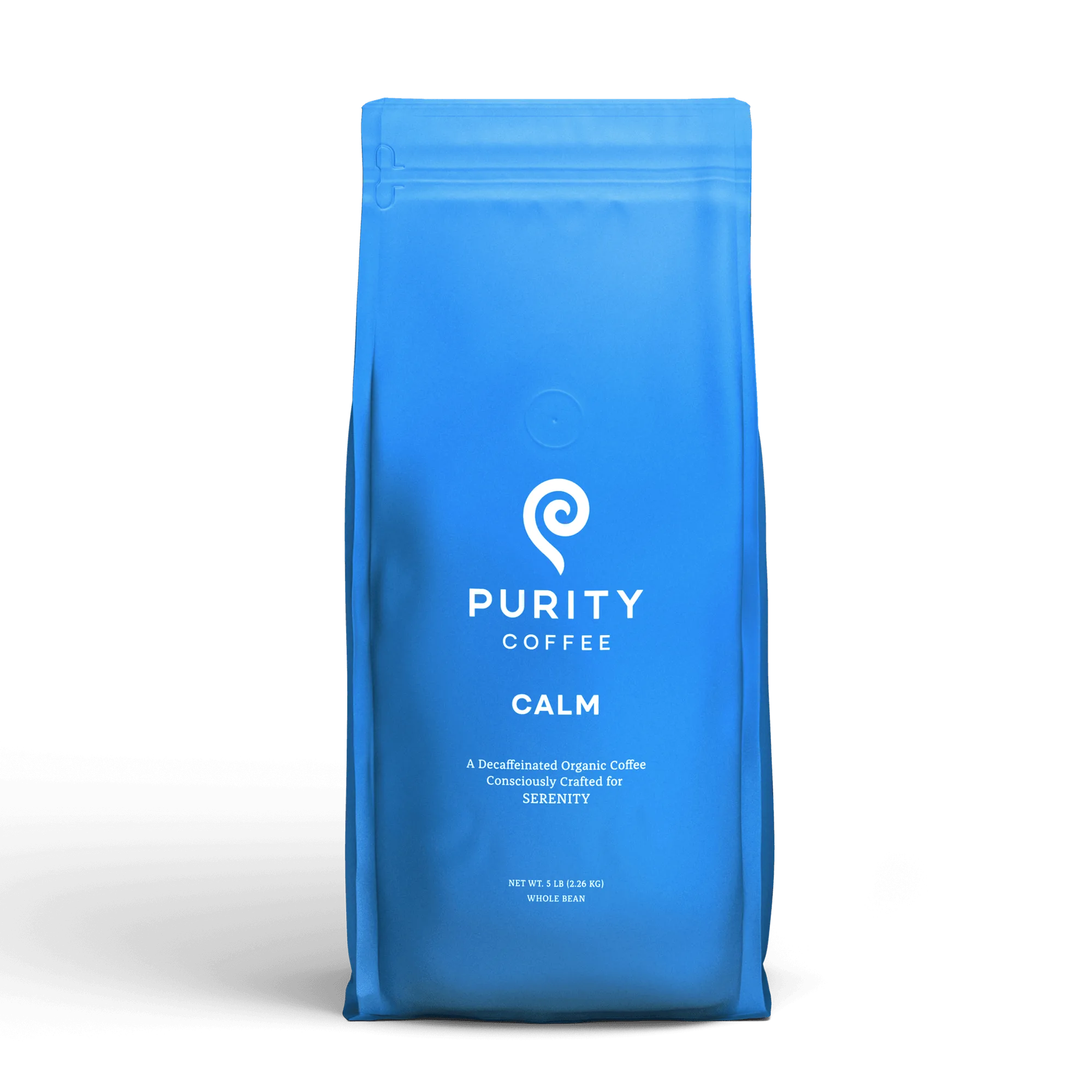
- B2B - CALM: Decaf Whole Bean Coffee 5lb: B2B - CALM: Decaf Whole Bean Coffee 5lb This 5 lb whole bean decaf is built for higher-volume decaf service. It removes the need to stock multiple small bags, but you will need a grinder and enough decaf demand to finish the bag before it fades.
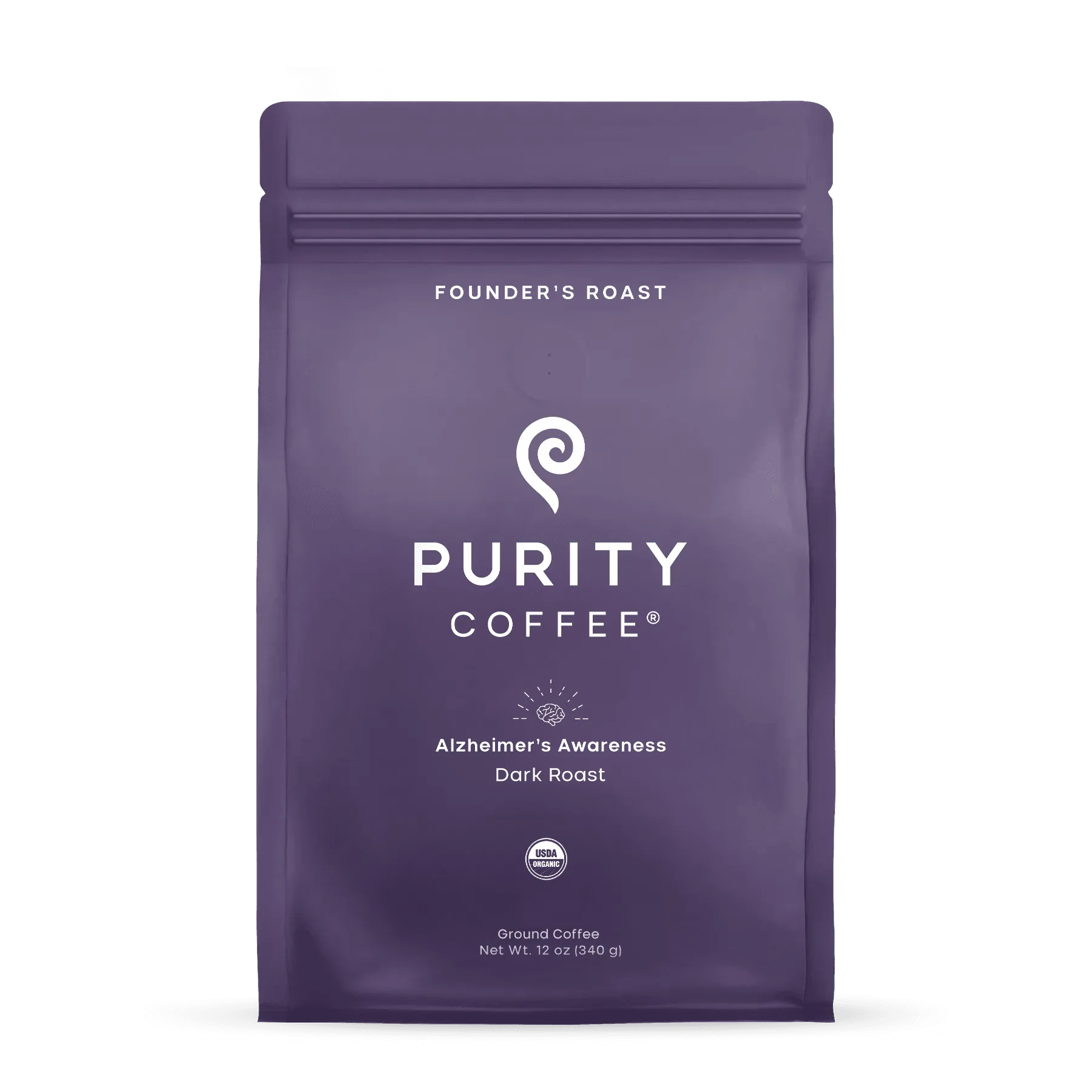
- Wholesale - Founder's Roast, Ground: Alzheimer's Awareness Limited Release 12oz 6pk: Wholesale - Founder's Roast, Ground: Alzheimer's Awareness Limited Release 12oz 6pk A ground coffee in 12 oz bags shows how pre-ground can work for a limited release or a bar without a grinder. The 6-pack format lets you feature a special coffee without committing to a large open bulk bag.
Which format fits your cafe?
Best for
- Cafes with a commercial grinder and staff who can dial in grind daily
- Bars that want to offer a rotating single-origin or limited release without training everyone on a new grinder setting
- High-volume decaf service where a 5 lb whole bean bag will be used within a few weeks
Not for
- Cafes without a grinder or with no space for one
- Operations with very low coffee volume where a 5 lb bag would stale before it is finished
- Bars that cannot train staff on grind adjustment and need a fixed, repeatable brew method