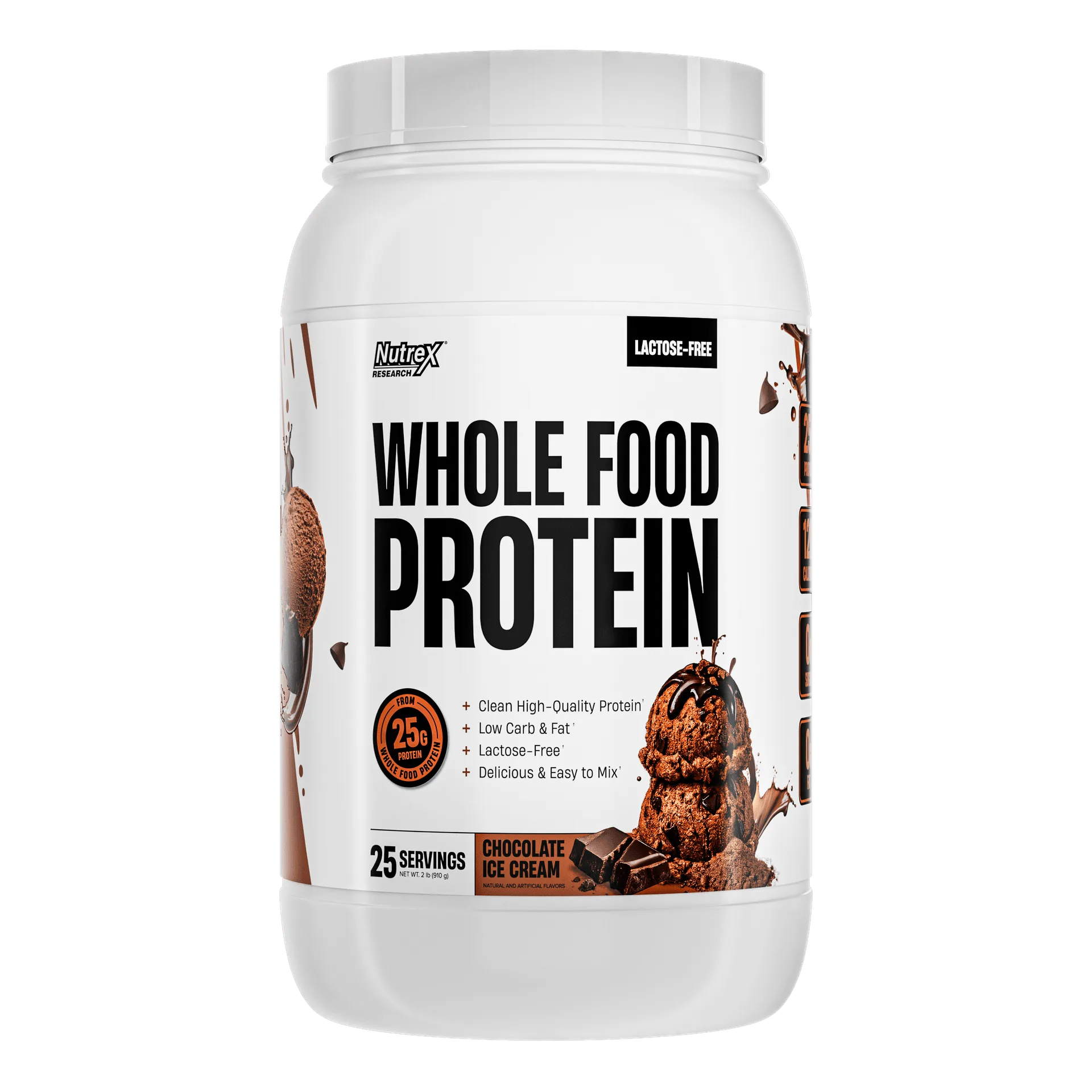
Protein is the building block of muscle, and choosing the right protein powder can make or break your fitness journey. With so many options on the market, it's easy to feel overwhelmed. That's why we're diving deep into a standout product: https://nutrexurv.com/products/dairy-free-whole-food-protein-442863Whole Food Protein 1 lb. This review will cover everything from nutritional profile to taste and mixability, plus practical tips on how to use it effectively.
Whether you're a seasoned athlete or just starting your fitness journey, understanding what you put into your body is crucial. Whole Food Protein offers a unique approach by using whole food sources, which may provide additional nutrients beyond just protein. In this article, we'll explore the benefits, how it compares to other protein powders, and how to incorporate it into your daily routine for maximum results.
What is Whole Food Protein?
Whole Food Protein is a protein powder that utilizes whole food sources like brown rice, peas, and quinoa to deliver a complete amino acid profile. Unlike many whey or casein proteins, this powder is plant-based, making it an excellent choice for vegans, vegetarians, or those with dairy sensitivities. Each serving provides a substantial amount of protein without artificial flavors or sweeteners, aligning with a clean eating lifestyle.
The '1 lb' size is perfect for those who want to try a new protein without committing to a large tub. It's also great for travel or gym bags. But what really sets it apart is the ingredient list – simple, recognizable foods that your body knows how to process. This can lead to better digestion and absorption, which is key for muscle recovery and growth.
- Plant-based protein blend from brown rice, peas, and quinoa
- Complete amino acid profile for muscle support
- Free from artificial flavors and sweeteners
- Ideal for vegans and those with dairy sensitivities
Benefits of Whole Food Protein
The primary benefit of whole food protein is its nutritional density. Unlike isolated proteins, whole food sources retain fiber, vitamins, and minerals that are often lost during processing. This means you're not just getting protein – you're getting a more holistic nutrient package. For example, quinoa is a complete protein and rich in magnesium, while peas provide iron and arginine, an amino acid that supports blood flow.
Another advantage is digestibility. Many people experience bloating or discomfort with traditional protein powders, especially those containing lactose. Whole food proteins are naturally lactose-free and gentle on the stomach. Additionally, the slower digestion of plant-based proteins provides a steady release of amino acids, which can be beneficial for sustained energy and satiety.
- Provides fiber, vitamins, and minerals naturally
- Lactose-free and easy to digest
- Steady amino acid release for lasting energy
- Supports muscle recovery and growth
Taste and Mixability
One of the biggest concerns with any protein powder is taste. Whole Food Protein doesn't disappoint. It has a smooth, mildly nutty flavor that blends well with water, milk, or your favorite smoothie. The texture is fine, and it doesn't have the chalky aftertaste often associated with plant proteins. Whether you mix it in a shaker bottle or a blender, it dissolves quickly with minimal clumping.
For those who enjoy variety, you can easily add flavorings like cocoa powder, vanilla extract, or fresh fruit to create a customized shake. The neutral base makes it versatile for both sweet and savory recipes. You can even use it in baking to boost the protein content of pancakes, muffins, or energy bars.
- Smooth, nutty flavor that's not overpowering
- Mixes well with water or milk
- Versatile for use in shakes and recipes
- No chalky aftertaste
How to Use Whole Food Protein for Best Results
To get the most out of Whole Food Protein, timing and combination are key. Consume a serving within 30 minutes after your workout to kickstart muscle recovery. You can also use it as a meal replacement or snack to increase your daily protein intake. For those with active lifestyles, adding a scoop to your morning smoothie can help you stay full and energized throughout the day.
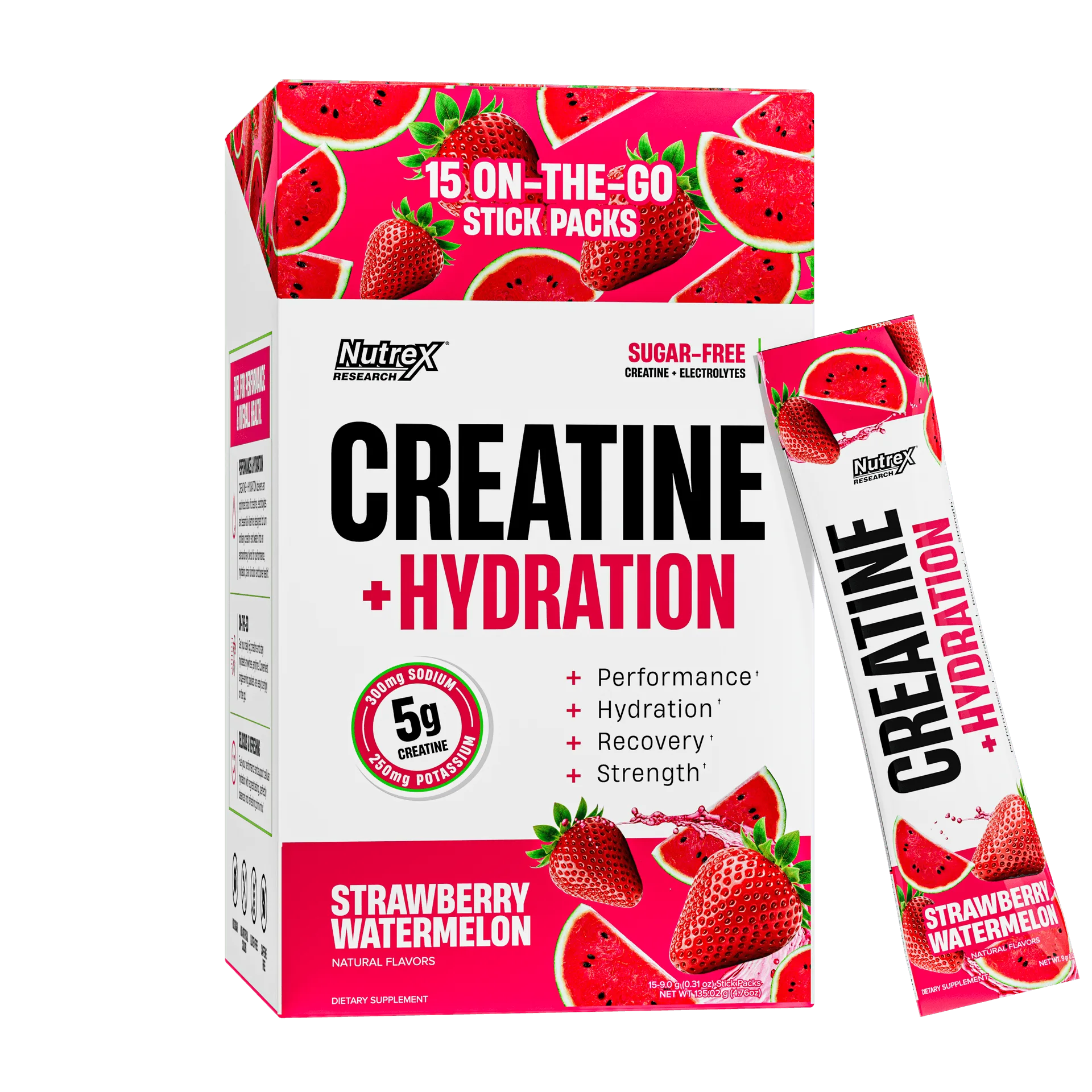
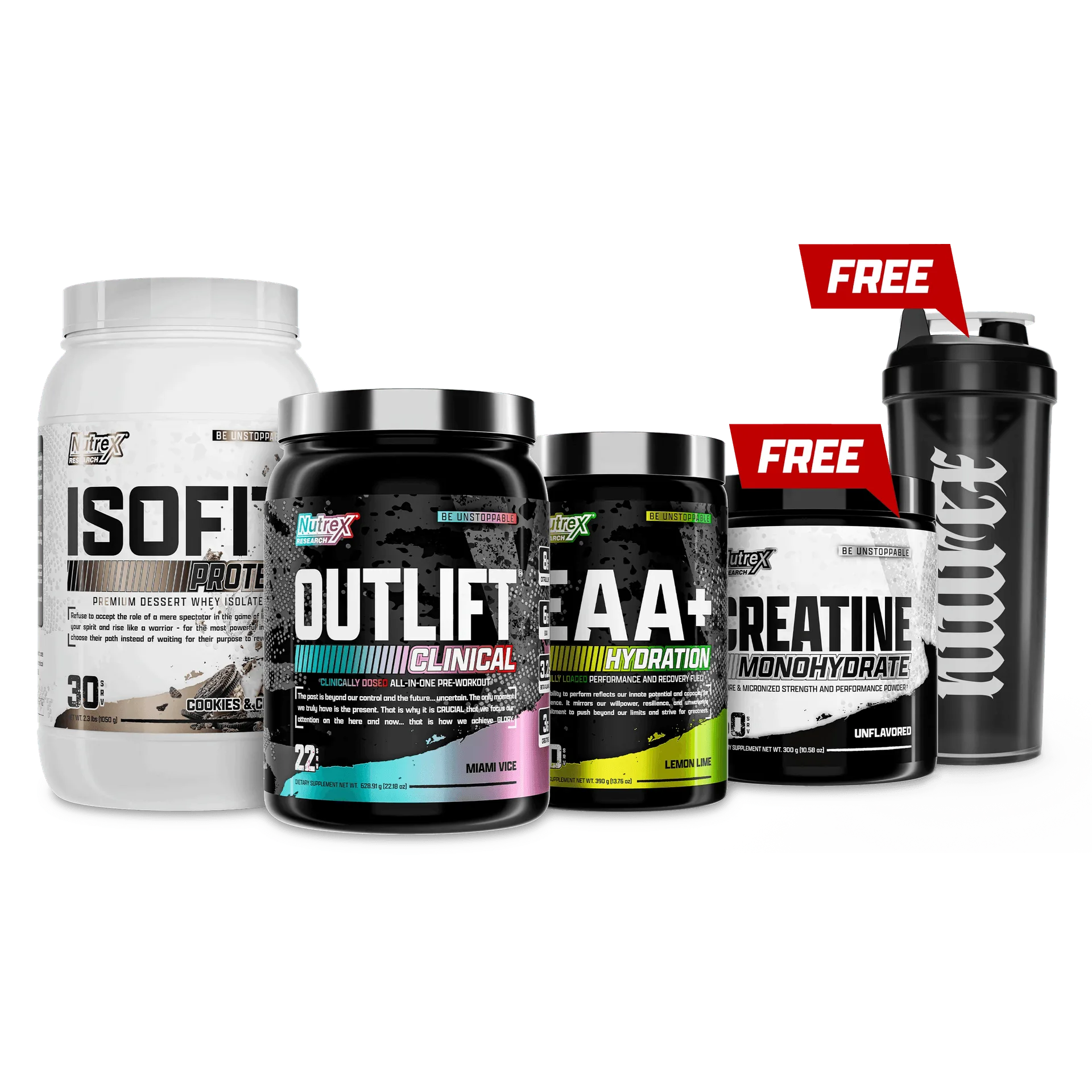
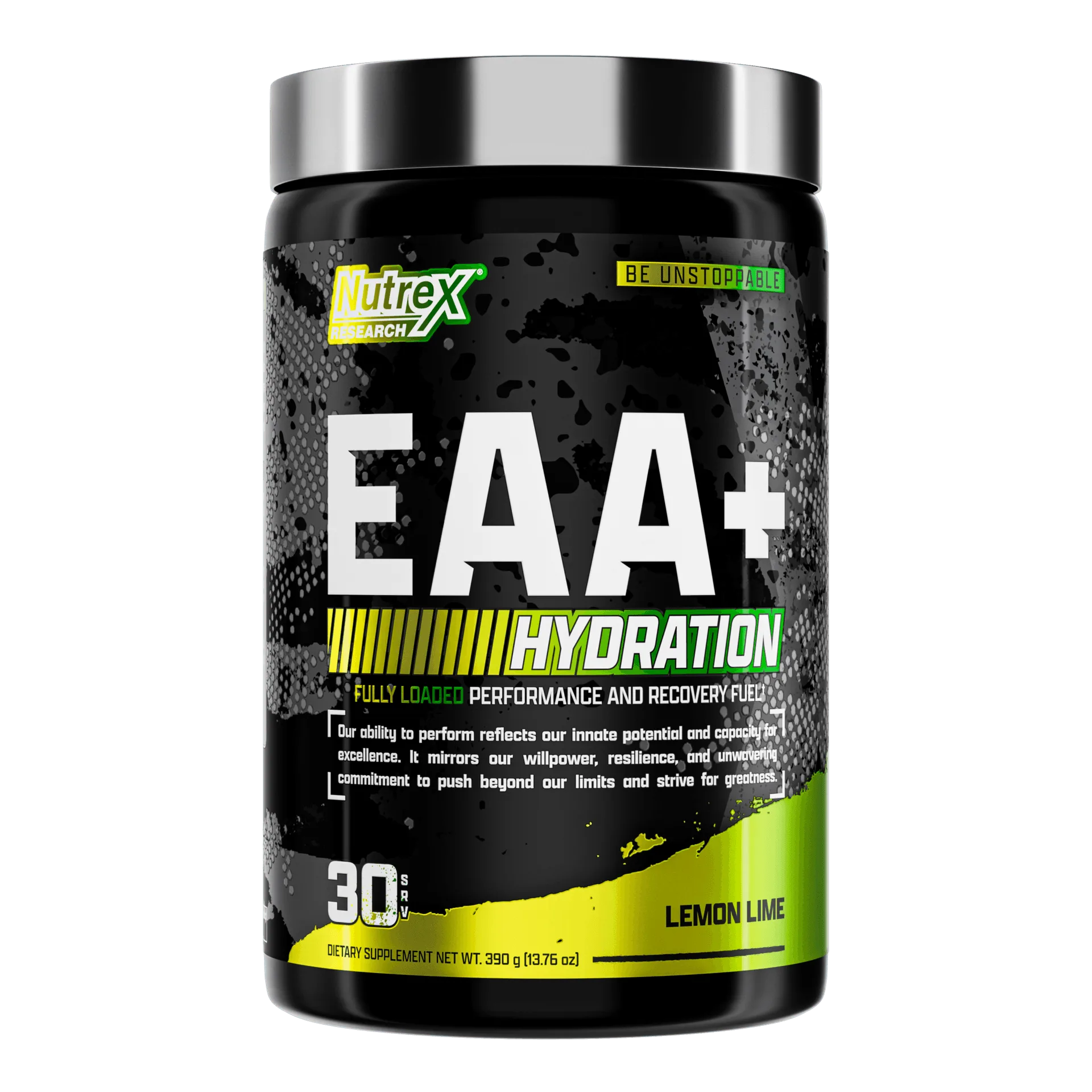
Pairing Whole Food Protein with other supplements can enhance its effects. For example, combining it with Creatine + Hydration Stick Packs can support strength and endurance. If you're looking for a comprehensive approach, consider the Pre+Intra+Post Stack to cover all phases of your training. Additionally, using EAA+ Hydration during your workout can complement the protein's amino acid profile.
- Take within 30 minutes post-workout for optimal recovery
- Use as a meal replacement or snack to boost protein intake
- Blend with fruits and vegetables for a nutrient-dense smoothie
- Combine with other supplements like creatine and EAAs for enhanced results
Comparison with Other Protein Powders
When compared to whey protein, Whole Food Protein offers a viable alternative for those with dietary restrictions. Whey is quickly absorbed, making it great for post-workout, but it can cause digestive issues for some. Whole food protein provides a slower release, which may be better for sustained muscle building and satiety. It's also more environmentally sustainable, as plant-based proteins have a lower carbon footprint.
In terms of cost, whole food protein can be slightly more expensive than whey, but the added nutritional benefits often justify the price. For those who prioritize clean ingredients and overall health, the investment is worthwhile. Plus, the 1 lb size is an affordable entry point to try it out.
- Plant-based alternative to whey for dairy-sensitive individuals
- Slower digestion provides sustained amino acid release
- More sustainable and environmentally friendly
- Slightly higher cost but with added nutritional value
Frequently Asked Questions
Is Whole Food Protein suitable for vegans? Yes, it's 100% plant-based, making it ideal for vegans and vegetarians. Does it contain any allergens? It's free from dairy, soy, and gluten, but always check the label for specific allergen information. Can I use it for weight loss? Absolutely, as a meal replacement it can help control calories while providing essential nutrients.
How does it compare to other Nutrex products? Nutrex offers a range of protein powders, but Whole Food Protein stands out for its clean, whole food ingredients. If you're looking for a more traditional option, you might explore other products in the Protein category. For those who want to enhance their results, consider stacking it with Creatine + Hydration Single Serving for a convenient post-workout combo.
- Suitable for vegans and vegetarians
- Free from major allergens like dairy, soy, and gluten
- Can support weight loss as a meal replacement
- Pairs well with other Nutrex supplements
Whole Food Protein 1 lb is a standout choice for anyone seeking a clean, plant-based protein powder. Its whole food ingredients, great taste, and versatility make it a valuable addition to any fitness regimen. Whether you're vegan, lactose-intolerant, or simply looking for a more nutritious protein option, this product delivers. Ready to give it a try? Explore Whole Food Protein 1 lb and experience the benefits for yourself.