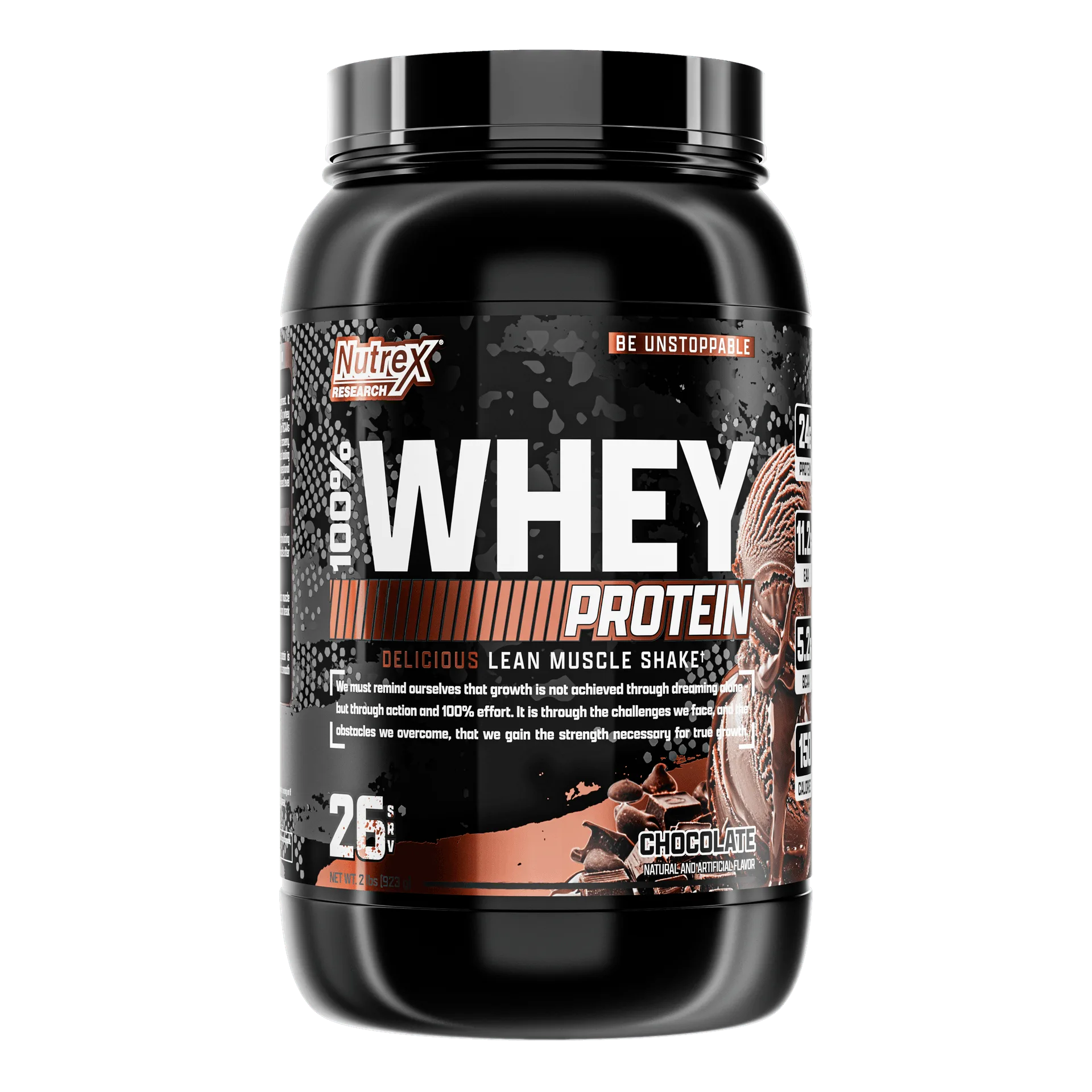
Protein powder is a staple for athletes, fitness enthusiasts, and anyone looking to increase their daily protein intake. With countless options on the market, choosing the right one can be overwhelming. Two popular categories are whole food protein and whey protein. Each has unique benefits and potential drawbacks. In this comparison, we'll break down the differences to help you decide which is best for your needs.
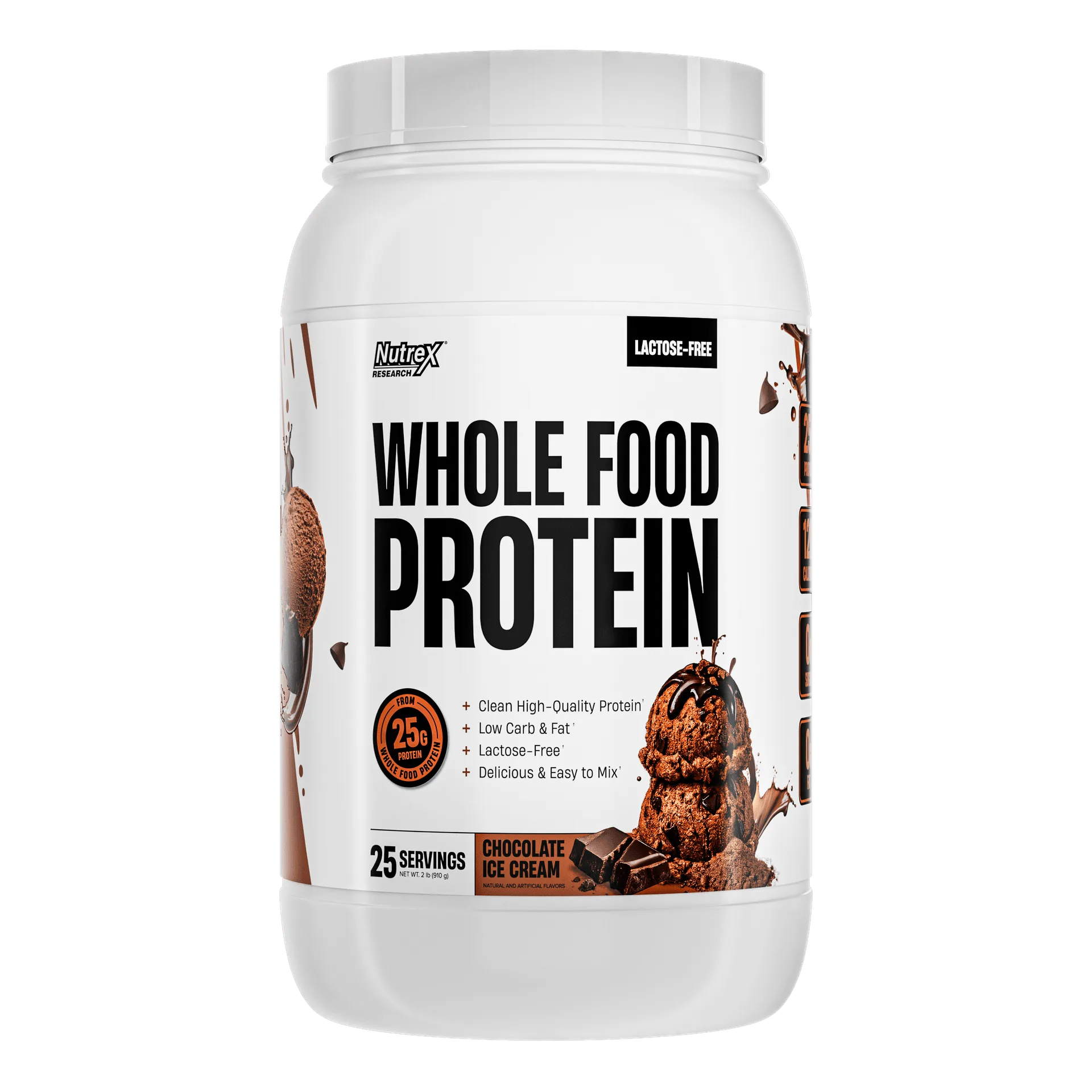
whole food protein
Whether you're aiming for muscle growth, weight management, or simply better nutrition, understanding the source and processing of your protein matters. We'll explore aspects like digestion, amino acid profile, and suitability for various dietary preferences. By the end, you'll have a clear idea of whether whole food protein or whey deserves a place in your supplement routine.
What Is Whole Food Protein?
Whole food protein is derived from complete food sources like peas, brown rice, or other plant-based ingredients. Unlike whey, which is a byproduct of cheese production, whole food proteins are minimally processed and retain more of the natural nutrients found in the original food. This type of protein is often favored by those seeking a more natural approach to supplementation.
Products like Nutrex's Whole Food Protein 1 lb are excellent examples. They provide a blend of plant-based proteins that deliver all essential amino acids. This makes them a viable alternative for individuals who are lactose intolerant or prefer to avoid animal-derived products. Whole food proteins are also typically rich in fiber and other beneficial compounds, which can support digestive health.
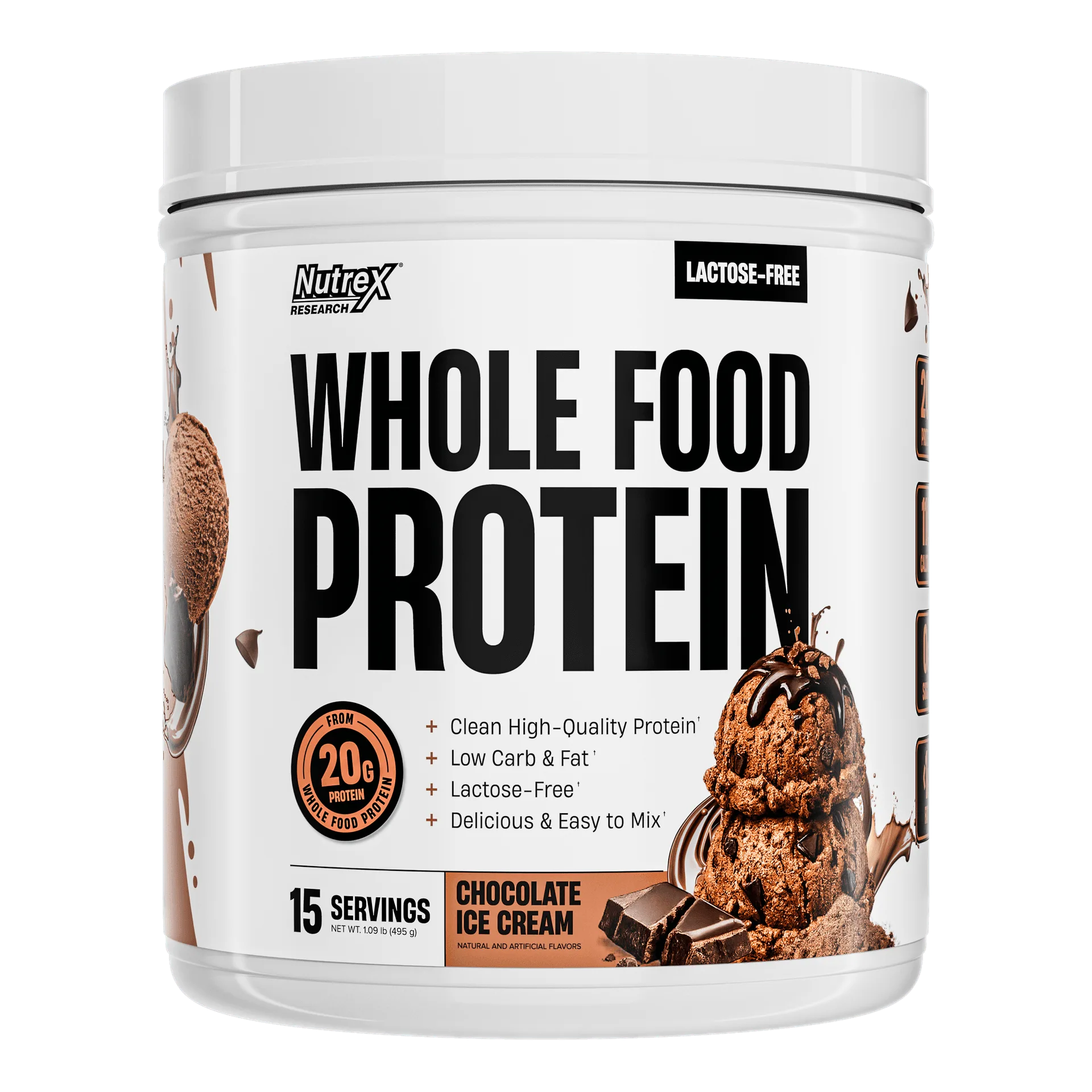
Whole Food Protein 1 lb
- Complete amino acid profile from plant sources
- Naturally lactose-free and dairy-free
- Contains additional nutrients like fiber and antioxidants
What Is Whey Protein?
Whey protein is a complete protein derived from milk. It's a popular choice among athletes because of its rapid absorption and high concentration of branched-chain amino acids (BCAAs), which are crucial for muscle recovery and growth. Whey protein comes in various forms, including concentrate, isolate, and hydrolysate, each differing in processing and purity.
Nutrex's 100% Whey is a high-quality whey protein that provides a fast-digesting source of protein. It's ideal for post-workout consumption when your body needs nutrients quickly. Whey protein is also versatile, blending easily with water or milk, and often comes in a variety of flavors. However, it's not suitable for those with dairy allergies or lactose intolerance.
- Fast absorption and high BCAA content
- Convenient for post-workout recovery
- May cause digestive issues for lactose-intolerant individuals
Key Differences: Whole Food Protein vs Whey
The primary difference lies in the source and processing. Whole food protein is plant-based, while whey is animal-based. This affects not only nutritional content but also how your body digests and utilizes the protein. Whey is digested quickly, causing a rapid spike in amino acids, which is beneficial immediately after exercise. Whole food protein digests slower, providing a sustained release of amino acids, which can be advantageous for meal replacement or between meals.
Another difference is the presence of additional nutrients. Whole food proteins often contain fiber, vitamins, and minerals from the source plants. Whey protein, on the other hand, is more refined and typically lacks these extras. For those with dietary restrictions, whole food protein is naturally dairy-free and lactose-free, making it a safer choice for many.
When it comes to taste and mixability, whey protein tends to have a smoother texture and mixes more easily. Whole food proteins can be grittier and may have a stronger earthy flavor. However, many modern formulations have improved taste and texture significantly.
- Digestion rate: whey is fast, whole food is slow
- Nutrient profile: whole food has more fiber and micronutrients
- Dietary compatibility: whole food is dairy-free, whey is not
Which One Should You Choose?
Your choice between whole food protein and whey depends on your goals, preferences, and any dietary restrictions. If you're looking for a quick post-workout shake to kickstart muscle recovery, whey protein like 100% Whey is an excellent option. Its rapid absorption ensures your muscles get the amino acids they need promptly.
On the other hand, if you prefer a more natural, plant-based protein that also provides fiber and other nutrients, whole food protein is the way to go. It's also a great choice for those with lactose intolerance or who follow a vegan diet. Products like Whole Food Protein 1 lb are perfect for these situations.
Some people choose to use both: whey for post-workout and whole food protein for meal replacement or general supplementation. This approach allows you to get the benefits of both types. Ultimately, the best protein powder is the one that fits your lifestyle and helps you meet your protein goals consistently.
- Choose whey for fast post-workout recovery
- Choose whole food for a natural, dairy-free option
- Consider combining both for maximum versatility
In the debate of whole food protein vs whey, there is no one-size-fits-all answer. Both offer unique benefits, and the right choice depends on your individual needs and preferences. Whether you opt for the fast-acting power of whey or the natural, nutrient-rich profile of whole food protein, incorporating a quality protein powder into your routine can significantly support your fitness journey. Explore Nutrex's range of protein options to find the perfect match for you.