Quick answer
Buy a whole grain spelt flour 6-pack only if you bake at least once a week, because whole grain spelt keeps its sweet, nutty flavor for roughly 2–3 months in the pantry and about 6 months in the freezer. If you bake less often, a smaller bag or a different flour is the smarter buy. For most home bakers, a 6-pack works best when you split it with a friend or freeze what you will not use within a month.
A spelt flour 6-pack looks like an easy way to save money, but the real question is whether you can use whole grain spelt before it goes stale. Whole grain flours contain the bran and germ, so they turn rancid faster than white flour. That single fact should drive your decision more than the price per bag.
This guide walks through what to check on a bulk spelt flour listing, how to compare pack sizes honestly, and how to store a flour multipack so the last bag tastes as good as the first. It also covers which bakers should skip the 6-pack entirely.
Why whole grain spelt behaves differently from white flour
Whole grain spelt flour includes the entire grain, which means the germ and bran are still in the bag. Those parts carry oils that oxidize over time, so the flour loses its fresh, slightly sweet flavor and can turn bitter. White flour can sit in a pantry for a year; whole grain spelt is closer to 2–3 months at room temperature.
Spelt also has a more fragile gluten structure than modern wheat. It stretches easily and tears if you overmix, so it works best in recipes that tolerate a softer crumb, such as muffins, pancakes, quick breads, and blended loaves. If you plan to bake mostly high-rising sandwich bread, a 6-pack of spelt may sit unused.
- Check the milling date or best-by date before buying any whole grain flour.
- Plan to use whole grain spelt within 2–3 months of opening, or freeze it.
How to judge a spelt flour pack before you buy
A good bulk spelt flour listing tells you the mill date, the grain origin, and whether the flour is stone-ground or roller-milled. Stone-ground flour tends to have a coarser texture and a fuller flavor, while roller-milled is finer and more uniform. Neither is automatically better; it depends on whether you want rustic crumb or predictable results.
Packaging matters just as much. Paper bags breathe and let in moisture, which shortens shelf life. Multi-wall paper with a plastic liner, or a sealed plastic bag inside a box, holds up better for a 6-pack you will open over several months. If the listing does not say how the flour is packaged, treat that as a real limitation and ask before ordering.
- Look for a mill date, not just a best-by date.
- Prefer packaging with a moisture barrier for long storage.
- Ask about grain origin if it is not stated; it affects flavor and price.
Comparing 6-packs, 2-packs, and single bags
The math on a flour multipack is simple: divide the total price by the number of pounds. A 6-pack usually wins on cost per pound, but only if you actually use all six bags. If two bags go stale, you have erased the savings. Run that calculation honestly before you commit.
Shipping also changes the value. Flour is heavy, so a 6-pack can cost more to ship than a smaller order. If free shipping kicks in at a certain order size, a 6-pack may make sense even for a moderate baker who splits it with a neighbor. If shipping is charged by weight, a 2-pack or 3-pack is often the better deal.
- Calculate cost per pound, not cost per pack.
- Factor in shipping weight before deciding a 6-pack is cheaper.
- Split a 6-pack with another baker if you bake less than weekly.
Storage rules that keep a spelt flour pack fresh
Store whole grain spelt in an airtight container away from heat and light. A glass jar or a food-grade bucket with a gasket works well. Keep it out of the cabinet above the oven, where temperature swings speed up rancidity. If you bake weekly, a pantry container is fine for the bag you are using now.
For the rest of the 6-pack, freeze it. Whole grain flour freezes well and thaws without much change in performance. Double-bag each portion or vacuum-seal it, label the date, and pull out one bag at a time. Let frozen flour come to room temperature before baking so it does not chill your dough.
- Freeze unopened bags for up to about 6 months.
- Label every bag with the date you froze it.
- Bring flour to room temperature before mixing.
How to bake with spelt without wasting it
Start by replacing 25–50% of the white flour in a recipe you already know. Spelt absorbs water differently, so add liquid slowly and let the dough rest 15–20 minutes before judging texture. That rest lets the bran hydrate and makes the dough easier to handle.
If you want to use spelt in a dessert format, pair it with recipes that already have moisture and richness. A fruit tart or a jam-filled pastry balances spelt's nutty flavor well, and the same goes for a simple coffee-time pastry. Whole grain spelt also works in granola and pancake batters, where a slightly denser texture is expected.
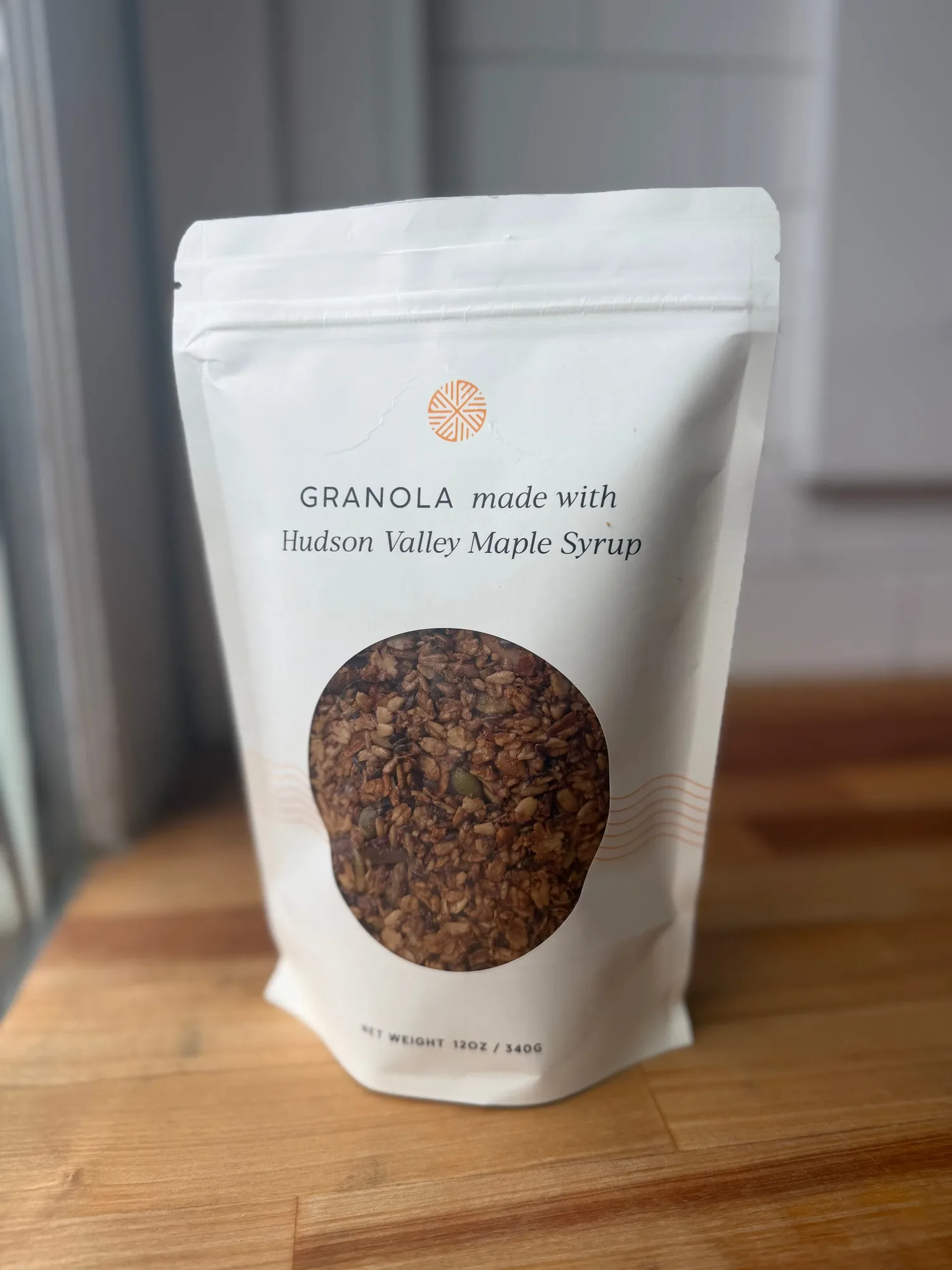
granola
- Swap 25–50% of white flour first, then adjust.
- Rest the dough 15–20 minutes before shaping.
- Use spelt in muffins, pancakes, quick breads, and blended loaves.
Decision rules for buying a spelt flour 6-pack
- Bake frequency test: Buy the 6-pack only if you bake at least once a week and will use whole grain spelt in most of those bakes. If you bake twice a month, choose a smaller pack.
- Freezer space check: Confirm you can freeze at least four of the six bags in airtight portions before you order. No freezer space means no 6-pack.
- Cost per pound math: Divide total price by total pounds and compare against a 2-pack or single bag, including shipping. A 6-pack only wins if the per-pound price is clearly lower.
- Recipe fit: Match spelt to muffins, pancakes, quick breads, tarts, and blended loaves rather than high-rising sandwich bread. If your weekly bake is sandwich bread, buy bread flour instead.
- Freshness evidence: Look for a mill date and moisture-barrier packaging on the listing before you buy. No date and no packaging detail is a reason to ask questions first.
Products that pair well with a spelt flour order
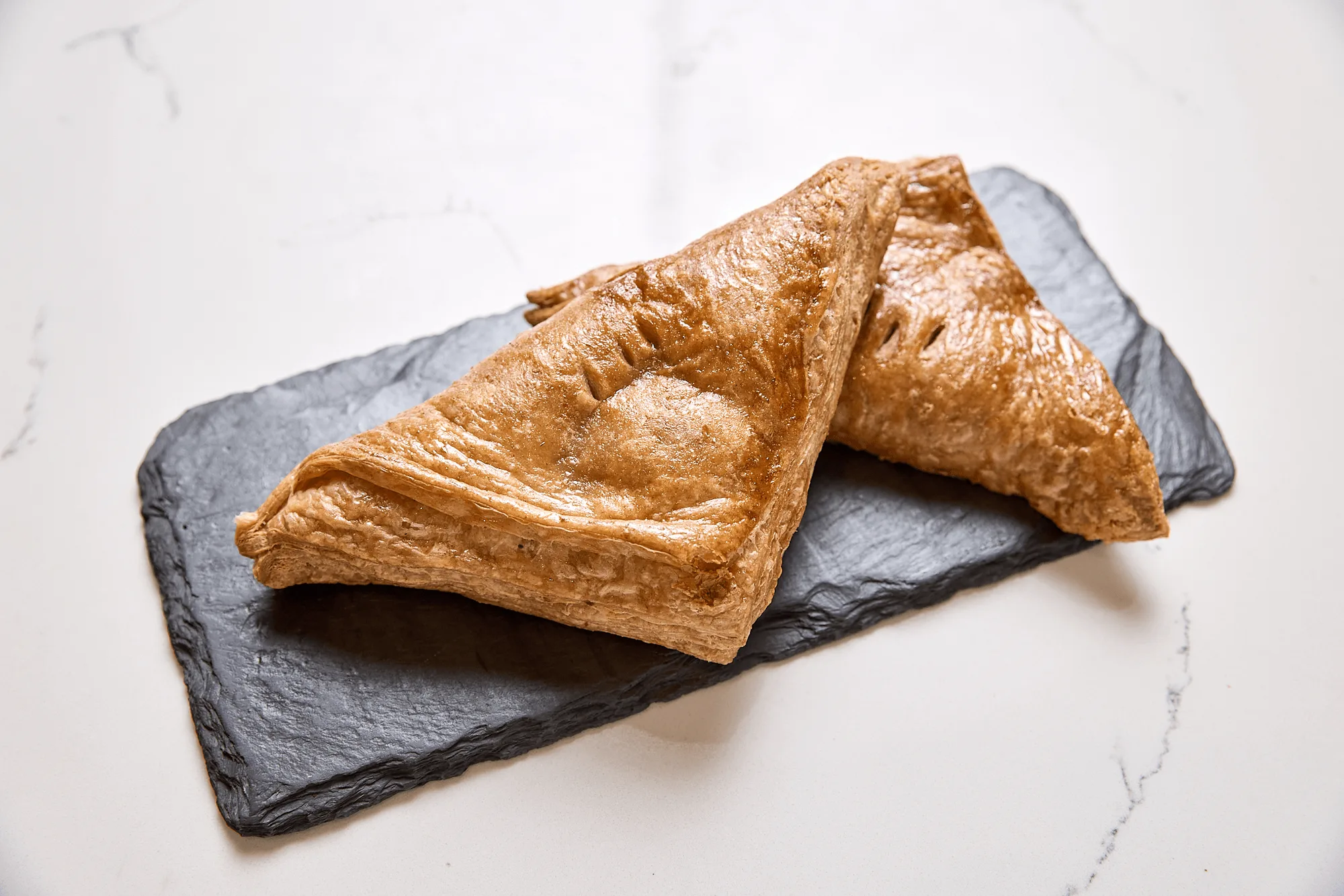
- Apple Turnover: The Apple Turnover from Kneads is a bakery-case pastry in the Pastries & Scones category, offered under the KNEADS brand, and tagged for Mother's Day and pastries. If you are testing whether you enjoy baking with whole grain flour, a ready-made pastry gives you a flavor reference point before you commit to a 6-pack.
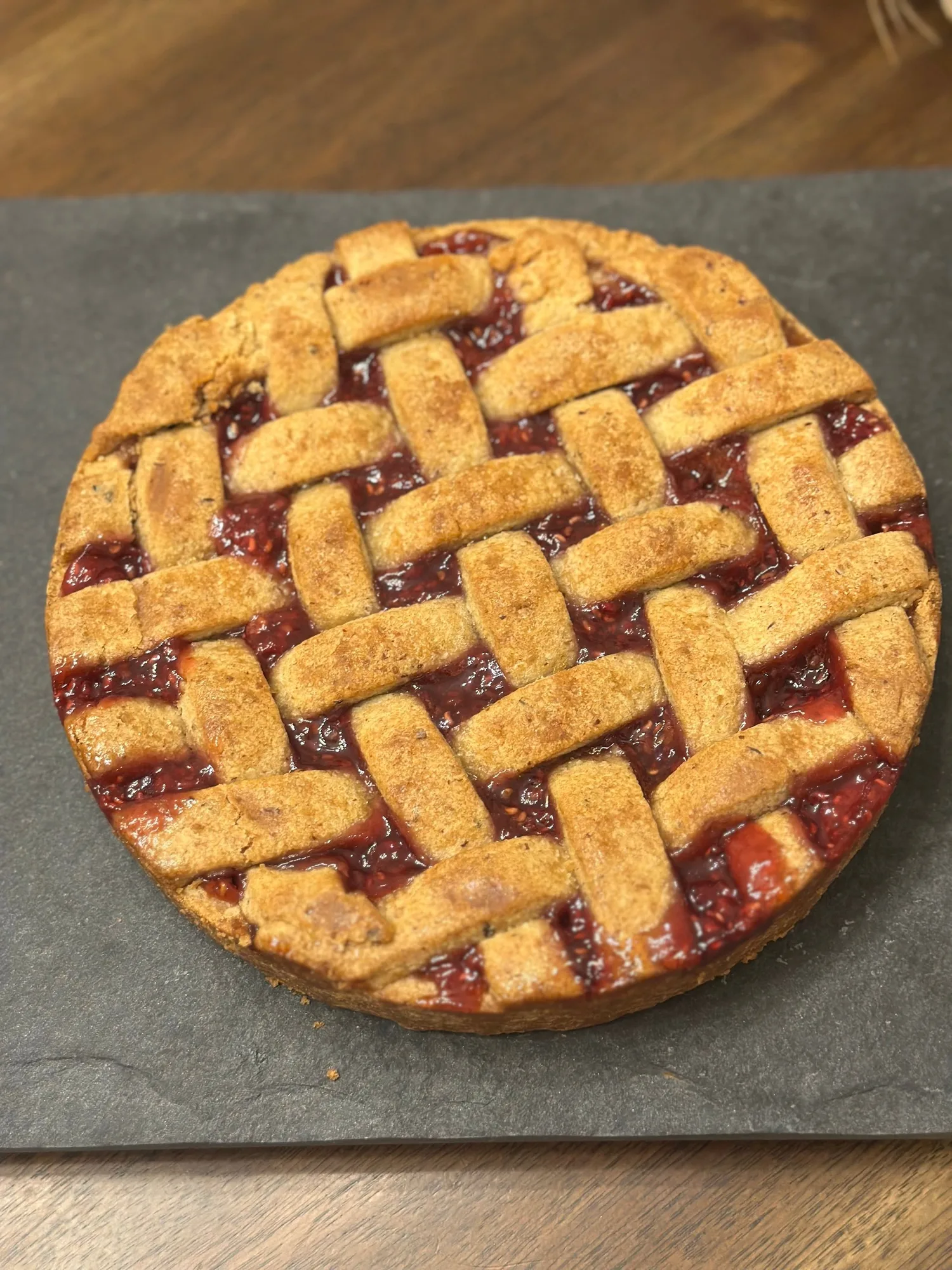
- Raspberry Linzer Tart: The Raspberry Linzer Tart is a classic-style dessert featuring almond and hazelnut shortcrust with raspberry jam, listed among Christmas Desserts and Pies. Its nut-and-jam profile shows how whole grain flours like spelt can work in tarts, which is a practical way to use up a bulk bag.
- Retail Granola 12 pk: Retail Granola 12 pk from Kneads is offered as a retail granola package, presented for wholesale buyers and part of the commissary retail range. Granola is a low-risk way to use whole grain flour and oats together, so a bulk flour purchase makes more sense if you already bake or buy granola regularly.
Who should buy a whole grain spelt flour 6-pack
Best for
- Home bakers who bake at least weekly and will use spelt in muffins, pancakes, quick breads, or blended loaves
- Bakers with freezer space who can store four or more bags for up to six months
- Two households or friends splitting a flour multipack to lower the cost per pound
Not for
- Occasional bakers who bake once or twice a month and cannot freeze the extra bags
- Bakers who mainly make high-rising sandwich bread and need a stronger wheat flour
- Anyone without a mill date or packaging detail who cannot confirm freshness before ordering
A whole grain spelt flour 6-pack is a good buy when your baking routine and freezer space can keep up with it, and a poor buy when they cannot. Check the mill date, do the cost-per-pound math, and plan to freeze what you will not use within a month. If that sounds like your kitchen, the 6-pack saves money; if not, a smaller bag is the better call.