Quick answer
If your acrylic charm has turned yellow, the discoloration is almost always inside the plastic, not on it, so cleaning will not reverse it. Clean the surface gently to remove dirt and haze, then move the charm out of sunlight and heat to stop it getting worse. If the yellowing is already deep or uneven, replace the charm instead of trying stronger chemicals.
Yellow, cloudy, or scratched: match the symptom before you treat it
These three problems look similar in a photo but need different responses. Yellowing is a color shift across the whole piece, often starting at the edges or around the printed artwork. Cloudiness looks like a milky film and is usually surface-level. Scratches are fine lines that catch light at an angle. Only cloudiness and light surface dirt respond well to cleaning; yellowing and deep scratches do not.
Test this before you buy anything: hold the charm under a lamp and tilt it. If the haze moves with the reflection, it is surface-level. If the color looks dull no matter how you angle it, the change is in the material itself.
- Yellow across the whole charm: material-level change, cleaning will not fix it.
- Milky film that shifts with the light: surface residue, cleanable.
- Fine lines at an angle: scratches, not removable at home.
What actually causes acrylic charm yellowing
Acrylic is a plastic, and plastics degrade. Two things speed that up: ultraviolet light and heat. A charm hanging on a bag strap in direct summer sun, or displayed on a windowsill, collects UV daily. Over months, that exposure breaks down the plastic and the color shifts toward yellow. Heat does similar damage and can also soften the material enough to warp it.
The second cause is the printing layer. Many charms are double-layered, with artwork printed on one sheet and a clear acrylic layer bonded over it. If the adhesive or the print layer ages, the charm can look yellow or brown even when the acrylic itself is fine. This is why two charms bought at the same time can age differently depending on where they were kept.
A third factor is contact. Oils from your hands, sunscreen, lotion, and hair products sit on the surface and oxidize. That residue can look yellow and is sometimes mistaken for plastic yellowing, which is why a careful clean is worth trying before you give up on a piece.
How to clean acrylic charms without making it worse
Use a microfiber cloth and lukewarm water with a drop of mild dish soap. Wipe in one direction rather than scrubbing in circles, because circular rubbing picks up grit and drags it across the surface. Rinse with clean water and pat dry, then let it air dry completely before putting it back on a bag.
Skip alcohol, acetone, nail polish remover, and glass cleaner. These can cloud acrylic, dissolve the print layer, or leave a permanent haze. If plain soap and water does not remove the film, a plastic-safe screen cleaner applied to the cloth, never directly on the charm, is the next step. If that still does not work, stop. More scrubbing only adds scratches.
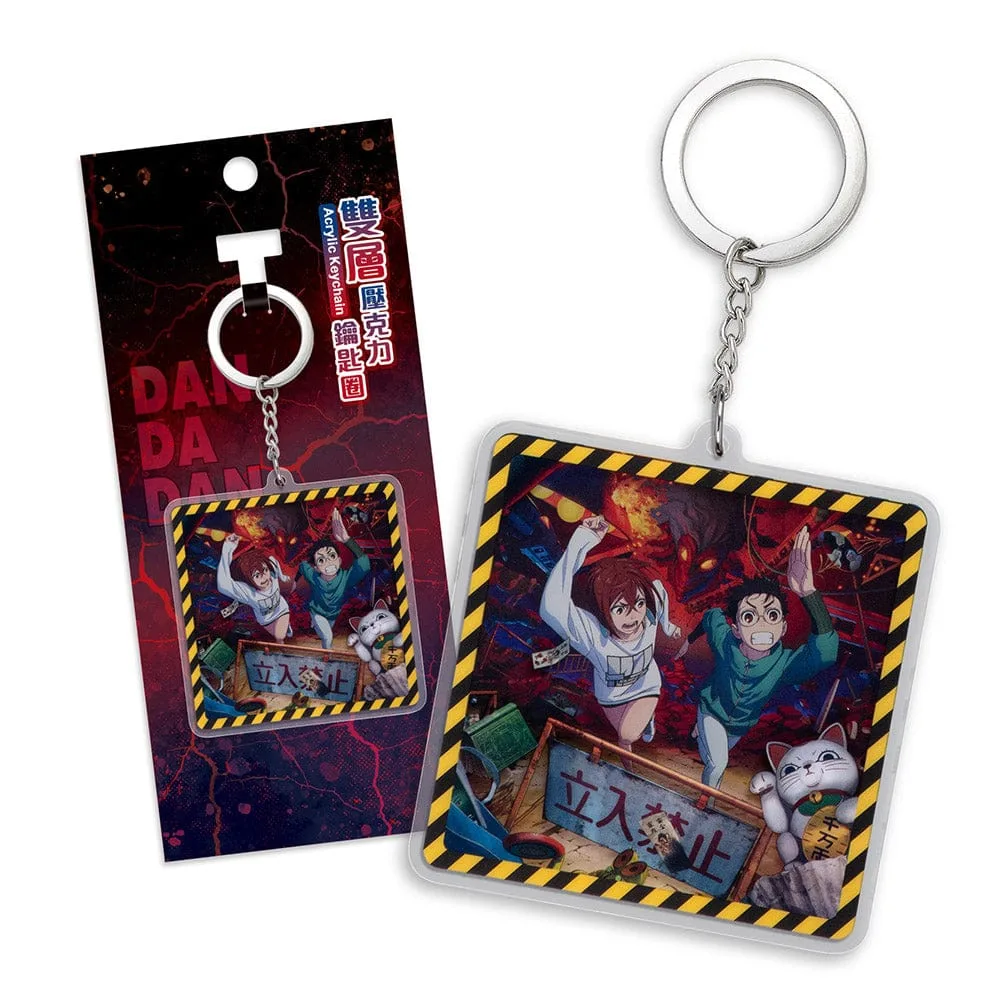
For a double-layered charm like the DANDADAN Acrylic Keychain - Ekarun & Ayase Momo, keep water out of the seam between the layers. Soaking can let moisture wick in and create a cloudy edge that will not dry out.
- Do: microfiber cloth, lukewarm water, one drop of mild soap.
- Do not: alcohol, acetone, glass cleaner, abrasive pads, or soaking.
- Dry fully before reattaching to a bag or strap.
Storage and display habits that prevent acrylic keychain yellowing
The single biggest change is light. Store charms in a drawer, a closed binder page, or a display case with UV-filtering glass. If you keep them on a shelf, rotate pieces so no single charm sits in a bright spot for months. A charm on a bag is fine for daily use, but bring it inside rather than leaving it in a hot car or on a sunny windowsill.
Heat matters as much as light. Do not store acrylic in an attic, garage, or car during summer. Keep charms away from hair dryers, radiators, and direct lamp bulbs, since sustained warmth warps the plastic and speeds discoloration.
For long-term storage, use a soft pouch or a binder page with individual pockets. Avoid stacking heavy items on top, and keep charms away from PVC plastic, which can release plasticizer over time and cause a sticky surface. If you display acrylic stands nearby, the same rules apply, so treat your whole acrylic shelf the same way.
- Store in the dark or behind UV-filtering glass.
- Keep away from heat, cars, and direct lamp light.
- Use individual pockets rather than a loose pile.
When to stop cleaning and replace instead
If the charm is yellow in the plastic itself, no home method will bring it back. Polishing compounds and scratch removers can make things worse by thinning the surface layer and dulling the print. Once yellowing is visible across the piece, the practical move is to replace it and apply the storage habits above to the new one.
The same applies to deep scratches and to any charm where the print layer has lifted or bubbled. Those are structural failures, not dirt. Replacing a charm is usually cheaper than the time and materials you would spend on a fix that will not hold.
If you are replacing a well-loved piece, check current stock early. Popular charms and limited-run items sell out, and a replacement you can actually display beats a damaged one you keep in a drawer.
Diagnosis: match your charm to the right fix
- Uniform yellow tint across the whole charm: The acrylic or the print layer has degraded from UV light or heat. Cleaning will not reverse it. Replace the charm and store the new one out of direct sun and heat.
- Milky or cloudy film that shifts with the light: Surface residue from skin oils, sunscreen, or dust. Clean with a microfiber cloth, lukewarm water, and one drop of mild soap. If the film lifts, the charm is fine. If it does not, stop cleaning and reassess.
- Yellow or brown only along the edge of a double-layered charm: Moisture or adhesive aging between the layers. Water got into the seam, or the bonding layer is breaking down. Do not soak it further. This is a structural issue and is not fixable at home.
- Fine lines that catch the light at an angle: Scratches from grit, keys, or a loose pile in a bag. Polishing thins the surface and can dull the artwork. Accept the wear or replace. Store future charms in individual pockets.
- Sticky surface with no color change: Often contact with PVC plastic or a degraded coating, not yellowing. Wash gently and move it away from PVC items. If stickiness returns after cleaning, replace the charm.
Product facts that matter for care
- DANDADAN Acrylic Keychain - Ekarun & Ayase Momo: Officially licensed DAN DA DAN acrylic keychain featuring Ekarun and Ayase Momo, made from durable acrylic, double-layered, and measuring approximately W 6.5 cm x H 7 cm x D 0.5 cm. The double-layer construction is the reason you should avoid soaking it and keep water away from the seam, since moisture trapped between layers can look like permanent cloudiness.
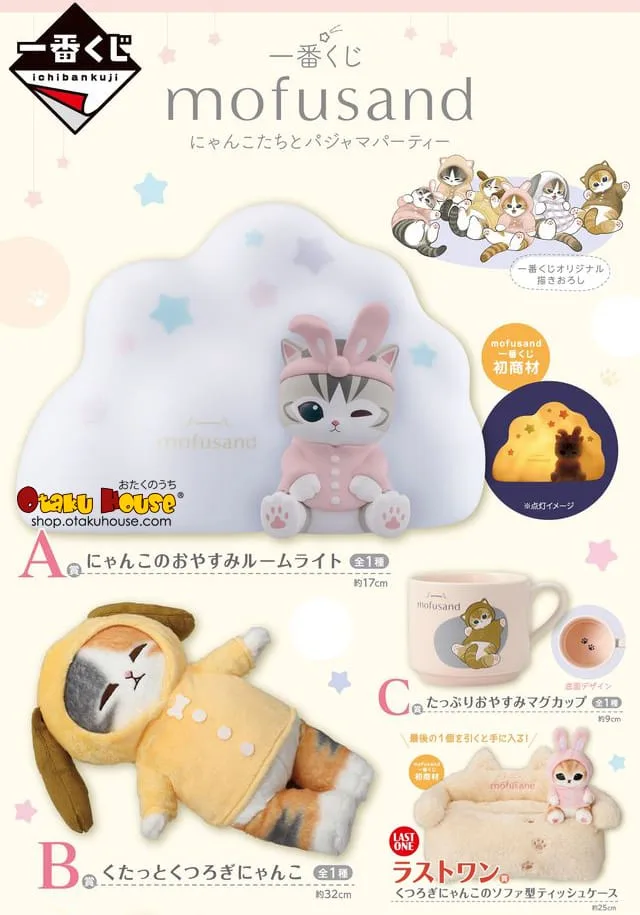
- Ichiban Kuji - Mofusand - Pajama Party With The Cats: Ichiban Kuji - Mofusand - Pajama Party With The Cats has 70 items to be won, with prizes including a Kitty's Sleeping Room Light and a Relaxed kitty Plush, and a video streaming of the drawing after purchase. Prize items like plush and lights are not acrylic, so they need different storage than your charms. Keep acrylic pieces separate from plush to avoid pressure marks and lint.
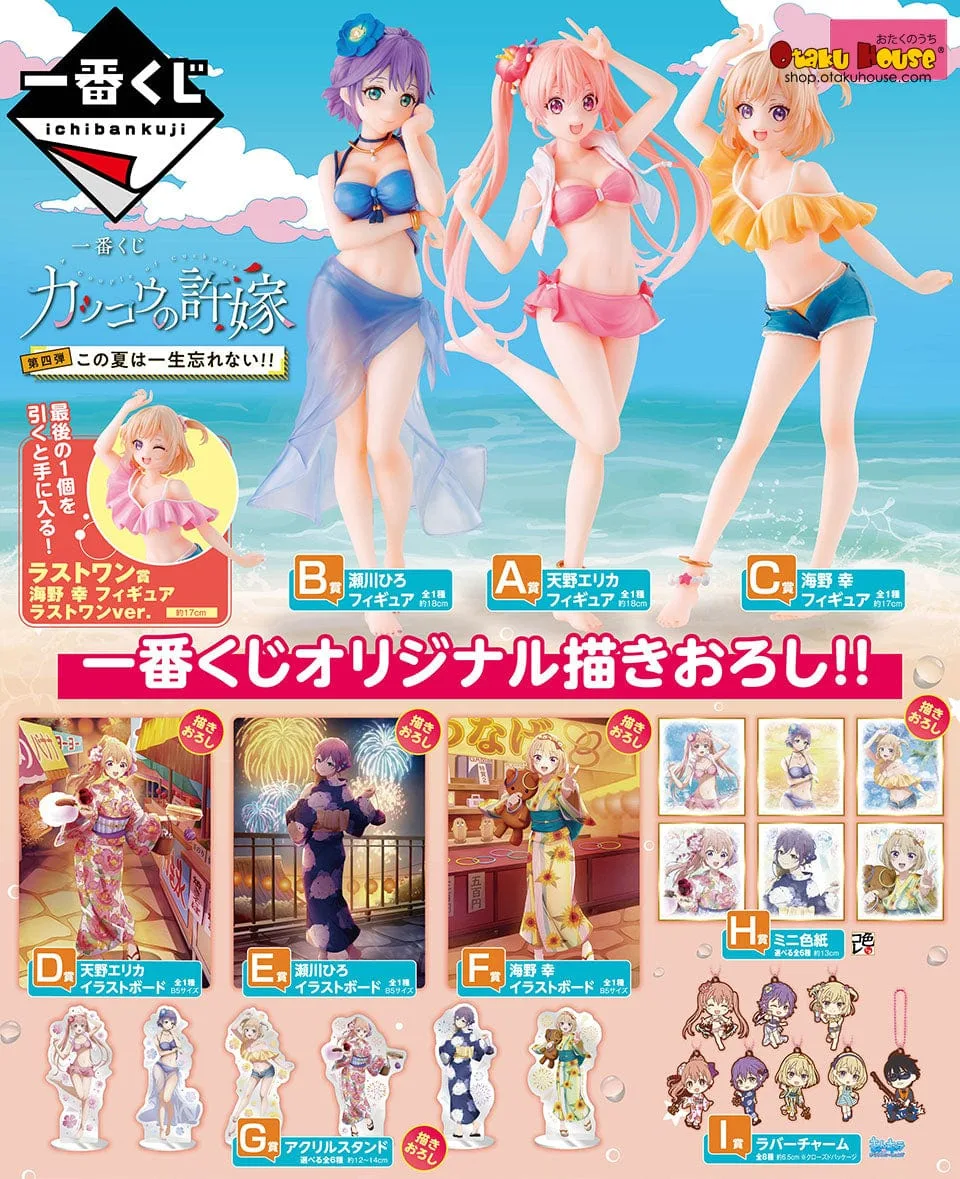
- Ichiban Kuji - A Couple Of Cuckoos The Fourth - I'll Never Forget This Summer!!: Ichiban Kuji - A Couple Of Cuckoos The Fourth - I'll Never Forget This Summer!! has 81 items to be collected, including figures, visual art boards, and acrylic stands, with a video streaming of the drawing after purchase. Visual art boards and acrylic stands share the same UV and heat sensitivity as charms, so store and display them under the same low-light, low-heat conditions.