Quick answer
Most figurine paint wear comes from repeated rubbing, direct sunlight, or harsh cleaning rather than a manufacturing defect. Move the figure out of high-traffic play zones, clean it with a soft dry cloth instead of solvents, and touch up small chips with a matching acrylic paint before the bare plastic spreads. If the paint is flaking across large areas, replacement is usually the better choice.
You pull a favorite animal figure off the shelf and notice a pale patch on its flank, or a nose that used to be black is now gray. Paint loss on toy animal figures is common, but it is rarely random. The location and pattern of the wear tell you what is happening.
This guide walks through the most likely causes of figurine paint wear, the repair steps that actually hold up, and the point where a touch-up is no longer worth the effort. A few small habits will keep your collection looking sharp for years.
Find the cause before you touch the paint
Look at where the missing paint sits. Wear on the nose, paws, horns, or tail tip points to friction: figures being pushed across tables, stored loose in a bin, or handled by the same grip every time. Wear on the top surfaces and one side points to sunlight, which fades pigments over months. Wear that follows a seam or covers a whole panel suggests the paint did not bond well to that spot from the start.
Run a finger over the damaged area. If the surface feels smooth and slightly shiny, the paint has been rubbed away. If it feels tacky or lifts under a fingernail, the coating is failing and will keep flaking no matter how carefully you touch it up.
- Check the underside and feet first. Paint loss there almost always means friction from a hard surface.
- Compare a faded figure with one kept in a drawer. A clear color difference confirms light exposure.
- Sniff the figure. A strong solvent smell on a new piece can mean the paint has not fully cured yet.
Touch up small chips the right way
For a chip smaller than a pencil eraser, a touch-up is straightforward. Clean the area with a dry soft cloth, then apply a thin layer of acrylic paint in a matching color with a fine brush or a toothpick. Build the color in two or three thin coats rather than one thick blob. Let each coat dry fully before adding the next.
Match the finish, not just the color. Most animal figures use a matte or satin finish, so a glossy craft acrylic will stand out even if the shade is perfect. A matte acrylic or a thin coat of matte varnish over the dried touch-up blends it in. Do not use enamel or nail polish; they can soften the surrounding factory paint.
- Test the color on a hidden spot like the belly or the base before painting the visible chip.
- Use the smallest brush you can find. Oversized brushes create ridges that catch light.
- Wait 24 hours before handling the repaired figure, even if the paint feels dry to the touch.
Prevent paint wear with storage and handling habits
Most preventable damage happens in storage. Figures tossed into a shared box grind against each other, and the sharpest details lose paint first. Store figures upright with a small gap between them, or wrap each one in acid-free tissue. A shallow box with dividers works better than a deep bin where pieces stack.
Handling matters too. Pick figures up by the base or the body rather than a leg, tail, or horn. Those thin parts flex slightly under pressure, and flexing is what cracks paint at the edges. If children play with the figures, keep a separate set for open play and reserve detailed pieces for supervised use.
- Keep figures out of direct sun. A shelf away from windows slows fading significantly.
- Avoid hot attics and garages. Heat softens paint and makes it more likely to smear.
- Clean with a dry soft cloth or a makeup brush. Water and cleaners can lift paint at the edges.
Know when to stop repairing and replace
A touch-up makes sense when the damage is small, isolated, and on a flat or simple area. Stop and consider replacement when paint is flaking across a large section, when the figure has been repainted so many times that details have softened, or when the damage sits on a fine detail like an eye or a feather pattern that you cannot match by hand.
There is also a safety angle. If a figure is going to a young child and the paint is peeling in sheets, replacement is the safer choice, since loose flakes can end up in mouths. For display-only pieces, a visible repair is often acceptable and preserves a favorite model.
- Replace if more than a quarter of the figure's surface has lost paint.
- Replace if the damaged area is a detailed feature you cannot reproduce cleanly.
- Replace if the figure is headed to a child under three and paint is flaking.
Diagnosis: match the symptom to the fix
- Smooth, shiny patch on nose, paws, or tail: Friction wear from handling or sliding on hard surfaces. Clean the area and apply a thin matte acrylic touch-up in the matching color. Repair is worthwhile if the patch is smaller than a pencil eraser.
- Faded color across the top and one side: Ultraviolet light exposure. Move the figure away from windows and rotate display pieces periodically. Touch-up will not fix widespread fading. If the whole figure has shifted color, replacement is more practical than repainting.
- Tacky surface or paint that lifts under a fingernail: The coating has not cured or is failing. Do not paint over it; the new layer will lift too. Isolate the figure and let it dry in a cool, ventilated spot. If it stays tacky after a week, treat the figure as a display-only piece.
- Flaking across a large panel or seam: Poor adhesion or long-term heat damage. Sanding and repainting a large area rarely matches the factory finish. Stop here and replace the figure rather than chasing the damage.
Figure details that affect paint care
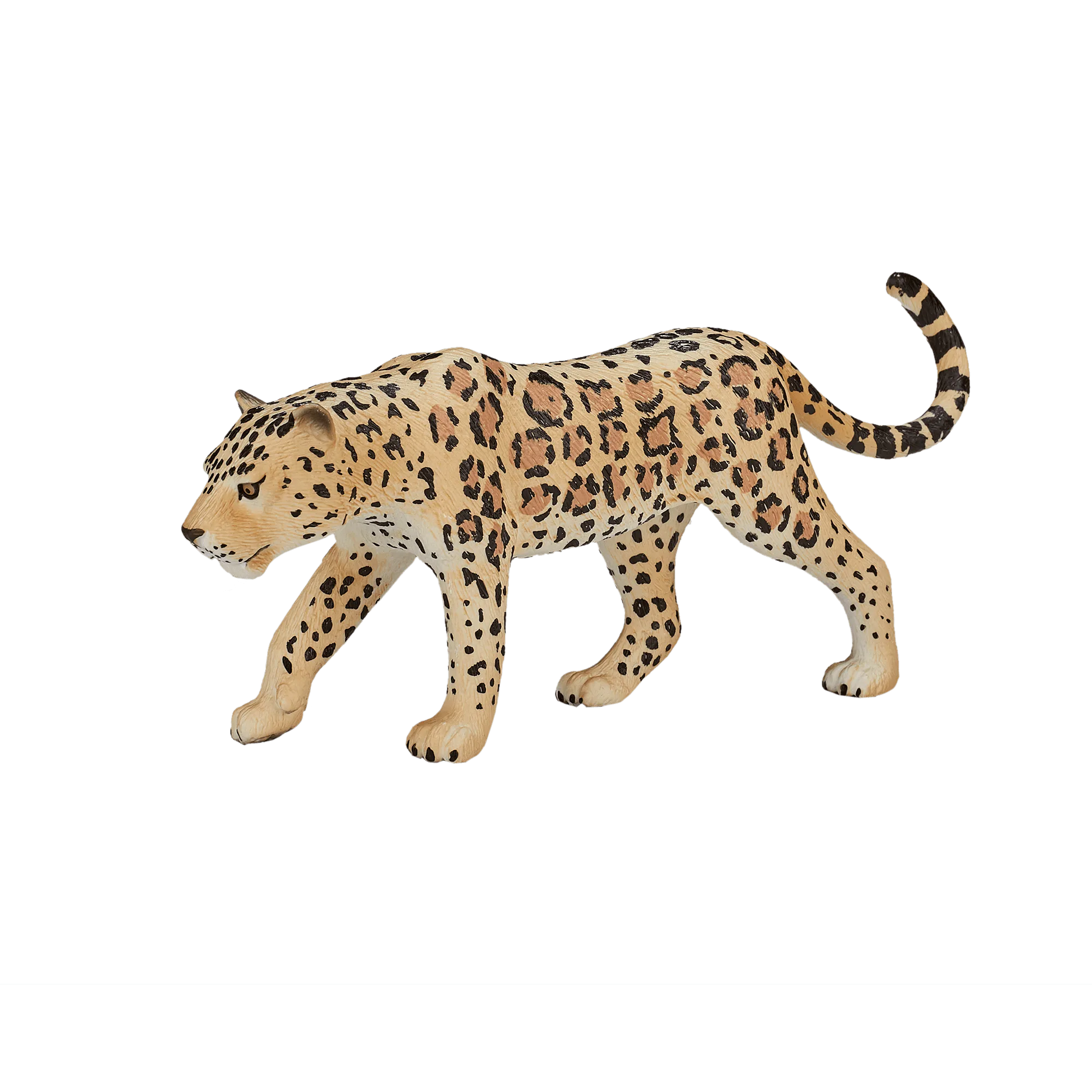
- Leopard: The Leopard is a medium-sized wildcat found across sub-Saharan Africa and southern Asia, and it spends a great deal of time high in tree branches. A climbing pose often means thin legs and a raised tail, which are the first spots to lose paint when figures are handled by those narrow parts.
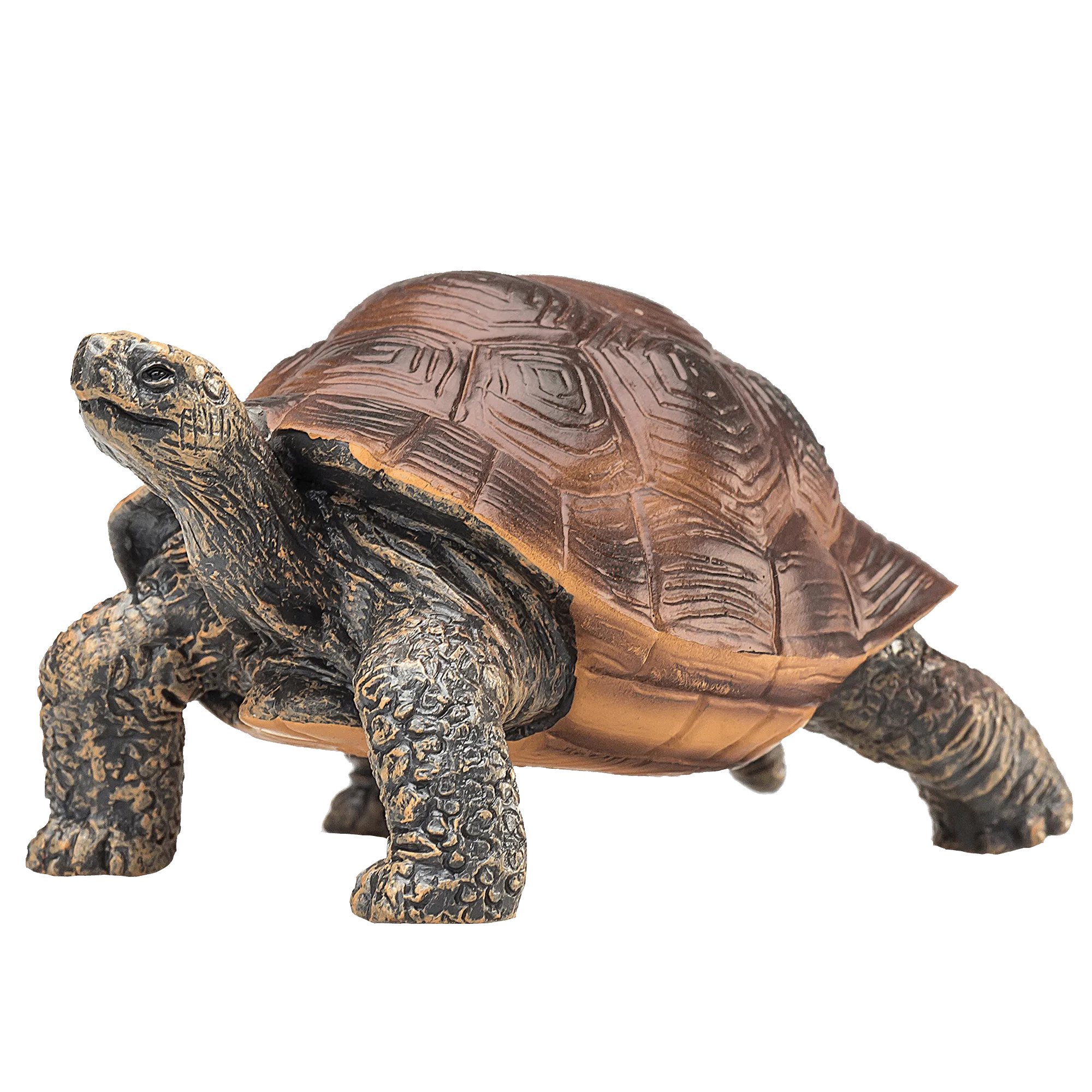
- Giant Tortoise: Giant tortoises can weigh as much as 417 kg and grow to be 1.3 m long. Heavy, wide-bodied figures sit flat and stable, so they tend to wear on the base and shell edges rather than on thin limbs.
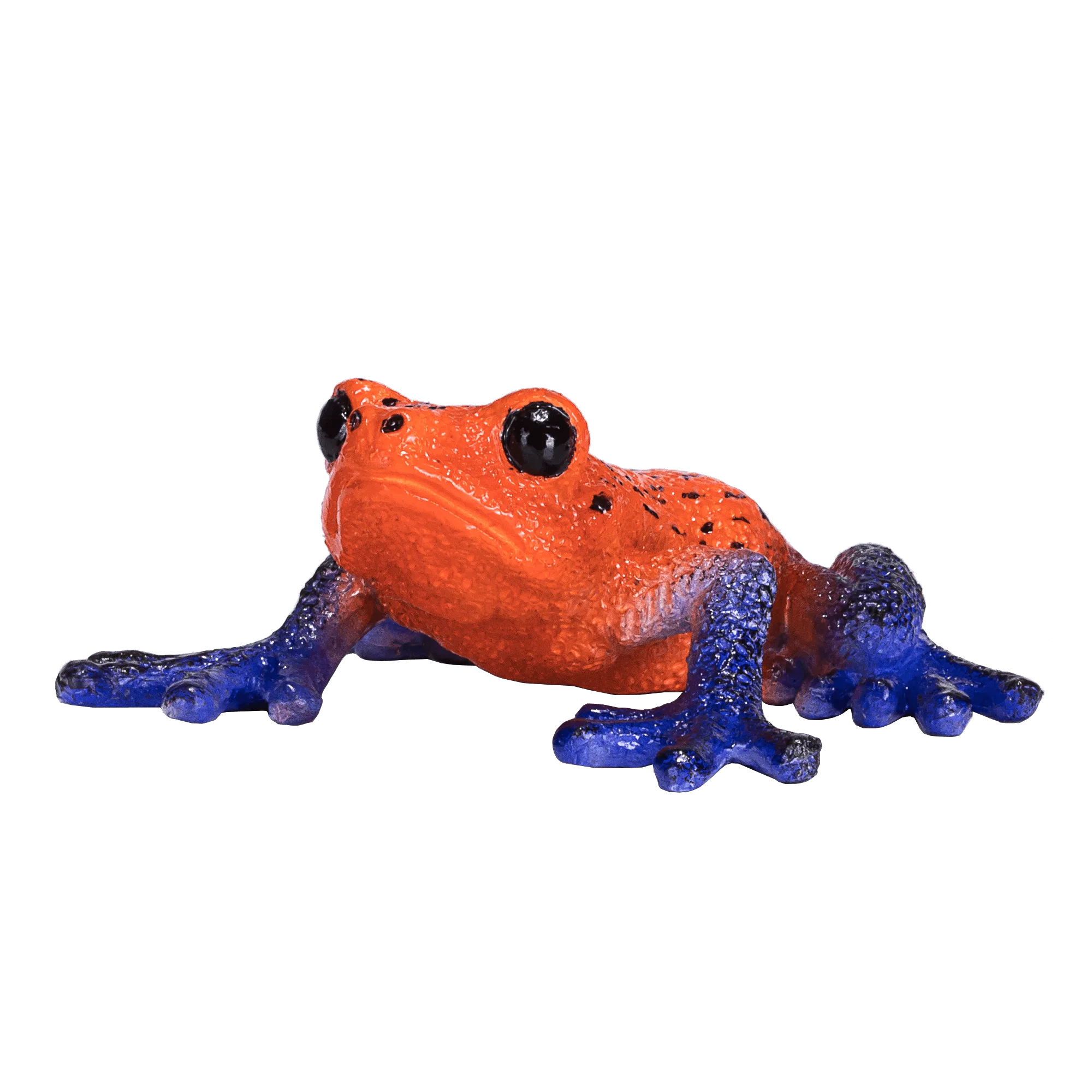
- Poison Dart Tree Frog: Poison dart frogs raised in captivity and isolated from insects in their native habitat never develop poison. Bright warning colors are the whole point of this figure, so fading from sunlight is more noticeable here than on muted models.
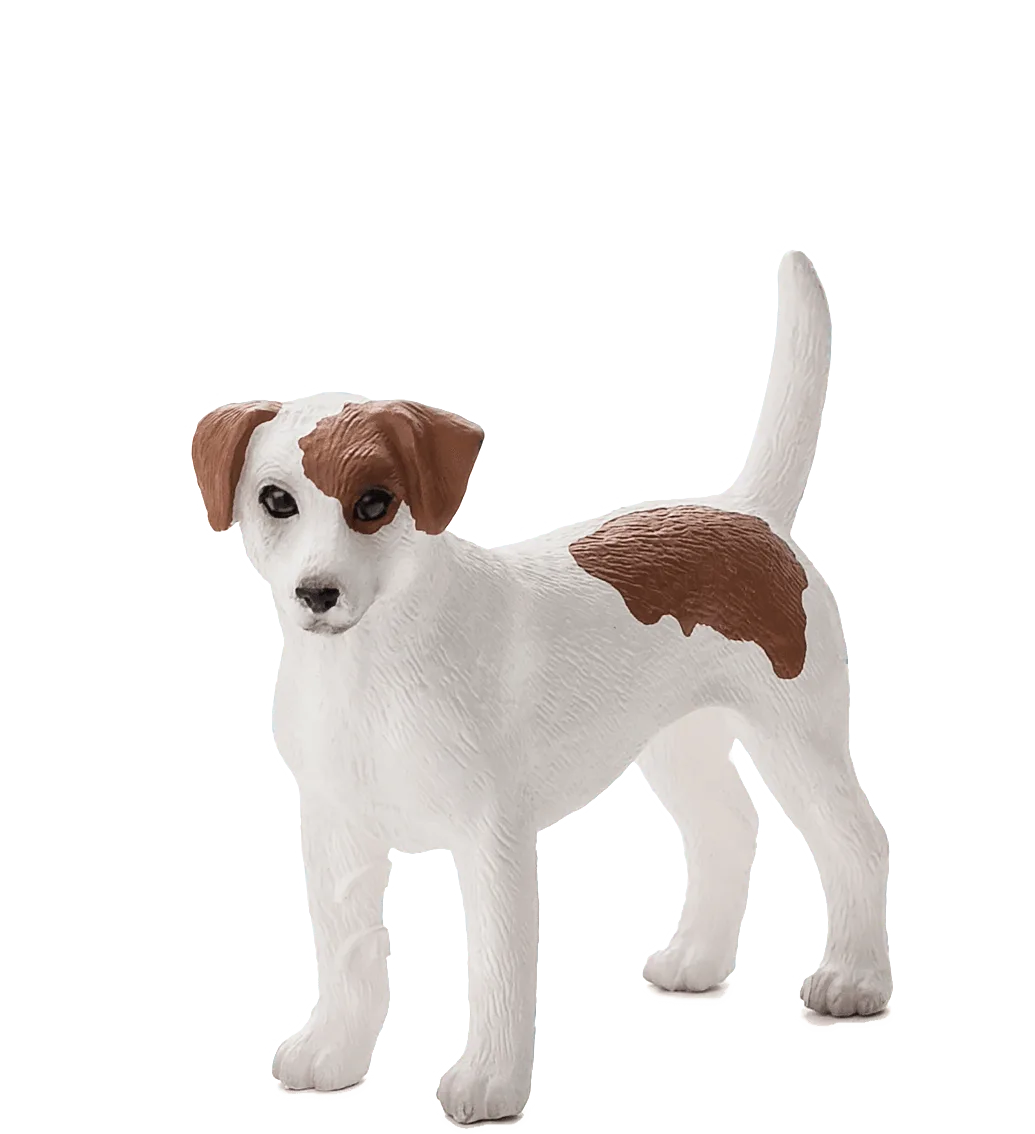
- Jack Russel Terrier: Bred in England some 200 years ago to hunt foxes, the Jack Russell Terrier is a lively, independent, and clever little dog that is a handful to manage and best for experienced dog owners. High-energy breeds are often the figures kids grab most, so this is a good candidate for a dedicated play copy and a display copy.
Paint wear is usually a storage and handling problem, not a flaw in the figure. Catch small chips early, touch them up with thin matte acrylic, and store pieces so they are not grinding against each other. When the damage is widespread or sits on fine detail, replace the figure and put the saved effort into better habits for the next one.