Quick answer
Most anime figure leaning comes from heat, an unstable base, or a pose that puts constant stress on one ankle or peg. Start by moving the figure to a cooler, level spot and checking whether the base sits flat; if the lean persists, add discreet support under the foot or base rather than bending the PVC back. Stop and choose a different display option if the peg is cracked or the figure has already deformed near a joint.
Separate the symptom from the cause
A leaning figure is not one problem. Look at where the tilt starts: if the whole base rocks, the issue is figure base stability, not the sculpt. If the base is flat but one leg angles inward, the ankle or peg is carrying load it was not designed to hold. If the torso or hair has visibly curved, heat exposure is the more likely cause. Photograph the figure from the front and side on a level surface so you can compare the lean after each change instead of guessing.
- Base rocks or lifts at one edge: check the shelf and the base underside first.
- Foot or ankle tilts while the base stays flat: suspect peg stress or a heavy pose.
- Hair, cape, or torso curves slowly over months: suspect heat and direct sun.
- Figure arrived leaning in the box: photograph it before assembly and contact the seller.
Heat, weight, and peg stress: the three usual causes
PVC softens slightly in warm rooms, and a figure that stands in direct sun or near a heater can slowly take a new shape under its own weight. Heavy hair and wide poses make this worse because the center of gravity sits far from the feet. Peg stress is the second common cause: a figure that wobbles on its peg every time you dust it is gradually widening the hole. A figure that has stood in the same spot for years can also compress the base slightly, which shows up as a lean that was not there when you unboxed it.
- Keep display shelves out of direct sun and away from heat vents.
- Support wide or hair-heavy poses from the start rather than after a lean appears.
- Seat pegs fully; a partly inserted peg concentrates stress on one edge.
- Rotate or re-check figures that share a shelf with heavier statues.
Safe corrective actions you can do at home
For a mild lean, first remove the figure from the base, clean the peg and hole, and reseat it squarely. If the base is the problem, place a thin, non-slip pad under the low side so the figure stands level; this is a scale figure support fix that costs almost nothing and does not touch the paint. For a foot that lifts slightly, a small clear acrylic or putty support under the toe or heel can share the load without being visible. Never heat a figure with a hair dryer or hot water to bend it back unless you accept the risk of paint damage and further warping; if the lean is cosmetic and the figure is stable, a support is the safer choice.
- Reseat the peg before adding any support.
- Level the base with a thin non-slip pad rather than bending the legs.
- Use a discreet clear support under a lifted foot, not force.
- Skip heat-based figure warping repair on painted or clear parts.
When to stop and choose another option
Stop if the peg is cracked, the ankle is white or stressed at the bend, or the figure no longer stands without holding it. Those are signs that a home fix can turn a lean into a break. In that case, display the figure seated or against a clear stand, or contact the seller about a damaged or defective item. If the lean appeared within the first weeks of display and the figure was bought new, check the store's policy before you modify anything, because adhesive and heat can affect your options. A figure that is already stable with a support is usually better left alone than repeatedly adjusted.
- Cracked peg or stressed ankle: stop and contact the seller.
- Lean returns within days of reseating: use permanent support, not repeated force.
- Figure is stable with a hidden support: leave it and monitor monthly.
- Pre-order or recently released item: check the seller's damage policy first.
Leaning figure diagnosis
- Base rocks on a flat shelf: The base underside is uneven or the shelf is not level. Test the base on a known-flat surface and add a thin non-slip pad under the low edge. If the base still rocks after padding, stop using that shelf spot.
- Figure tilts but the base is flat: The peg or ankle is carrying uneven load. Remove the figure, reseat the peg fully, and add a small clear support under the lifted foot. If the lean returns within a week, switch to permanent support instead of forcing the pose.
- Torso, hair, or cape has slowly curved: Heat exposure is the likely cause. Move the figure out of direct sun and away from heat sources, then monitor for a month. Do not use heat to reverse the curve; contact the seller if the figure is new.
- Peg is cracked or ankle looks stressed: This is past the point of a home leaning fix. Stop handling the figure and report it as damaged or defective. Do not glue or heat a stressed joint before checking your seller's policy.
Figures where support and display planning matter
- Genshin Impact - Hu Tao - Snowy Plum Aroma Ver. 1/7 Scale Figure: 1/7 scale figure, height 27cm, PVC and ABS, MiHOYO official product. A 27cm scale figure carries more weight than a small prize figure, so a level base and a stable shelf spot matter more from day one.
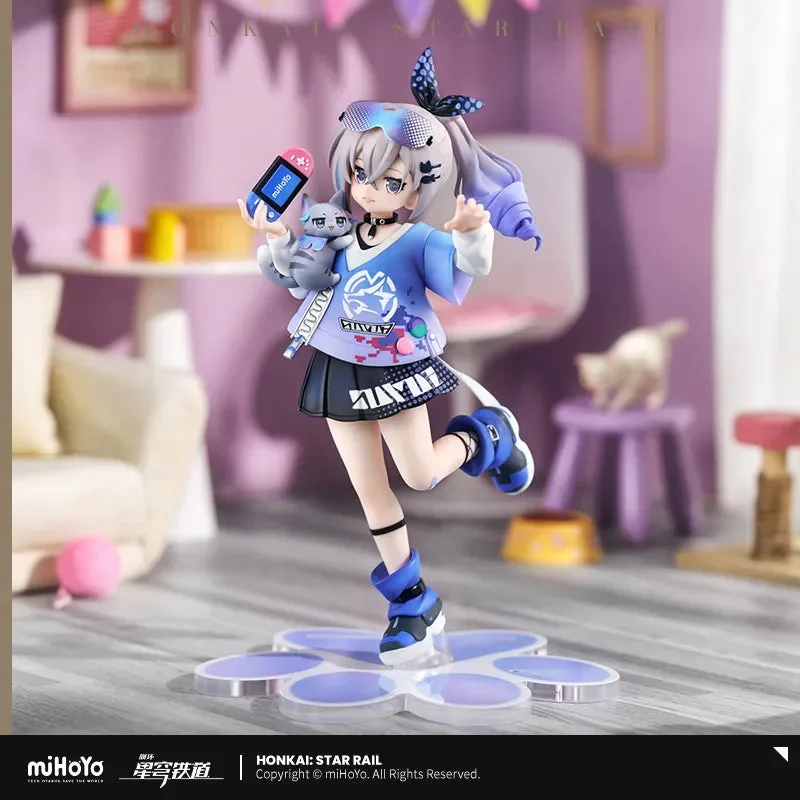
- Honkai: Star Rail - Little Cat Series Silver Wolf Figure: PVC and ABS figure, height approximately 16cm, MiHOYO official product, with a dedicated display case available. A smaller figure is easier to support with a discreet pad, and a dedicated case keeps dusting and accidental knocks from stressing the peg.
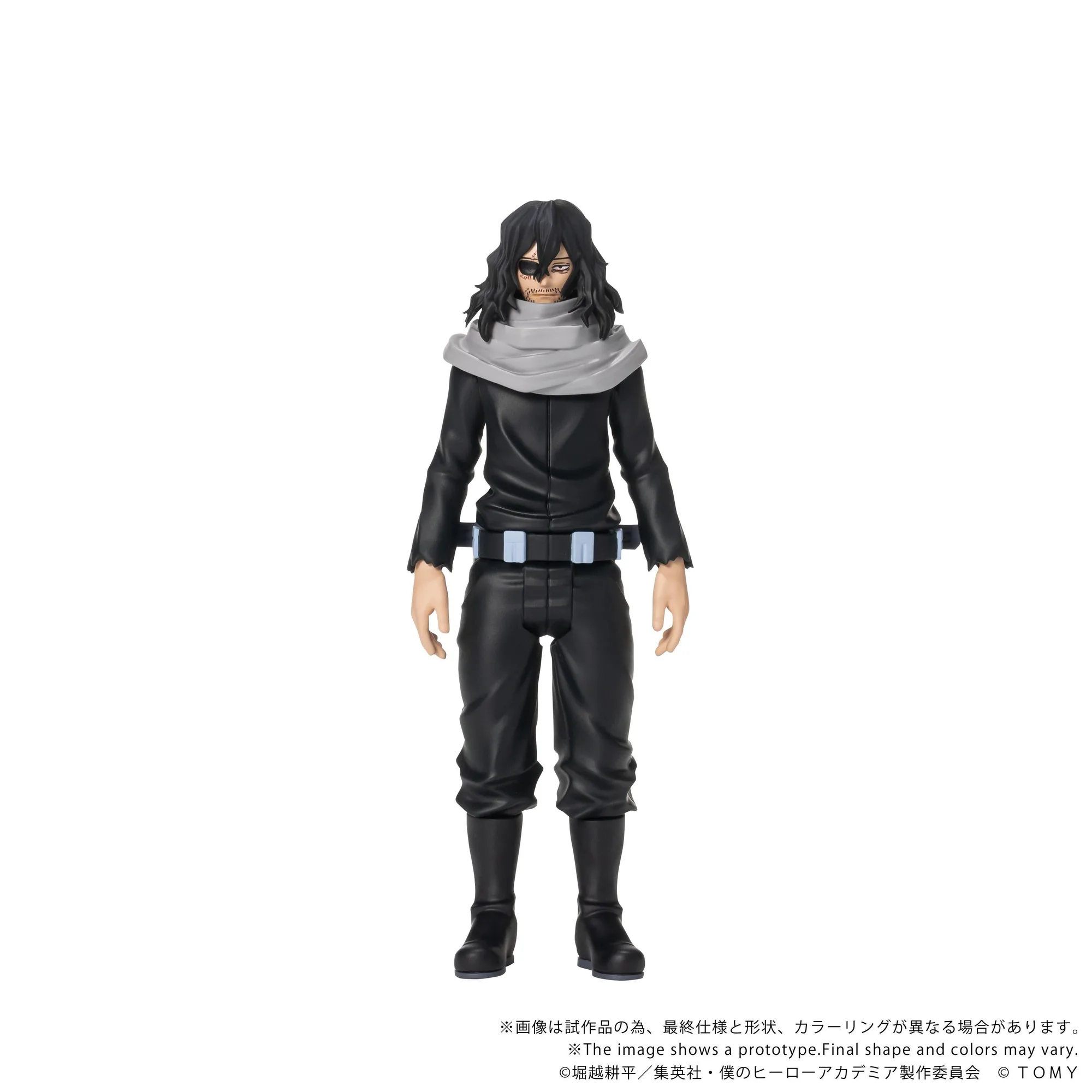
- 【Pre-order】My Hero Academia - Shota Aizawa Figure (CK-M13 COLLEKAZARO): Pre-order item with a Jul 22, 2026 order window and expected dispatch in Feb 2027; cancellation is generally not accepted after payment. Because cancellation is limited, inspect the figure as soon as it arrives and report a lean or damaged peg before you attempt any repair.