Quick answer
Anime figures usually yellow because UV light and oxygen break down the plasticizers and surface of PVC over time, not because they are dirty. If the discoloration is an even, waxy yellow across exposed surfaces, it is likely oxidation and needs a chemical fix rather than soap. If it is patchy, greasy, or only on the top side, it may be surface grime or smoke residue that a gentle wash can remove. For most collectors, the practical move is to stop further UV exposure first, then decide whether the figure is worth restoring or replacing.
Symptom check: Is it yellowing or something else?
Before you treat anything, confirm what you are looking at. Yellowing from plastic degradation tends to be even and slightly waxy, and it often shows first on lighter-colored areas such as skin tones, white trim, or pale hair. It usually appears on surfaces that have been exposed to light and air, while areas hidden by a cape, base, or another figure stay closer to the original color.
Dirt, dust, and cooking or cigarette residue can also look yellow, but they behave differently. Grime usually wipes away with a damp microfiber cloth and mild soap, and it tends to collect in crevices and on upward-facing surfaces. If a test wipe on a hidden area removes the color, you are dealing with surface soil, not plastic yellowing. If the color stays after cleaning, the plastic itself has changed.
- Even yellow across light areas: likely oxidation or UV damage.
- Patchy yellow that wipes off: likely dust, smoke, or handling residue.
- Yellow only on one side: likely light exposure from a window or lamp.
- Yellow under the base or inside a cape: less likely to be UV-related.
Why PVC figures yellow in the first place
Most anime figures are made from PVC, which contains plasticizers that keep the material soft and flexible. Over years, UV light and heat accelerate the breakdown of those plasticizers, and oxygen reacts with the surface. The result is a gradual color shift that is often described as anime figure discoloration. This is a chemical change in the plastic, not a layer of dirt sitting on top.
Sunlight is the biggest accelerator because it combines UV radiation with heat. A figure displayed on a windowsill can yellow noticeably faster than the same figure kept in a closed cabinet away from direct light. Humidity and heat alone can also contribute, which is why garages, attics, and storage units are risky long-term homes for a collection. The exact timeline depends on the plastic formulation, the amount of light, and the environment, so two identical figures stored differently can age very differently.
Corrective action: what actually works for a figure yellowing fix
For mild surface yellowing, the most common collector method is a hydrogen-peroxide treatment, often called retrobrighting. It works by applying a hydrogen peroxide solution or gel to the affected plastic and exposing it to UV light, which can reverse some surface discoloration. This is a real option for yellowed figure restoration, but it is not risk-free. Peroxide can dry out or bleach some plastics, weaken paint, and damage decals or clear parts, so test on a hidden area first and never treat a figure with painted details you cannot afford to lose.
If the yellowing is deep or the figure has significant painted detail, a safer corrective action is to accept the figure as a display piece in a dim area, or to replace it. For figures that are still in production or recently released, replacement is often cheaper and less risky than a restoration attempt. For rare or out-of-production pieces, a professional restorer may be the better route, but get a quote before committing.
One more practical note: cleaning is not the same as restoration. A gentle wash with lukewarm water and a drop of mild dish soap removes dust and oils, and it is worth doing before you assume the plastic has yellowed. But if the color remains after the figure dries, soap will not fix it.
- Wash first with lukewarm water and mild soap to rule out grime.
- Test any peroxide treatment on a hidden area and keep it away from painted faces.
- Do not use bleach, acetone, or abrasive pads, which can melt or scratch PVC.
- For valuable figures, compare the cost of restoration against replacement.
Prevent PVC figure yellowing before it starts
The most effective prevention is blocking UV light and reducing heat. Display figures in a closed cabinet with doors, away from windows and direct sun. If you use display lighting, choose LED bulbs, which emit far less UV than halogen or incandescent. Curtains, UV-filtering window film, and keeping the room at a stable, moderate temperature all slow the process.
Handling also matters. Oils from your hands can attract dust and leave residue that looks like yellowing over time, so handle figures by the base when possible and wash your hands first. For long-term storage, use acid-free tissue or a clean cotton cloth, keep figures out of hot attics and damp basements, and avoid sealing them in airtight containers that can trap moisture. A little airflow is better than a humid box.
- Use a closed cabinet and LED lighting instead of open shelves in direct sun.
- Keep figures away from windows, heaters, and humid rooms.
- Store with acid-free tissue and avoid airtight, damp containers.
- Check older figures once or twice a year for early color shifts.
When to stop and choose another option
Stop and do not treat if the figure has extensive painted detail, clear plastic parts, or a finish you cannot test safely. Stop if the yellowing is uneven and deep, because peroxide treatments work best on surface discoloration and can leave a patchy result. Stop if the figure is a rare or high-value piece where a failed restoration would cost more than the figure is worth.
In those cases, choose another option: display the figure in a dim, enclosed space where the yellowing is less visible, keep it as a historical piece, or replace it with a newer release. If you are buying a replacement, check the catalog facts and condition notes before you commit, especially for older figures that may already be aging.
Diagnosis: match the symptom to the right move
- Even yellow on light skin tones and white trim: This is the classic pattern of PVC oxidation from UV and oxygen. A hydrogen-peroxide treatment may lift surface discoloration, but test on a hidden area first and keep it off painted faces. If a test patch does not improve in one session, stop and consider replacement.
- Patchy yellow that wipes off with a damp cloth: This is usually dust, handling oil, or smoke residue rather than plastic degradation. Clean gently with lukewarm water and a drop of mild soap, then dry fully with a soft cloth. If the color returns to normal, no restoration is needed.
- Yellow only on the sun-facing side: This points to sunlight damage. Move the figure out of direct light immediately, ideally into a closed cabinet with LED lighting, and check whether the shaded side still matches the original color. Prevention from this point is more reliable than trying to even out the color.
- Deep yellowing on a rare or heavily painted figure: Aggressive treatment risks paint, decals, and clear parts. The safer options are dim display, professional restoration with a quote, or replacement with a newer release. Do not treat a figure you cannot afford to lose.
Collector context from our catalog
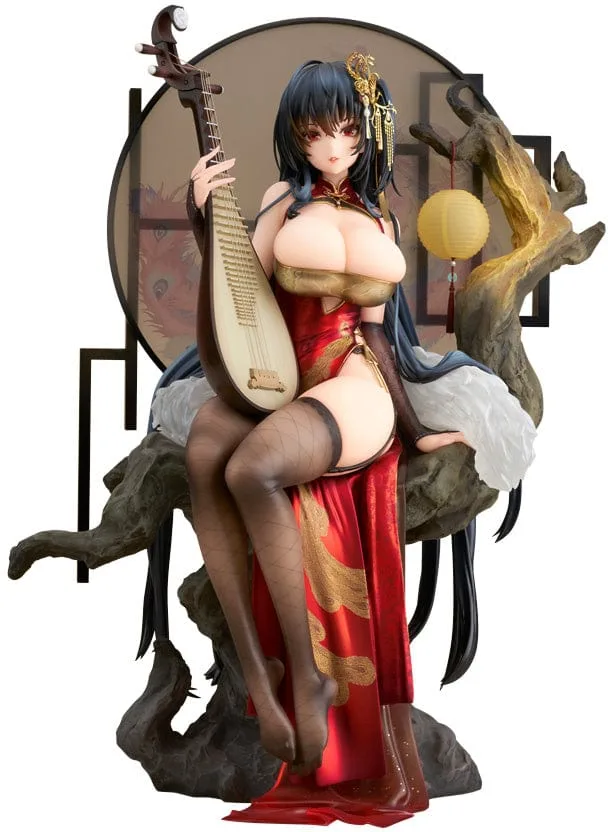
- Azur Lane Taihou: Phoenix's Spring Song Ver. 1/7 Scale Figure: The Azur Lane Taihou: Phoenix's Spring Song Ver. 1/7 Scale Figure by Alter is a large-scale display piece with a Chinese-inspired dress, a seated pose on an ancient tree, a pipa instrument, hanging lanterns, and a folding screen with a phoenix. Large, detailed figures with multiple painted and clear components are the hardest to restore safely, so this type of piece is a strong candidate for prevention and careful display rather than a peroxide treatment.
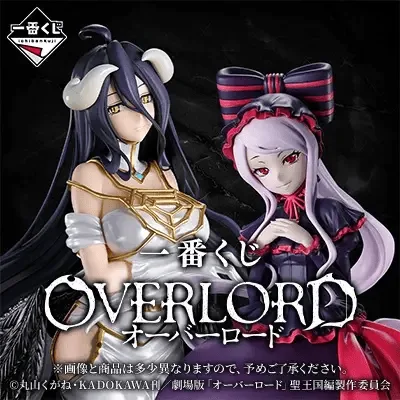
- Ichiban Kuji - Overlord: Ichiban Kuji - Overlord includes a prize lineup with A Prize - Albedo Figure 1/7 Gracemaster and B Prize - Shalltear Bloodfallen Figure 1/7 Gracemaster, among other items, with 70 items to be won and a live drawing after purchase. Prize figures like these are often displayed in open collections, so planning a UV-safe spot before they arrive is easier than trying to reverse yellowing later.